
Radhanagari Dam
Heritage & Culture near Radhanagari, Maharashtra
4.3 km from Radhanagari
The nearest town, for stays, food and fuel.
Radhanagari Dam is an early twentieth-century gravity dam built across the Bhogawati River near the town of Radhanagari in southern Maharashtra. Conceived by Chhatrapati Shahu Maharaj of Kolhapur to combat regional droughts and power agriculture, the dam forms a sprawling reservoir known as Laxmi Talav. Travelers visit to marvel at its heritage stone architecture, witness the rare engineering of its self-operating siphon gates, and explore the dense, wildlife-rich forests of the Western Ghats that encircle the water.
Getting there
By road
- From RadhanagariNearest town16 min · 6.4 km
- From Pune6 hr 20 min · 297 km
- From Mumbai 9 hr 10 min · 468 km
Typical drive times without traffic. Stations and airports from OLA Maps; distances and typical drive times from OpenStreetMap (© OpenStreetMap contributors); notes from creators' Reels.
About Radhanagari Dam
Written with AI from map data and general knowledge. Check prices and timings locally before you go.
History and heritage of Radhanagari Dam
Radhanagari Dam stands as an enduring monument to visionary civil engineering in southwestern Maharashtra. Conceived at the dawn of the twentieth century by Chhatrapati Shahu Maharaj, the social reformer and ruler of the princely state of Kolhapur, the project was envisioned to secure year-round water supplies and banish recurring droughts from the surrounding countryside. Construction began in 1907 across the Bhogawati River, an essential tributary of the Panchganga. The resulting reservoir was named Laxmi Talav in honor of Maharani Laxmibai.
Completing the vast masonry structure took decades of committed labor and local resources, finally reaching completion in the mid-twentieth century. Beyond its engineering utility, the project profoundly altered the agrarian landscape of the Kolhapur district, converting barren land into prosperous sugarcane and rice belts. Today, the dam represents not just a critical irrigation installation, but a revered heritage landmark that continues to sustain rural communities across the valley.
The engineering design and siphon gates
The construction of Radhanagari Dam illustrates the enduring durability of late colonial and princely Indian civil engineering. Built primarily with solid local basalt stone and lime mortar, the gravity structure was designed to withstand the tremendous hydrostatic pressures generated by the torrential annual monsoons of the Sahyadri ranges.
Among its most celebrated features is an ingenious system of automatic siphon spillway gates. Unlike modern dams that rely on electric winches and motorized controls to release floodwaters, the historical release mechanisms at Radhanagari operate on pure hydrodynamic and siphon principles. When the reservoir reaches its maximum full-storage mark, the water naturally initiates a siphon action, automatically opening the gates to let excess flow escape safely downriver. Watching these massive gates engage during spells of intense rainfall remains one of the most captivating spectacles in the district.
Read more
The surrounding landscape and wildlife
The natural setting around Radhanagari Dam is dominated by the dense, undulating green hills of the Western Ghats. The reservoir is enveloped by thick semi-evergreen and moist deciduous forests, creating a tranquil buffer between agricultural plains and rugged mountain ridges. The ambiance shifts dramatically across the year, transforming from misty emerald during the wet season to earthy ochre and gold in the dry months.
The reservoir sits in close proximity to the Radhanagari Wildlife Sanctuary, Maharashtra's first declared wildlife sanctuary and a globally recognized sanctuary for the Indian bison, known locally as the gaur. The undisturbed catchment basin and adjacent forest corridors provide shelter to a diverse array of wildlife, including leopards, barking deer, sambar, and wild boars. Birdwatchers frequently visit the water's edge to spot hornbills, kingfishers, cormorants, and seasonal waterfowl that feed in the calm inlets.
Best time to visit Radhanagari Dam
A trip to Radhanagari Dam offers contrasting experiences depending on the season you choose to travel. The monsoon months, extending from late June through September, represent the most dramatic period. Persistent rains turn the surrounding hills lush and alive with temporary streams, while the reservoir fills to its brim. This is the only time of year when travelers can witness the automatic gates functioning and releasing huge plumes of water. Visitors traveling during the monsoon should come prepared for heavy downpours, thick fog, and wet trails.
The post-monsoon and winter window from October to February brings the most comfortable weather for general sightseeing and exploration. During these months, the rains subside, skies clear to bright blue, and temperatures remain mild throughout the day with cool, crisp evenings. Summer, running from March until June, brings dry heat and noticeably lower water levels. While less scenic for casual sightseers, summer can offer quiet conditions for observing birds and resident forest wildlife near shrinking waterholes.
How to reach Radhanagari Dam
Radhanagari Dam is located adjacent to the small town of Radhanagari in southern Maharashtra. The primary transit hub for reaching the region is the city of Kolhapur, situated roughly fifty to sixty kilometers to the northeast. Kolhapur is well connected by highway and rail networks to major cities like Pune, Mumbai, and Bengaluru.
Travelers arriving by train can alight at the Kolhapur railway station and hire a private taxi, take a local state transport bus, or board a shared vehicle to Radhanagari. For those flying in, Kolhapur has a regional domestic airport, while larger international airports can be accessed at Belagavi, Goa, or Pune. Driving to the dam is a scenic experience, taking you past vast sugarcane fields and gentle Ghat foothills. The main approach roads are generally motorable, though rural sections close to the reservoir may show wear after intense monsoon seasons.
Places to visit around Radhanagari Dam
Combining a visit to Radhanagari Dam with other regional points of interest makes for a well-rounded itinerary through southern Maharashtra. About twenty kilometers away lies Gaganbawda Ghat, an elevated mountain viewpoint offering vast panoramas of the Konkan plains below, alongside Gagangad Fort perched nearby on an isolated hill. History lovers can also venture out toward the rugged ramparts of Mudagad Fort, roughly thirty kilometers distant.
Those interested in traditional sacred sites can explore the ancient rock-hewn shrine of Palsambe Ramling, situated about twenty-two kilometers from the dam, or pay respects at the serene forest-cloaked Katyani Devi Temple. The peaceful banks of the Tulsi River offer tranquil picnic spots away from traffic. For a monsoon adventure toward the coastal drop, Napne Waterfall presents a spectacular cascade, while closer to Kolhapur, the Siddhagiri Museum provides an illuminating walkthrough of rural Indian arts and traditional community life.
Where to stay and travel tips
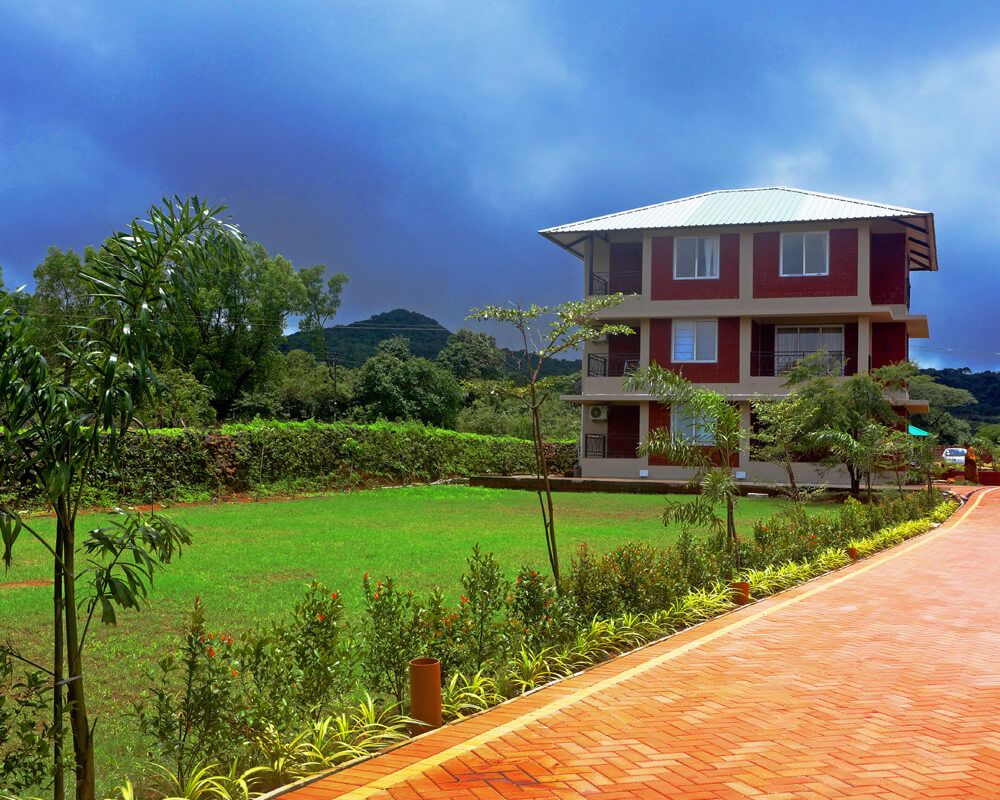
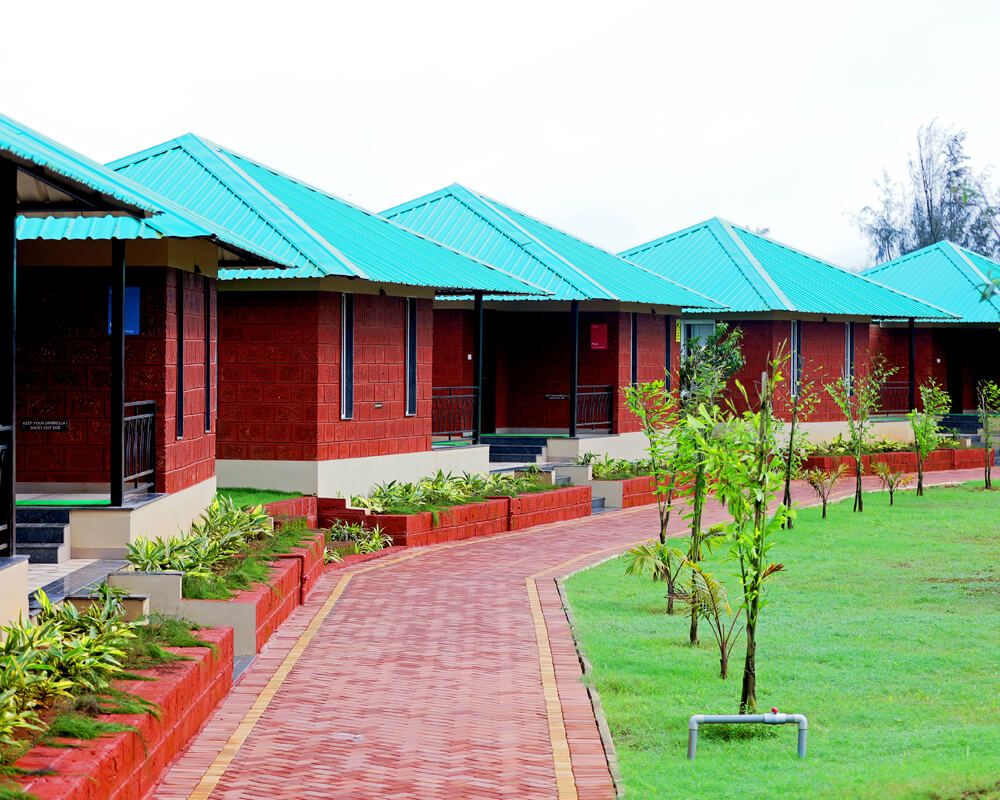
Finding a relaxing place to unwind after exploring Radhanagari Dam is easy, with an assortment of nature-focused stays available across the region. You can find rustic cottages, rural homestays, and outdoor camps nearby on HireACamp. Staying near the forests or reservoir edge allows you to experience peaceful village mornings, fresh air, and clear stargazing at night.
When preparing for your visit, keep a few practicalities in mind. Pack reliable waterproof clothing, rain protection for electronics, and sturdy shoes with good tread if you visit between July and September. Services around the dam itself are minimal; while simple tea stalls and basic eateries operate in Radhanagari town, carrying personal drinking water and light snacks is wise. Carry adequate cash as digital payment connectivity can be inconsistent in rural pockets. Always check local guidelines upon arrival, as access to certain dam ramparts and nearby sanctuary zones is monitored by local authorities.
Frequently asked questions
Who built Radhanagari Dam?
The dam was conceptualized and initiated in 1907 by Chhatrapati Shahu Maharaj, the reformist ruler of Kolhapur, to supply drinking water and irrigate the surrounding agricultural plains.
What is unique about the gates at Radhanagari Dam?
Radhanagari Dam is famous for its historical automatic siphon gates, which open and release overflow water entirely through water pressure and siphon physics without requiring electricity or manual operation.
Which river does the dam stand on?
The dam is constructed across the Bhogawati River, which is a major tributary of the Panchganga River basin in Maharashtra.
What wildlife lives near Radhanagari Dam?
Because the dam borders the Radhanagari Wildlife Sanctuary, the surrounding forests are home to Indian bison (gaur), leopards, barking deer, wild boars, and a wide variety of birds including hornbills and kingfishers.
When can you see the dam gates open?
The automatic siphon gates usually open during the peak monsoon months of July and August when heavy rainfall pushes the reservoir to its maximum holding capacity.
Where you'll be
Radhanagari, MH · 2 stays nearby shown with prices
Stays near Radhanagari Dam
Book a place to stay close by
More places near Radhanagari Dam
Within 20 km
Built from 0 Instagram posts by 0 creators. Every tip links back to the post it came from, and where creators disagree we show both sides.






