
Vairatgarh Fort
Fort near Wai, Maharashtra
10 km from Wai
The nearest town, for stays, food and fuel.
Vairatgarh Fort is a historic hill fort located in the Sahyadri mountains near the historic town of Wai in Maharashtra. Constructed during the reign of the Shilahara dynasty and later garrisoned by the Maratha Empire, the fort offers a glimpse into medieval Deccan defense architecture. Today, it draws day-hikers and history enthusiasts looking for open valley views, ancient water cisterns, and uncrowded trekking trails.
Getting there
By road
- From WaiNearest town33 min · 19 km
- From Pune2 hr 5 min · 93 km
- From Mumbai 4 hr 30 min · 239 km
- From Nashik6 hr 55 min · 333 km
Typical drive times without traffic. Stations and airports from OLA Maps; distances and typical drive times from OpenStreetMap (© OpenStreetMap contributors); notes from creators' Reels.
About Vairatgarh Fort
Written with AI from map data and general knowledge. Check prices and timings locally before you go.
About Vairatgarh Fort
Vairatgarh Fort sits at a prominent elevation in the Wai region of Satara district, overlooking the fertile plains of the Krishna River basin. Historical records attribute the construction of the fort to King Bhoja II of the Shilahara dynasty in the late twelfth century, the same era that saw the rise of several iconic Sahyadri strongholds. Over the centuries, control of the fort shifted through the Bahmani Sultanate, the Bijapur Adil Shahi rulers, and eventually the Maratha Empire under Chhatrapati Shivaji Maharaj in the seventeenth century, who used it as a military observation post and regional storehouse.
The fort takes its name from local lore associated with the ancient kingdom of Vairat. Structurally, the hill features steep basalt escarpments that provided natural defense against invading armies, augmented by hand-cut stone ramparts, reinforced bastions, and well-guarded gateways. While much of the interior timber and mortar structures have eroded with time, the stone foundations, defense walls, and rock-carved reservoirs still stand as quiet reminders of the Deccan region's eventful past.
The Trek to Vairatgarh Fort
The trek to Vairatgarh Fort is generally graded as an easy-to-moderate ascent, making it accessible to beginners as well as seasoned hikers. The standard route begins at the base village near Mhasve, located just a short distance from Wai. From the village outskirts, a marked footpath winds through open scrubland and gently climbing ridges before entering steeper, rocky terrain that leads toward the upper fortification lines.
As you approach the summit, the trail joins a sequence of weathered stone steps cut directly into the hillside. The final climb passes remnants of defensive gateways and curtain walls. Depending on your walking pace and rest stops, the hike up usually takes between one and two hours. The trail is exposed in many sections, so starting early in the day is recommended to avoid climbing under the direct midday sun.
Read more
What to See at the Fort
Upon reaching the plateau of Vairatgarh Fort, visitors are greeted by a broad expanse of open hill country punctuated by archaeological remnants. Among the most noticeable structures are several rock-cut water cisterns, known locally as tankas. These water bodies were engineered into the basalt rock to harvest rainwater and sustain the stationed garrison through dry summer seasons. While some cisterns hold water year-round, travelers should not rely on them for drinking.
The top also houses small shrines, including one dedicated to Lord Hanuman, which is commonly found on Maratha-era fortifications. Walking along the perimeter of the ramparts reveals surviving bastions that offer clear lines of sight. On a clear day, the fort provides panoramic vistas overlooking the town of Wai, the surrounding agricultural fields, the snaking curves of the river, and distant hill landmarks such as the Panchgani plateau and neighboring fortresses.
Best Time to Visit
The most pleasant time to explore Vairatgarh Fort runs from late June through February. The monsoon months, spanning June to September, drape the entire mountain and surrounding landscape in vibrant shades of green. Low clouds frequently drift across the plateau, and seasonal streams trickle along the foot of the hill. However, rainfall can make rock steps slick and mud paths slippery, so good footwear and careful footing are essential.
From October to February, the post-monsoon and winter seasons bring clear skies, crisp mornings, and comfortable daytime temperatures, making this period ideal for hiking, landscape photography, and long explorations on the summit. The summer months between March and May are hot and dry, with the daytime sun heating the rocky terrain significantly. If you visit in the summer, plan to start your trek before sunrise and descend well before noon.
How to Reach Vairatgarh Fort
Vairatgarh Fort is situated near the temple town of Wai, which serves as the primary base for visitors. Wai is well-connected to major urban centers across western Maharashtra via National Highway 48. Travelers coming from Pune can reach Wai by car, state transport bus, or shared taxi, with the driving distance taking approximately two to two and a half hours under standard traffic conditions. From Mumbai, the journey typically takes around four to five hours via the expressway and highway.
Once in Wai, local transport such as auto-rickshaws or private vehicles can take you to the base village at the foot of Vairatgarh Fort. For those traveling by rail, the nearest major railway stations are Satara and Pune, both of which offer frequent road connections onward to Wai. Always check locally for current road conditions and local transport schedules when planning your day.
Places to Visit Nearby
A trip to Vairatgarh Fort can easily be combined with other prominent natural and historical sights in the region. The serene backwaters of Dhom Lake lie close to Wai, offering quiet lakeside views framed by mountains. Above Wai rises the hill retreat of Panchgani, where the flat expanse of Table Land delivers vast views across the valleys and western ghats.
For avid fort enthusiasts, Kamalgad and Kenjalgad are within driving distance and offer further trekking opportunities through rugged Sahyadri topography. Toward Satara, visitors can explore the historic Sajjangad Fort, known for its spiritual heritage, or head further into the high ranges toward the floral meadows of the Kaas Plateau and the scenic drop of Thoseghar Waterfall during the post-monsoon months.
Tips for Your Visit and Where to Stay
Because Vairatgarh Fort is an isolated historic site with no shops or commercial facilities atop the plateau, you must carry everything you need for the excursion. Bring at least two liters of drinking water per person, energy-rich snacks, a hat, and sunscreen. Sturdy walking shoes with reliable grip are strongly recommended to navigate loose stones and slippery steps.
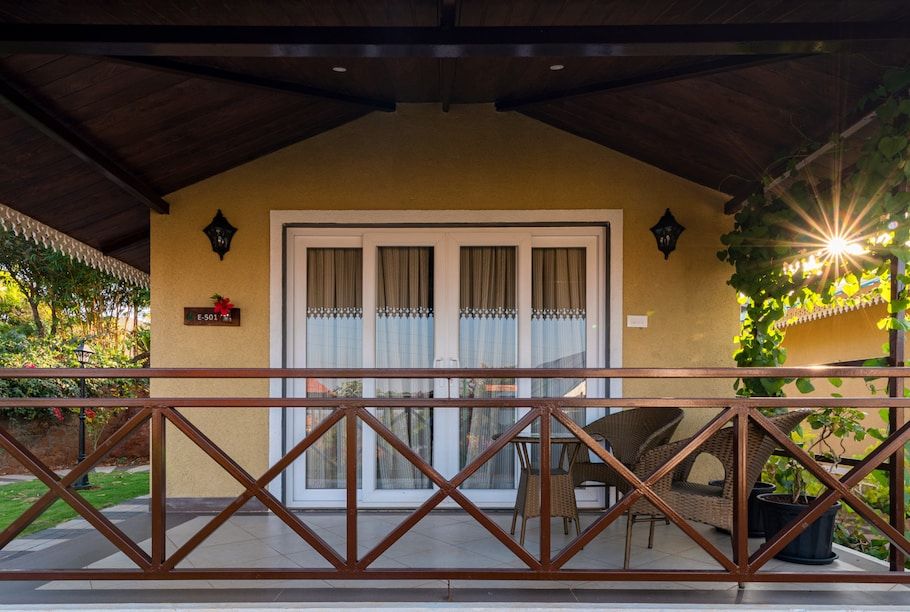
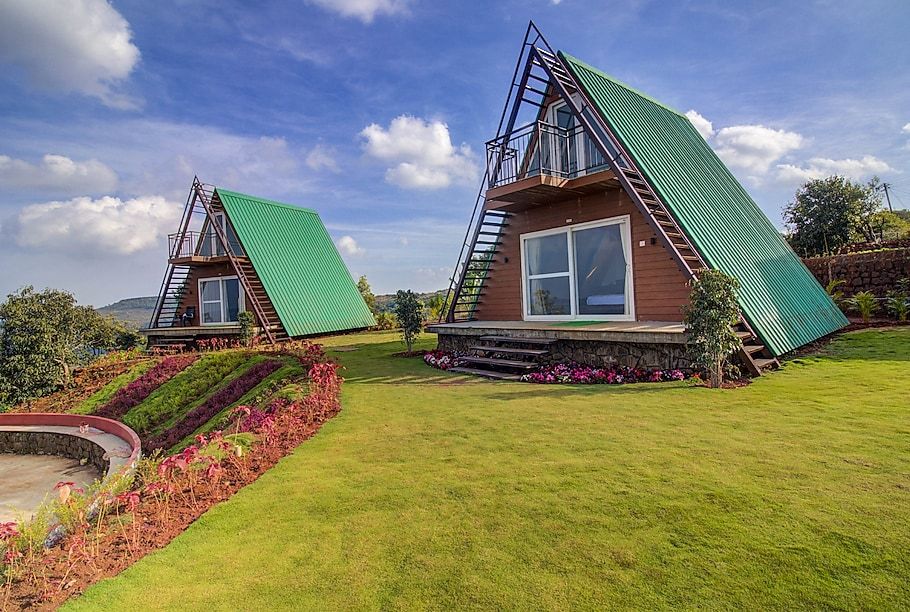
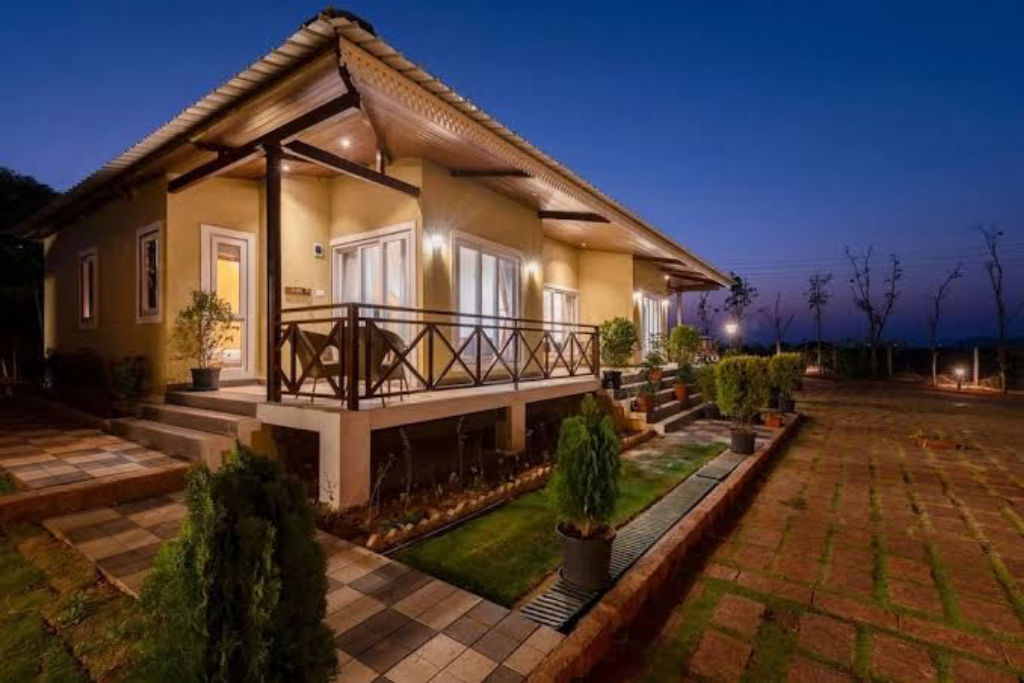
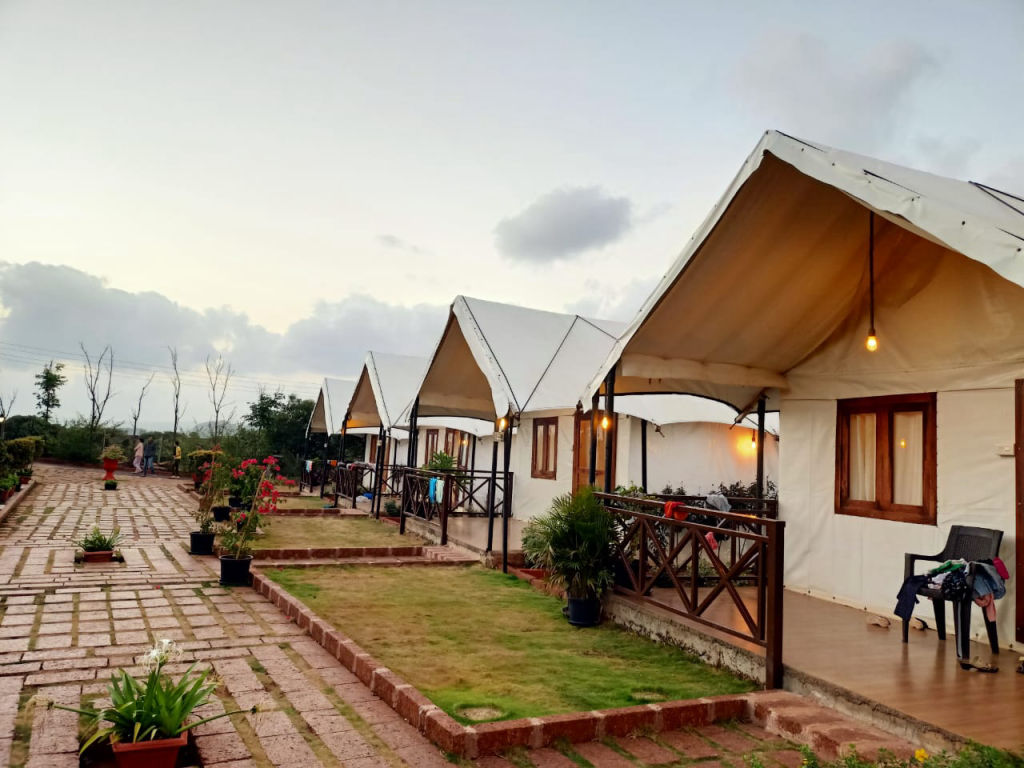
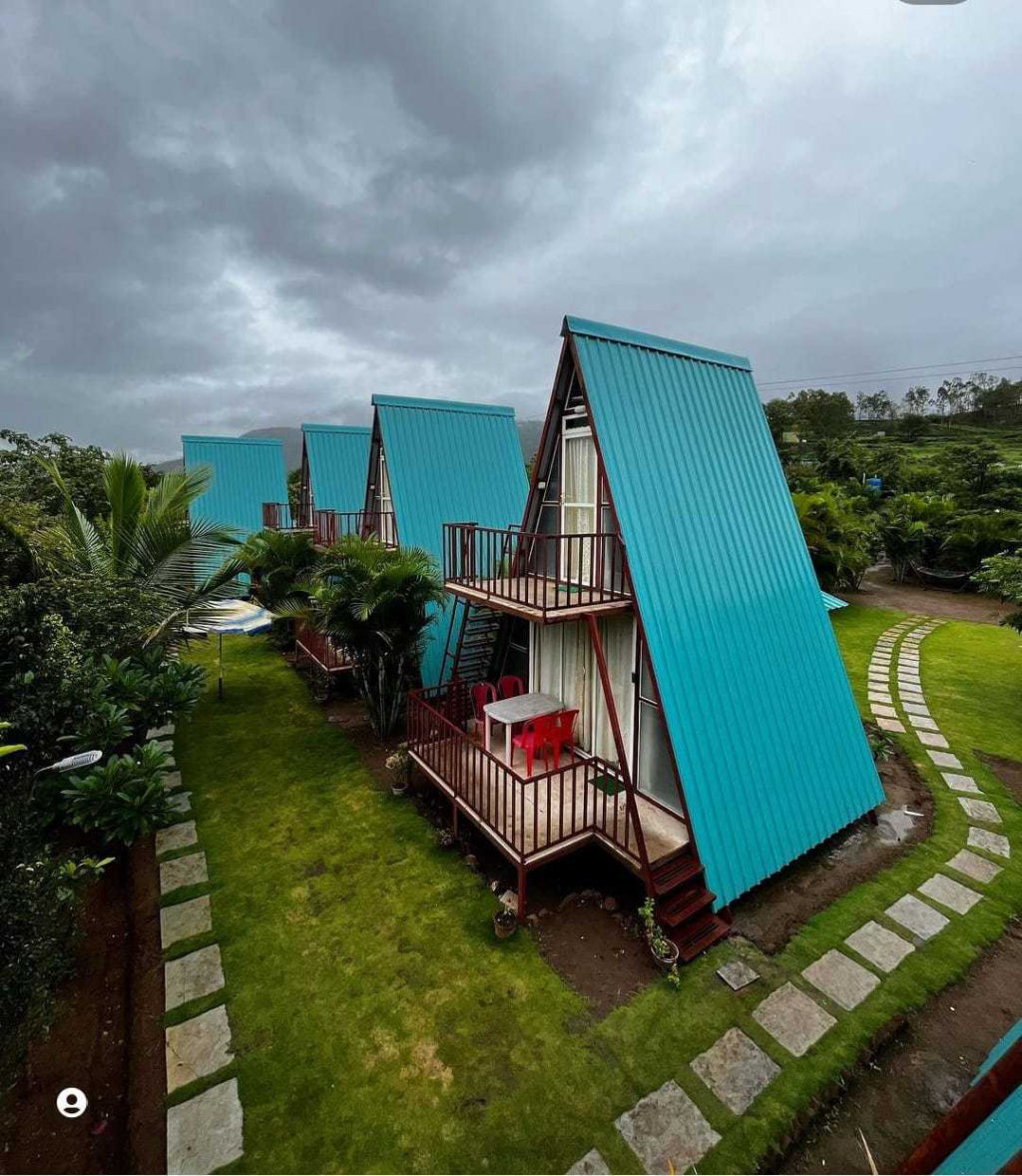
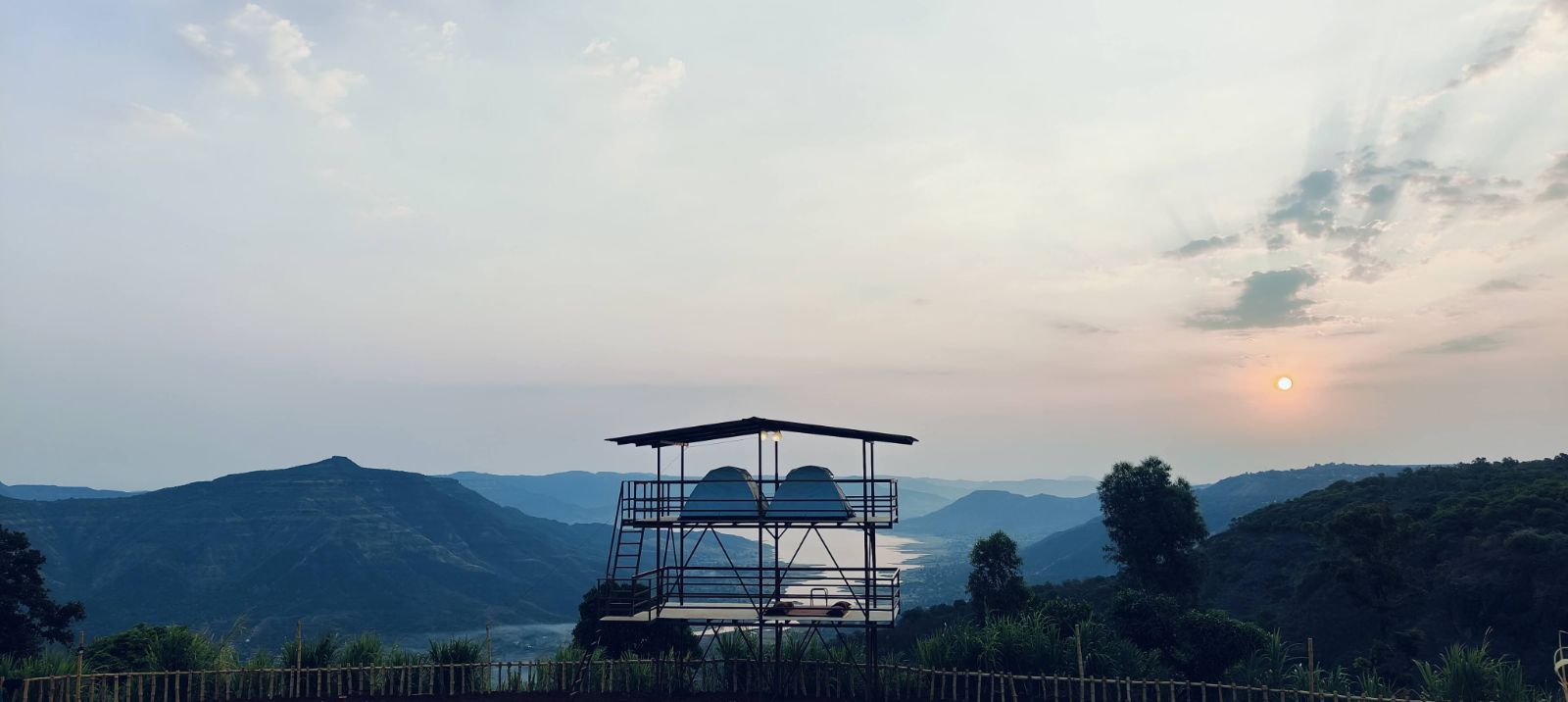
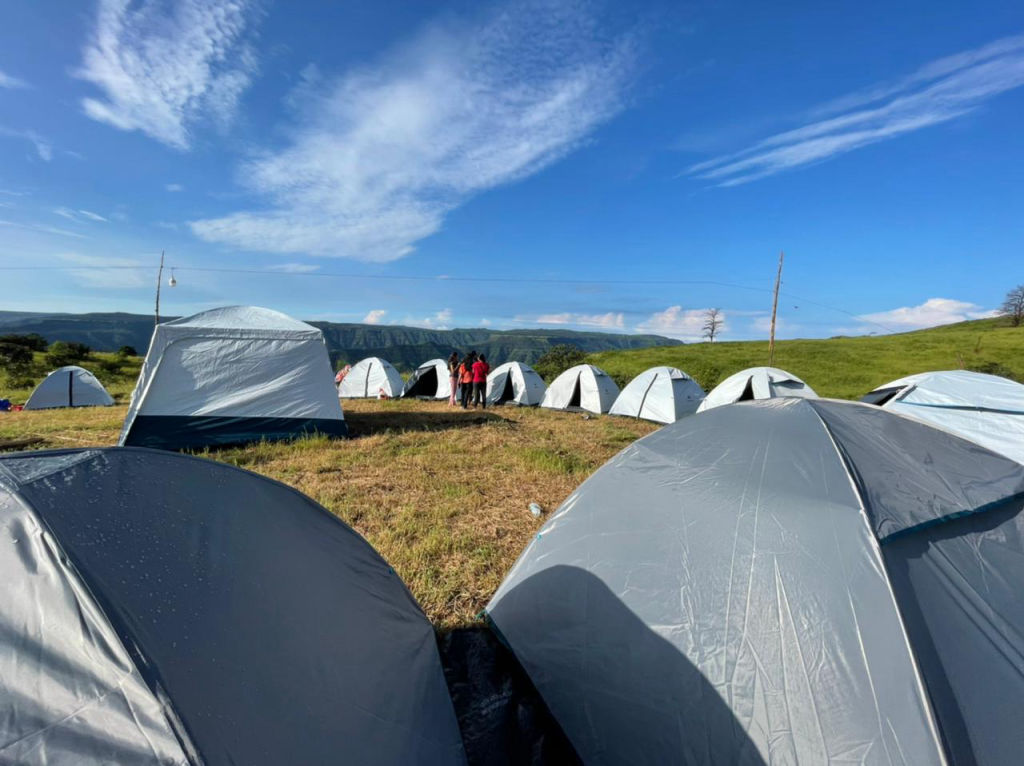
Practice responsible outdoor travel by carrying all your waste back down to the base village; leaving plastic bottles or food wrappers on the hill damages the local environment. If you plan to make a weekend trip out of your journey to Wai and the Sahyadri hills, you can find quiet campsites, rustic farm stays, and traditional homestays in the area through HireACamp.
Frequently asked questions
How long does it take to climb Vairatgarh Fort?
The hike from the base village to the fort summit typically takes between one and two hours at an average pace. Descending usually takes around an hour.
Is the trek to Vairatgarh Fort suitable for beginners?
Yes, the trek is rated as easy to moderate and is suitable for beginner hikers with basic fitness, though care should be taken on steep and rocky sections.
Is drinking water available at the top of Vairatgarh Fort?
No potable drinking water is available on the fort. Although there are historic rock-cut water cisterns, the water is not treated, so you must bring sufficient drinking water from the base.
Which base village is the starting point for the trek?
The standard route to Vairatgarh Fort begins from the village of Mhasve, located a few kilometers from the town of Wai in Satara district.
Are there food stalls or shops on Vairatgarh Fort?
There are no shops, restaurants, or food stalls on the hill. Visitors should carry their own snacks and meals, or eat in nearby towns like Wai before or after the hike.
Where you'll be
Maharashtra · 7 stays nearby shown with prices
Stays near Vairatgarh Fort
Book a place to stay close by
More places near Vairatgarh Fort
Within 20 km


Lists for this area
Ranked by how many creators recommend each place


Built from 0 Instagram posts by 0 creators. Every tip links back to the post it came from, and where creators disagree we show both sides.


