
Vasota Fort
Fort near Kas, Maharashtra
13 km from Kas
The nearest town, for stays, food and fuel.
Vasota Fort is an ancient hill citadel located deep inside the Koyna Wildlife Sanctuary in the Satara district of Maharashtra. Surrounded by the dense forests of the Sahyadri Tiger Reserve and the waters of the Koyna Reservoir, the fort attracts trekkers and nature lovers seeking a wilderness trail. Visitors come to experience a scenic lake crossing by boat followed by an immersive jungle hike that leads to dramatic cliff-edge views.
Getting there
By road
- From KasNearest town3 hr 5 min · 83 km
- From Pune4 hr 50 min · 214 km
- From Mumbai 5 hr 25 min · 258 km
- From Nashik8 hr 35 min · 455 km
Typical drive times without traffic. Stations and airports from OLA Maps; distances and typical drive times from OpenStreetMap (© OpenStreetMap contributors); notes from creators' Reels.
About Vasota Fort
Written with AI from map data and general knowledge. Check prices and timings locally before you go.
The history and landscape of Vasota Fort
Perched on a high ridge in the Western Ghats of Satara, Vasota Fort, historically known as Vyaghragad or the Tiger Fort, is one of the most secluded hill fortifications in Maharashtra. Originally constructed during the reign of the Shilahara dynasty in the late twelfth century, the outpost passed through various regional rulers before being conquered by Chhatrapati Shivaji Maharaj in the mid-seventeenth century. Because of its remote setting and sheer surrounding cliffs, the fort functioned as an impenetrable defense outpost and a secure prison under the Maratha Empire.
Today, the ruins lie within the core zone of the Koyna Wildlife Sanctuary, which forms part of the larger Sahyadri Tiger Reserve. The landscape is characterized by steep basalt escarpments, deep ravines, and moist semi-evergreen and deciduous forests. The surrounding lowlands were submerged during the construction of the Koyna Dam, creating the vast Shivsagar Lake that isolates the mountain from ordinary road networks and leaves the citadel cloaked in wilderness.
The trek and summit views at Vasota Fort
The journey up Vasota Fort is distinct from most hill hikes in the Sahyadris because it pairs a peaceful boat cruise with a sustained climb through continuous woodland canopy. Trekkers assemble at the village of Bamnauli along the lake edge to board motorboats that cross the Koyna Reservoir to the base camp at Met Indavali. From this isolated lakeside landing, the foot trail winds upward under a dense green canopy that blocks out direct sunlight, keeping the forest route cool even on warmer days.
As the trail climbs toward the entrance bastions, hikers are surrounded by towering trees, moss-draped boulders, and rich bio-diversity. The summit reveals a broad, undulating plateau scattered with historical remains, including ruined ramparts, ancient stone cisterns, and a shrine dedicated to Lord Shiva. The most striking geographical feature on the plateau is Babu Kada, a sheer vertical cliff with a staggering drop toward the Konkan plains below. Standing safely back from this promontory gives hikers panoramic perspectives of forested mountain shoulders and the shimmering backwaters far below.
Read more
Best time to visit Vasota Fort
The most pleasant window to plan an excursion to Vasota Fort is between October and February. Following the conclusion of the monsoon rains, the Western Ghats are intensely green, the Koyna Reservoir is full to its margins, and temperatures are comfortable for hiking. Winter mornings are crisp and mist-covered, clearing by midday to offer sweeping visibility across the Koyna valley and neighbouring ridges.
The trail is generally closed to the public during the height of the monsoon season, from June through September, due to torrential rainfall, rising reservoir levels, and forest safety regulations. The summer months from March to May can become hot and dry during midday hours, which makes walking through the lower elevations physically demanding. Trekkers venturing out in early summer are advised to make the earliest possible boat crossing in the morning to finish the climb before the heat peaks.
How to reach Vasota Fort
Reaching Vasota Fort requires a combination of overland transit and water transport, as there are no direct road links to the trail base. The town of Satara serves as the main overland gateway, well connected by state highways and rail lines from Pune and Mumbai. From Satara, travellers take a scenic, winding mountain road through the hills to reach the lakeside settlement of Bamnauli.
At Bamnauli, visitors board registered motorboats to cross the Shivsagar Lake to the Met Indavali trailhead. The crossing takes travellers past forested shorelines and uninhabited valleys within the reserve. Once ashore, the only route onward is the designated pedestrian trail up to the ramparts. Public state transport buses and local taxis connect Satara with Bamnauli, although driving a private vehicle or booking a private cab provides the flexibility needed to arrive early in the morning.
Essential tips for your trek
Because Vasota Fort stands within a protected forest reserve, all visitors must check in and obtain clearance at the local forest department office before boarding the boats. Overnight camping atop the fort is strictly prohibited, and visitors must plan their climb to return to the lake shore well before the afternoon boat departure deadlines. Starting your day at sunrise from Bamnauli ensures ample time to make the crossing, complete the ascent, explore the plateau, and descend safely.
Carry sufficient drinking water and ready-to-eat packed meals, as there are no shops, food vendors, or verified potable water sources along the trail or on the fort itself. Good trekking shoes with dependable grip are essential to navigate slippery rocks, loose scree, and exposed roots. In the post-monsoon months, forest leeches are common along damp leaf-litter sections, so wearing full-length trekking trousers and carrying salt or insect repellent is helpful. Visitors are expected to practice strict leave-no-trace ethics by bringing all food packaging and personal trash back to the mainland.
Places to explore around Vasota Fort
The Satara district and the Koyna basin feature several scenic and historical destinations that make rewarding additions to a Vasota Fort itinerary. Bamnauli village itself provides a quiet base for lakeside walks and rural relaxation. A short drive away lies Tapola, positioned at the confluence of the Koyna and Solshi rivers, renowned for its wide water views, agro-tourism farms, and boating.
Closer to the town of Satara, travellers can explore the Kaas Plateau, a designated UNESCO natural heritage site known for its brief, vivid bloom of wild flora at the end of the monsoon season. Nearby sits the Bhambavli Vajrai Waterfall, tumbling down green basalt cliffs in multiple dramatic tiers. Travellers interested in regional heritage and scenery can also venture toward the Thoseghar Waterfalls or visit Sajjangad Fort, an important historical and spiritual hill retreat overlooking the surrounding river valleys.
Where to stay near Vasota Fort
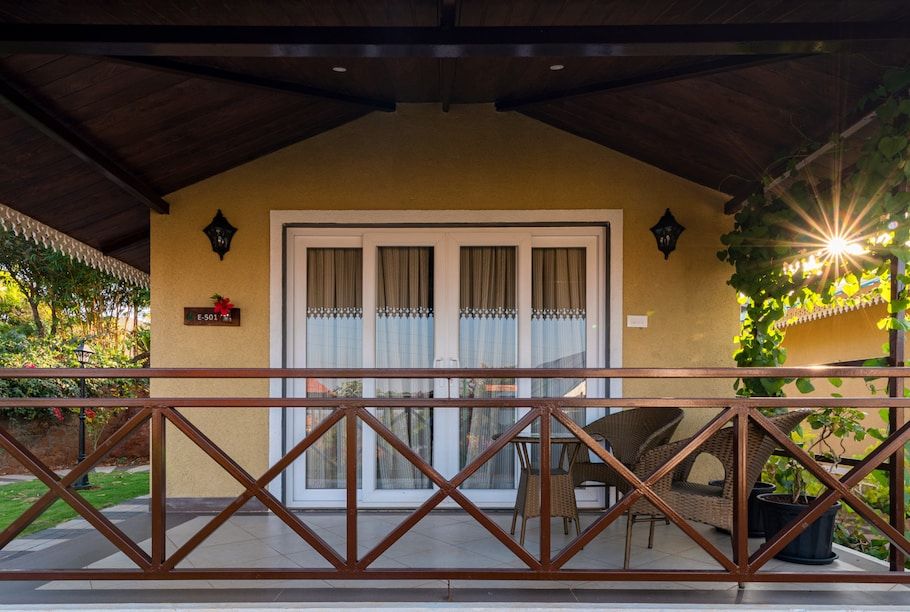
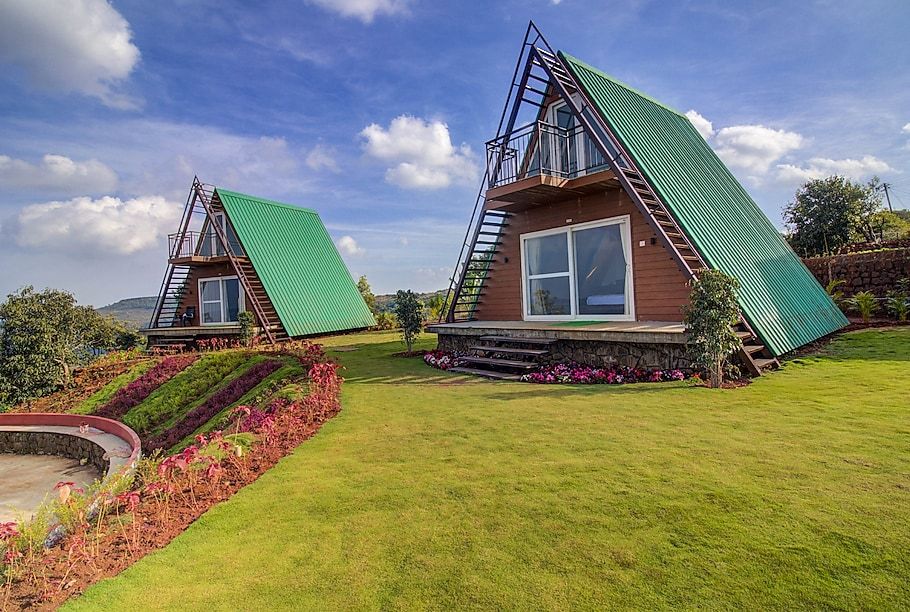
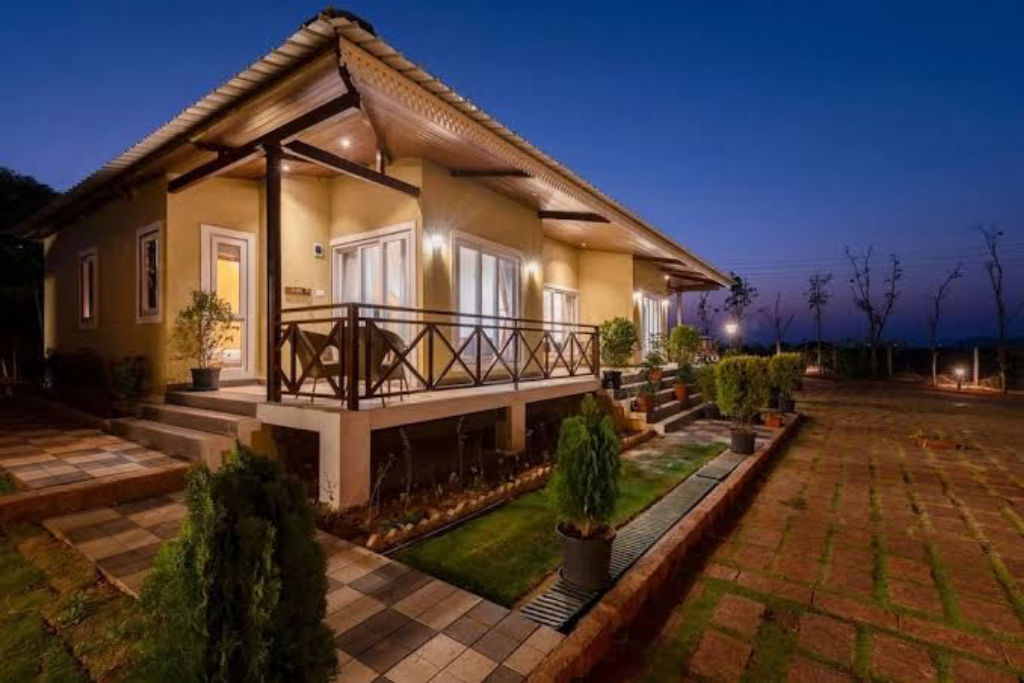
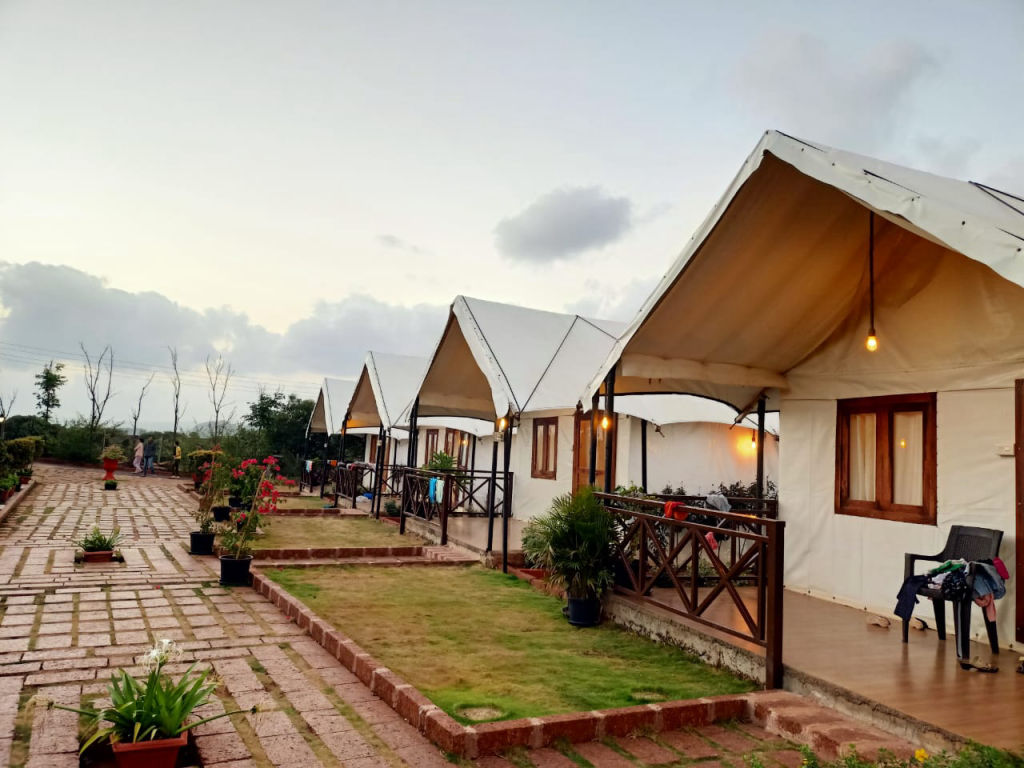
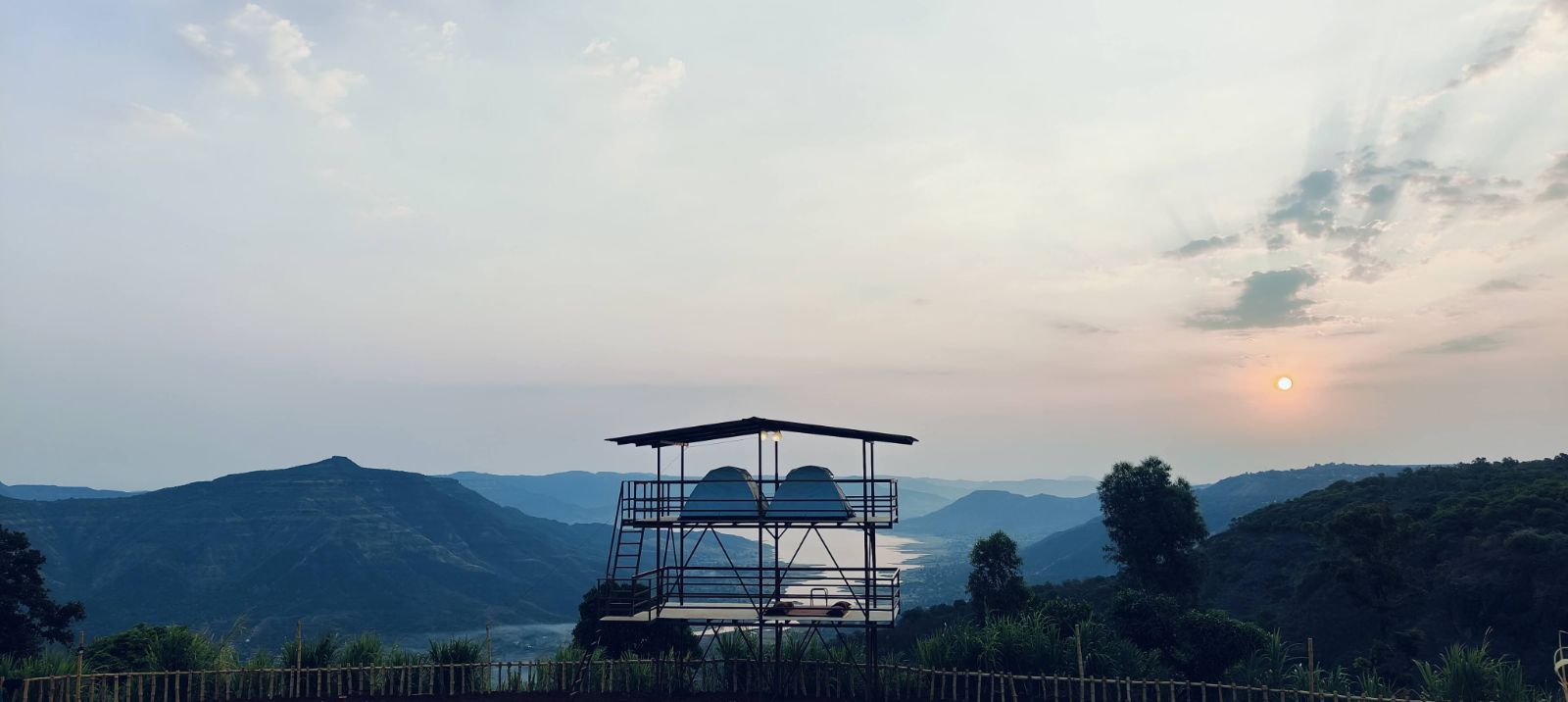
Travelers trekking to Vasota Fort typically stay close to the water in Bamnauli or Tapola to ensure an early start for the boat crossings. Staying by the reservoir provides a calm rural setting, with quiet evening views across the backwaters.
A variety of homestays, lakeside outdoor campsites, and eco-friendly cottages in Bamnauli, Tapola, and the wider Satara region can be discovered and booked on HireACamp. These stays offer an authentic local experience and place you within easy reach of the boating docks.
Frequently asked questions
Is overnight camping permitted on Vasota Fort?
No, overnight stays and camping on the fort are strictly prohibited because Vasota Fort is located inside the protected Koyna Wildlife Sanctuary. All visitors must complete the trek and descend back to the boat jetty on the same day.
How long is the boat ride to reach Vasota Fort?
The boat ride across Shivsagar Lake from Bamnauli village to the Met Indavali trailhead typically takes between an hour and an hour and a half each way, depending on water levels and boat speed.
What is the difficulty level of the Vasota Fort trek?
The trek is generally considered moderate in difficulty. It involves a steady, shaded ascent through forest terrain with occasional rocky sections, making it accessible to beginners with basic physical fitness.
Are food and drinking water available on the trail?
There are no food stalls, shops, or reliable drinking water points on the trail or at the summit of the fort. Trekkers must carry all necessary water and packed food from Bamnauli.
Is Vasota Fort open throughout the year?
No, the fort trail is typically closed during the monsoon months from June to September for visitor safety and wildlife conservation. Trekkers should check local forest department notices before planning a visit.
Where you'll be
Maharashtra · 5 stays nearby shown with prices
Stays near Vasota Fort
Book a place to stay close by
More places near Vasota Fort
Within 20 km


Lists for this area
Ranked by how many creators recommend each place

Built from 0 Instagram posts by 0 creators. Every tip links back to the post it came from, and where creators disagree we show both sides.


