
Bhambavli Vajrai Waterfall
Waterfall near Kas, Maharashtra
800 m from Kas
The nearest town, for stays, food and fuel.
Bhambavli Vajrai Waterfall is a spectacular multi-tiered cascade located near Jaoli in the Satara district of Maharashtra. Tumbling down towering cliff faces in the Sahyadri ranges, it is nourished by the Urmodi River and comes alive with thundering force during the wet season. Nature enthusiasts and trekkers visit the area to admire the raw power of the falls amidst misty hills, dense forests, and the vibrant landscapes of the Western Ghats.
Getting there
By road
- From KasNearest town5 min · 1.6 km
- From Pune3 hr 20 min · 132 km
- From Mumbai 5 hr 50 min · 271 km
- From Nashik7 hr 35 min · 358 km
Typical drive times without traffic. Stations and airports from OLA Maps; distances and typical drive times from OpenStreetMap (© OpenStreetMap contributors); notes from creators' Reels.
About Bhambavli Vajrai Waterfall
Written with AI from map data and general knowledge. Check prices and timings locally before you go.
The natural spectacle of Bhambavli Vajrai Waterfall
Bhambavli Vajrai Waterfall is celebrated as one of the tallest waterfalls in Maharashtra. Fed by the waters of the Urmodi River, the stream plunges down sheer basalt cliffs in three distinct tiers, crashing into a deep, verdant gorge below. The surrounding valley is draped in dense subtropical foliage, and when the monsoon winds pick up, plumes of white mist rise off the cliffs, occasionally hiding the falls completely before clearing to reveal the cascade in full flow.
The geological setting here is typical of the high Sahyadris, marked by weathered rock formations, steep precipices, and plateau tablelands. The sheer scale of the fall against the deep green mountain amphitheatre creates a dramatic view that attracts outdoor enthusiasts from across the state.
Trekking and trails around the falls
Reaching the viewpoints for Bhambavli Vajrai Waterfall involves a picturesque walk through village paths and forest tracks. The base village of Bhambavli serves as the starting point for visitors heading towards the designated vantage points. The route winds through wooded stretches, crossing small seasonal streams and open clearings with views across the valley.
While some seasoned hikers attempt trails closer to the base of the gorge, local safety guidelines and trail conditions must always be respected. During periods of heavy cloudbursts, rocky paths become slick with mud and moss, and seasonal streams can swell quickly. Walking steadily and sticking to established viewpoints guarantees a rewarding and safe outing.
Read more
Best time to visit Bhambavli Vajrai Waterfall
The monsoon season between late June and September is undeniably the prime time to witness Bhambavli Vajrai Waterfall at its peak volume. The heavy rains transform the Sahyadri landscape into a lush green haven, feeding the cascades and generating the heavy spray that gives the area its wild atmosphere. The weather remains cool, overcast, and breezy throughout these months.
Post-monsoon, from October through November, offers another excellent window. During this phase, the rains begin to ease, trails dry out, and visibility across the valley improves significantly. Although the flow of the water gradually reduces as winter approaches, the lingering greenery and pleasant temperatures make walking around the area deeply enjoyable. Visiting during the height of summer is generally less impressive, as the river flow thins down considerably.
How to reach Bhambavli Vajrai Waterfall
Bhambavli Vajrai Waterfall is located along the scenic route past the Kaas plateau, accessible from the district headquarters of Satara. Travellers arriving from Pune or Mumbai can take the national highway heading south towards Satara before branching off onto the state roads leading into the hills towards Jaoli and the falls.
For those travelling by public transport, Satara railway station and the central bus terminus connect smoothly with major cities across Maharashtra. From Satara, local state transport buses run along the route towards the Kaas region, though frequency can vary. Hiring a local taxi or driving a private vehicle gives you the freedom to navigate the curving mountain passes at your own pace and stop at viewpoints along the way.
Tips for planning your visit
A trip to Bhambavli Vajrai Waterfall requires sensible preparation, particularly during the wet months. Good trekking shoes with reliable grip are essential, as clay and wet stone make the paths exceptionally slippery. Rain gear, water-resistant bags for electronics, and an extra change of clothes are practical necessities given the unpredictable mountain weather.
Because the waterfall is situated in a relatively rural and protected ecological pocket, facilities near the trailheads are basic. You will find small village stalls offering tea, snacks, and simple regional meals, but it is wise to carry adequate drinking water. Always respect the surrounding environment by carrying all non-biodegradable waste back with you, avoiding swimming in strong currents, and staying well clear of unprotected cliff edges.
Places to visit around Bhambavli Vajrai Waterfall
The area surrounding Bhambavli Vajrai Waterfall is rich in natural attractions and historical sites. Just a short journey away lies the world-famous Kaas plateau, known for its carpet of endemic wild blooms that carpet the volcanic rock tableland at the end of the monsoon. Close by, Kanher Dam and the scenic waters of Urmodi Dam View Point provide calm lake vistas nestled between rising ridges.
Travelers interested in history can head towards the hill fortress of Sajjangad, a revered site with broad panoramic views of the surrounding hills, or venture out to Vairatgarh Fort and Kamalgad Fort. Water lovers can also explore Thoseghar Waterfall, another dramatic multi-cascade site in the district, or take a day trip towards the shimmering backwaters of Tapola Lake and Dhom Lake.
Where to stay near the falls
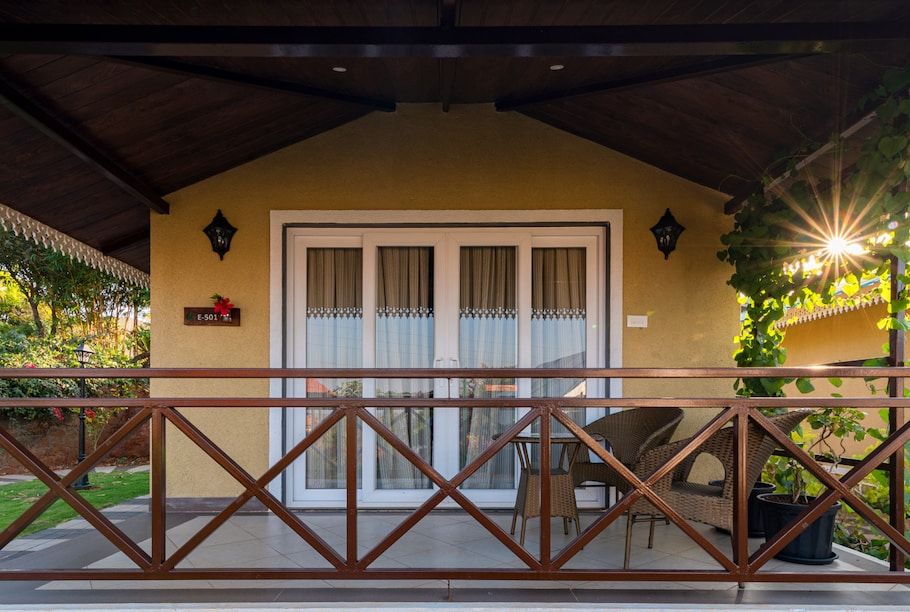
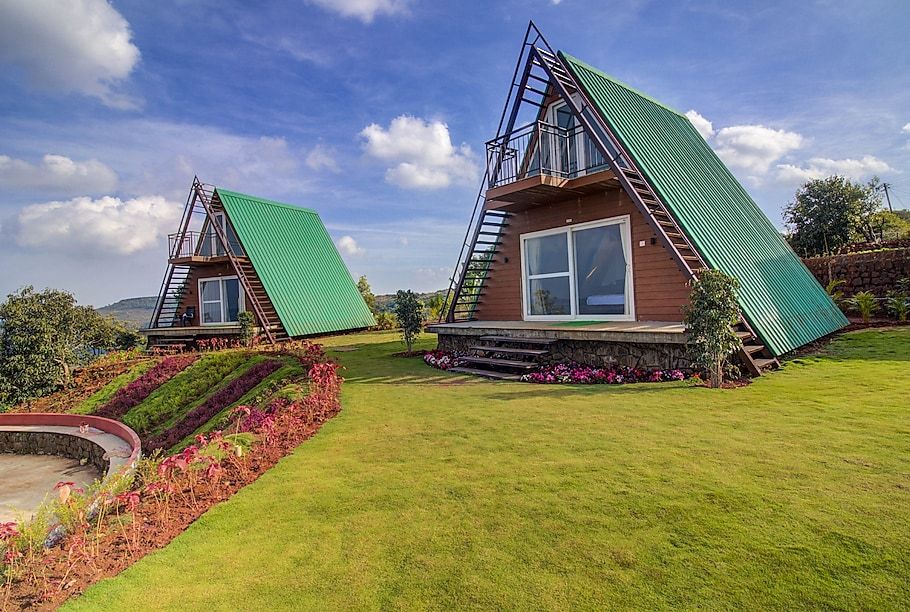
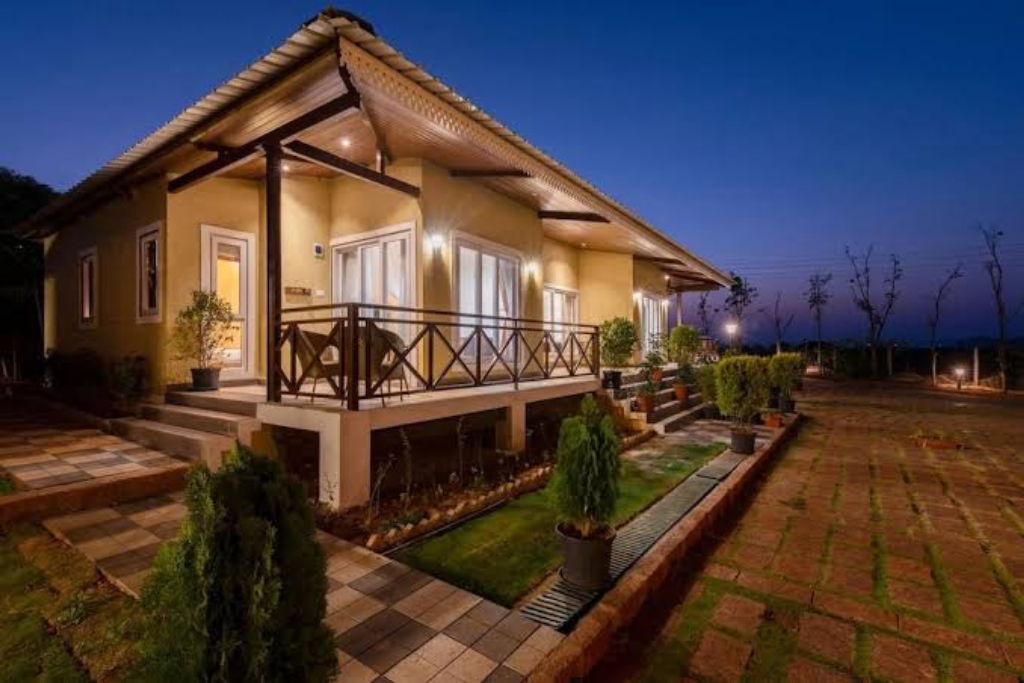
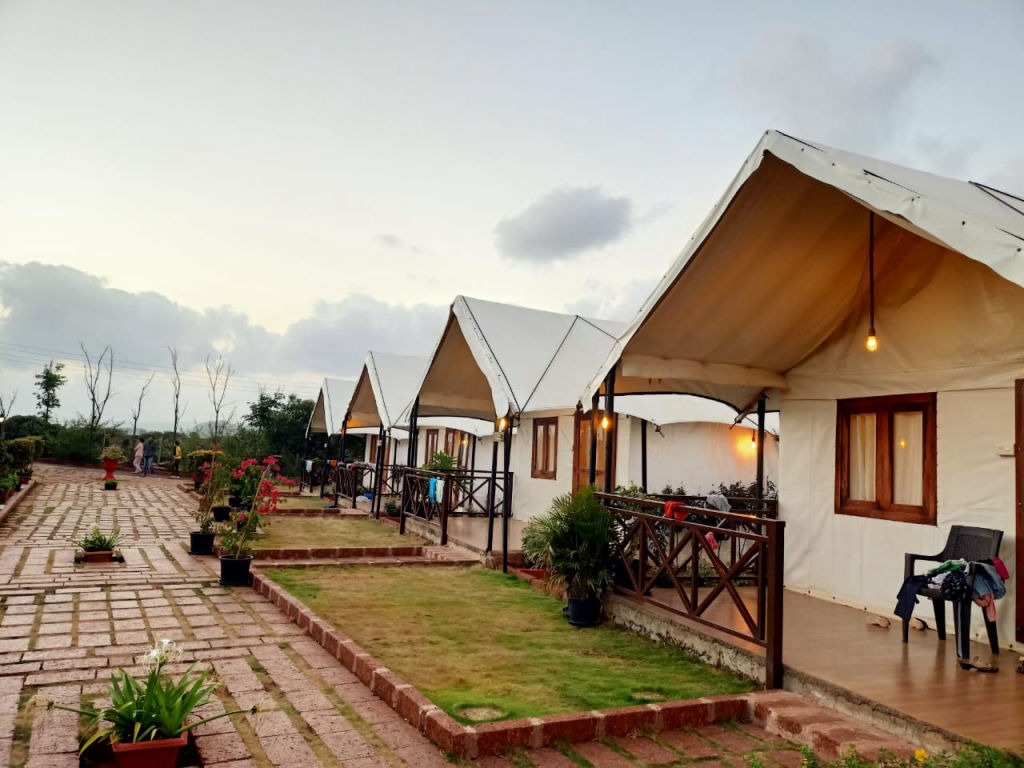
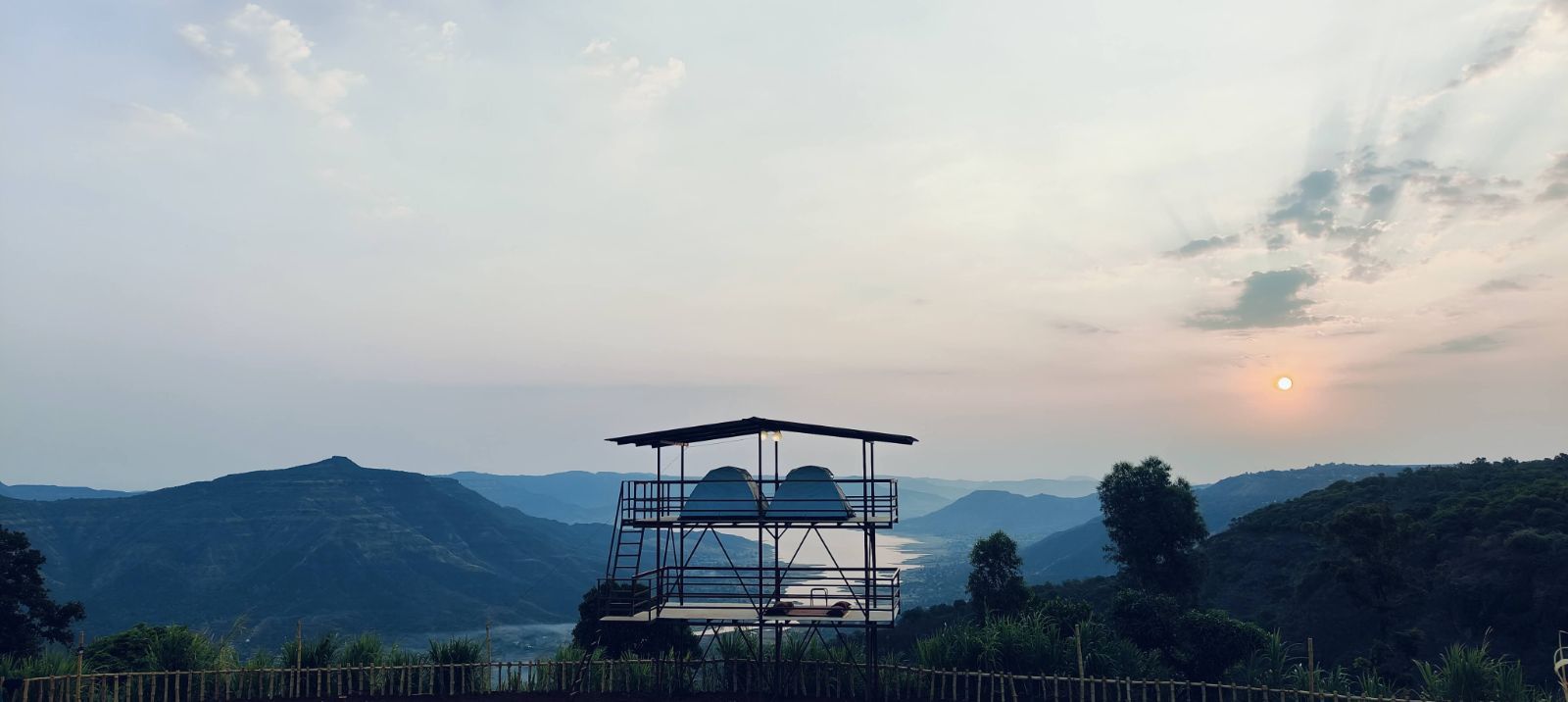
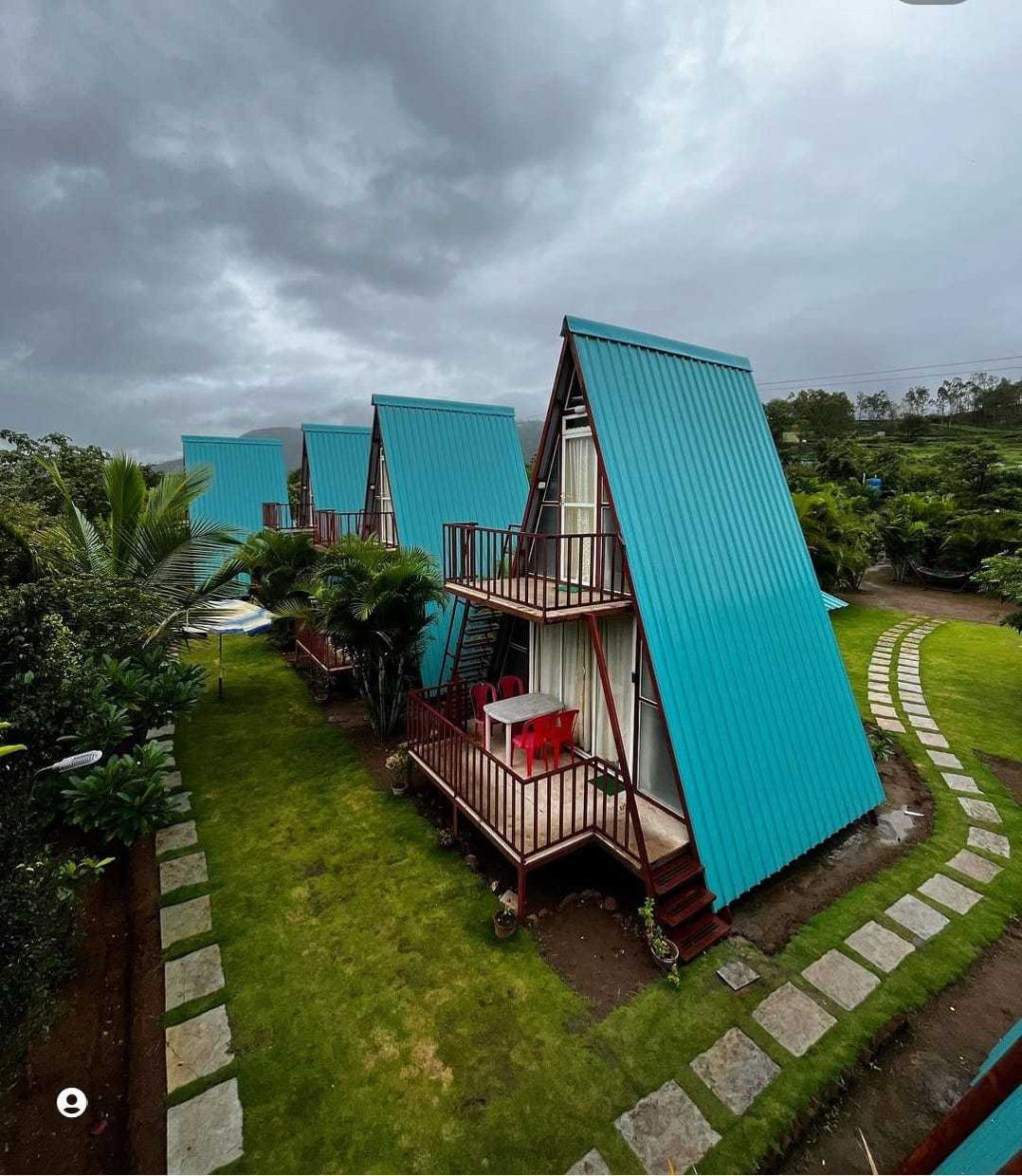
Staying near the Kaas and Jaoli region allows you to wake up to crisp morning air and explore the trails before crowds arrive from nearby cities. Accommodations in the vicinity range from tranquil village homestays to nature resorts dotted along the hill roads and lakeside stretches.
For travellers who prefer spending their nights closer to the outdoors, rustic campsites and eco-friendly stays can be found on HireACamp. Booking in advance is recommended if you plan to visit on weekends during the peak monsoon and wildflower bloom seasons.
Frequently asked questions
Can you walk to the base of Bhambavli Vajrai Waterfall?
While rough trails descend into the valley, local authorities frequently restrict access to the very base during the monsoon due to slippery terrain and flash flood hazards. Visitors can safely enjoy expansive views of the entire three-tiered fall from designated viewpoints near Bhambavli village.
How difficult is the trek to the Bhambavli Vajrai Waterfall viewpoint?
The walk from the village parking area to the main vantage points is moderately easy and suitable for most visitors with basic fitness. It involves gentle climbs along uneven dirt trails that can get muddy and slippery when it rains.
Is Bhambavli Vajrai Waterfall a seasonal waterfall?
The waterfall has a perennial source in the Urmodi River, but its thunderous, high-volume flow is largely concentrated during the monsoon months from July to September. By late winter and summer, the water stream diminishes considerably.
Can I combine a visit to Bhambavli Vajrai Waterfall with Kaas Plateau?
Yes, Bhambavli Vajrai Waterfall is located just a few kilometres from the Kaas Plateau, making it very convenient to explore both destinations in a single day trip.
Where you'll be
Kaas Road, Jaoli, MH · 6 stays nearby shown with prices
Stays near Bhambavli Vajrai Waterfall
Book a place to stay close by
More places near Bhambavli Vajrai Waterfall
Within 20 km


Lists for this area
Ranked by how many creators recommend each place

Built from 0 Instagram posts by 0 creators. Every tip links back to the post it came from, and where creators disagree we show both sides.






