
Kas
Destination in Maharashtra
Kas is a quiet highland hamlet in the Satara district of Maharashtra, perched along the crest of the Western Ghats. It is best known for its proximity to the UNESCO World Natural Heritage-listed Kaas Plateau, which erupts into vast carpets of endemic wildflowers each monsoon. Travellers visit Kas to experience its tranquil lakes, cascading waterfalls, rugged hill forts, and refreshing mountain air.
Getting there
By road
- From Pune3 hr 20 min · 133 km
- From Mumbai 5 hr 50 min · 271 km
- From Nashik7 hr 35 min · 358 km
Typical drive times without traffic. Stations and airports from OLA Maps; distances and typical drive times from OpenStreetMap (© OpenStreetMap contributors); notes from creators' Reels.
About Kas
Written with AI from map data and general knowledge. Check prices and timings locally before you go.
About Kas and its highland setting
Kas is a small village situated high in the Sahyadri mountain range of western Maharashtra, perched above the historical city of Satara. The settlement sits amidst an ancient landscape defined by laterite tablelands, locally called sadas, deep river valleys, and dense patches of semi-evergreen forest. Due to its elevated topography, Kas receives abundant rainfall during the monsoon months, nourishing an extraordinary diversity of flora and fauna that thrive in the mineral-rich basalt terrain.
While Kas was once known almost exclusively as a quiet agricultural and pastoral hamlet, the international recognition of the Kaas Plateau as a protected biodiversity hotspot brought curious naturalists and travellers to its doorstep. Despite this seasonal attention, the village itself retains an unhurried, pastoral way of life. The surrounding hillsides are dotted with traditional stone houses, grazing cattle, and small terraced farms that overlook sprawling water reservoirs.
Things to do in and around Kas
The primary highlight for anyone visiting the area is the Kaas Plateau, located roughly two kilometres from Kas village. During the flowering window, this laterite plateau turns into a kaleidoscope of purples, pinks, yellows, and whites as hundreds of species of wild orchids, insectivorous plants, and tiny ground blossoms emerge. Walking along the designated boardwalks and marked footpaths offers visitors and macro photographers an intimate look at rare plant species that exist nowhere else on the planet.
In addition to the plateau, the nearby Kas Lake offers a tranquil setting for morning walks and peaceful picnics. Created by a heritage masonry dam built over a century ago, the lake is fringed by dense woods where cormorants, kingfishers, and herons often gather along the water's edge. Hiking through the quiet trails branching off the main roads provides panoramic views over the surrounding valleys, hidden woodland streams, and the sprawling catchment areas of the Sahyadri range.
Read more
Forts, waterfalls, and getaways near Kas
The countryside surrounding Kas is rich with natural spectacles and Maratha heritage, making it an ideal base for regional day excursions. Thoseghar Waterfall, situated about thirteen kilometres away, is one of the most magnificent cascades in western India during the monsoon season, thundering down a series of stepped rocky amphitheaters into a forested valley. Perched equally close is Sajjangad Fort, an ancient hill stronghold renowned as the resting place of Sant Ramdas, offering visitors grand views of the surrounding valleys and wind-swept ridges.
Travellers interested in vast water landscapes can head toward Tapola Lake, located roughly ten kilometres from Kas. Often called mini Kashmir for its expansive backwaters formed by the Koyna Dam, Tapola is popular for peaceful boating and scenic shoreline exploration. Closer to the central plains, Kanher Dam and Urmodi Dam View Point provide calm vistas of open water against rolling hill outlines. Heritage lovers can also journey towards the unique Baramotichi Vihir stepwell or the ramparts of Kamalgad and Kenjalgad forts set deeper along the Sahyadri spine.
Best time to visit Kas
The most sought-after time to visit Kas is the late monsoon season, extending from late August through October. This is the period when the wildflower bloom on the plateau reaches its peak, transforming the barren laterite rock into vibrant floral meadows. The ambient weather during these weeks is characterized by drifting mist, light drizzles, and cool breezes, with every nearby stream and waterfall flowing at full capacity.
Winter, lasting from November to February, provides a very different but equally rewarding atmosphere. Although the seasonal flowers dry up to leave golden grassland landscapes, the daytime temperatures are delightfully crisp and the skies remain clear, making it the most comfortable season for fort trekking, photography, and camping. The summer months from March to May are sunny and warm during the midday hours, but the high elevation ensures evenings remain cooler than in the surrounding plains, offering a quiet escape away from peak tourist crowds.
How to reach Kas
Kas is situated in western Maharashtra and is most easily accessed by road through the district headquarters of Satara. Satara sits along National Highway 48, which directly links the region to Pune and Mumbai. From Satara, a scenic and well-maintained ghat road climbs roughly twenty-five to thirty kilometres up the escarpment, passing through lush forest curves and lake vistas before arriving at Kas.
For those travelling by public transit, Satara railway station is the nearest rail connection, with regular trains operating from major cities including Pune, Mumbai, Kolhapur, and Bengaluru. State transport buses and private shared taxis run regularly between the Satara central bus station and the village of Kas. If you are flying in, Pune International Airport is the closest major air hub, located approximately one hundred and forty kilometres away, from where you can hire a private taxi or take a bus southward along the highway.
Tips for your visit to Kas
Because the plateau and its surrounding habitats are fragile ecological reserves, visitors are expected to practice strict conservation etiquette. Walking off designated trails, stepping into the flower beds, or plucking plants is prohibited to prevent soil erosion and seed destruction. Always carry your trash back with you, as plastic disposal options in these highland hamlets are extremely limited.
If you plan to visit during the monsoon season, prepare for sudden and heavy showers by bringing reliable waterproof raincoats, dry bags for electronics, and footwear with strong grip for slippery basalt paths. Because the peak flowering season attracts thousands of weekend sightseers, visiting Kas on a weekday or arriving at the plateau during early morning hours will allow you to enjoy the landscape with far greater calm and avoid heavy road traffic.
Where to stay in Kas
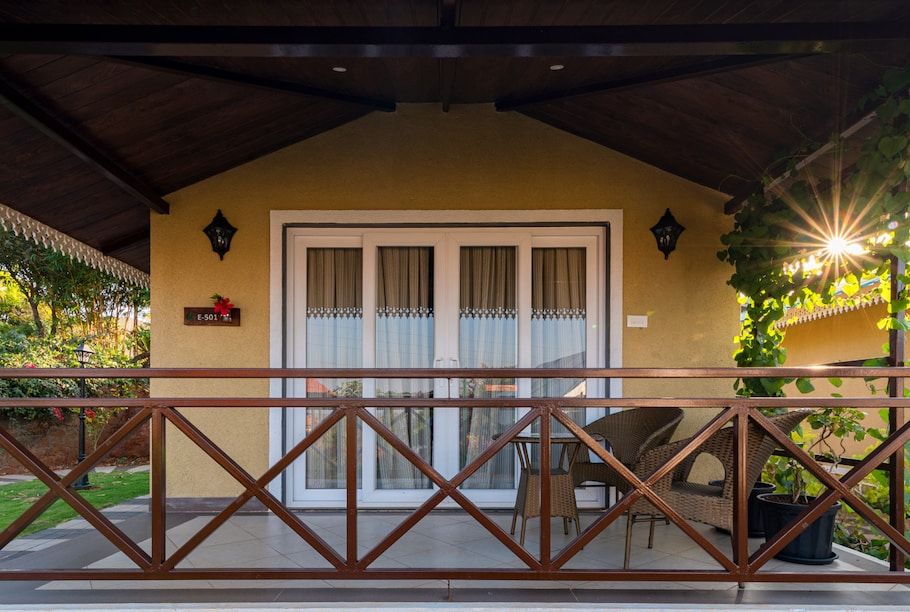
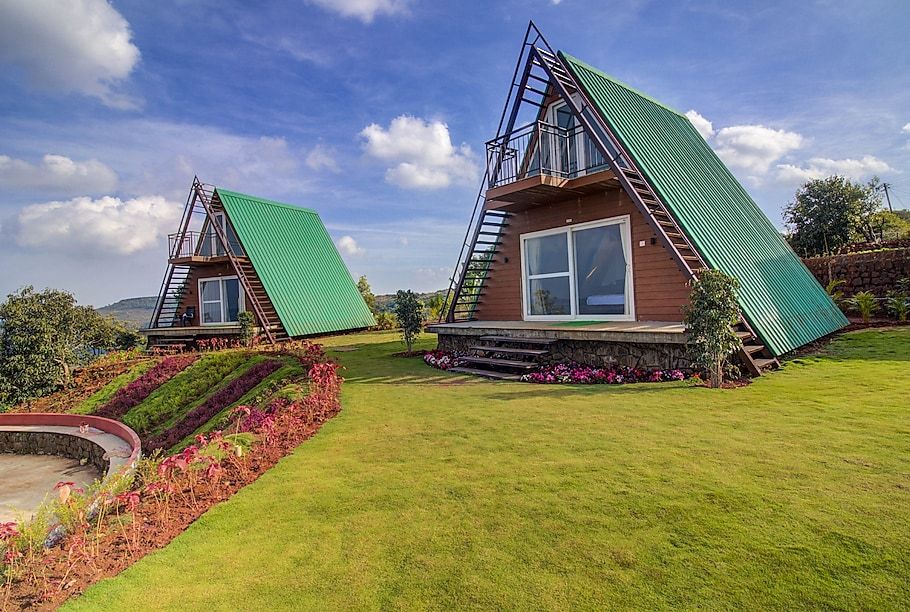
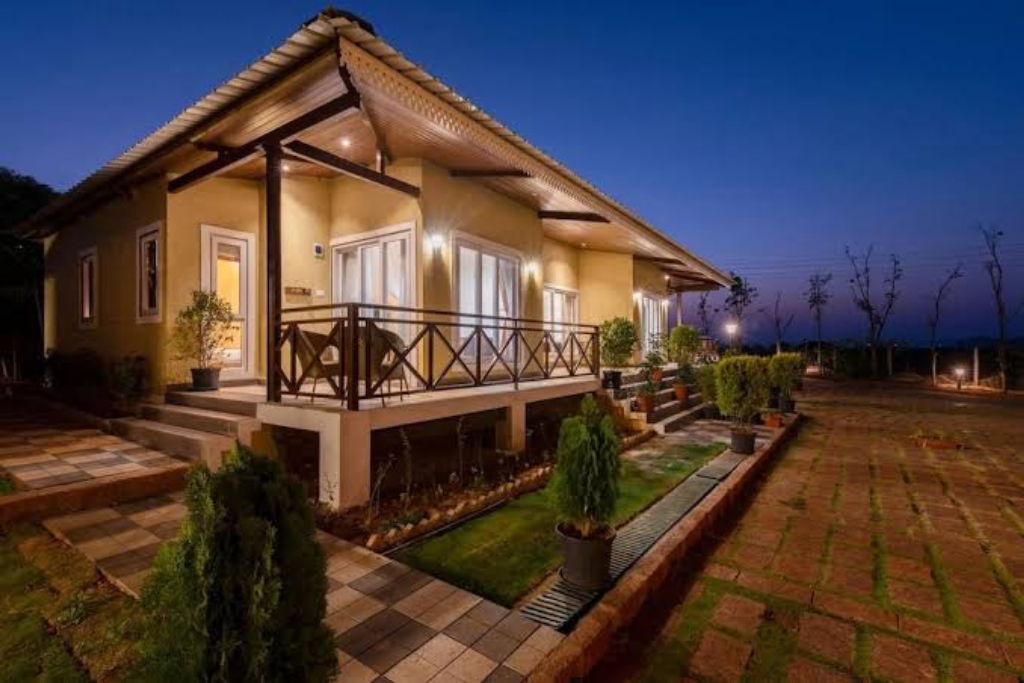
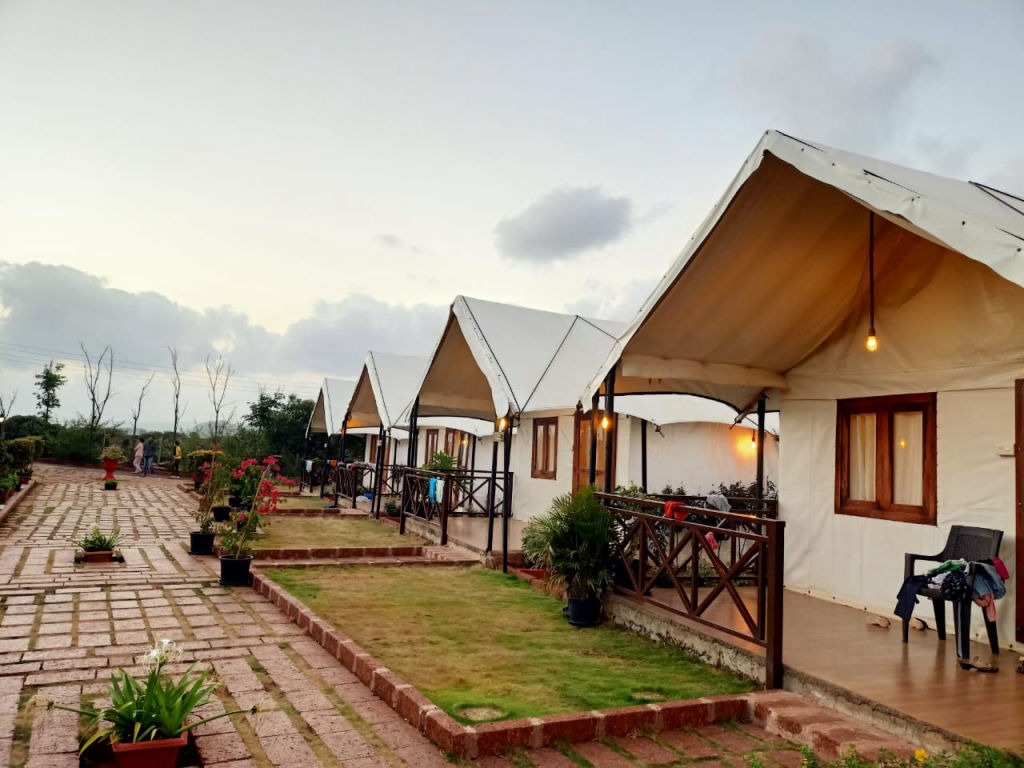
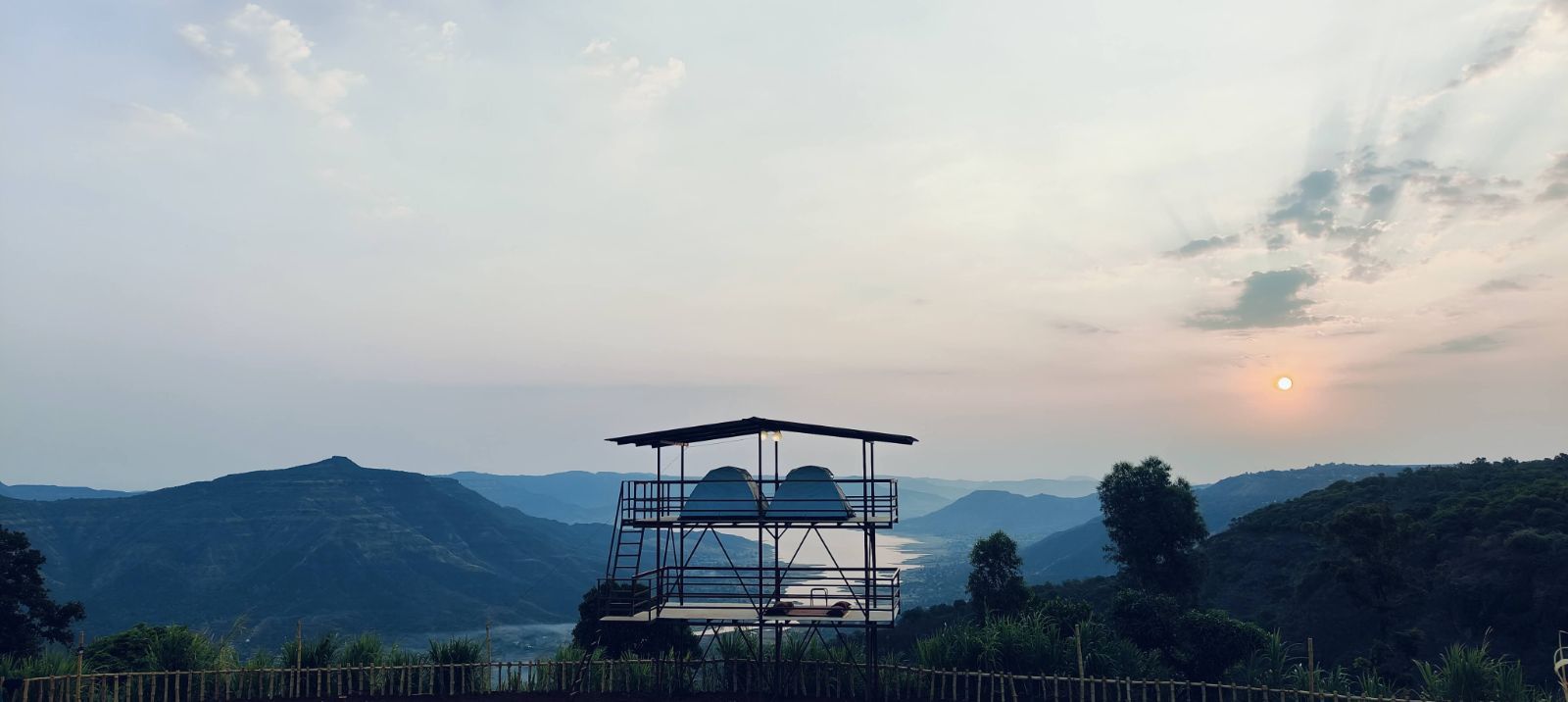
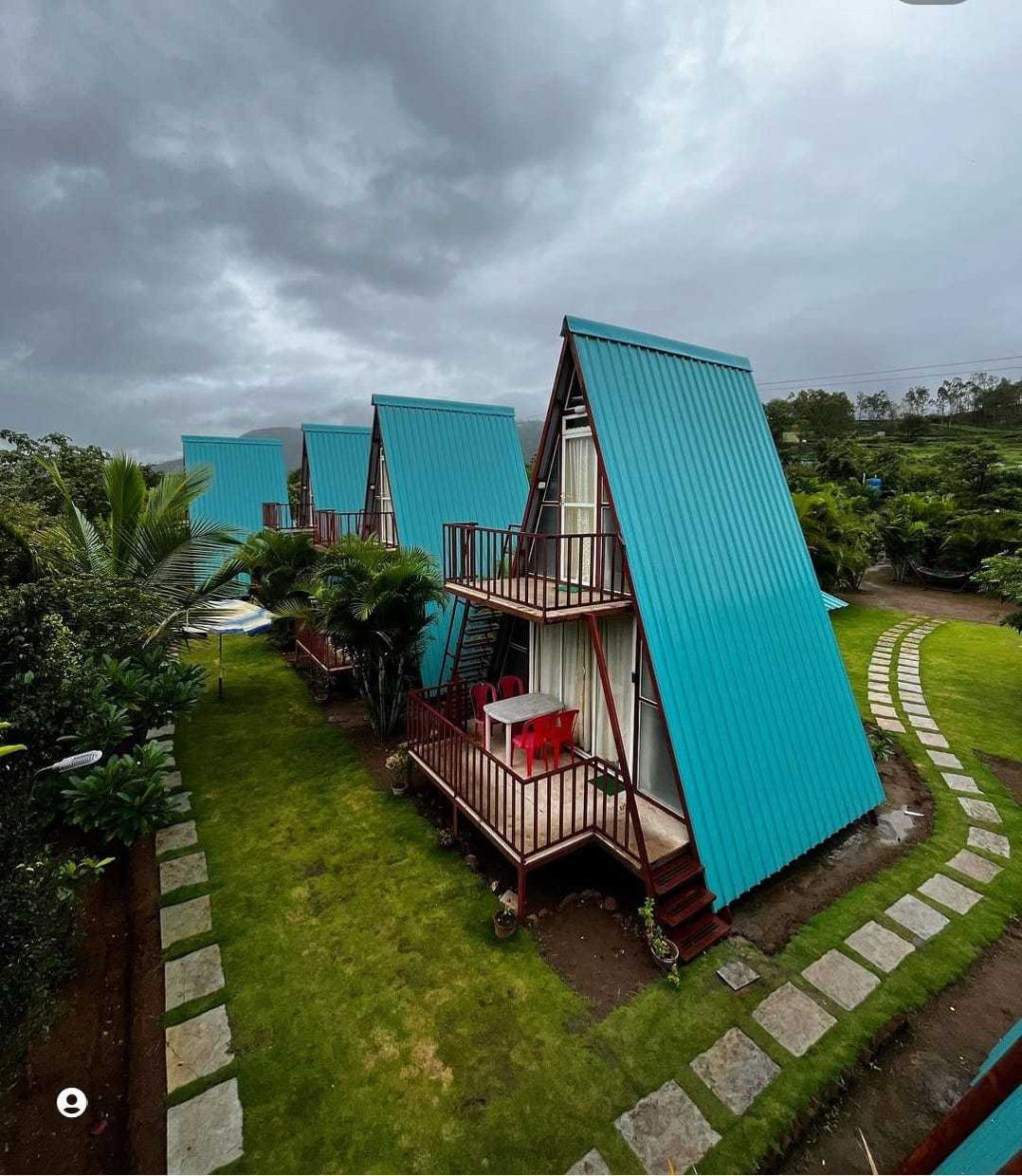
Accommodations around Kas cater primarily to travellers who appreciate nature, stillness, and authentic village hospitality. Rather than crowded commercial quarters, the area features lakeside campsites, rustic agro-tourism retreats, and welcoming family homestays tucked into the forest fringes and farm meadows.
Opting for a stay close to Kas allows you to experience cool mountain mornings, quiet starry nights, and home-cooked regional Maharashtrian food prepared using local millets, seasonal vegetables, and rustic spices. You can explore and book verified campsites, valley-facing cottages, and traditional homestays around Kas on HireACamp to suit your travel plans.
Frequently asked questions
When do the wildflowers bloom at Kas?
The peak wildflower bloom usually takes place between late August and early October, depending on the arrival and pattern of the monsoon rains. Different flower species emerge in sequential waves during these few weeks.
Do I need a prior pass or permit to visit the Kaas Plateau near Kas?
Yes, during the peak flowering season, the forest department limits daily entries to protect the sensitive flora. Travellers should check the official forest portal in advance to confirm reservation requirements and entry formalities.
Can Kas be visited as a day trip from Pune?
Yes, Kas can be visited as a day trip from Pune since it is located roughly one hundred and forty kilometres away. However, starting very early in the morning is recommended to avoid highway traffic and to enjoy the plateau during the quieter hours.
What kind of clothing should I pack for Kas?
During the monsoons, carry dependable waterproof clothing, quick-drying apparel, and sturdy walking shoes with good traction. If you are visiting during winter, pack light woollens or a warm jacket, as night-time temperatures in the hills can drop significantly.
Is food easily available around Kas?
Kas village and the surrounding roads have small local eateries and dhabas serving simple Maharashtrian meals like pitla bhakri, thecha, and thalis. For a wider selection of dining establishments, travellers can stop in the nearby city of Satara.
Where you'll be
6 stays nearby shown with prices
Stays near Kas
Book a place to stay close by
Things to do in Kas
48 places creators recommend within 30 km


Lists for this area
Ranked by how many creators recommend each place

Built from 0 Instagram posts by 0 creators. Every tip links back to the post it came from, and where creators disagree we show both sides.






