Temples near Bhagur
The sacred belt surrounding Bhagur in Maharashtra features ancient pilgrimage shrines, historic stone temples, and riverfront sanctuaries along the Godavari. This curated list covers the most recommended spiritual landmarks within 40 km of Bhagur, ideal for devotees, architecture admirers, and weekend travellers. You can easily plan peaceful darshans and heritage walks starting from this historic region.
Prominent shrines near Bhagur
Trimbakeshwar Jyotirling Mandir stands out as one of the most revered destinations in the area, situated approximately 32 km from Bhagur in the town of Trimbak. Dedicated to Lord Shiva, this shrine is counted among the twelve sacred Jyotirlingas of India and is uniquely known for its lingam representing the trinity of Brahma, Vishnu, and Shiva. Because the temple draws large crowds of devotees, arriving early between 6:00 AM and 7:00 AM on weekdays is recommended to avoid waiting in queues that can stretch between 6 and 9 hours.
In the historic Panchavati quarter of Nashik, about 15 km from Bhagur, Shree Kalaram Mandir is another central spiritual landmark. Built entirely from black basalt stone, this temple is steeped in cultural heritage and lore connected to the Ramayana exile. Nearby, Shree Kapaleshwar Mahadev Mandir Panchvati Nashik overlooks the Godavari River close to Ramkund. It is distinct among Shiva shrines for its absence of a Nandi idol before the sanctum, making it an intriguing stop for both pilgrims and architecture enthusiasts.
Historic architecture from Sinnar to Panchavati
The temple landscape around Bhagur showcases centuries of Maharashtrian architectural evolution. In Sinnar, roughly 18 km from Bhagur, Gondeshwar is an exceptional temple complex dating back between 900 and over 1,000 years to the pre-Mughal era. Its weathered basalt masonry, classic five-shrine layout, and finely carved panels offer a vivid glimpse into the Hemadpanthi craftsmanship of the medieval Deccan.
Closer to the riverbanks of Nashik, several shrines highlight Maratha and Peshwa period design. Naroshankar Temple features fortified river walls and a famous historic Portuguese bronze bell, while Sundar narayan mandir is noted for its Hemadpanthi basalt construction and deliberate astronomical alignment with the rising sun. Travellers can also explore Shree Navshya Ganpati Mandir in Anandvalli and Goraram Mandir in Panchavati, where white marble idols contrast with the dark basalt of Kalaram.
Best time for a temple trip
The cooler months from October through March provide comfortable daytime temperatures for exploring temple complexes and navigating open courtyards. During this period, moving between outdoor sites such as Gondeshwar in Sinnar and the bustling river ghats of Panchavati is pleasant and unhurried.
The monsoon season, extending from June to September, transforms the surrounding Sahyadri hills into vibrant green landscapes. Sites situated near watercourses, including Shri Someshwar Mahadev Mandir along the Godavari and Trimbakeshwar near the base of the Brahmagiri hills, look particularly scenic during the rains. Devotees planning visits during major festive periods should anticipate higher pilgrim turnout and schedule their visits for early morning hours.
Planning your route from Bhagur
Bhagur serves as a practical base for exploring multiple clusters of shrines across the district. A traditional spiritual circuit can be divided across different directions to minimise road travel. One route heads north towards Nashik city and Panchavati, grouping Shree Kalaram Mandir, Shree Kapaleshwar Mahadev Mandir Panchvati Nashik, Naroshankar Temple, and Dutondya Maruti around Ramkund.
A separate westward journey leads along the Trimbak road, linking Trimbakeshwar Jyotirling Mandir with Shri Gajanan Maharaj Temple under the shadow of the Brahmagiri hills. A third detour towards the southeast brings travellers to Sinnar for Gondeshwar. Because local ceremonies, prayer queues, and river rituals follow varying schedules, check locally for daily darshan timings and road conditions before setting out.
Where to stay
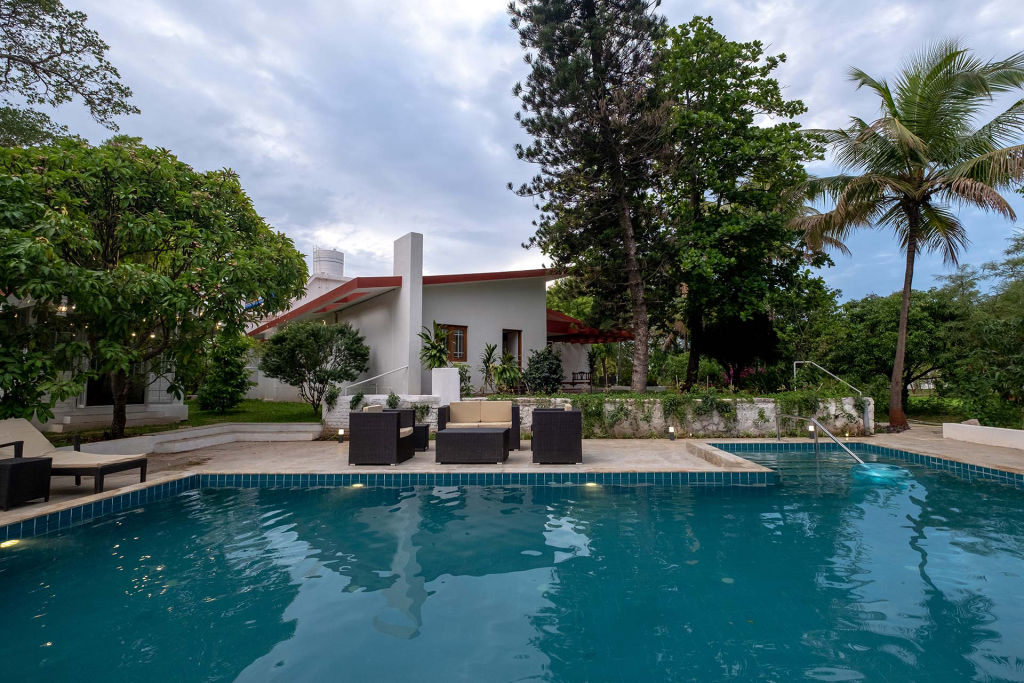
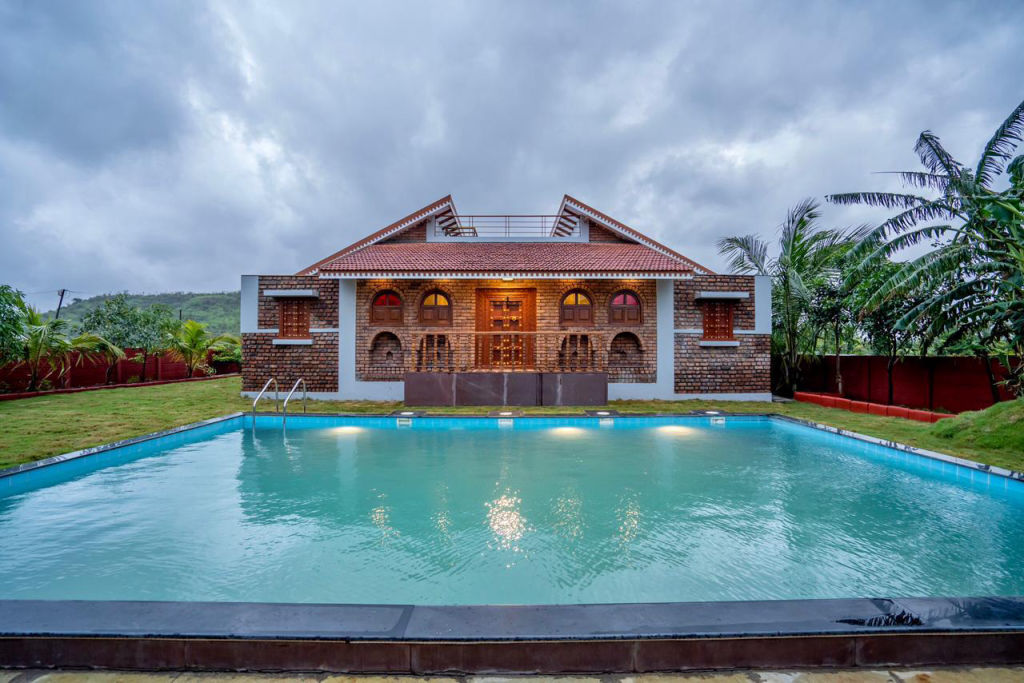
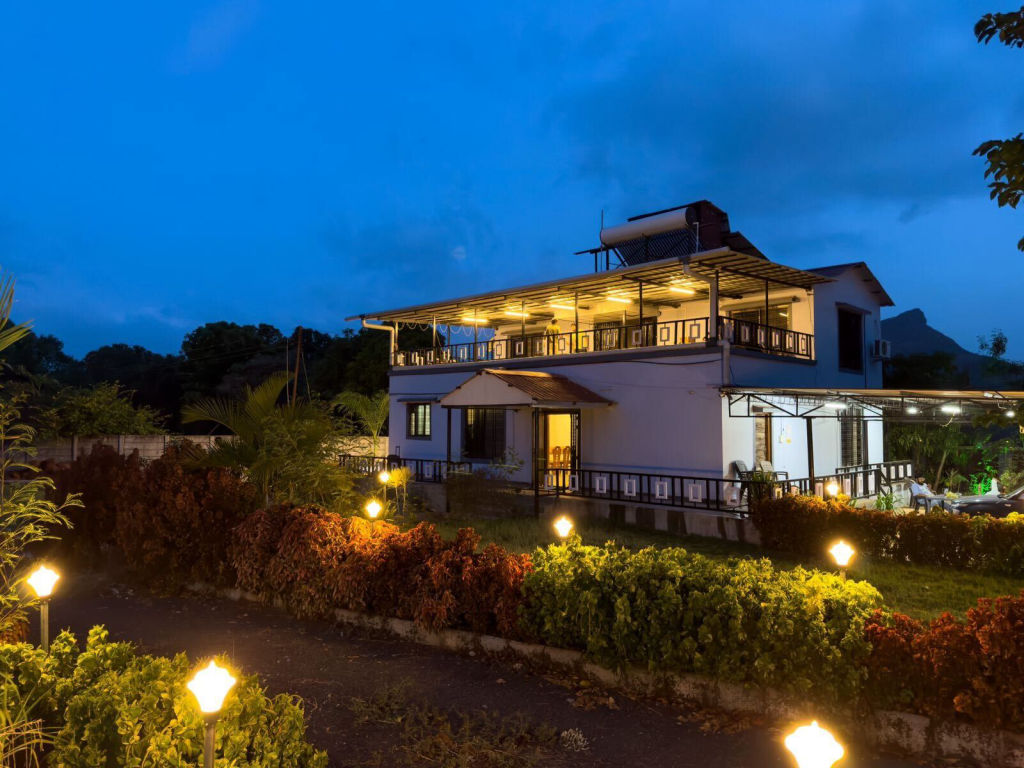
Whether you are embarking on a dedicated pilgrimage or combining temple visits with outdoor exploration in Maharashtra, staying close to nature adds a calming dimension to your journey. You can find rural homestays, peaceful riverside farmstays, and open-air camps nearby on HireACamp. These bases let you avoid congested city lanes, relax beneath starry skies after long days of walking, and reach early morning temple queues with ease.
Written with AI from creators' posts and map data. Check prices and timings locally before you go.
30 places · 23 creator recommendations · Updated today
Ranked by how many independent creators recommend each place, not by who paid. The list updates itself as new posts come in.


Frequently asked questions
How far is Trimbakeshwar Jyotirling Mandir from Bhagur?
Trimbakeshwar Jyotirling Mandir is approximately 32 km from Bhagur. Typical driving times are around an hour under regular traffic conditions.
What is the best way to avoid long lines at Trimbakeshwar Jyotirling Mandir?
Creators recommend reaching the temple early in the morning between 6:00 AM and 7:00 AM on weekdays. This helps visitors avoid queue waiting times that can otherwise last from 6 to 9 hours.
What makes Shree Kapaleshwar Mahadev Mandir in Panchavati unique?
Shree Kapaleshwar Mahadev Mandir is notable because it does not feature an idol of Nandi in front of the sanctum. It is located near Ramkund along the banks of the Godavari River.
Where is the ancient Gondeshwar temple located relative to Bhagur?
Gondeshwar is located in Sinnar, roughly 18 km from Bhagur. The temple is celebrated for its centuries-old Hemadpanthi basalt stonework and classic five-shrine architectural layout.
Can you visit multiple temples in Panchavati in a single day?
Yes, several prominent shrines including Shree Kalaram Mandir, Shree Kapaleshwar Mahadev Mandir Panchvati Nashik, Goraram Mandir, and Naroshankar Temple are clustered near the Godavari River and can be explored together.
Stays near Bhagur
Make a trip of it