Temples near Kaudia Range
The forested landscape around Kaudia Range in Uttarakhand borders some of the most revered mountain shrines and historic places of worship in the Garhwal Himalayas. Ranging from high-altitude Shakti Peethas perched on windy ridges to ancient riverbed cave temples, this region appeals to pilgrims, mountain trekkers, and road trippers. Exploring these temples offers a balance of deep spiritual heritage and commanding Himalayan views.
Top shrines across the mountain ridges
The hills surrounding Kaudia Range are home to sacred sites that sit high on ridges or rest quietly in wooded riverbeds. Tapkeshwar Mahadev Mandir, situated on the outskirts of Dehradun roughly 33 km away, is one of the most frequently recommended shrines in the region. Dedicated to Lord Shiva, the ancient temple sits inside a natural cave where mountain water steadily drips over a sacred lingam beside a flowing river, creating a serene environment along the forested riverbanks.
Closer to Kaudia Range, about 6 km away near Dhanaulti, stands Surkanda Devi Mandir. Situated at an altitude of nearly 2,750 metres, this sacred Shakti Peetha is dedicated to Goddess Parvati and draws travelers seeking both blessings and sweeping panoramas of snow-dusted Himalayan summits. Another scenic pilgrimage walk leads to Bhadraj Temple, situated along the ridgeline west of Mussoorie, around 39 km from Kaudia Range. Dedicated to Lord Balbhadra, it rewards hikers and devotees with broad views stretching across the Doon Valley and the Jaunsar Bawar mountains.
Quiet forest sanctuaries and rural shrines
Beyond the prominent hilltop landmarks, the valleys and ridges around Kaudia Range hold quiet shrines woven into the natural landscape. Koneshwar Temple, also known as Koneshwar Mahadev Temple, sits about 21 km away near Moldhar. Dedicated to Lord Shiva, this tranquil site is reached via a quiet path shaded by dense deodar trees, making it a peaceful stop for travelers who appreciate quiet mountain woods.
Further into the mountain folds near Ghansali, Budha Kedar Temple rests at the confluence of the Bal Ganga and Dharam Ganga rivers, carrying historic associations with the Mahabharata. On a scenic mountain ridge near Tehri, Sem Mukhem Nagraja Temple honors the King of Serpents, sheltered by thick forests of oak, pine, and rhododendron. Perched high on Chandrakoot mountain, Chandrabadni Temple offers another sacred Shakti Peetha experience with open horizons looking across the Garhwal range.
Sacred sites descending toward the valleys
As the mountains descend toward Rishikesh and the lower valleys, several historic temples welcome devotees along the rivers and ridges. Neelkanth Mahadev Temple, located roughly 33 km from Kaudia Range, marks the valley where Lord Shiva is believed to have consumed the cosmic poison, surrounded by steep forested hills. Higher on the ridge overlooking the plains and the winding Ganga, Kunjapuri Devi Temple near Narendranagar is celebrated for sunrise views over the Garhwal peaks.
Closer to the riverbanks in Rishikesh, travelers can visit prominent riverside landmarks such as Trayambakeshwar Temple, known for its iconic thirteen-storey structure, as well as the historic Lakshman Temple. These valley temples offer a vibrant spiritual contrast to the high-ridge shrines found closer to Kaudia Range.
Best time to visit
The temples near Kaudia Range can be visited through much of the year, though each season brings a distinct atmosphere. Summer and autumn months provide clear mountain roads, mild daytime temperatures, and expansive horizon views that are ideal for outdoor walks to hilltop sites like Surkanda Devi Mandir and Bhadraj Temple.
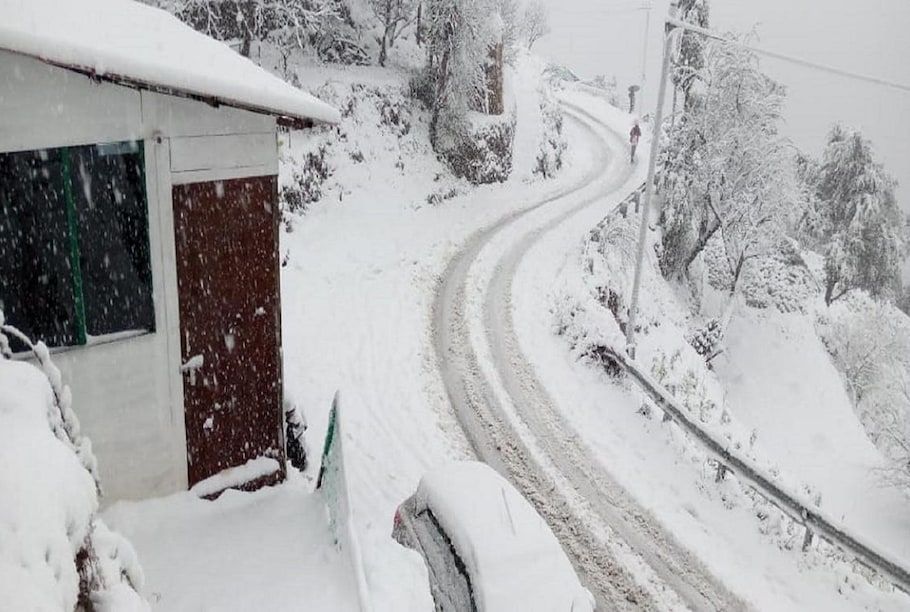
Monsoon months bring lush greenery to the forests and fill the mountain streams around Tapkeshwar Mahadev Mandir, but heavy rainfall can make winding hill roads challenging. Winter brings brisk mountain air and occasional snowfall to higher ridges like Surkanda Devi, offering dramatic views of snow peaks for those prepared with warm layers.
Practical advice for temple visits
Visiting temples in the Garhwal hills often involves modest walks or uphill trails. Comfortable walking shoes with reliable grip are recommended for stone paths and forested tracks around shrines such as Koneshwar Temple and Bhadraj Temple. Since weather conditions can change quickly at high altitudes, carrying light warm layers and rain protection is sensible even on clear days.
Road travel times through the hills can vary depending on gradient, winding bends, and local traffic, so plan journeys with extra time. Modest clothing is expected at all sanctums, and checking local arrangements before setting out for remote rural shrines will help ensure a smooth visit.
Where to stay near Kaudia Range
Travelers exploring the temples near Kaudia Range have access to a variety of scenic accommodations spread across the surrounding hills. Staying close to Dhanaulti, Kanatal, or the outskirts of Mussoorie provides a peaceful base with refreshing mountain air and short drives to forest trails.
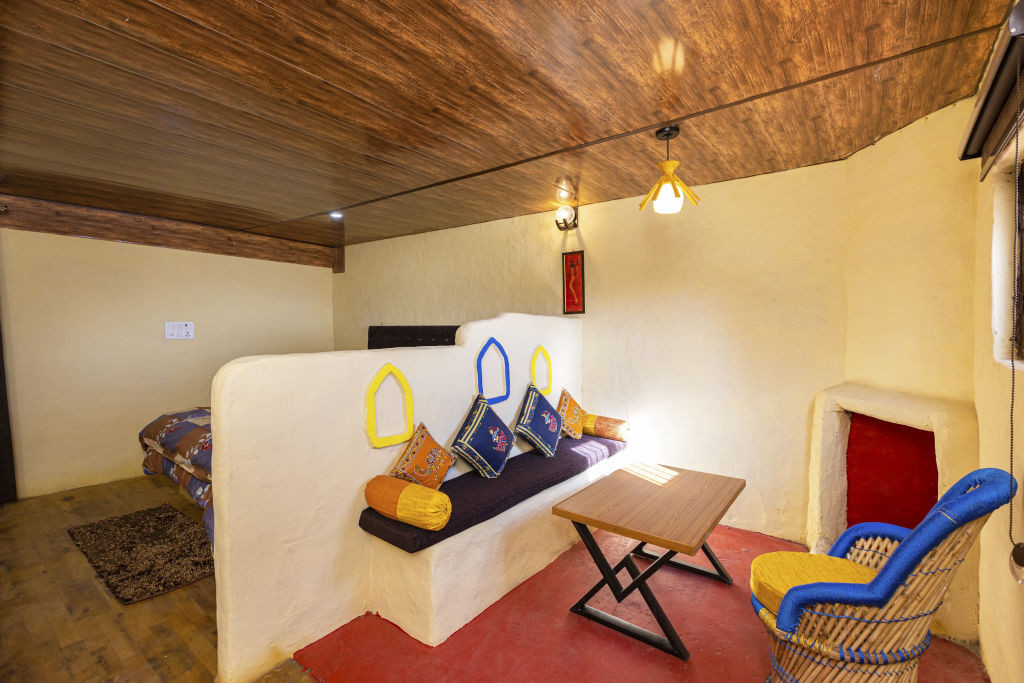
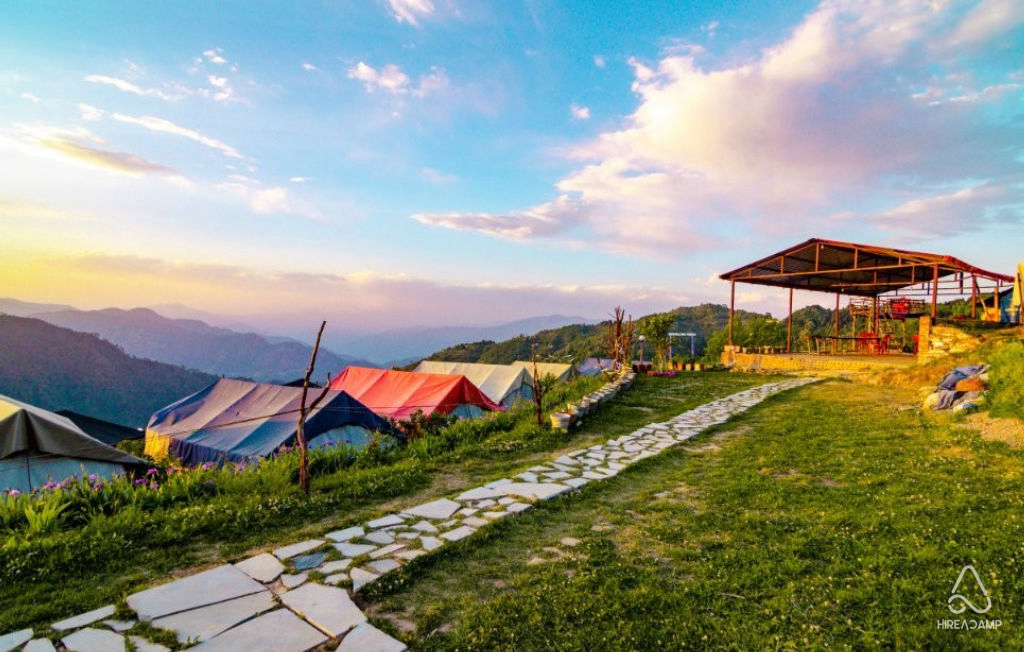
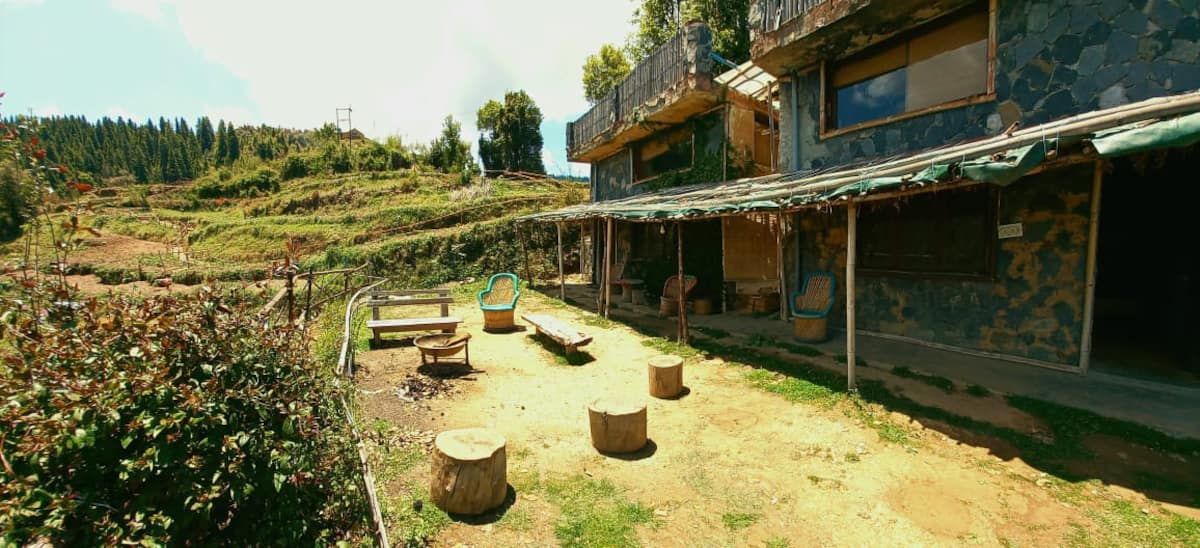
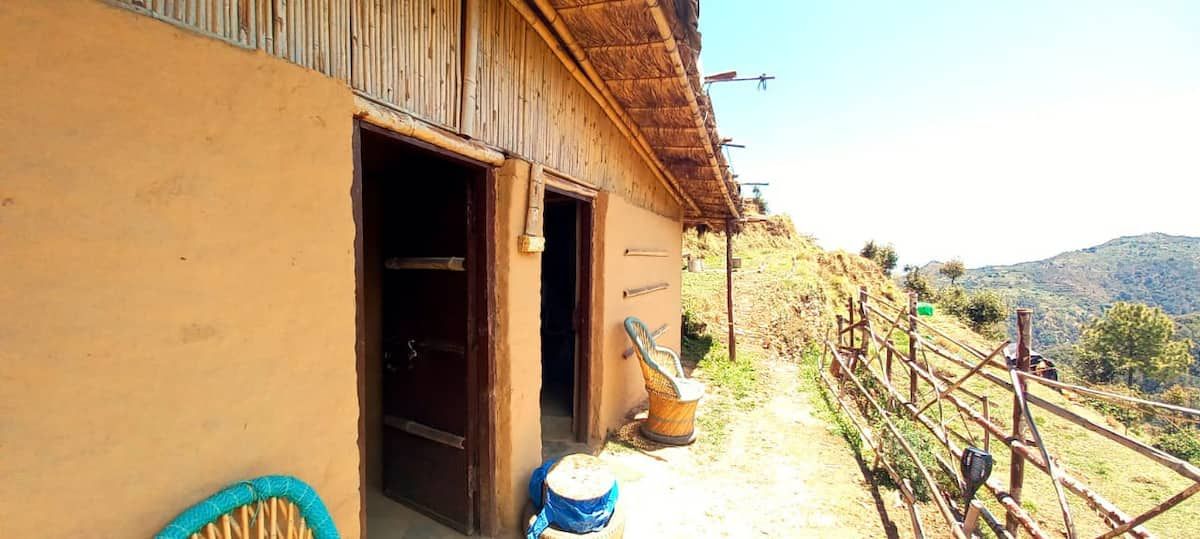
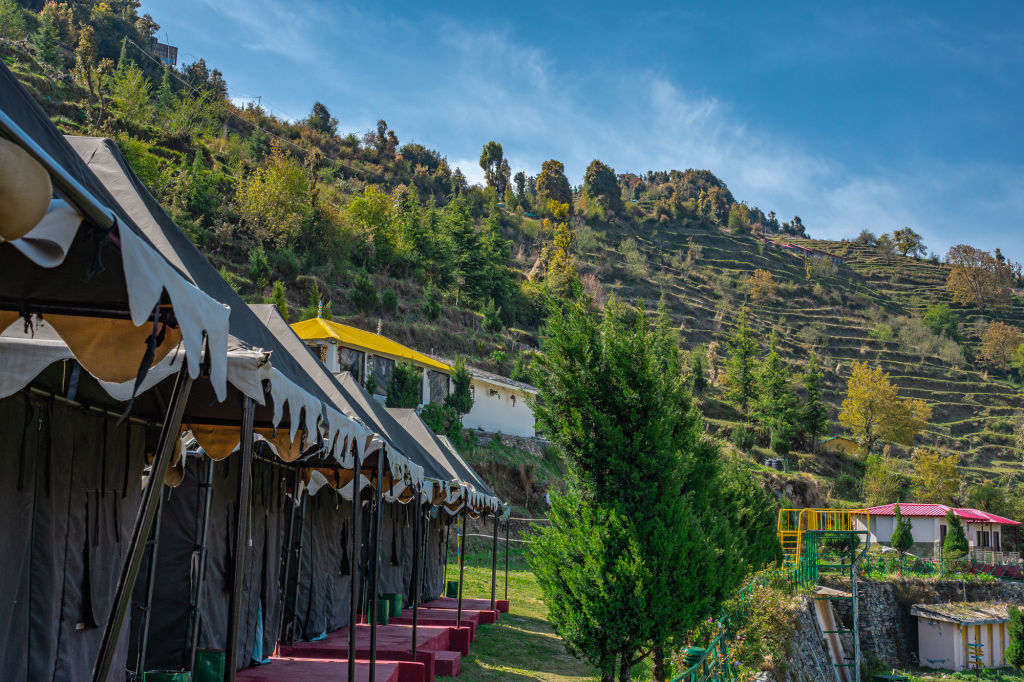
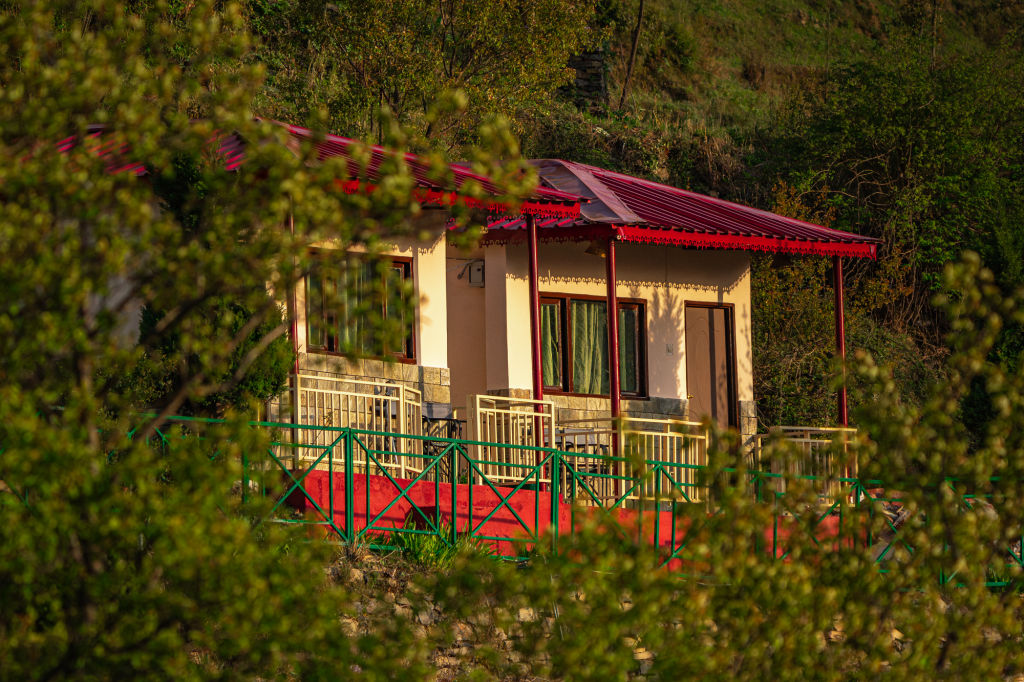
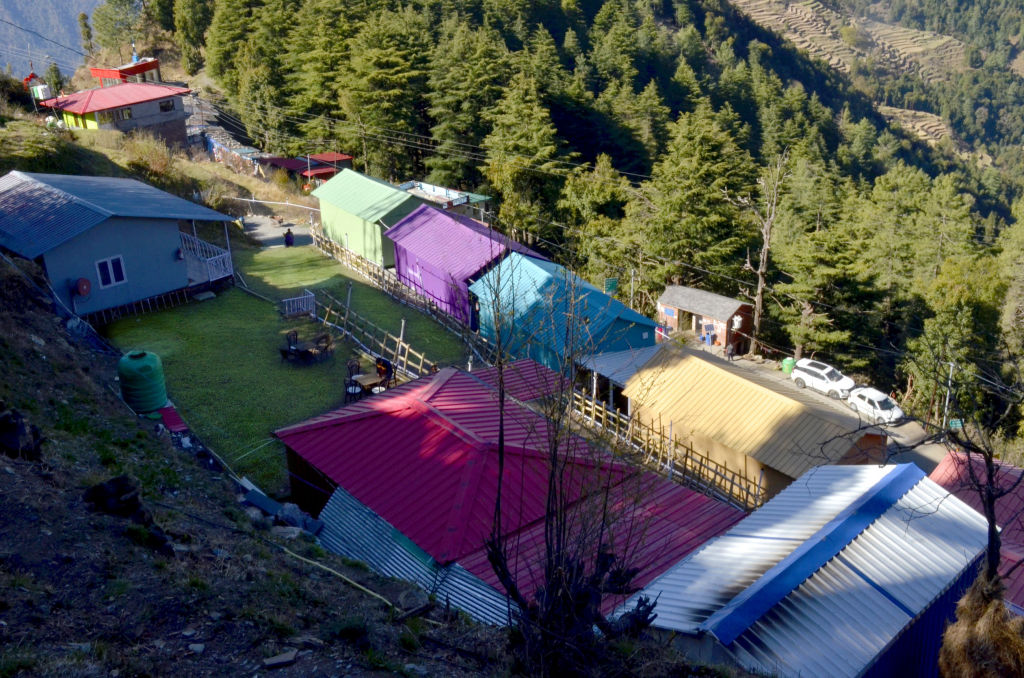
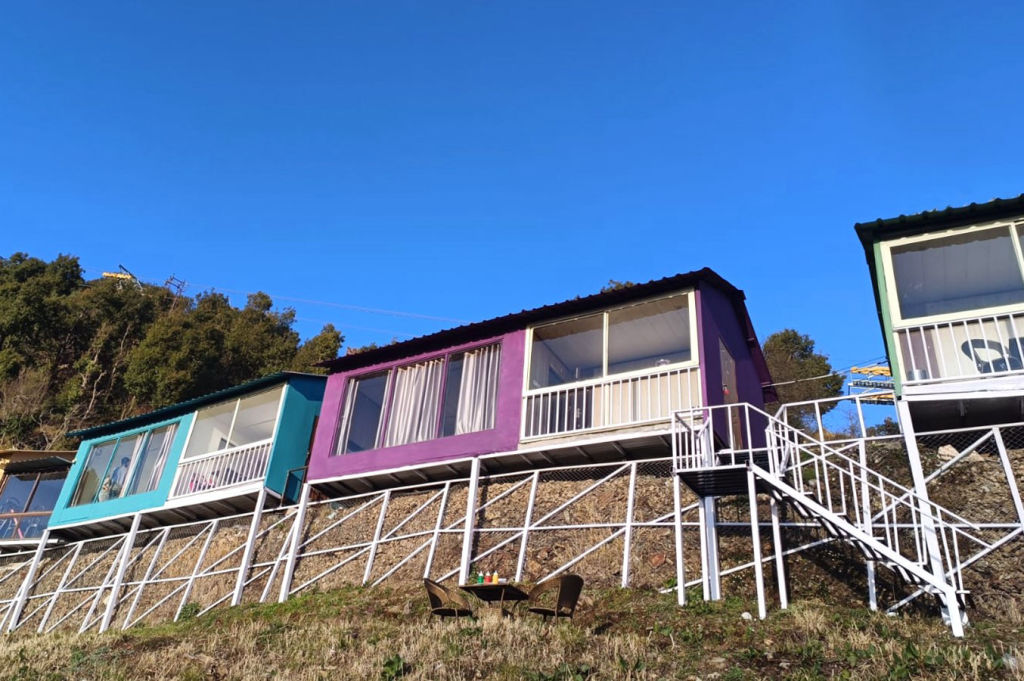
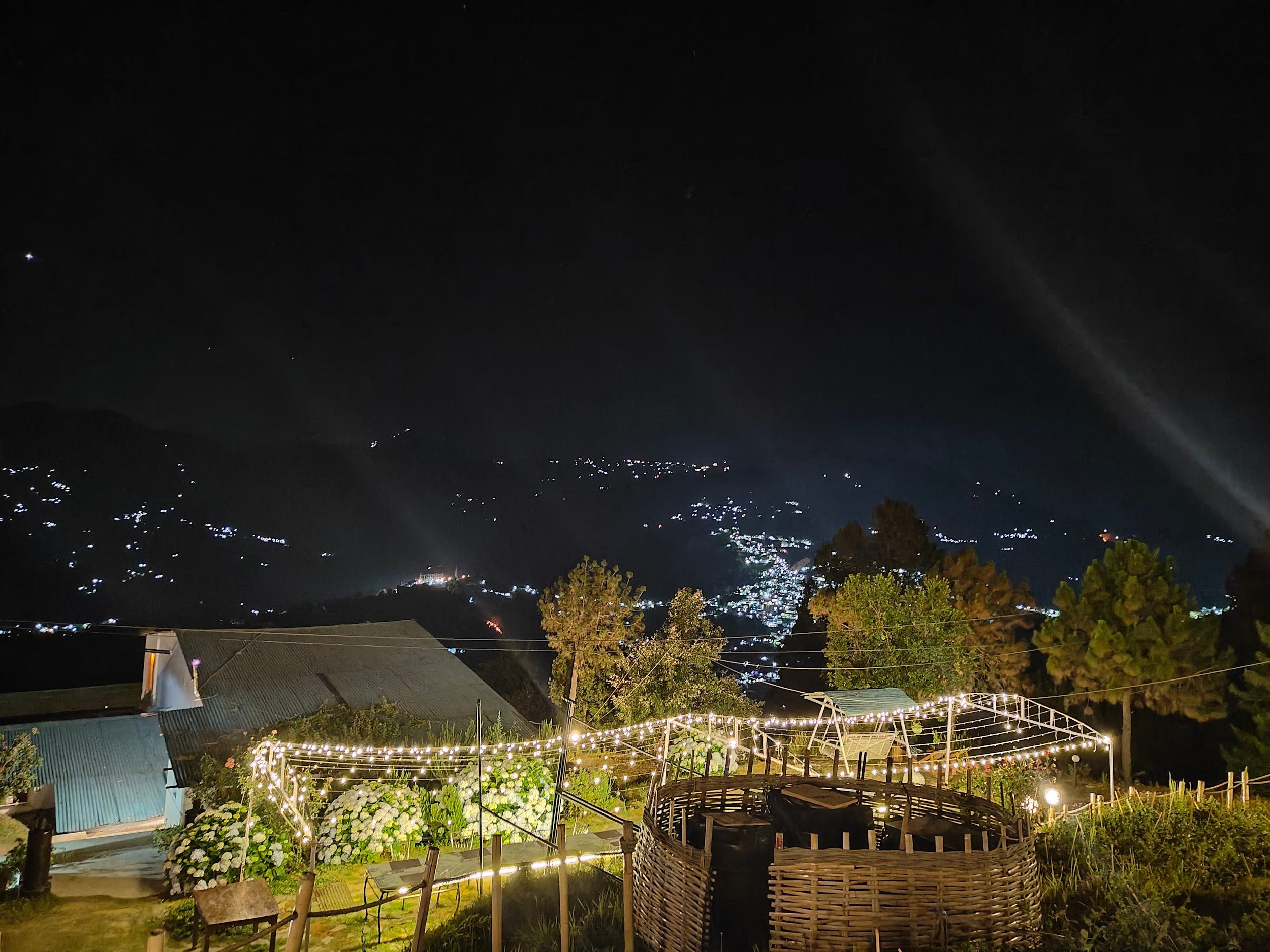
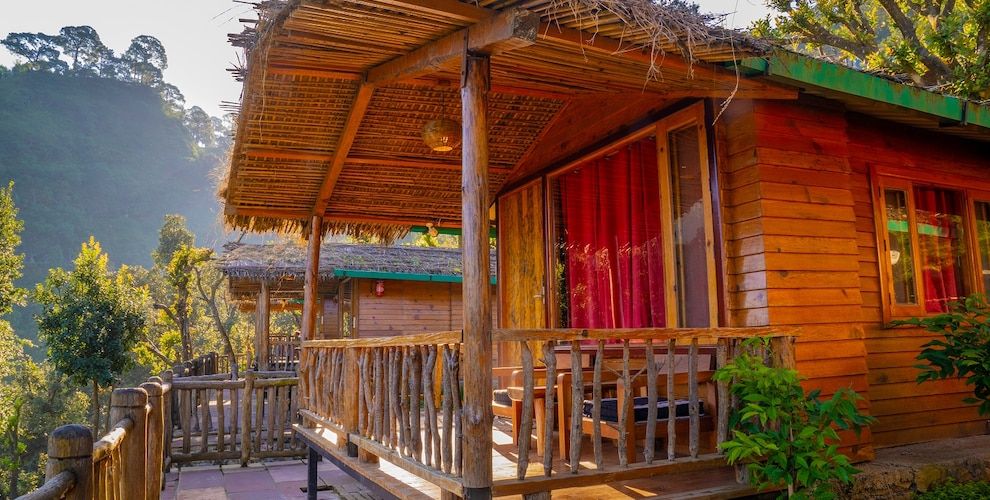
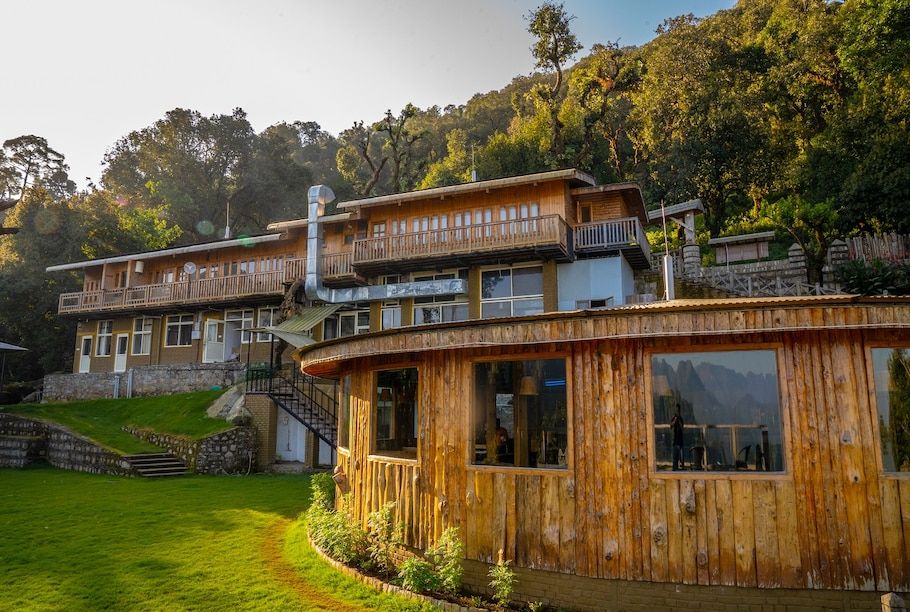
You can find authentic homestays, nature retreats, and tranquil camping options near Kaudia Range on HireACamp. Booking a stay immersed in the local landscape makes it easy to balance early-morning temple visits with relaxed time spent outdoors.
Written with AI from creators' posts and map data. Check prices and timings locally before you go.
30 places · 11 creator recommendations · Updated today
Ranked by how many independent creators recommend each place, not by who paid. The list updates itself as new posts come in.


Frequently asked questions
Which is the closest major temple to Kaudia Range?
Surkanda Devi Mandir is the closest major shrine, located roughly 6 km from Kaudia Range near Dhanaulti. It sits on a high ridge dedicated to Goddess Parvati and offers sweeping panoramic views of the Garhwal Himalayas.
Can I visit Tapkeshwar Mahadev Mandir from Kaudia Range in a day trip?
Yes, Tapkeshwar Mahadev Mandir is approximately 33 km from Kaudia Range on the outskirts of Dehradun, making it accessible as part of a day drive through the lower hills.
Do temples near Kaudia Range require trekking?
Some temples, like Bhadraj Temple and Surkanda Devi Mandir, require walking along ridge trails or uphill pathways to reach the shrine courtyards. Other sites, such as Tapkeshwar Mahadev Mandir, have direct vehicle approaches followed by short walks along stone steps.
What is the best season to explore temples around Dhanaulti and Kaudia Range?
The spring and autumn months, from March to June and September to November, offer comfortable temperatures, clear skies, and excellent visibility across the surrounding mountain valleys.
Stays near Kaudia Range
Make a trip of it