
Nachiketa Taal Temple
Temple near Uttarkashi, Uttarakhand
11 km from Uttarkashi
The nearest town, for stays, food and fuel.
Nachiketa Taal Temple is a tranquil forest shrine situated on the banks of a high-altitude lake in the Uttarkashi district of Uttarakhand. Steeped in the ancient lore of the Katha Upanishad, the site is dedicated to the boy sage Nachiketa and attracts travellers seeking peaceful Himalayan trails and sacred natural spaces. Surrounded by thick oak and rhododendron woodlands, it offers a refreshing walking experience in the Garhwal hills.
Getting there
By road
- From UttarkashiNearest town43 min · 26 km
- From Dehradun4 hr 5 min · 151 km
- From Chandigarh7 hr 25 min · 354 km
- From New Delhi7 hr 40 min · 381 km
Typical drive times without traffic. Stations and airports from OLA Maps; distances and typical drive times from OpenStreetMap (© OpenStreetMap contributors); notes from creators' Reels.
About Nachiketa Taal Temple
Written with AI from map data and general knowledge. Check prices and timings locally before you go.
About Nachiketa Taal Temple
Nachiketa Taal Temple is set along the banks of Nachiketa Taal, a small, natural freshwater lake sheltered deep within the temperate forests of Uttarkashi. The site holds deep cultural and spiritual significance, linked traditionally to the ancient story of Sage Uddalaka and his young son, Nachiketa, who features prominently in the philosophical dialogues of the Katha Upanishad. According to regional tradition, this peaceful lake was created by Uddalaka for his devout son, lending the water and the surrounding grove a revered status.
A small shrine stands right beside the quiet waters of the lake, serving as a dedicated place of worship for local villagers and visiting pilgrims. The temple features modest, traditional mountain architecture that blends effortlessly into the woodland surroundings. The atmosphere is predominantly peaceful, defined by the rustle of leaves, birdsong, and the reflection of surrounding hilltops across the surface of the lake.
The Trek to the Temple
Reaching Nachiketa Taal Temple requires an enjoyable and accessible walk through rich Garhwal forest. The trail typically begins from Chaurangi Khal, a mountain pass connecting the Uttarkashi region with Dhanaulti and Tehri. From the trailhead, visitors follow a well-trodden footpath that winds gently uphill through dense stands of oak, pine, and rhododendron trees.
The trail is generally considered easy to moderate, making it suitable for families, beginners, and seasoned trekkers who want a gentle day out in the woods. Along the way, the thick forest canopy provides shade, while occasional openings between the trees offer sweeping views of layered Himalayan ridges. The walk concludes as the path levels out and opens directly onto the pristine clearing where the lake and temple stand quietly.
Read more
Best Time to Visit Nachiketa Taal Temple
The temple and lake can be visited throughout much of the year, though the experience changes dramatically with the seasons. Spring, from March to late April, is an exceptionally rewarding period as the rhododendron trees burst into vibrant crimson blooms across the trail, painting the forest canopy with bright colour and bringing pleasant walking temperatures.
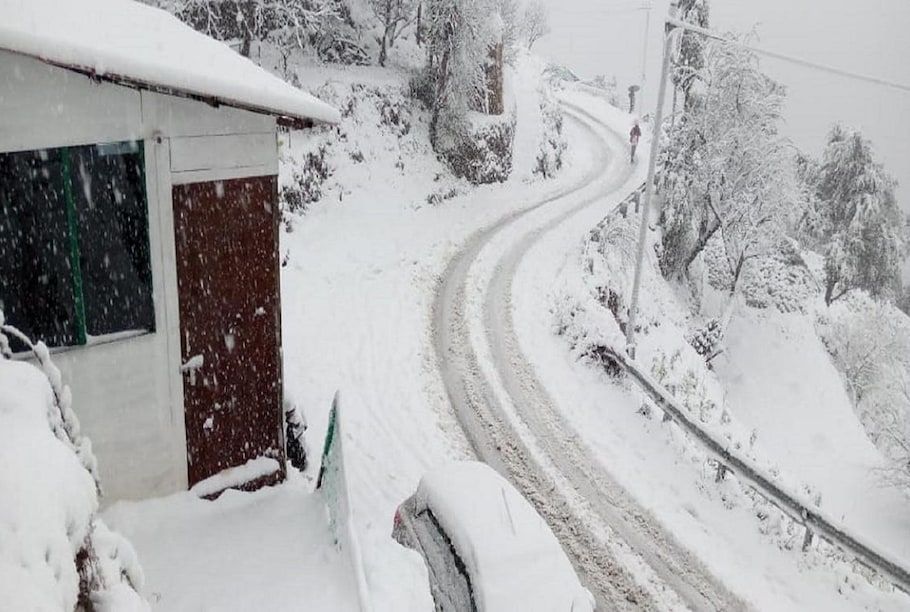
Summer, spanning May and June, offers cool mountain air and clear skies, serving as a welcome escape from the intense heat of the northern plains. Autumn, running from late September through November, provides crisp weather, high visibility, and dry paths, making it ideal for photography and clear views of distant peaks. Winter brings freezing conditions and occasional snowfall between December and February, which blankets the trees and paths in white. While winter visits are scenic, paths can be slippery, so travellers should check local trail conditions before setting out.
How to Reach Nachiketa Taal Temple
The journey to Nachiketa Taal Temple starts from Uttarkashi or the Tehri Garhwal region. Uttarkashi town serves as the primary base for services, supplies, and transit. The closest major railhead and airport are located in Dehradun and Rishikesh, respectively, from where shared taxis, local buses, and private vehicles run along the mountain highways into the Garhwal district.
From Uttarkashi, travellers head toward Chaurangi Khal, which lies along the connecting road toward Lambgaon. At Chaurangi Khal, a marked entrance point indicates the walking trail to the lake. The remainder of the journey must be completed on foot along the forest path. Travellers should arrange return transport beforehand, as regular public transport from the trailhead pass can be infrequent later in the afternoon.
Tips for Your Visit
Because Nachiketa Taal Temple is set inside a delicate natural habitat, preserving the sanctity and cleanliness of the area is vital. Visitors are expected to carry back all personal trash, wrappers, and plastic containers. Swimming in the lake and throwing foreign objects or food into the water is strictly discouraged by the local community to protect the water quality and local ecosystem.
Sturdy walking shoes with reliable grip are recommended, as forest trails can become slick with damp soil, fallen leaves, or frost depending on the season. Carrying drinking water and light refreshments is wise, as there are no shops or commercial stalls located immediately at the lakeside. It is also best to complete the walk and return to the road head well before dusk, as the surrounding forests are home to native wildlife.
Places to Visit Nearby
A visit to the temple can easily be paired with other destinations in the Uttarkashi and Tehri areas. Uttarkashi town itself is home to historic landmarks, including the revered Kashi Vishwanath Temple and walking paths along the Bhagirathi River, where pilgrims gather along stone ghats.
Travellers interested in wider outdoor explorations can venture toward the forested trails around Devalsari or explore high-altitude routes like the Gaumukh Tapovan trek and the Govind Pashu Vihar Wildlife Sanctuary deeper in the district. For those travelling towards the south and west, the mountain settlements of Kanatal and the hilltop shrine of Surkanda Devi offer extensive vantage points across the Garhwal Himalayan range.
Where to Stay
There are no built commercial lodges directly at Nachiketa Taal, which has helped keep the lakeside environment clean and undisturbed. Most visitors choose to stay in or around Uttarkashi, where a wide variety of accommodation is available.
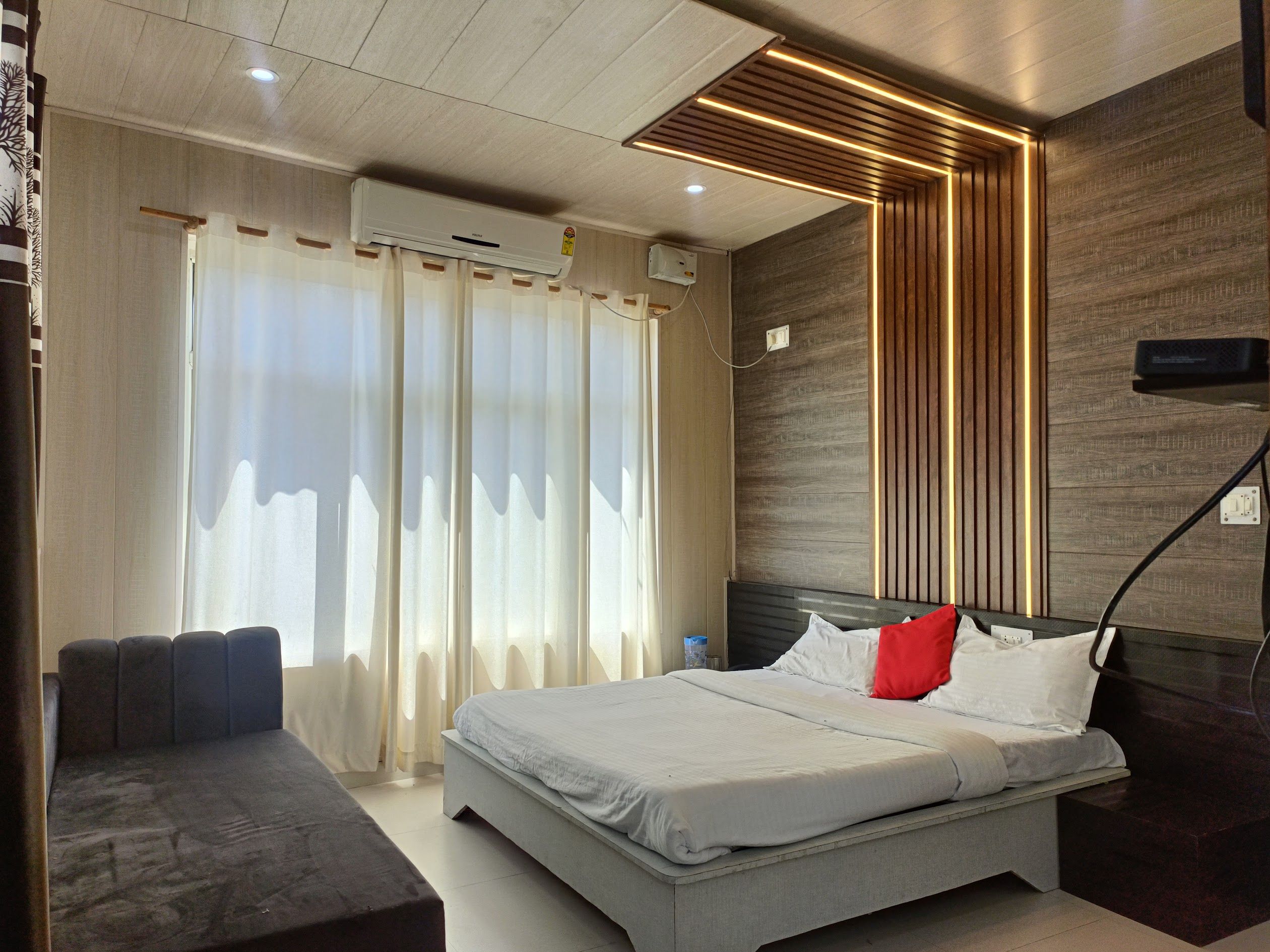
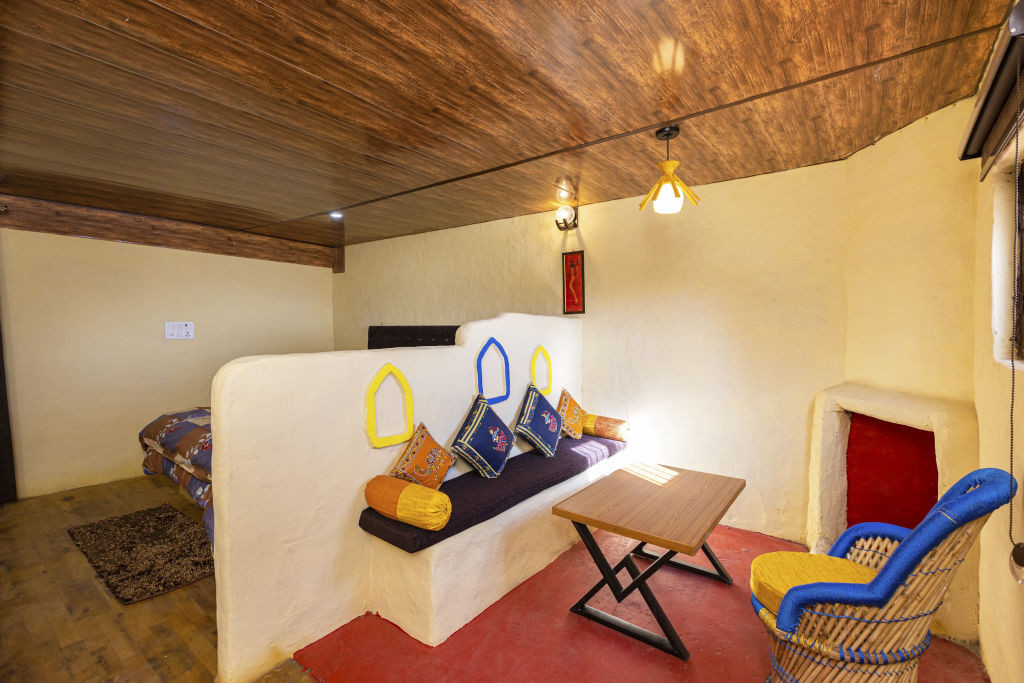
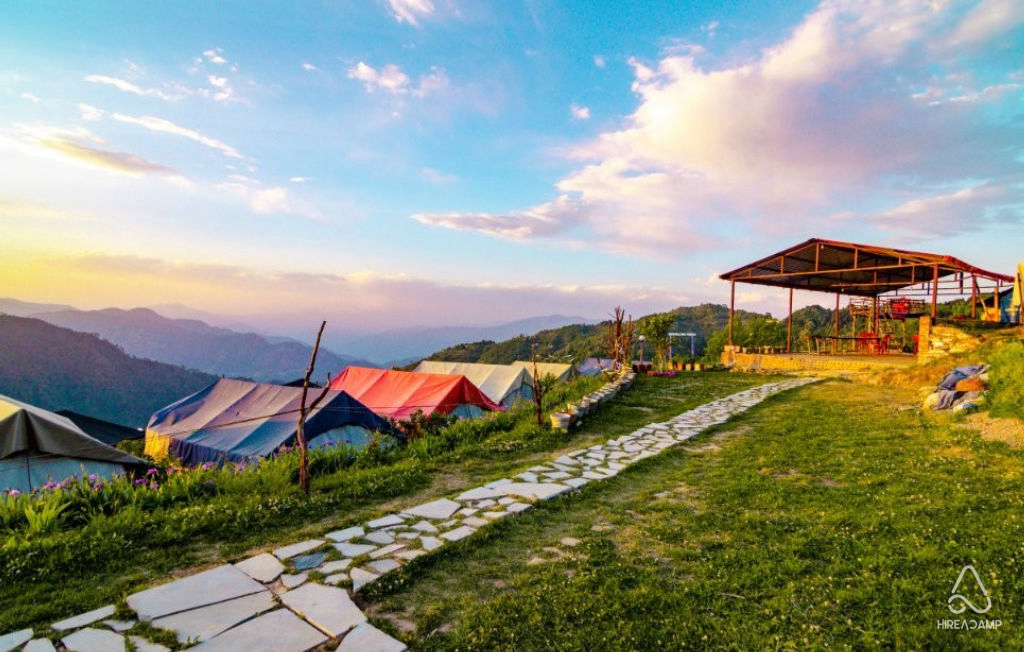
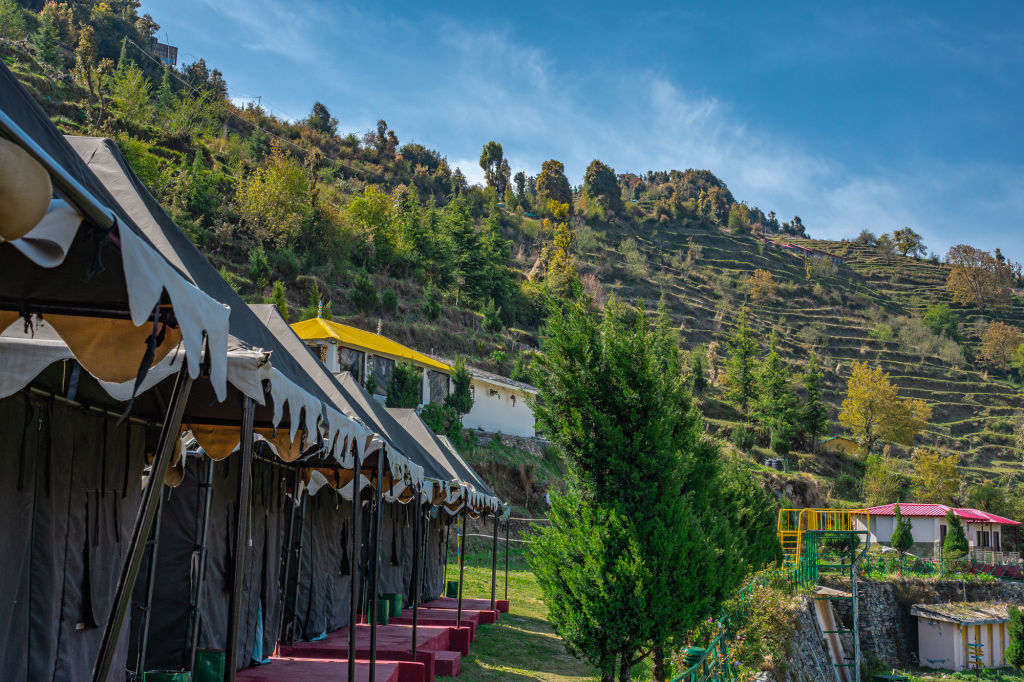
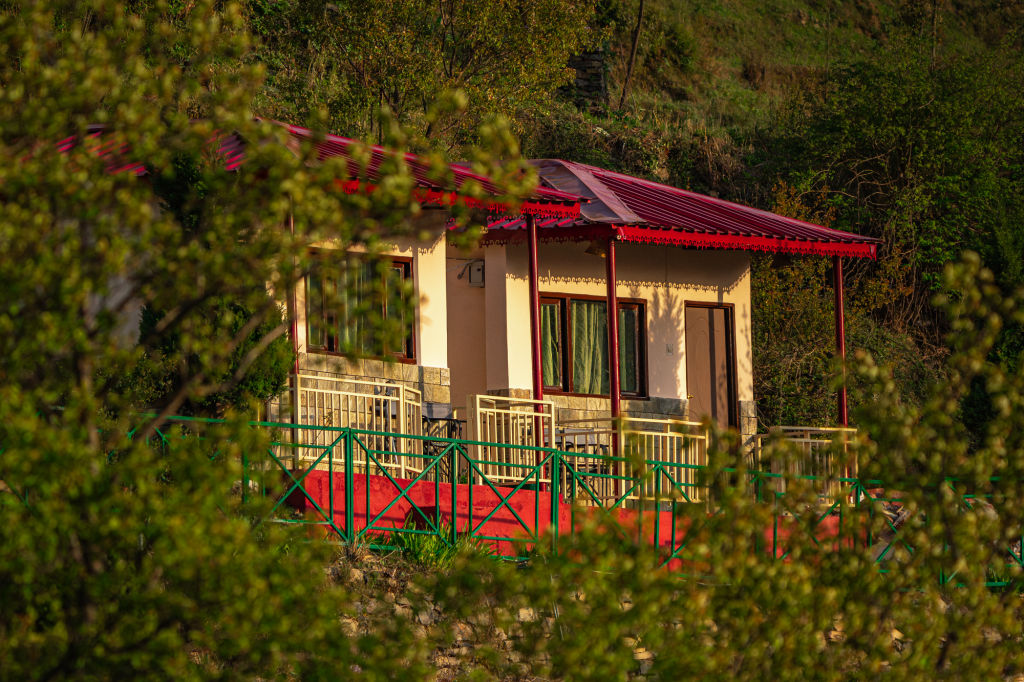
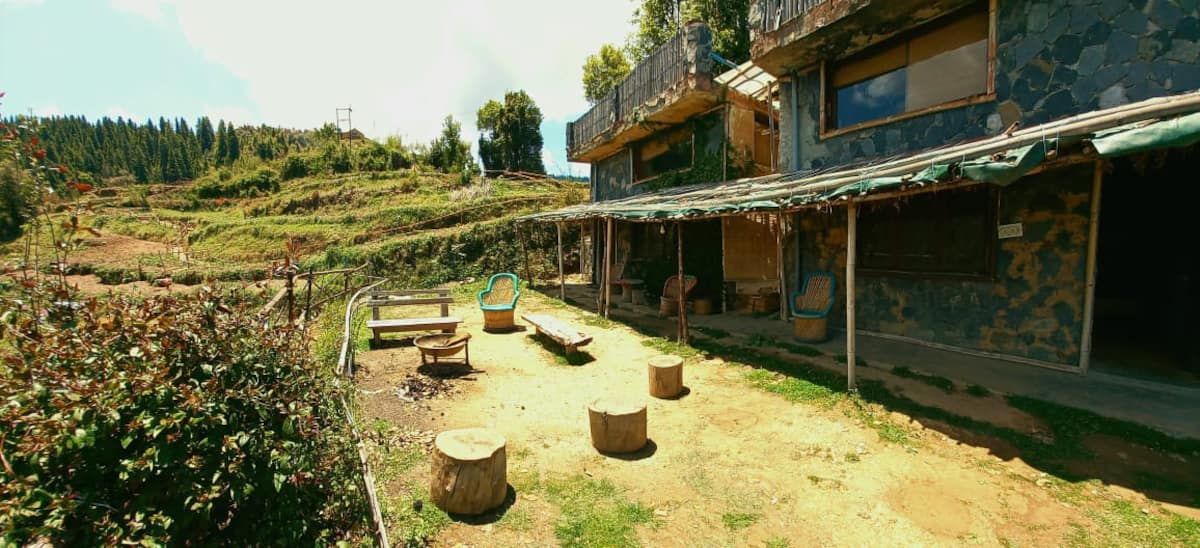
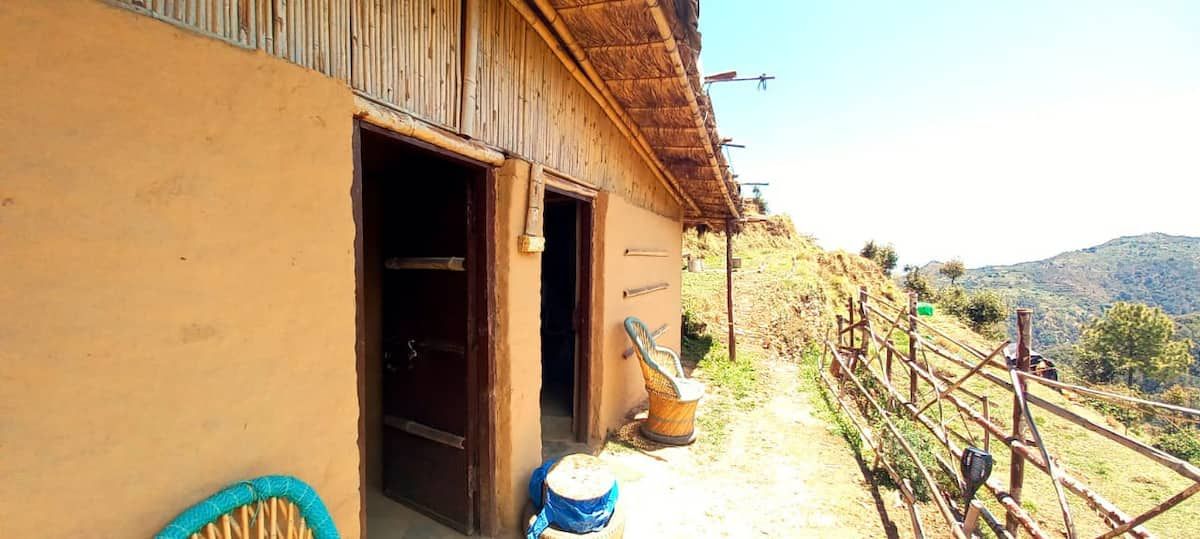
Those looking to stay closer to nature will find homestays and community-run lodgings in the nearby villages, as well as camping setups situated on scenic valley slopes and ridge points. You can discover and book verified camps, homestays, and quiet rural retreats near Uttarkashi on HireACamp.
Frequently asked questions
How long is the trek to Nachiketa Taal Temple?
The trek from the road head at Chaurangi Khal is a gentle forest walk that usually takes between one to two hours at an easy pace.
Can beginners and children do the trek to Nachiketa Taal Temple?
Yes, the trail has a mild gradient and well-defined path, making it well suited for beginner trekkers, families, and casual nature walkers.
Is food and water available at the temple site?
No, there are no commercial eateries or permanent tea stalls beside the lake and temple. Travellers should carry their own drinking water and snacks from the trailhead.
Does it snow at Nachiketa Taal in the winter?
Yes, the area around the lake frequently receives snowfall during peak winter months, particularly between late December and early February.
Can visitors camp next to Nachiketa Taal?
Camping directly beside the lake is generally restricted by forest authorities to preserve wildlife and water purity. Travellers should check local regulations at the forest checkpoint before pitching a tent.
Where you'll be
Trek Route · 8 stays nearby shown with prices
Stays near Nachiketa Taal Temple
Book a place to stay close by
More places near Nachiketa Taal Temple
Within 20 km


Built from 0 Instagram posts by 0 creators. Every tip links back to the post it came from, and where creators disagree we show both sides.






