Temples near Tehri
The rugged ridges and valleys around Tehri are home to sacred shrines deeply rooted in Himalayan folklore and Hindu tradition. This guide covers revered temples near Tehri, spanning hilltop Shakti Peethas with Himalayan panoramas to quiet woodland sanctuaries along the lower Garhwal ranges. It is suited to pilgrims, cultural travellers, and road trippers looking to combine spiritual visits with mountain drives.
Top temple picks around Tehri
Surkanda Devi Mandir stands atop a prominent ridge near Dhanaulti, roughly 15 kilometres from Tehri at an elevation near 2,750 metres. Dedicated to Goddess Parvati, this sacred Shakti Peetha is one of the most frequently recommended sites in the area, offering visitors both deep spiritual significance and panoramic views of snow-draped Himalayan peaks. Further down the mountain systems toward the foothills lies Neelkanth Mahadev Temple, situated about 32 kilometres from Tehri near Rishikesh. Set within forested mountain folds, this shrine commemorates the spot where Lord Shiva is believed to have consumed the poison during the churning of the cosmic ocean, drawing travellers along scenic hill approaches to experience its ornate architecture and devotional atmosphere. Another notable shrine is Koneshwar Temple near Moldhar, approximately 30 kilometres from Tehri, where visitors walk beneath dense deodar trees along a woodland trail to find quiet reflection.
Historic Shakti Peethas and regional shrines
The ridges and river valleys surrounding Tehri shelter several other revered shrines with deep roots in Himalayan tradition. Chandrabadni Temple, situated atop Chandrakoot mountain roughly 4 kilometres from Tehri, is an important Shakti Peetha dedicated to Goddess Sati that rewards visitors with sweeping views across open mountain horizons. Near Narendranagar, approximately 26 kilometres away, Kunjapuri Devi Temple sits high on a ridge offering vistas that span from high Garhwal peaks on one side to the winding course of the River Ganga across the plains on the other. Travellers interested in regional folklore can also visit Sem Mukhem Nagraja Temple, dedicated to the King of Serpents and surrounded by oak and rhododendron forests, or Budha Kedar Temple near Ghansali, which rests at the confluence of the Bal Ganga and Dharam Ganga rivers with heritage tied to ancient epics.
Best time of year to visit
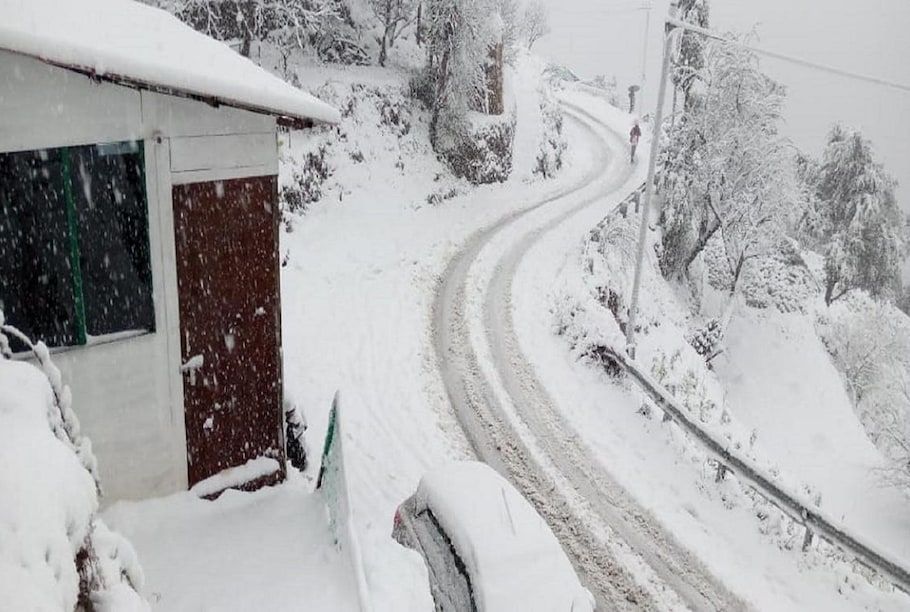
The climate of Tehri Garhwal makes temple visits possible across most of the year, though each season offers distinct conditions. Spring and early summer, from March through June, bring mild temperatures, blooming mountain flora, and clear weather that suits road travel and hill walking. Autumn, particularly October and November, is widely favoured for its crisp mountain air and exceptional visibility, allowing travellers at vantage points like Surkanda Devi and Chandrabadni to see distant snow-clad ranges with great clarity. Winter brings colder temperatures and occasional snowfall to higher elevations near Dhanaulti, creating striking mountain landscapes for those prepared with heavy woollens. The monsoon months of July and August turn the valleys vivid green, though travellers during this period should account for potential rain-related road delays on winding mountain passes.
Practical tips for hill shrine visits
Planning a temple trip around Tehri requires sensible preparation for mountain terrain and elevation changes. Several shrines, including Surkanda Devi Mandir and Kunjapuri Devi Temple, involve walking uphill along stone steps or paved pathways from the roadhead, making comfortable walking shoes essential. Because weather in the Garhwal Himalayas can shift swiftly, it is wise to dress in layers and carry a light jacket even during warmer months. Remember that drive times between hill destinations are approximate and subject to winding mountain roads, so allow extra time in your itinerary rather than rushing between sites. To protect the fragile Himalayan environment, carry a reusable water bottle, pack out all personal waste, and consult local residents upon arrival regarding daily prayer timings or regional festival gatherings.
Where to stay near Tehri
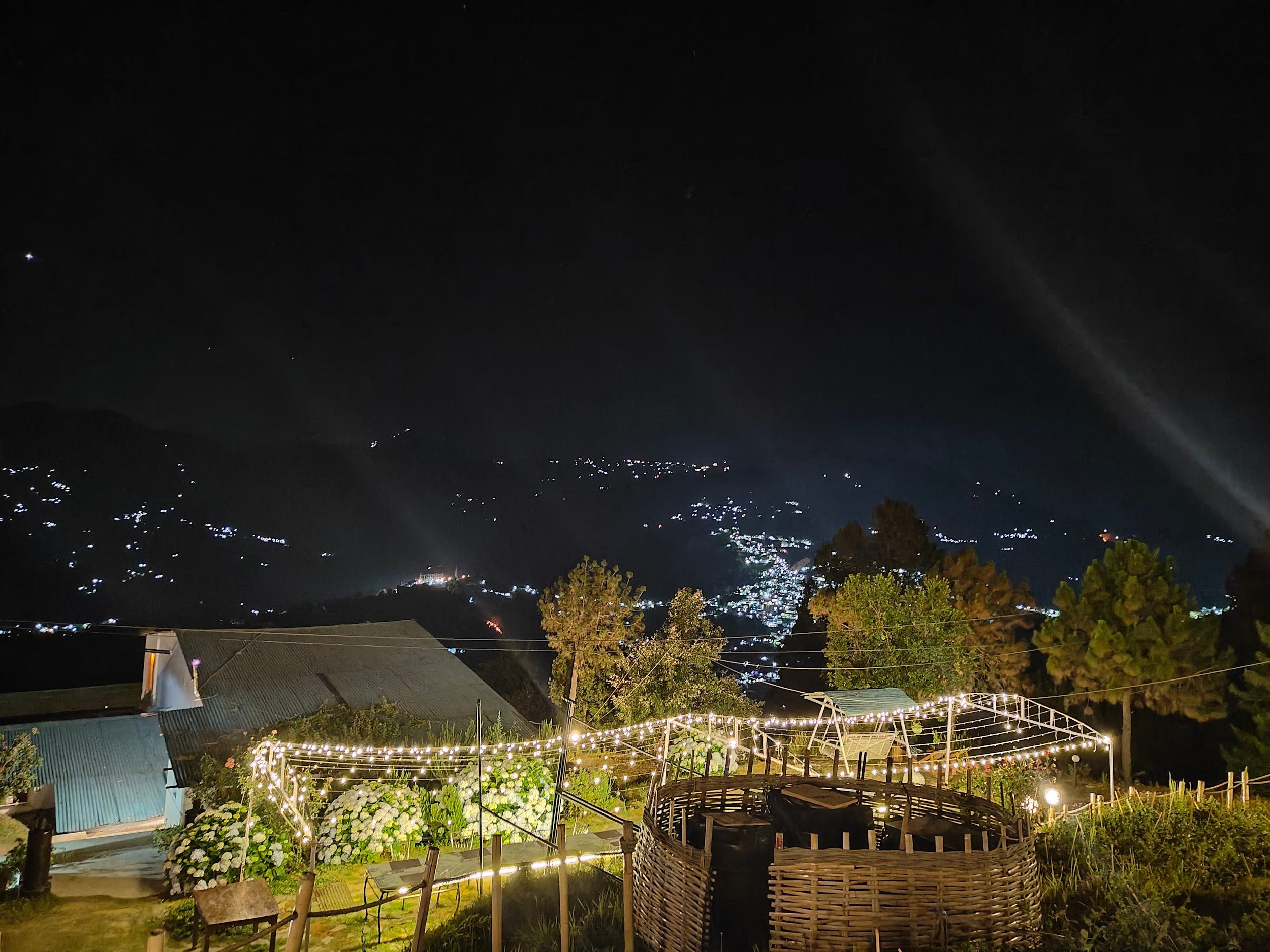
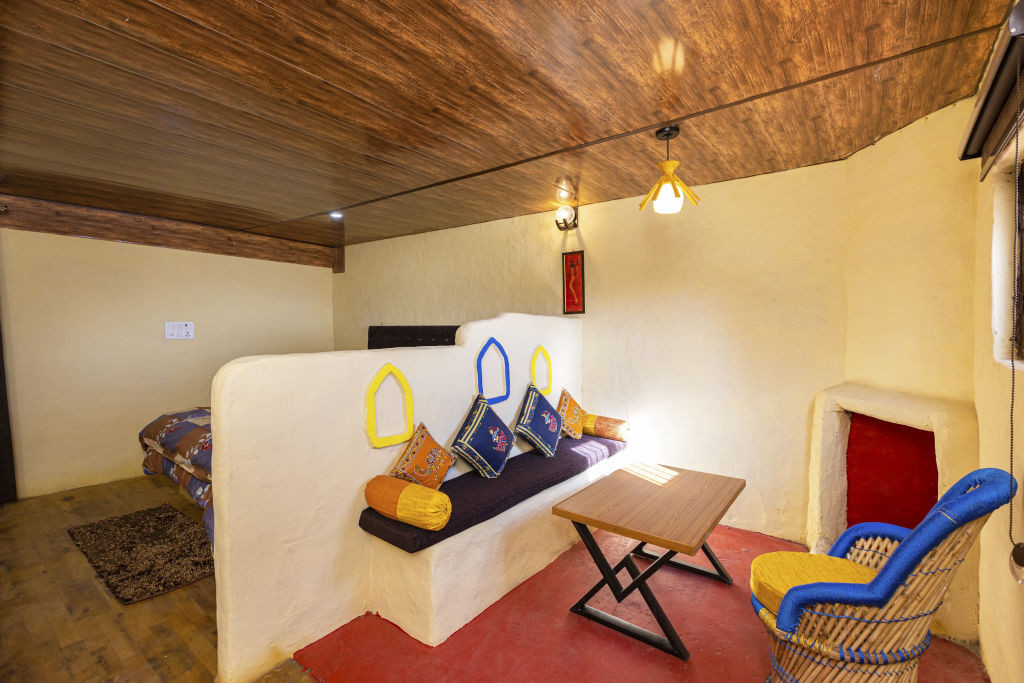
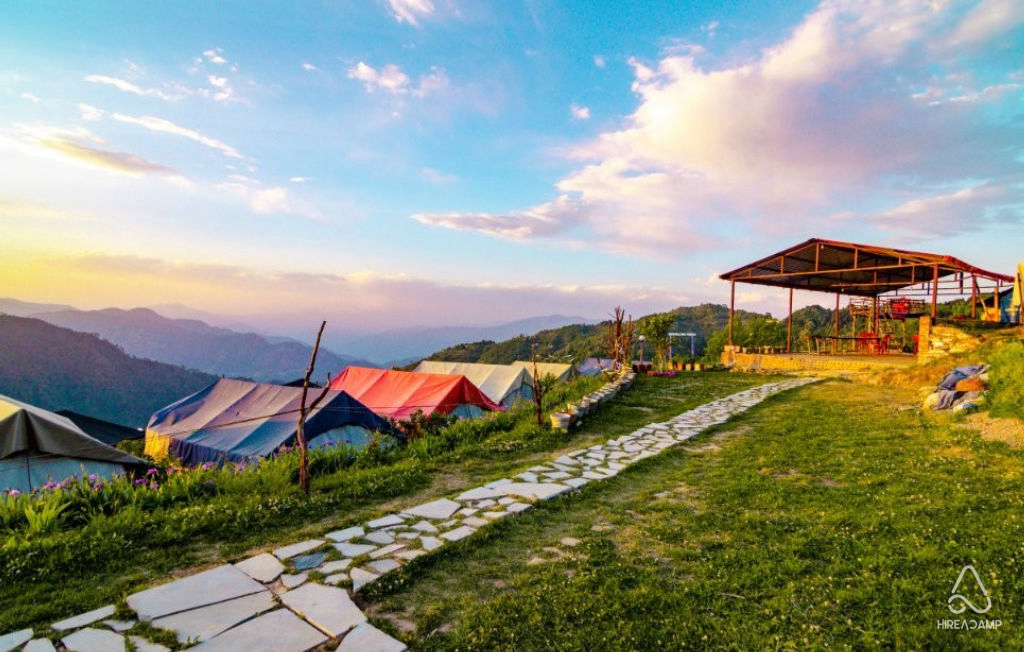
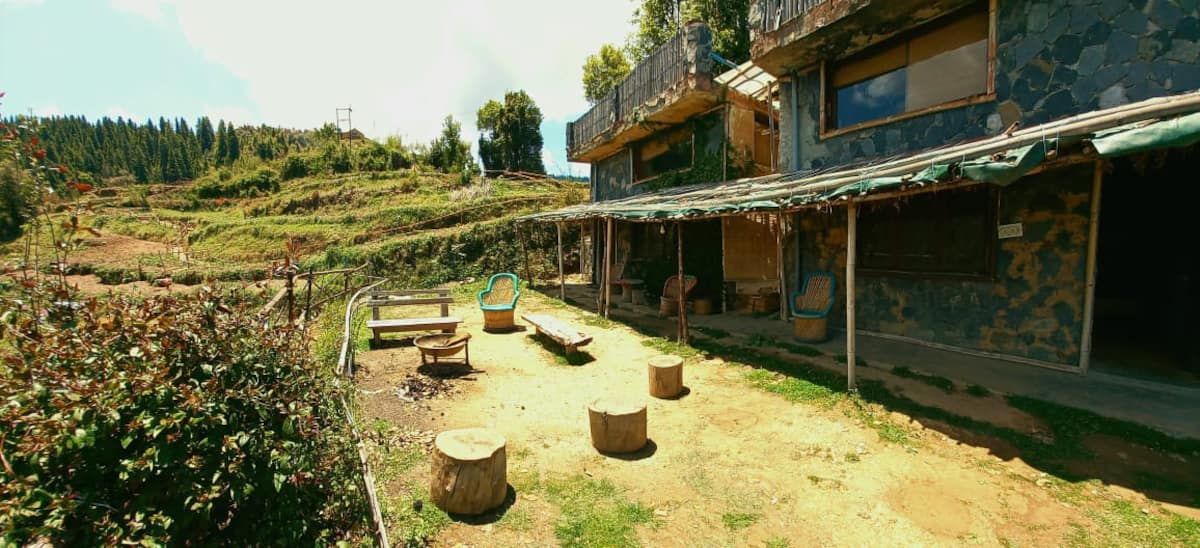
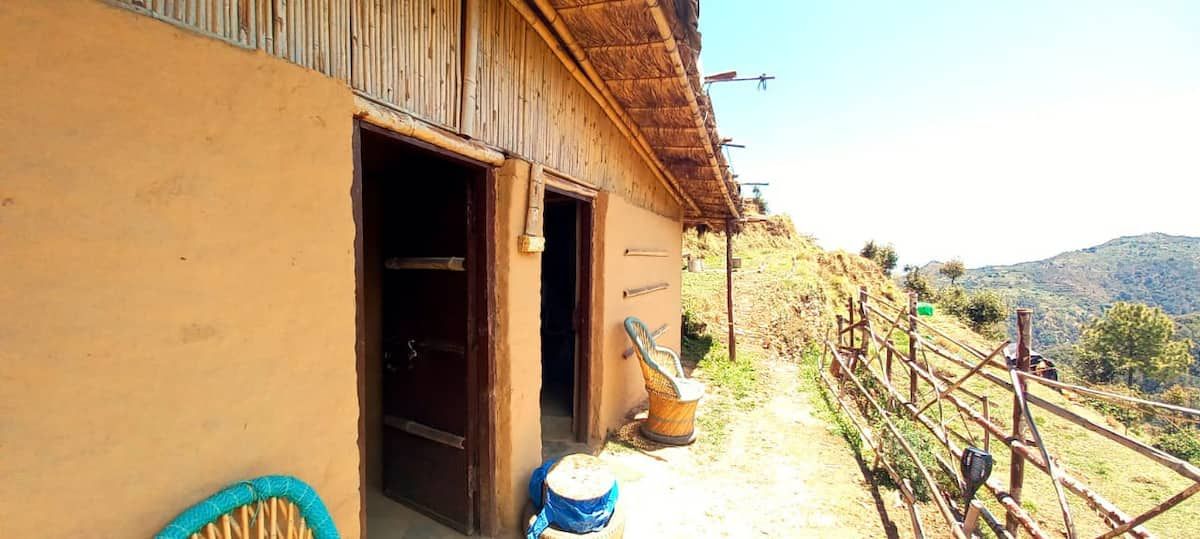
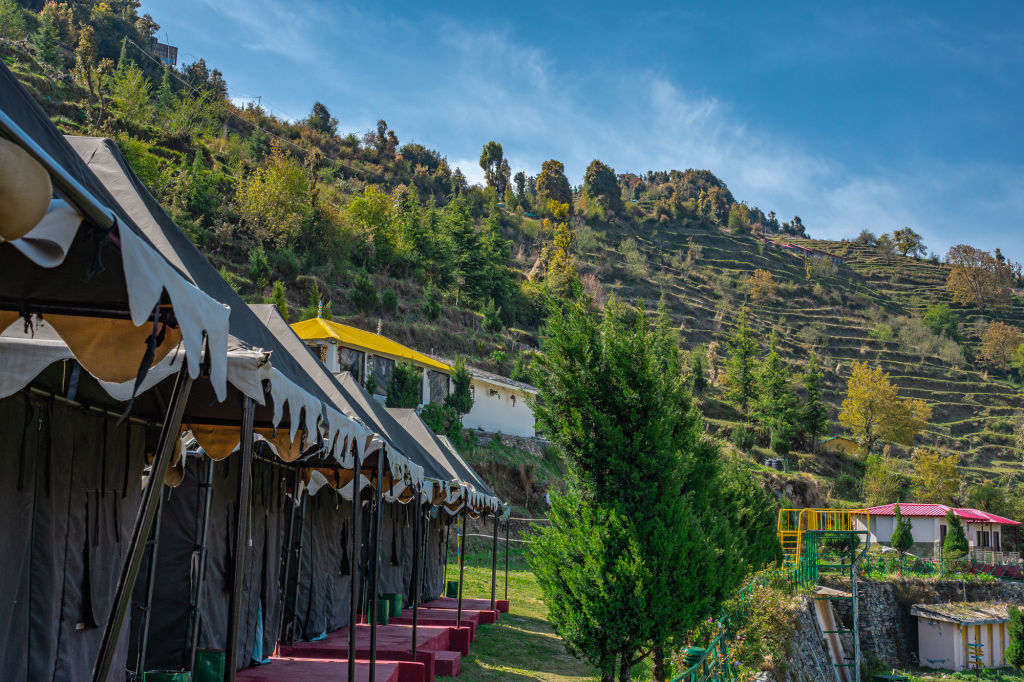
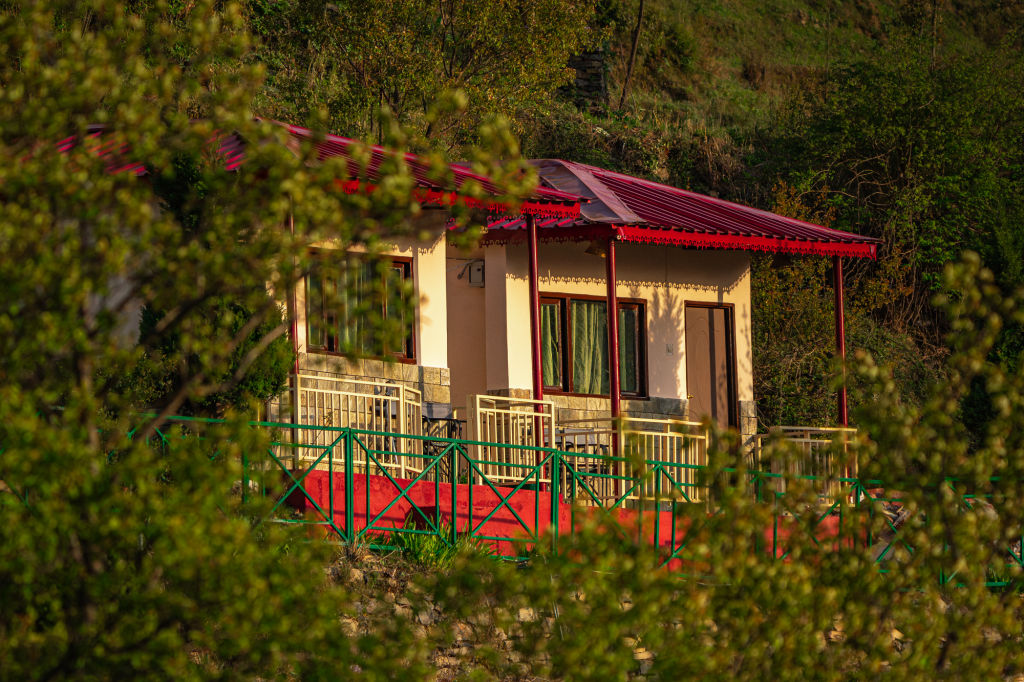
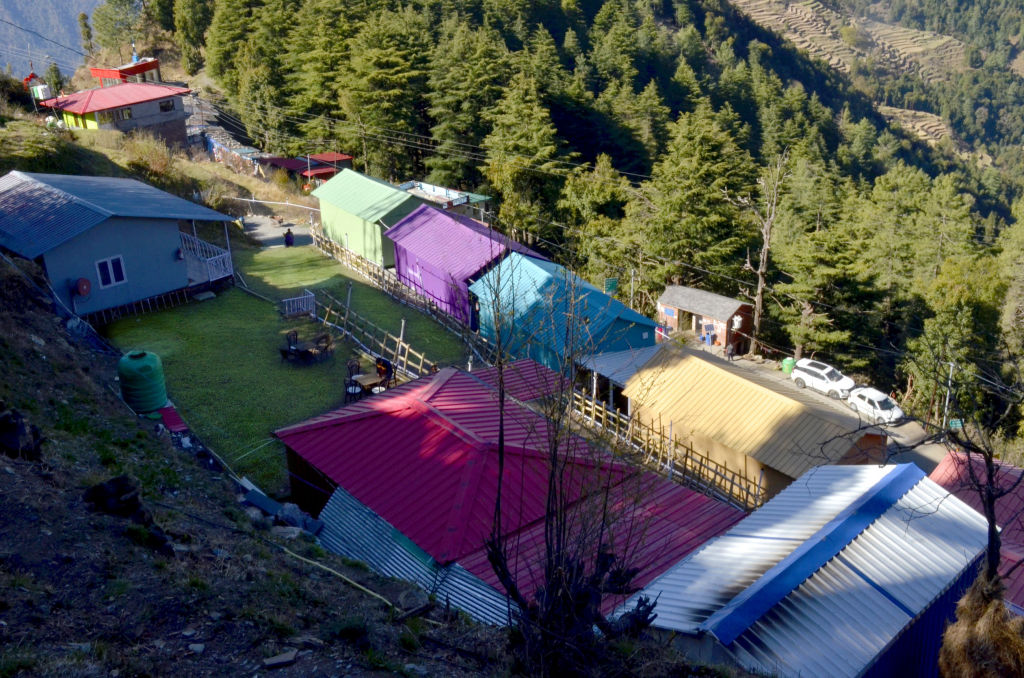
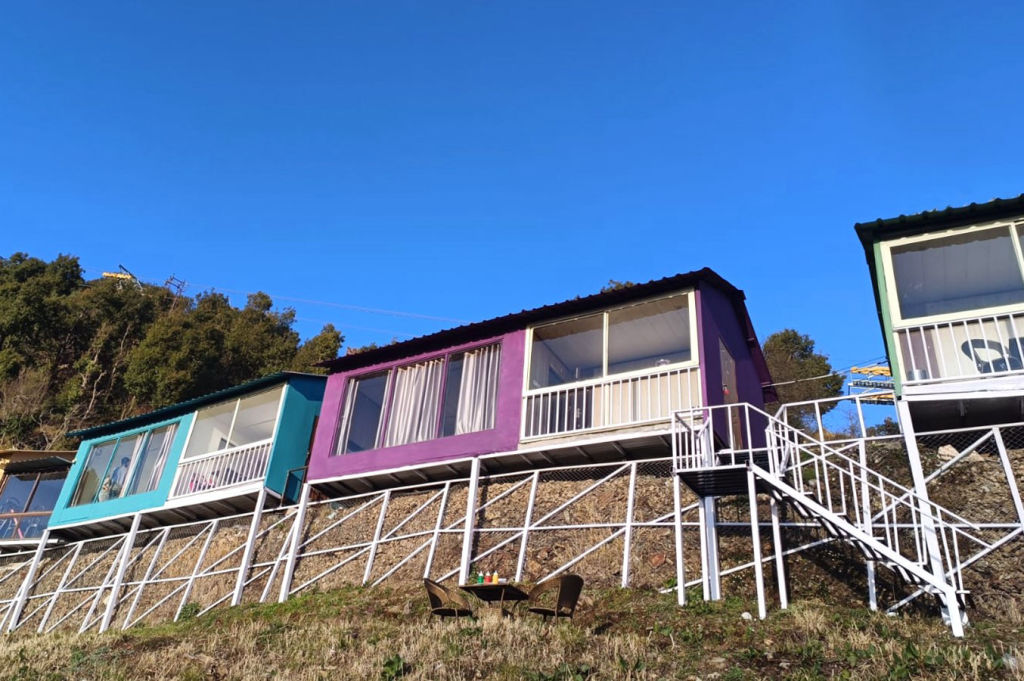
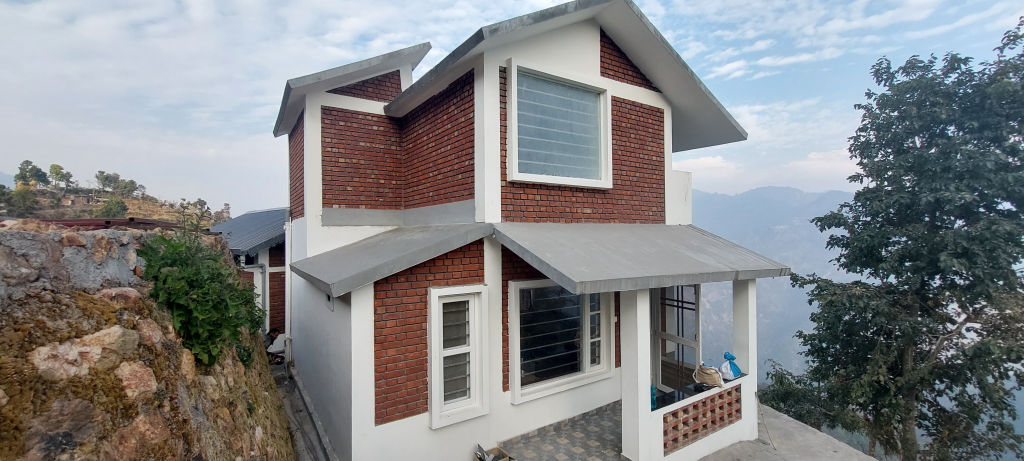
Choosing the right accommodation makes exploring the temples of Tehri Garhwal a relaxing and immersive experience. Travellers can find a range of experiential stays on HireACamp, including scenic riverside campsites, quiet mountain homestays, and outdoor retreats nestled along the hills. Staying in a village homestay near Tehri or Dhanaulti offers welcoming hospitality, home-cooked regional meals, and easy access to morning walks and nearby temple trails. For those who appreciate outdoor living, camping under starry Himalayan skies provides a peaceful way to unwind after a day of exploring ridge-top sanctums. Booking a nearby stay ensures you can set out early to catch morning aartis and clear sunrise views over the peaks.
Written with AI from creators' posts and map data. Check prices and timings locally before you go.
30 places · 3 creator recommendations · Updated today
Ranked by how many independent creators recommend each place, not by who paid. The list updates itself as new posts come in.


Frequently asked questions
Which temples near Tehri offer the clearest Himalayan views?
Shrines situated on high ridges, such as Surkanda Devi Mandir near Dhanaulti, Chandrabadni Temple, and Kunjapuri Devi Temple near Narendranagar, offer expansive panoramic views of the snow-capped Himalayan peaks.
Can I visit multiple temples near Tehri in a single day?
While some temples are relatively close to Tehri, winding mountain roads mean drives take longer than on plains. It is best to group nearby temples together, such as those along the Dhanaulti ridge or near Narendranagar, rather than attempting to visit distant shrines in one day.
Do temples around Tehri involve trekking or walking?
Many ridge-top temples, such as Surkanda Devi Mandir, require walking up uphill pathways or staircases from the parking area. Wearing comfortable walking shoes makes these approaches much easier.
What is the best season to visit temples in Tehri Garhwal?
Spring from March to June and autumn from October to November provide the most comfortable weather and clearest skies for mountain views.
What kind of clothing is suitable for visiting these temples?
Modest clothing respectful of sacred traditions is appropriate for all temples. Because mountain breezes can be cool at high elevations, carrying a light jacket or shawl is always recommended.
Stays near Tehri
Make a trip of it