Temples near Trimbak
Temples near Trimbak encompass centuries-old shrines, sacred jyotirlinga traditions, and revered riverside sanctuaries rooted in the Sahyadri foothills and the Godavari river basin. This circuit suits pilgrims seeking spiritual blessings, heritage travellers exploring ancient stone architecture, and visitors looking for quiet cultural retreats in Maharashtra.
Top picks among temples in Trimbak
Trimbakeshwar Jyotirling Mandir stands as the primary pilgrimage landmark of the region, dedicated to Lord Shiva and venerated as one of the twelve sacred Jyotirlingas in India. Set against the Sahyadri range near the base of the Brahmagiri hills, the shrine is uniquely known for its lingam embodying Brahma, Vishnu, and Shiva, which devotees view reflected through a sacred mirror. Independent creators emphasize visiting early in the morning between 6:00 AM and 7:00 AM on weekdays to avoid lengthy queues that can stretch from six to nine hours on peak days. Just outside the main town centre, Shri Gajanan Maharaj Temple offers a calm and peaceful sanctuary dedicated to the saint of Shegaon, while Sant Nivrutti Nath Samadhi Mandir along Trimbak Road preserves the revered resting place of Sant Dnyaneshwar's elder brother, attracting Varkari pilgrims exploring Maharashtra's Bhakti heritage.
Riverside shrines along the Godavari
Travelling east toward the outskirts of Nashik reveals several peaceful temples set directly on the banks of the sacred Godavari River. Shri Someshwar Mahadev Mandir sits amid lush greenery in the Gangapur area, about twenty-two kilometres from Trimbak, offering worshippers a quiet riverside environment often combined with views of the nearby Someshwar Waterfall and Gangapur Dam. Downstream in Anandvalli, Shree Navshya Ganpati Mandir is a historic eighteenth-century temple dating to the Peshwa era where visitors pray for fulfilled vows by the waters. A short distance away along the same riverfront corridor, Shri Vyankatesh Balaji Mandir presents a restful atmosphere dedicated to Lord Venkateshwara, blending traditional temple craftsmanship with scenic waterfront surroundings.
Historic shrines of Panchavati
The heritage quarter of Panchavati in Nashik, located roughly twenty-eight kilometres from Trimbak, hosts a concentrated cluster of ancient stone shrines deeply tied to Ramayana lore and Maharashtrian cultural history. Shree Kalaram Mandir is renowned for its grand basalt structure carved entirely from black stone, while nearby Goraram Mandir provides a distinctive contrast with consecrated white marble idols of Lord Rama, Sita, and Lakshmana. Overlooking the river at Ramkund, Shree Kapaleshwar Mahadev Mandir Panchvati Nashik is noted for its ancient heritage and the rare custom of having no Nandi statue facing the sanctum. The bustling riverfront also houses Dutondya Maruti with its celebrated two-faced stone idol, Naroshankar Temple featuring its historic Portuguese bronze bell, and Shree Dholya Ganapati Mandir, famous for its massive seated Ganesha sculpture.
Mountain shrines and sacred spots
Beyond the riverside towns, the dramatic Sahyadri landscape holds shrines closely connected to nature and folklore. Hanuman Janmasthan, Anjaneri rests in the rugged hills about twenty-one kilometres from Trimbak, revered as the sacred birthplace of Lord Hanuman. The site features shrines dedicated to Hanuman and his mother Anjani alongside scenic hiking paths across expansive tablelands and seasonal streams. At the base of Kavnai Fort, Kapildhara Tirth preserves an unhurried sacred water tank associated with the sage Kapila. Further across the district, Shree Saptashrungi Devi Mandir invites devotees to a dramatic cliffside sanctuary, modernised with an incline funicular ropeway that eases access for pilgrims of all ages.
Tips for your trip and where to stay
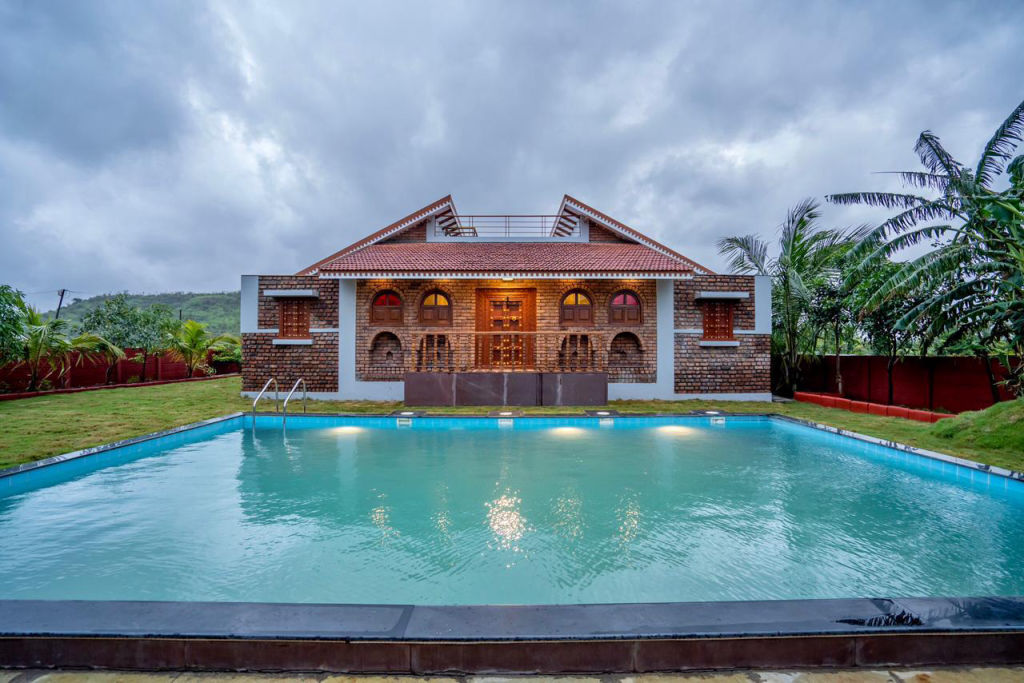
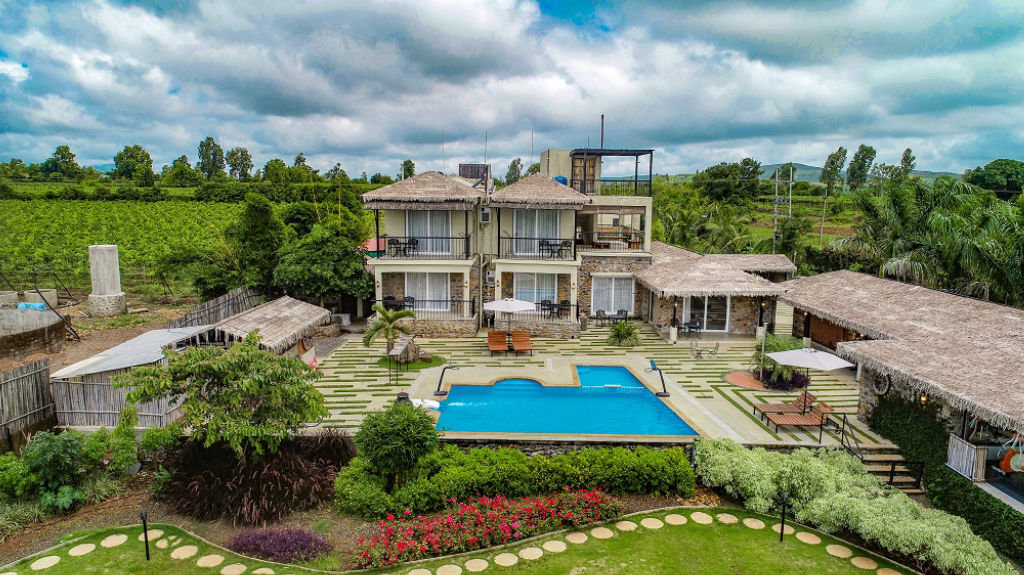
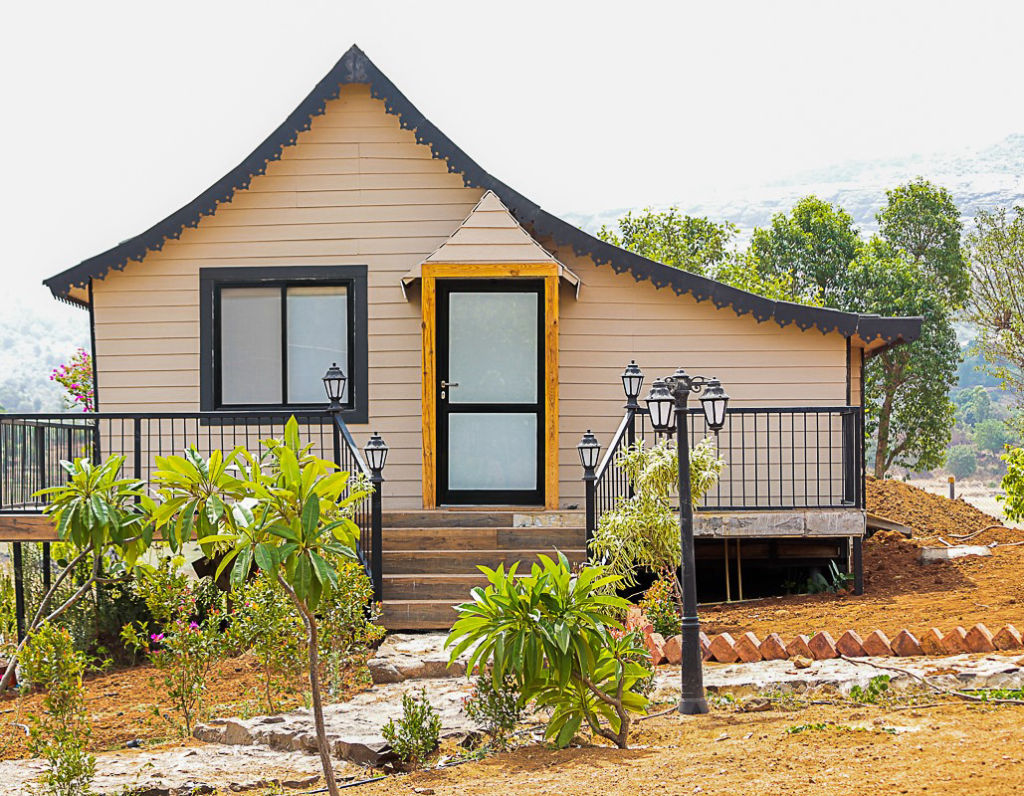
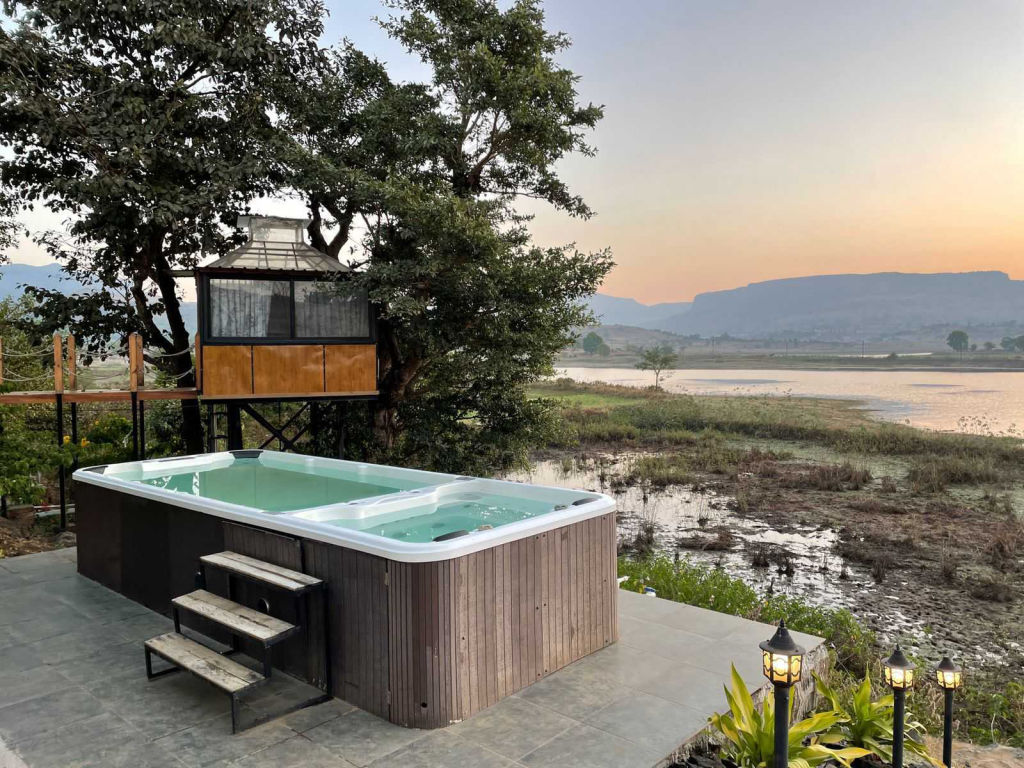
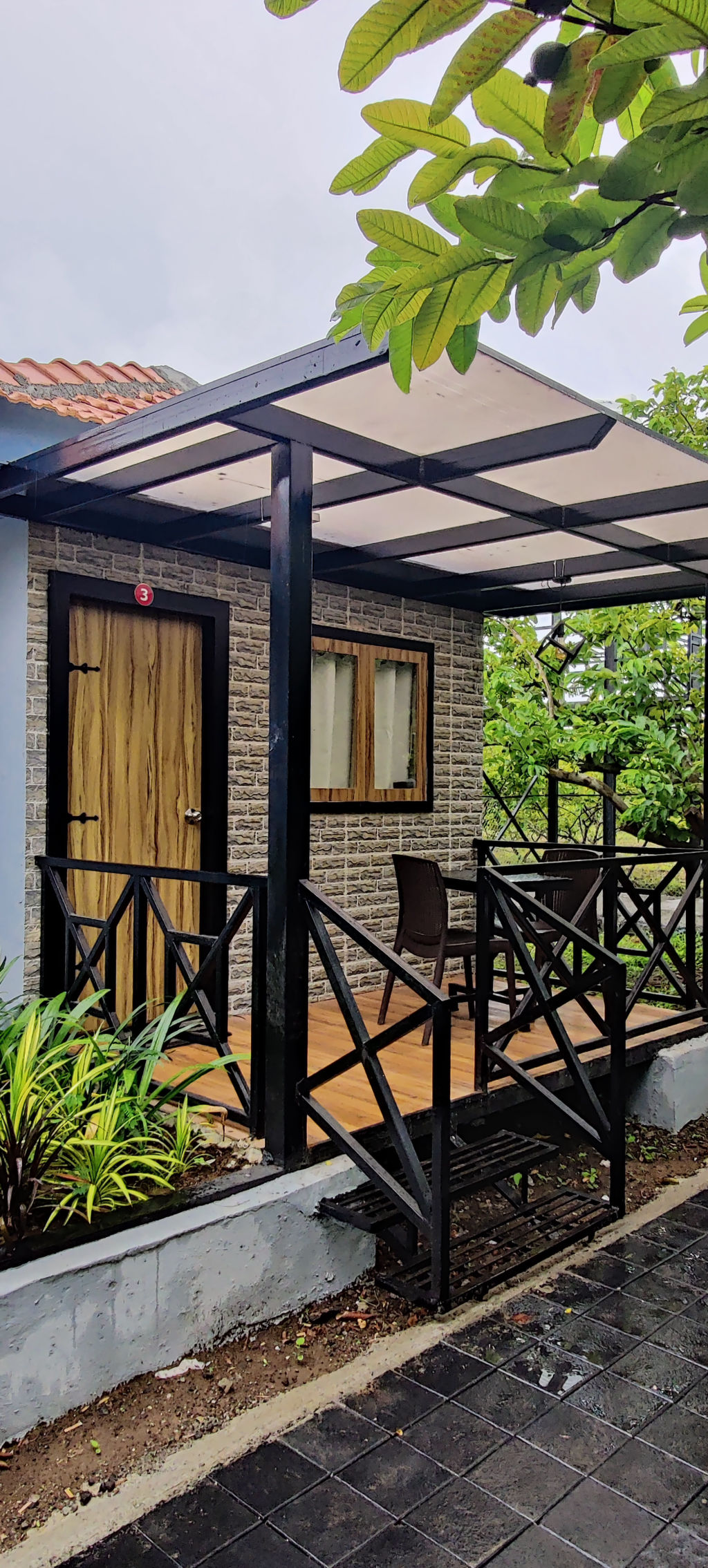
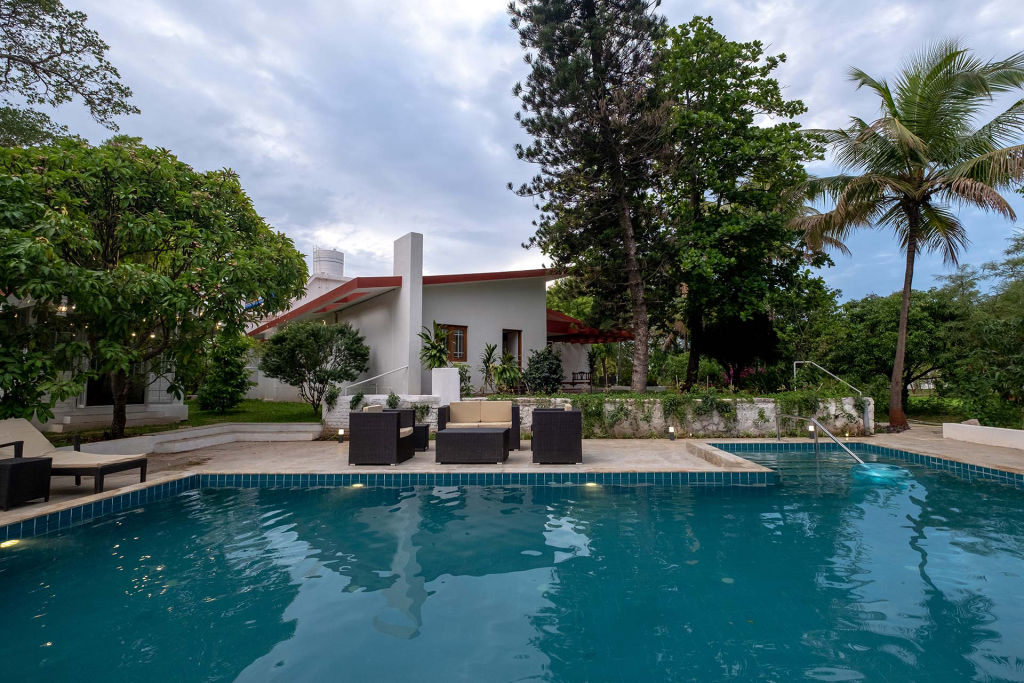
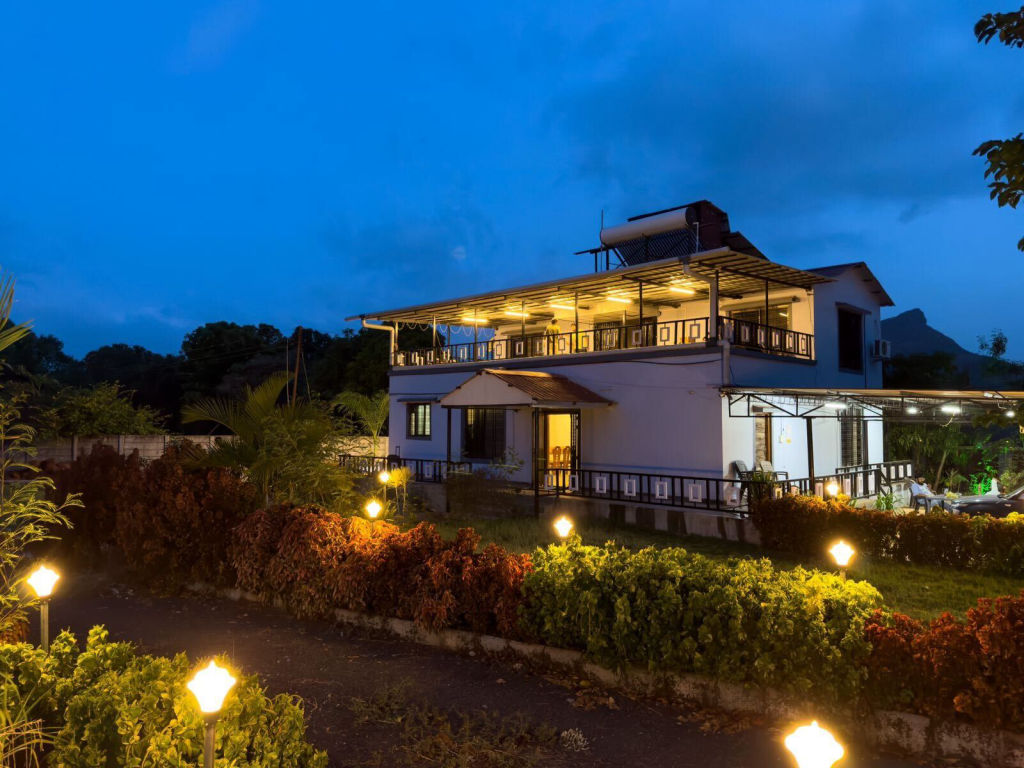
Road journeys between Trimbak and central Nashik typically take around thirty to forty-five minutes under traffic-free conditions, though festive days and weekend rushes can cause delays. Modest attire is expected at every temple, and shoes must be removed before entering sanctum courtyards. Beginning your temple visits during the cool early morning hours ensures a more reflective and comfortable experience. For travellers wishing to explore Trimbak and the Godavari valley over several days, rustic nature camps, traditional homestays, and quiet outdoor getaways can be booked through HireACamp across the surrounding countryside and foothills.
Written with AI from creators' posts and map data. Check prices and timings locally before you go.
26 places · 21 creator recommendations · Updated today
Ranked by how many independent creators recommend each place, not by who paid. The list updates itself as new posts come in.


Frequently asked questions
What is the best time to visit temples near Trimbak?
The winter months from October to February offer cool, pleasant weather for temple visits and walking tours. The monsoon season between June and September brings vibrant green scenery to the Sahyadri hills, though heavy rainfall can make outdoor walking paths slippery.
How can I avoid long wait times at Trimbakeshwar Jyotirling Mandir?
Visiting between 6:00 AM and 7:00 AM on weekdays significantly reduces waiting time, as queue times can otherwise extend from six to nine hours during weekends and major festival periods.
Which temples are located in the Panchavati area near Trimbak?
Panchavati features several prominent temples about twenty-eight kilometres from Trimbak, including Shree Kalaram Mandir, Goraram Mandir, Shree Kapaleshwar Mahadev Mandir Panchvati Nashik, Naroshankar Temple, and Dutondya Maruti.
Are the temples near Trimbak suitable for family trips?
Yes, the temples in and around Trimbak accommodate visitors of all ages, with several sites such as Shree Saptashrungi Devi Mandir offering modern amenities like funicular ropeway transit.
Where can I stay while visiting temples around Trimbak?
Travellers can find and book homestays, nature camps, and outdoor retreats situated close to the Sahyadri foothills and rural Nashik through HireACamp.
Stays near Trimbak
Make a trip of it