
Ahilyabai Holkar Shivalay Tirth Kund
Monument near Ellora, Maharashtra
400 m from Ellora
The nearest town, for stays, food and fuel.
Ahilyabai Holkar Shivalay Tirth Kund is an eighteenth-century stone water reservoir situated in the historic village of Ellora in Maharashtra. Commissioned under the patronage of the revered Maratha queen Ahilyabai Holkar, the stepped tank was developed as a sacred tirth for pilgrims visiting the region's holy sites. Visitors today travel here to admire its classic stone ghat architecture and to experience a serene historic landmark situated in close proximity to the world-famous Ellora Caves.
Getting there
By road
- From ElloraNearest town3 min · 800 m
- From Nashik2 hr 45 min · 173 km
- From Mumbai 5 hr 5 min · 337 km
- From Pune5 hr 35 min · 309 km
Typical drive times without traffic. Stations and airports from OLA Maps; distances and typical drive times from OpenStreetMap (© OpenStreetMap contributors); notes from creators' Reels.
About Ahilyabai Holkar Shivalay Tirth Kund
Written with AI from map data and general knowledge. Check prices and timings locally before you go.
History and heritage of Ahilyabai Holkar Shivalay Tirth Kund
Ahilyabai Holkar Shivalay Tirth Kund holds a significant place in the religious and architectural history of the Deccan. During the late eighteenth century, Maharani Ahilyabai Holkar of Indore earned widespread acclaim across India for rebuilding desecrated temples, founding rest houses, and funding sustainable water bodies for pilgrim communities. In the village of Verul, historically associated with Ellora, she spearheaded extensive restoration projects, which included the reconstruction of the ancient Grishneshwar Jyotirlinga temple and the enhancement of this holy reservoir, known locally as the Shivalaya Tirth.
According to regional traditions, the water within the reservoir has long been regarded as auspicious. Historically, pilgrims traveling from across the country would perform purification rituals and take a ceremonial bath in the stepped tank before presenting their prayers to the deity. Today, the kund remains a visible testament to Ahilyabai Holkar's vision of civic service and public piety, standing as an enduring symbol of Maratha-era heritage in the rural heart of Maharashtra.
Architecture and design of the tirth kund
The reservoir is built primarily using locally quarried black basalt, the durable volcanic stone characteristic of historical structures across the Deccan plateau. Structured as an expansive rectangular stepped tank, or pushkarini, the kund features wide, descending stone steps that provide gradual access to the water level even as seasonal water tables rise and fall.
Symmetrical platforms, sturdy stone walls, and functional water channels reflect the practical hydraulic engineering of the era. Broad walkways along the perimeter offer ample room for visitors to stroll around the water's edge and admire the reflection of open skies on the surface. While simpler in style than the monumental stone excavations of the neighboring rock-cut caves, the kund displays a dignified, tranquil aesthetic that provides a welcome contrast to more crowded tourist hubs in the area.
Read more
Best time to visit
The region surrounding Ellora experiences a tropical semi-arid climate, meaning seasonal conditions significantly influence the quality of a visit. The cooler months between October and February are widely considered the ideal time to explore the tirth kund. During this winter period, daytime temperatures remain pleasant and mild breezes make walking around the open stone ghats a comfortable experience.
The monsoon months from late June through September are another appealing period to plan a trip. Heavy seasonal showers replenish the reservoir, filling the stone basin with water and transforming the surrounding countryside into lush, green pastures. In contrast, the peak summer months of March, April, and May bring intense dry heat, with midday temperatures frequently crossing forty degrees Celsius, making open-air exploration strenuous during the middle of the day.
How to reach Ahilyabai Holkar Shivalay Tirth Kund
The tirth kund is located right in Ellora village, making it straightforward to reach from major transport hubs across Maharashtra. The nearest major city is Chhatrapati Sambhajinagar, formerly Aurangabad, which is linked to primary Indian metros via regular flights, extensive rail routes, and modern highways. From the city, one can easily reach Ellora by local public transport buses, private taxis, or auto-rickshaws.
If you are traveling by train, Chhatrapati Sambhajinagar railway station serves as the central railhead, receiving daily trains from cities like Mumbai, Pune, and Delhi. The road journey leading to Ellora passes through rural farmland and rolling countryside, generally providing smooth transit. Once inside Ellora village, the tirth kund is positioned near the central temple cluster and is conveniently accessible on foot or by vehicle.
Places to visit nearby
A trip to the Shivalay Tirth Kund can easily be incorporated into an extensive heritage itinerary. Just one kilometer away lies the UNESCO World Heritage site of Ellora Caves, a monumental rock-cut complex comprising ancient Buddhist, Hindu, and Jain cave temples, crowned by the colossal monolithic Kailasa Temple. A visit to the caves pairs naturally with a morning or afternoon stop at the quiet reservoir.
Approximately three kilometers from the site is the tranquil Bani Begum Garden, celebrated for its historic Mughal landscaping, decorative fountains, and sprawling shaded pavilions. Those seeking nature and scenic views can travel about twenty-five kilometers up to the hill peak of Mhaismal or head to Surpalnath Hill for elevated panoramas of the surrounding plains. Other regional attractions include the Shivana Dam, located roughly thirteen kilometers away, and the ancient Pitalkhora Buddhist Caves, perched beside a rugged canyon about thirty-seven kilometers into the hills.
Tips for your visit
Because the Shivalay Tirth Kund is regarded as a sacred space and is located near an active temple settlement, visitors should dress respectfully and remain mindful of local religious customs. During the rainy season, moisture can cause moss to grow along the submerged basalt steps, so wearing sturdy walking shoes with reliable grip is essential to prevent slipping.
The perimeter of the kund is largely open and unshaded, making sun protection a priority. Carrying a hat, sunglasses, and sufficient drinking water will keep you comfortable, particularly when visiting between late morning and mid-afternoon. Visiting during early morning or towards sunset is ideal for photography, as the soft light enhances the dark stone architecture and the surrounding atmosphere remains peaceful and calm.
Where to stay
Travelers visiting the Ellora area can find an assortment of lodging options depending on their travel preferences. Ellora village itself features standard pilgrim guesthouses and dharamshalas, while the larger nearby city offers a wider spectrum of urban stays, business hotels, and family accommodations.
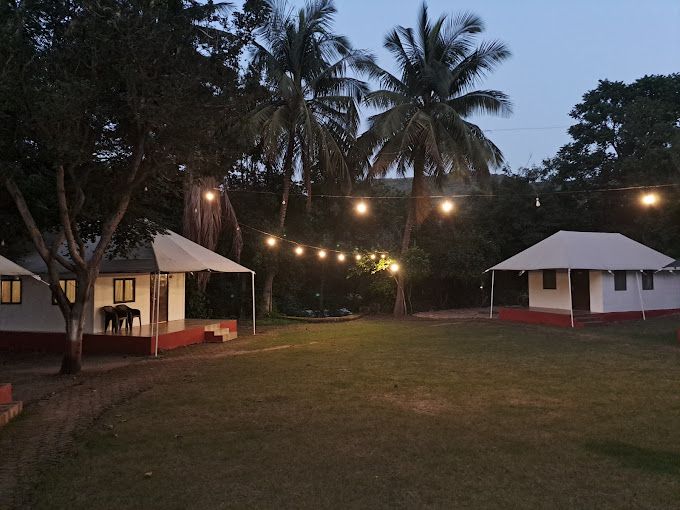
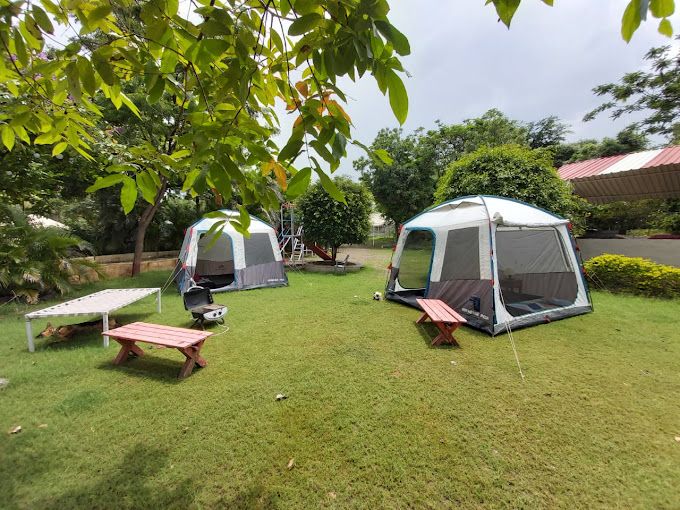
If you prefer a quieter retreat away from city traffic, you can discover homestays, nature retreats, and outdoor campsites on HireACamp. Booking a stay in the rustic countryside around Ellora allows you to enjoy peaceful rural mornings, starry Deccan nights, and convenient proximity to the region's historic landmarks.
Frequently asked questions
Where is Ahilyabai Holkar Shivalay Tirth Kund located?
The reservoir is located in the village of Ellora in Maharashtra, situated very close to the Grishneshwar temple and about one kilometer from the Ellora Caves.
Who constructed the Shivalay Tirth Kund?
The stepped tank was built under the patronage of Punyashlok Rajmata Ahilyabai Holkar, the eighteenth-century queen of Indore known for restoring sacred sites throughout India.
What is the best time of year to visit the kund?
The winter months from October to February are ideal for comfortable weather, while the monsoon months from July to September are best for seeing the tank full of water.
What other sights can I explore near Ahilyabai Holkar Shivalay Tirth Kund?
Nearby attractions include the ancient rock-cut Ellora Caves, the historic Bani Begum Garden, Shivana Dam, and the hilltop vantage points at Mhaismal.
Where you'll be
Ahilyabai Holkar Talab, Ellora, MH · 3 stays nearby shown with prices
Stays near Ahilyabai Holkar Shivalay Tirth Kund
Book a place to stay close by

More places near Ahilyabai Holkar Shivalay Tirth Kund
Within 20 km
Built from 0 Instagram posts by 0 creators. Every tip links back to the post it came from, and where creators disagree we show both sides.






