
Tomb of Mughal Emperor Aurangzeb
Monument near Khuldabad, Maharashtra
200 m from Khuldabad
The nearest town, for stays, food and fuel.
The Tomb of Mughal Emperor Aurangzeb is an unassuming open-air grave located in Khuldabad, Maharashtra, within the sacred courtyard of Dargah Syed Zainuddin Shirazi. In stark contrast to the grand mausoleums of earlier Mughal rulers, this monument reflects the emperor's personal wish for a simple and humble burial. Travellers, historians, and pilgrims visit Khuldabad to witness this poignant piece of Indian history set amid the quiet spiritual heritage of the Deccan.
Getting there
By road
- From KhuldabadNearest town1 min · 200 m
- From Nashik2 hr 50 min · 178 km
- From Mumbai 5 hr 10 min · 342 km
- From Pune5 hr 25 min · 254 km
Typical drive times without traffic. Stations and airports from OLA Maps; distances and typical drive times from OpenStreetMap (© OpenStreetMap contributors); notes from creators' Reels.
About Tomb of Mughal Emperor Aurangzeb
Written with AI from map data and general knowledge. Check prices and timings locally before you go.
The history and simplicity of Aurangzeb's Tomb
The final resting place of the sixth Mughal emperor, Muhi-ud-Din Muhammad Aurangzeb, stands out among royal Indian memorials because of its radical austerity. While his predecessors commissioned sprawling marble edifices surrounded by Persian gardens, Aurangzeb decreed that his tomb should be plain, open to the sky, and constructed without treasury funds. Historical accounts state that the modest burial was financed entirely by the money the emperor earned by knitting prayer caps and copying the Quran.
Aurangzeb passed away in 1707 in Ahmednagar during his protracted campaigns across the Deccan Plateau. In accordance with his wishes, his body was brought to Khuldabad to rest alongside his spiritual teacher, the revered Sufi saint Sheikh Zainuddin Shirazi. The grave itself is a simple earthen plot framed by stone, later enclosed with carved marble screens installed during the colonial era to protect the perimeter while preserving its open-air character. The starkness of the tomb serves as a reflective counterpoint to the dramatic scale of his reign.
Inside the courtyard of Dargah Syed Zainuddin Shirazi
Khuldabad earned the historic epithet of the Valley of Saints due to the vast number of Sufi mystics, scholars, and local nobles who settled and were buried here throughout the fourteenth century and beyond. The Tomb of Aurangzeb occupies a small, partitioned corner of the bustling courtyard of Dargah Syed Zainuddin Shirazi, highlighting the emperor's deference to his spiritual guide.
Walking into the complex, visitors enter an active space of worship rather than a typical standalone archaeological park. Devotees regularly gather here to offer prayers, pay respects at the saint's shrine, and absorb the peaceful ambience of the inner cloister. The marble screen surrounding the emperor's grave features delicate geometric jaali patterns, allowing light and breeze to flow freely over the exposed earth. The coexistence of the Sufi shrine and the imperial grave creates a contemplative environment steeped in centuries of living tradition.
Read more
Best time to visit Khuldabad
The climate of this corner of Maharashtra is shaped by the semi-arid Deccan weather patterns, which bring distinct seasons throughout the year. The most comfortable time to visit the Tomb of Aurangzeb is during the winter months, from October to February. During this period, daytime temperatures remain moderate and pleasant, with cool mornings and evenings that make exploring historical complexes on foot very comfortable.
The monsoon season, extending from June through September, transforms the surrounding rocky plateau into an expanse of vibrant greenery. Rainfall can be variable, but overcast days offer respite from the sun, and the nearby hill tracks become particularly scenic. Summer, spanning March to May, brings intense heat and arid winds, with midday temperatures rising sharply. If you travel during the summer, plan your monument visits for early morning or late afternoon to avoid the hottest hours of the day.
How to reach the Tomb of Aurangzeb
Khuldabad is situated in the Marathwada region of Maharashtra and is easily accessible by road from major transit hubs in the state. Chhatrapati Sambhajinagar serves as the primary gateway, connected by rail and air to major Indian metros. From there, local buses, shared taxis, and private cabs make the uphill climb into the Khuldabad hills via well-paved state highways in under an hour of driving.
Travellers arriving from Pune or Mumbai can access the area via scenic road corridors across the Western Ghats and Deccan plains, or choose convenient long-distance train options that terminate at Chhatrapati Sambhajinagar. Once you arrive in Khuldabad town, the shrine is centrally located and reachable on foot or via short auto-rickshaw rides from the local bus stand. Parking is usually available in the lanes leading to the outer shrine gates, though navigating on foot is easiest once inside the pedestrian-heavy dargah area.
Places to visit around Khuldabad
The plateau around Khuldabad is rich with quiet natural spots and scenic view points that complement a heritage itinerary. Located roughly twenty-eight kilometres away, Mhaismal is a tranquil hill station perched on a rugged ridge. It is celebrated for its panoramic vistas over the plains below, cool breezes, and rolling monsoon meadows, making it a popular detour for those who enjoy open skies and quiet walks.
In the same vicinity lies Surpalnath Hill, another elevated ridge that offers rocky trails and sweeping views of the rural countryside. For water views, Shivana Dam sits about seventeen kilometres away, offering an unhurried waterside setting where travellers can watch local birdlife and enjoy a quiet pause after touring regional monuments. Combining the spiritual calm of Khuldabad with these nearby outdoor vantage points makes for a well-rounded journey through the landscape.
Tips for your visit
Because the Tomb of Aurangzeb is situated inside an active religious compound, respectful etiquette is expected from all visitors. Both men and women should dress modestly, keeping shoulders and knees covered. As you enter the dargah premises, footwear must be removed and left at the designated shoe stalls near the entrance gates. It is also customary to cover your head while walking through the inner sanctum, so carrying a scarf, handkerchief, or light shawl is advisable.
Photography is typically allowed in the open courtyard areas, but visitors should always be discreet and respect the privacy of worshippers at prayer. The stone floors can become uncomfortably warm under the direct midday sun, making morning or late afternoon visits much more pleasant for walking barefoot. Remember to carry a reusable water bottle and allow time to explore the winding lanes of Khuldabad on foot.
Where to stay near Khuldabad
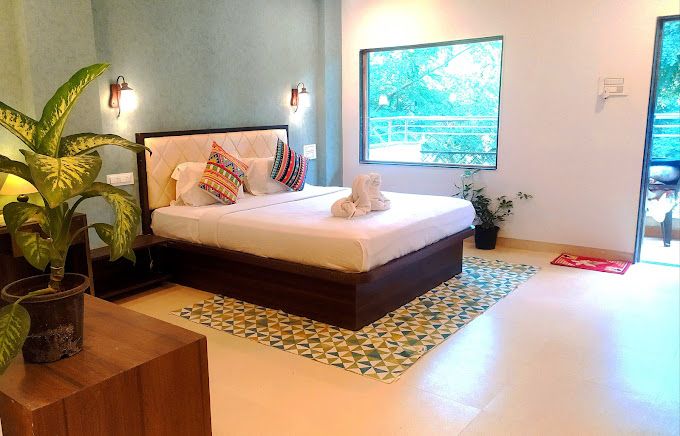
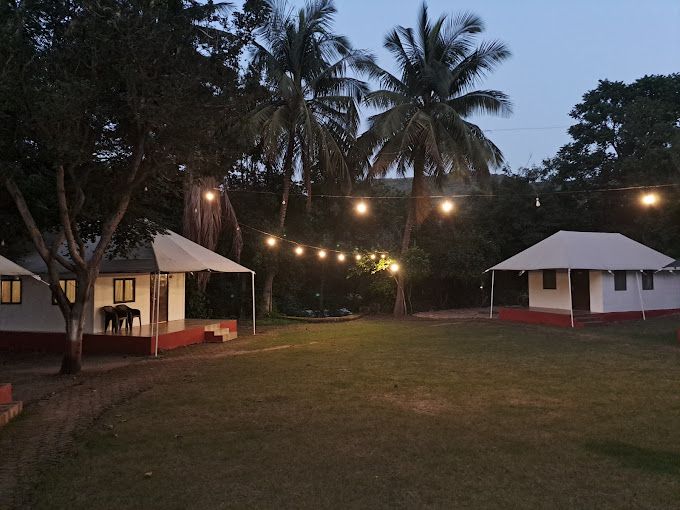
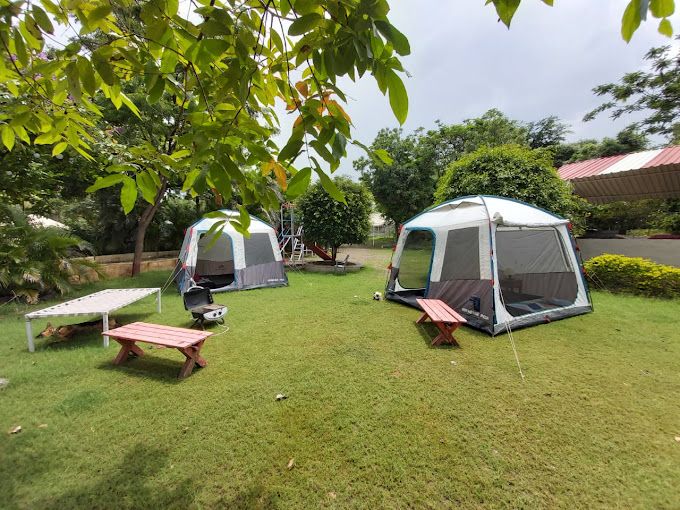
Khuldabad and the surrounding hills offer an ideal base for travellers who prefer peaceful, nature-adjacent retreats over busy city hotels. Across the region, you can find quiet countryside homestays, agro-tourism farms, and hillside outdoor camps tucked into the plateau's natural pockets.
Whether you are looking to pitch a tent under the star-filled skies of the rural Deccan or stay with a local family in a quiet village setting, a wide variety of rural stays and campsites nearby can be booked directly through HireACamp. Staying just outside town allows you to experience the crisp morning air, watch regional birdlife, and easily access the historic landmarks before day-tripping crowds arrive.
Frequently asked questions
Why is Aurangzeb's tomb so simple compared to other Mughal tombs?
Aurangzeb specified in his will that his grave should be plain and open to the sky, avoiding any expenditure from the royal treasury. The burial was funded solely from the modest income he earned personally by hand-stitching prayer caps and copying the Quran.
Where is the tomb located within Khuldabad?
The tomb is situated inside the courtyard of Dargah Syed Zainuddin Shirazi, a revered fourteenth-century Sufi shrine located in the heart of Khuldabad town.
Is there a dress code for visiting the Tomb of Aurangzeb?
Yes, visitors should dress conservatively with shoulders and legs covered, remove their shoes before entering the dargah grounds, and wear a head covering inside the complex.
What is the best time of year to visit?
The winter months from October to February provide the most comfortable weather for exploring the open courtyard, while the post-monsoon months offer lush green landscapes across the surrounding hills.
Where you'll be
In The Campus Of Dargah Syed Zainuddin Shirazi, Khuldabad, MH · 3 stays nearby shown with prices
Stays near Tomb of Mughal Emperor Aurangzeb
Book a place to stay close by
More places near Tomb of Mughal Emperor Aurangzeb
Within 20 km
Built from 0 Instagram posts by 0 creators. Every tip links back to the post it came from, and where creators disagree we show both sides.






