
Kailasa Temple
Temple near Ellora, Maharashtra
1.7 km from Ellora
The nearest town, for stays, food and fuel.
Kailasa Temple, designated as Cave 16 among the Ellora Caves in Maharashtra, is the world's largest monolithic rock-cut monument. Carved vertically downwards out of a single basalt cliff face, it is dedicated to Lord Shiva and stands as one of the most remarkable feats of ancient Indian architecture. Travellers and history enthusiasts from around the world visit Ellora to admire its monumental scale, intricate friezes, and engineering brilliance.
Getting there
By road
- From ElloraNearest town7 min · 2.1 km
- From Nashik2 hr 50 min · 174 km
- From Mumbai 5 hr 5 min · 339 km
- From Pune5 hr 35 min · 311 km
Typical drive times without traffic. Stations and airports from OLA Maps; distances and typical drive times from OpenStreetMap (© OpenStreetMap contributors); notes from creators' Reels.
About Kailasa Temple
Written with AI from map data and general knowledge. Check prices and timings locally before you go.
The architecture and history of Kailasa Temple
Kailasa Temple is widely regarded as the crowning achievement of rock-cut architecture in India. Commissioned primarily during the eighth century under the Rashtrakuta dynasty, traditionally attributed to King Krishna I, the temple was carved from the top of the cliff downward. This top-down excavation method eliminated the need for scaffolding and allowed sculptors to shape the shikhara, roofs, halls, and courtyard sequentially without dislodging unstable rock below.
Estimates suggest that hundreds of thousands of tonnes of solid basalt rock were excavated from the Charanandri hills to create the temple courtyard. Designed to resemble Mount Kailash, the mythological Himalayan abode of Lord Shiva, the multi-storeyed complex includes an entrance gateway, a Nandi pavilion, a pillared gathering hall, and an inner sanctum housing a stone lingam. The entire structure is adorned with life-sized elephant carvings, mythological panels, and ornamental balconies, making it an awe-inspiring blend of Dravidian and indigenous Deccan architectural forms.
What to see inside the Kailasa Temple complex
Entering through the two-storey rock-cut gateway, visitors step into a vast courtyard flanked by two monolithic victory pillars, known as dhwajasthambhas, and colossal sculptures of elephants carved directly from the basalt. The lower plinth of the temple is surrounded by a continuous frieze of elephants and mythical beasts, deliberately designed to give the visual illusion that the entire sacred edifice is being held aloft on their backs.
Along the open walkways and cloistered galleries lining the courtyard walls, you will find extensive narrative relief carvings. The most famous panel depicts Ravana shaking Mount Kailash, capturing dramatic emotional expression and mechanical tension in solid stone. Other carved friezes depict complete narrative sequences from the Ramayana and the Mahabharata, as well as forms of Shiva in various divine moods. Taking the time to observe these panels closely reveals fine details, from the folds in carved garments to delicate expressions of movement.
Read more
Best time to visit Kailasa Temple
The climate in the Marathwada region of Maharashtra fluctuates significantly throughout the year, making seasonal timing an important part of trip planning. The cooler winter months, from October through March, offer the most comfortable weather for walking through the open-air temple complex. Daytime temperatures during this window are moderate, and humidity remains low, which makes exploring the stone corridors and climbing the courtyard steps pleasant.
Monsoon season, extending from July to September, transforms the dry scrub hills surrounding Ellora into lush green landscapes. Minor seasonal waterfalls occasionally appear along the cliffs, providing a dramatic backdrop to the dark basalt stone. However, heavy rains can make stone staircases and rock pathways slippery, so appropriate footwear is necessary. Summer months, particularly April and May, bring intense heat with temperatures often rising above forty degrees Celsius, which can make exploring the unshaded courtyard challenging.
How to reach Kailasa Temple
Kailasa Temple is located in Ellora village, roughly thirty kilometres northwest of Chhatrapati Sambhaji Nagar, formerly known as Aurangabad. The city serves as the primary gateway for regional transport, connecting travellers by air, train, and long-distance bus routes to major transit hubs like Mumbai, Pune, and Hyderabad.
From Chhatrapati Sambhaji Nagar, travellers can hire local taxis, auto-rickshaws, or take state transport buses that run regular services directly to Ellora. The drive generally takes under an hour along well-paved state highways. For those driving from Pune, the journey spans approximately two hundred and sixty kilometres via Ahmednagar, while travellers starting from Mumbai cover around three hundred and thirty kilometres, typically travelling via Nashik or the Samruddhi Mahamarg expressway.
Tips for your visit to Kailasa Temple
Because the Kailasa Temple complex is large and demands significant walking over stone surfaces, planning ahead helps make your trip smooth. Starting early in the morning allows you to explore before the midday heat warms the stone underfoot and before crowds peak. Carry sufficient drinking water and wear breathable clothing along with comfortable walking shoes that can be easily removed if entering the inner sanctum.
To appreciate the full scale of the excavation, climb the stone trails carved along the surrounding cliff ridges behind the temple courtyard. Looking down from above gives an unmatched perspective on how deep the ancient artisans cut into the hill. Hiring an authorised government guide at the complex entrance can also provide deep context on the historical narrative panels, iconographic details, and structural nuances that are easy to miss on an independent stroll.
Places to visit around Ellora
While Kailasa Temple is the highlight of the thirty-four main caves at Ellora, the remaining Buddhist, Hindu, and Jain rock excavations in the immediate vicinity are equally deserving of attention. Walking the full length of the cave ridge offers a panoramic look into ancient Indian religious harmony and evolving artistic styles across centuries.
For travellers interested in nature and extended exploration, Mhaismal is an attractive hill plateau located roughly twenty-five kilometres away, known for cool breezes, valley viewpoints, and quiet rural walks. Nearby, Surpalnath Hill offers hiking opportunities with scenic views over the plains. Further afield, roughly thirty-eight kilometres away, lie the Pitalkhora Buddhist Caves, an older rock-cut monastic site set within a forested valley, alongside Kedarkund Falls which flows actively during the monsoon. Near the edge of the Gautala forest sanctuary, about thirty-nine kilometres away, travellers can also visit the historic Patna Devi Temple.
Where to stay near Kailasa Temple
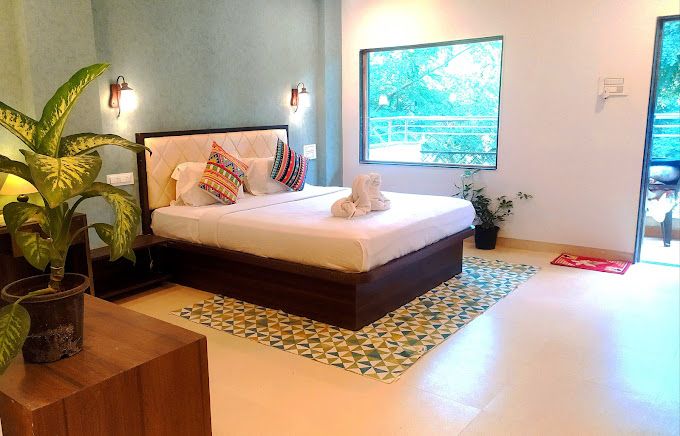
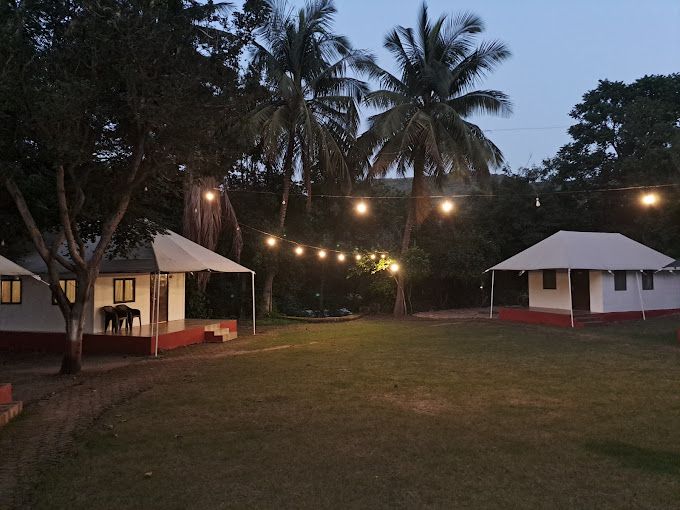
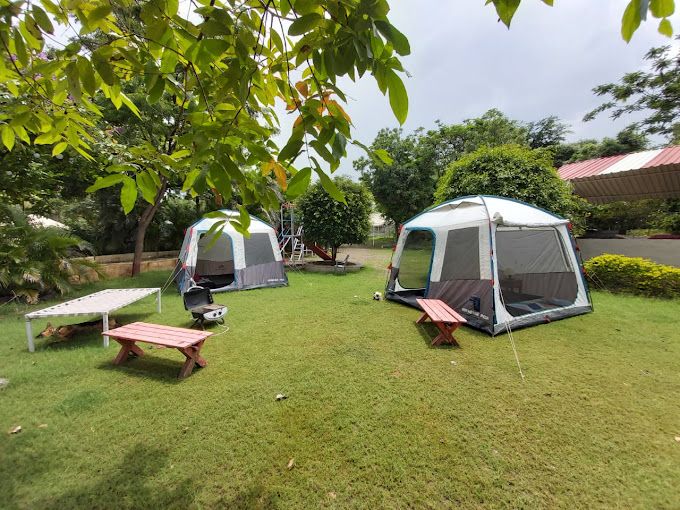
Accommodation options in the area range from heritage-style getaways and simple homestays near Ellora village to broader hospitality options located in Chhatrapati Sambhaji Nagar. Staying closer to Ellora allows you to reach the cave complex right at opening, avoiding highway traffic and morning tour groups.
For those seeking outdoor experiences, rural retreats, and characterful local stays near Ellora and the surrounding hills of Mhaismal, properties and quiet campsites can be found on HireACamp. Booking in advance is recommended during peak winter holiday weekends and cultural festivals.
Frequently asked questions
What is the historical significance of Kailasa Temple?
Kailasa Temple is the largest single monolithic rock excavation in the world, carved vertically from top to bottom out of a basalt cliff during the eighth century under the Rashtrakuta dynasty.
How much time is needed to explore Kailasa Temple?
Most visitors spend between two to three hours exploring the main courtyard, side galleries, upper levels, and outer cliff viewpoints to appreciate the artwork and architecture.
Which airport or railway station is closest to Kailasa Temple?
The closest airport and major railway junction are in Chhatrapati Sambhaji Nagar, approximately thirty kilometres away, with regular bus and taxi links running directly to Ellora.
Are there other monuments to see alongside Kailasa Temple?
Yes, Kailasa Temple is Cave 16 within the broader Ellora Caves complex, which includes thirty-three other rock-cut Buddhist, Hindu, and Jain cave temples along the cliff line.
Can you climb up to view Kailasa Temple from above?
Yes, there are designated stone steps and paths along the edges of the excavation that lead up the cliff, providing a panoramic view down into the monolithic courtyard.
Where you'll be
Ellora Caves, Ellora, MH · 3 stays nearby shown with prices
Stays near Kailasa Temple
Book a place to stay close by
More places near Kailasa Temple
Within 20 km
Built from 0 Instagram posts by 0 creators. Every tip links back to the post it came from, and where creators disagree we show both sides.






