
Vishwakarma Cave
Heritage & Culture near Ellora, Maharashtra
1.7 km from Ellora
The nearest town, for stays, food and fuel.
Vishwakarma Cave, designated as Cave 10 among the world-famous rock-cut monuments of Ellora in Maharashtra, is one of India's finest ancient Buddhist prayer halls. Carved directly into basalt cliffs, it is renowned for its cathedral-like ribbed roof, exquisite stone craftsmanship, and a colossal seated Buddha figure. Travellers and heritage enthusiasts visit to marvel at its unique architectural illusion of wooden timberwork translated into solid rock.
Getting there
By road
- From ElloraNearest town4 min · 2.3 km
- From Nashik2 hr 45 min · 174 km
- From Mumbai 5 hr 5 min · 339 km
- From Pune5 hr 35 min · 311 km
Typical drive times without traffic. Stations and airports from OLA Maps; distances and typical drive times from OpenStreetMap (© OpenStreetMap contributors); notes from creators' Reels.
About Vishwakarma Cave
Written with AI from map data and general knowledge. Check prices and timings locally before you go.
Architecture and Design of Vishwakarma Cave
Vishwakarma Cave is widely regarded as the crowning architectural achievement among the Buddhist group of caves at Ellora. Constructed as a chaitya griha, or assembly prayer hall, the monument is popularly known as the Carpenter's Cave. This folk title comes from its incredible rock-cut ceiling, where ancient stone carvers meticulously chiselled volcanic basalt to imitate the curved timber ribs, beams, and joinery of wooden sanctuaries. This translation of organic carpentry into enduring basalt rock stands as an extraordinary demonstration of early engineering and stone craftsmanship.
The cave opens with a spacious open-air courtyard flanked by carved pillared verandas, leading into an imposing double-storeyed facade. The grand prayer hall inside features a high central nave separated from side aisles by rows of massive octagonal pillars. At the apse of the hall stands a towering stone stupa, out of which projects a majestic fifteen-foot-tall image of Gautam Buddha seated in the teaching posture, or Vyakhyana mudra. Behind the central deity, carved attendant figures, flying celestials, and a symbolic Bodhi tree emerge from the stone wall, creating an aura of timeless serenity within the cavernous interior.
Historical and Cultural Significance
Dating to roughly the middle of the eighth century CE, Vishwakarma Cave represents the artistic zenith of Buddhist excavation at Ellora. By the time this cave was carved, rock-cut architecture in western India had developed over hundreds of years, progressing from simple monastic shelters into ornate, multi-layered places of worship. The monument was named Vishwakarma by local artisan communities in reverence to the divine architect and patron deity of craftsmen, honouring the superlative skill required to hollow out the mountain.
The cave complex flourished when Ellora sat along critical ancient trade routes crossing the Deccan plateau, supported by donations from merchants, regional dynasties, and monastic orders. Vishwakarma Cave is notable because it merges early Buddhist traditions, centered around the iconic stupa, with later Mahayana visual iconography emphasizing the physical likeness of the Buddha. Walking across the stone threshold gives visitors an immediate connection to the devotion, philosophical depth, and patient labour of the craftsmen who lived here centuries ago.
Read more
Best Time to Visit Vishwakarma Cave
The climate in this part of Maharashtra is typical of the Deccan plateau, marked by hot summers, refreshing monsoons, and mild winters. The winter months from October through March provide the most comfortable weather for exploring the caves. During this time, daytime temperatures remain moderate and pleasant, making it easy to navigate the open courtyards, stone walkways, and surrounding cliffside paths without encountering severe heat.
The monsoon season from July to September brings another captivating dimension to the landscape. Heavy rains turn the dry scrubland of the surrounding hills into vibrant green meadows, and seasonal streams cascade over the rocky ledges nearby. The air feels crisp and the basalt stone turns deep black when wet. In contrast, the summer months from April to June are intensely hot, with afternoon temperatures frequently climbing very high. Travellers arriving in the summer should plan their visits for the earliest hours of the day and carry plenty of water.
How to Reach Vishwakarma Cave
Vishwakarma Cave is situated within the Ellora cave complex near the settlement of Ellora in Maharashtra. The nearest major city and transportation gateway is Chhatrapati Sambhajinagar, located roughly thirty kilometres away. The city is easily reachable from major Indian metros by air, long-distance railway connections, and state highways.
From the city, travellers can hire local cabs, board regular state transport buses, or drive along the well-surfaced highway leading directly to Ellora, a trip that typically takes less than an hour in standard traffic conditions. For visitors travelling from Mumbai or Pune, overnight trains and highway routes offer straightforward access to the region. Once at the Ellora archaeological area, Vishwakarma Cave is reached on foot via clearly paved pathways connecting the southern Buddhist group of caves.
Tips for Exploring Vishwakarma Cave
A thorough visit to Vishwakarma Cave involves a fair amount of walking on uneven stone pavements and ascending rock-hewn steps. Sturdy, comfortable walking shoes with reliable traction are strongly recommended, especially during the monsoon when stone surfaces can become slippery. While natural daylight enters through the large arched window on the upper facade, carrying a small handheld torch will help you examine finely carved decorative details on the pillars and shadowed side aisles.
To appreciate the cave's natural acoustic design, aim to arrive early in the morning before crowds gather. Speaking softly or listening to quiet natural echoes reveals how Buddhist chanting was amplified throughout the hall in ancient times. Dress in modest, light cotton clothing suitable for walking and respectful of heritage sites. Please preserve the monument by not touching delicate stone relief carvings, avoiding flash photography where restricted, and carrying all personal trash back with you.
Places to Visit Nearby
The region surrounding Ellora contains numerous historical and scenic destinations worth exploring alongside Vishwakarma Cave. About fifteen kilometres away is Shivana Dam, a quiet water body surrounded by rural fields that makes for a peaceful rest stop. Roughly twenty-six kilometres into the hills sits Mhaismal, a hill station known for its pleasant breezes, plateau landscapes, and panoramic vantage points. Close to Mhaismal lies Surpalnath Hill, offering hiking options and elevated vistas over the Deccan plains.
Travellers interested in deeper heritage exploration can venture about thirty-eight kilometres to the Pitalkhora Buddhist Caves, an older rock-cut complex set inside a dramatic cliffside gorge. During the rainy season, the nearby Kedarkund Falls plunge down adjacent basalt cliffs in spectacular fashion. Further north, approximately forty kilometres from Ellora, stands the ancient Patna Devi Temple, nestled near the green valleys of the Gautala wildlife corridor.
Where to Stay near Ellora
Visitors travelling to Vishwakarma Cave have convenient options ranging from guest houses around Ellora village to extensive accommodation choices in Chhatrapati Sambhajinagar. Staying close to the monument lets you enter right at opening time, allowing you to experience the silent grandeur of the prayer hall before tour groups arrive.
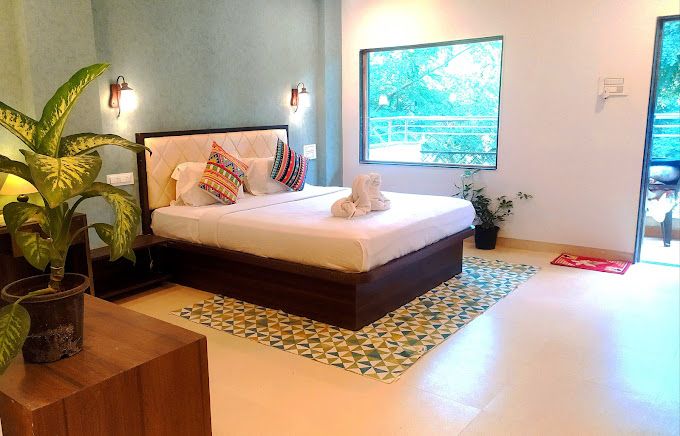
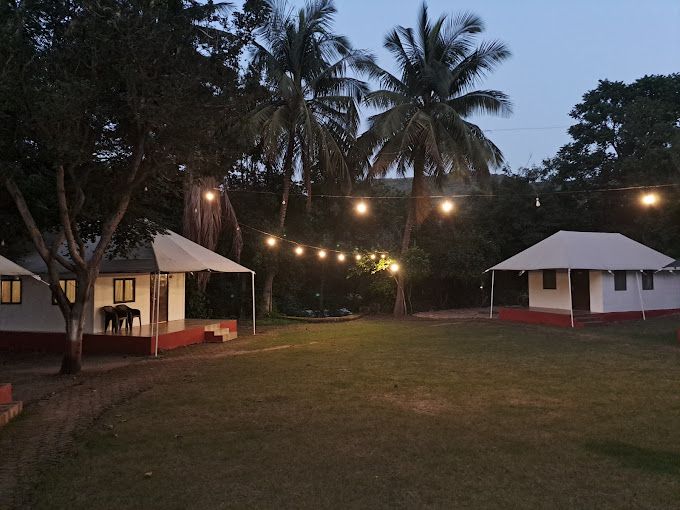
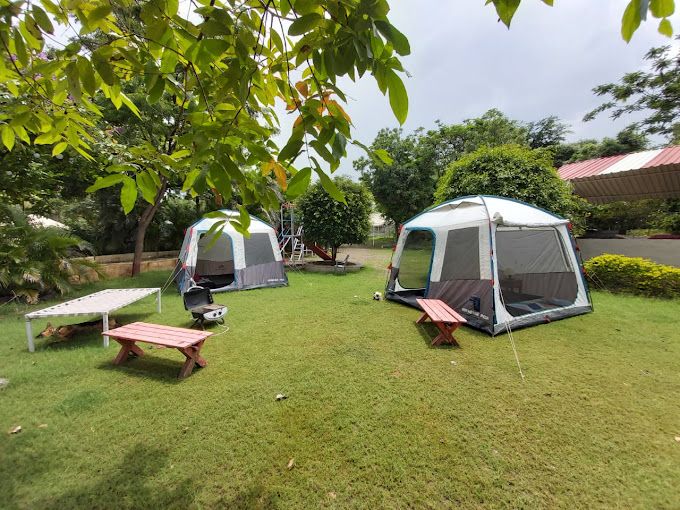
If you prefer nature-centric retreats, the rolling countryside and hills nearby feature welcoming farmstays, traditional village homestays, and rustic outdoor getaways. You can find and book vetted homestays, rural retreats, and campsites in the surrounding region on HireACamp, offering a restful base in nature after a rewarding day of architectural exploration.
Frequently asked questions
What is Vishwakarma Cave famous for?
Vishwakarma Cave is celebrated for its cathedral-style ribbed ceiling carved to mimic wooden timberwork, its acoustic prayer hall, and a massive seated Buddha sculpture flanked by intricate stone reliefs.
Which cave number is Vishwakarma Cave at Ellora?
Vishwakarma Cave is officially designated as Cave 10 within the Ellora rock-cut complex, forming the center of the Buddhist cave group.
Why is the cave called the Carpenter's Cave?
It earned the name Carpenter's Cave because ancient stonemasons carved the volcanic basalt ceiling into ribbed arches that meticulously duplicate wooden timber construction.
What is the best time of year to visit Vishwakarma Cave?
The ideal time to visit is during the cooler months from October to March, though the monsoon season from July to September also offers lush greenery and scenic waterfalls across the surrounding hills.
Are there other attractions near Vishwakarma Cave?
Yes, nearby attractions include Shivana Dam, the hill station of Mhaismal, Surpalnath Hill, the ancient Pitalkhora Buddhist Caves, Kedarkund Falls, and the historic Patna Devi Temple.
Where you'll be
Ellora, MH · 3 stays nearby shown with prices
Stays near Vishwakarma Cave
Book a place to stay close by
More places near Vishwakarma Cave
Within 20 km
Built from 0 Instagram posts by 0 creators. Every tip links back to the post it came from, and where creators disagree we show both sides.






