
Aravali Biodiversity Park
Park near Gurugram, Haryana
7.3 km from Gurugram
The nearest town, for stays, food and fuel.
Aravali Biodiversity Park is an expansive ecological reserve and restored wilderness located on the northern ridge of the Aravalli hills in Gurugram, Haryana. Once scarred by decades of stone quarrying, the land was rewilded through community effort into a thriving native forest. Travellers, runners, and nature enthusiasts visit to experience tranquil earthen trails, native woodland flora, and rich birdlife right beside the city.
Getting there
By road
- From GurugramNearest town23 min · 9.1 km
- From New Delhi42 min · 22 km
- From Dehradun4 hr · 252 km
- From Jaipur4 hr 10 min · 278 km
Typical drive times without traffic. Stations and airports from OLA Maps; distances and typical drive times from OpenStreetMap (© OpenStreetMap contributors); notes from creators' Reels.
About Aravali Biodiversity Park
Written with AI from map data and general knowledge. Check prices and timings locally before you go.
The ecological story of Aravali Biodiversity Park
The Aravalli Range is one of the oldest mountain systems in the world, once defining the natural geography and climate buffer of north-western India. For years, the section of the ridge running through Gurugram suffered heavy degradation caused by illegal mining, uncontrolled grazing, and invasive non-native plant species. The ground was left stripped of its topsoil, leaving behind rocky depressions and deep quarry pits that seemed unlikely to support natural life.
Over the past two decades, dedicated conservationists, local volunteers, and regional authorities transformed this fractured landscape into Aravali Biodiversity Park. The focus was firmly on ecological restoration rather than formal landscaping. Botanists reintroduced rare, native plants that originally grew in the Northern Aravalli dry deciduous and thorn forests. Today, the park serves as an essential green lung for Gurugram and Delhi, acting as an active wildlife corridor and an educational showcase of traditional ridge ecology.
Flora and wildlife across the trails
Unlike manicured city gardens, Aravali Biodiversity Park presents an untamed scrub and thorn forest typical of the rocky semi-arid Aravalli hills. Walking through the paths, you will notice native tree species such as dhau, salai, ronjh, kair, and hingot flourishing across the rocky ridges. Native shrubs and grasses have stabilised the fragile topsoil, allowing natural leaf litter and ground cover to replenish the stony land.
This revitalised habitat provides shelter and forage for an impressive array of wildlife. Mammals such as the golden jackal, blue bull (nilgai), Indian hare, and grey mongoose inhabit the denser thickets. Reptiles, including monitor lizards and various non-venomous snakes, play vital roles in the regenerated food web, while native butterfly species hover around seasonal wildflowers and flowering shrubs throughout the warmer months.
Read more
Birdwatching at Aravali Biodiversity Park
For birdwatchers in the National Capital Region, the park is one of the most productive nature sites. The diverse micro-habitats, ranging from dry stone cliffs to densely vegetated valleys, attract well over one hundred resident and migratory bird species across the year.
Early morning visitors frequently encounter Indian peafowl roaming the paths, along with grey francolins, rufous treepies, spotted owlets, and Indian grey hornbills call from the canopies. During the cooler winter months, the park welcomes migratory species like the red-breasted flycatcher, common chiffchaff, bluethroat, and various raptors that scan the open scrub for prey. Bring a pair of binoculars and walk quietly along the winding dirt tracks to catch sight of smaller warblers and babblers flitting through the undergrowth.
Things to do at Aravali Biodiversity Park
The park provides a quiet outdoor environment where visitors can step away from urban traffic and immerse themselves in nature. The unpaved dirt tracks and gentle elevation changes make it a favourite destination for morning runners, fitness walkers, and hikers looking to train on uneven terrain. Cycling enthusiasts often ride along the designated pathways, enjoying the refreshing morning air under tree cover.
Nature photography is another rewarding activity here, whether capturing rocky ridge vistas, close-up details of arid-zone wildflowers, or birds perched on deadwood. If you are interested in botany and forestry, the park offers an insightful look into how neglected terrain can be regenerated with deliberate ecological planning. Families and solo travellers also use the quieter benches and shaded spots for reading, drawing, or simple mindful rest.
Best time to visit the park
The optimal period to explore Aravali Biodiversity Park is during the cooler months from October to March. During winter, daytime temperatures in Haryana remain comfortably mild, making it ideal for walking across sunlit ridges and spotting migratory birds active during late mornings.
The monsoon season, running from July to September, transforms the dry scrubland into a vibrant wash of green as seasonal grasses and creepers carpet the rocky floor. Early mornings in the monsoon offer crisp air and dramatic cloudscapes over the ridge. In contrast, summer months between April and June bring intense heat and dry conditions; if you visit during summer, plan your excursion for the earliest dawn hours to avoid harsh sun exposure.
How to reach Aravali Biodiversity Park
Aravali Biodiversity Park is situated on the Mehrauli-Gurgaon corridor, making it conveniently reachable from both central Gurugram and South Delhi. The park sits within straightforward driving distance of key residential and commercial hubs across Haryana and the capital.
Visitors travelling by car or taxi can access the park entrances off the main regional connecting roads. For those using rapid transit, the park is easily reached via local public transport and suburban metro lines that serve the Delhi-Gurugram boundary. Once at the gate, vehicles are restricted to external parking areas so that the interior trails remain peaceful and pedestrian-focused.
Places to visit nearby
A visit to Aravali Biodiversity Park pairs well with other historical and outdoor attractions nearby. Located roughly 10 kilometres away are the ancient monuments of Qutab Minar and the expansive Mehrauli Archaeological Park Walk, where centuries of medieval heritage sit among shaded groves. The Garden of Five Senses is also around 10 kilometres from the park, offering themed outdoor spaces.
Slightly further towards central Delhi, around 12 to 17 kilometres away, you can visit Hauz Khas Fort, Safdarjung Tomb, and Lodhi Garden for heritage strolls. Heritage lovers can also extend their day trips to Humayun's Tomb, Sunder Nursery, and the National Museum, all situated roughly 19 to 20 kilometres away, highlighting the deep cultural and architectural richness of the surrounding region.
Where to stay near Aravali Biodiversity Park
Whether you are stopping over during a weekend getaway or exploring the green sanctuaries of Haryana and Delhi, finding comfortable accommodation near Gurugram is straightforward. Options in the area range from quiet urban homestays and heritage-inspired properties to nature retreats situated towards the outskirts of the Aravalli hills.
To find authentic homestays, nature retreats, and outdoor getaways in the region, check listings on HireACamp. Booking local stays allows you to start your morning walks early, enjoying the quiet trails of Aravali Biodiversity Park before city traffic picks up.
Frequently asked questions
What is the best time of day to explore Aravali Biodiversity Park?
Early mornings are ideal for exploring the park, as the air is fresh, wildlife and birds are most active, and temperatures remain pleasant before midday heat sets in.
Are there entry fees or set opening hours for the park?
Operating hours and gate policies can change across seasons. It is recommended to check locally with municipal authorities or park signage on arrival for current timings and access guidelines.
Can I cycle inside Aravali Biodiversity Park?
Cycling is generally allowed along designated wide gravel paths, though cyclists are expected to yield to pedestrians and maintain moderate speeds to avoid disturbing wildlife.
What should I wear and carry during my visit?
Wear sturdy walking or running shoes suitable for uneven gravel trails, comfortable cotton clothing, and sun protection. Carry your own drinking water in a reusable bottle, as commercial stalls are not available inside the forested zones.
Is the park suitable for children and senior citizens?
Yes, though visitors should note that most trails consist of unpaved gravel and mild inclines. Stick to the wider, flatter main trails near the entrance if visiting with young children or elders.
Where you'll be
Gurugram, HR · 4 stays nearby shown with prices
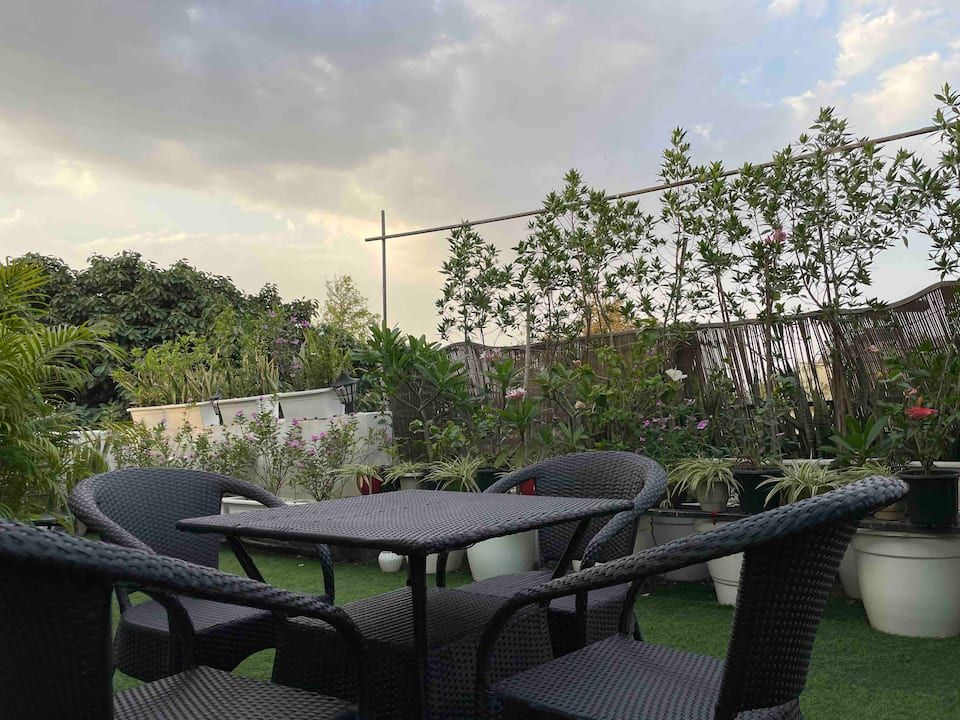
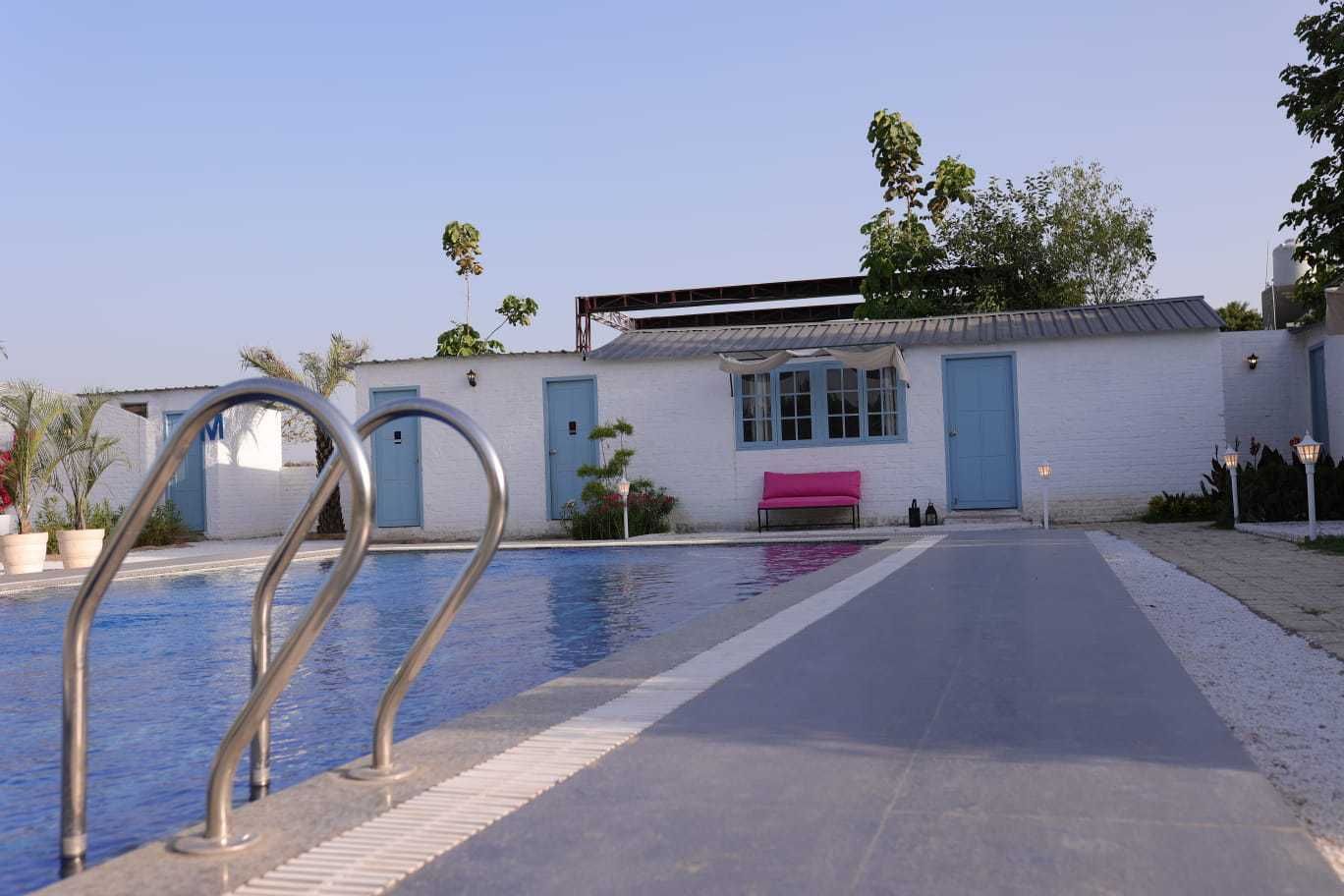
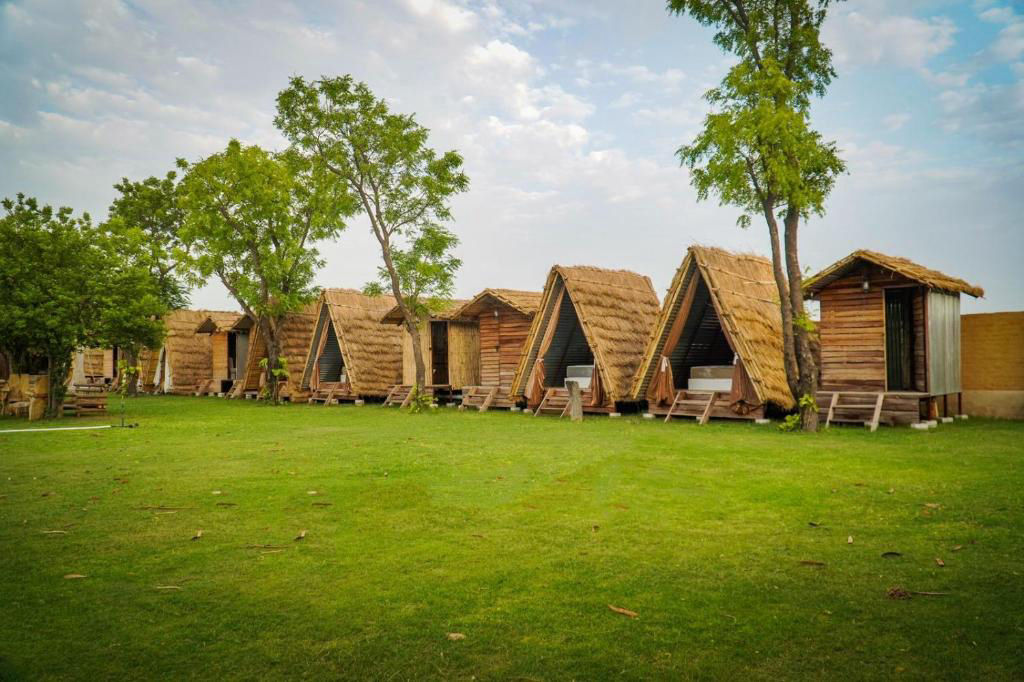
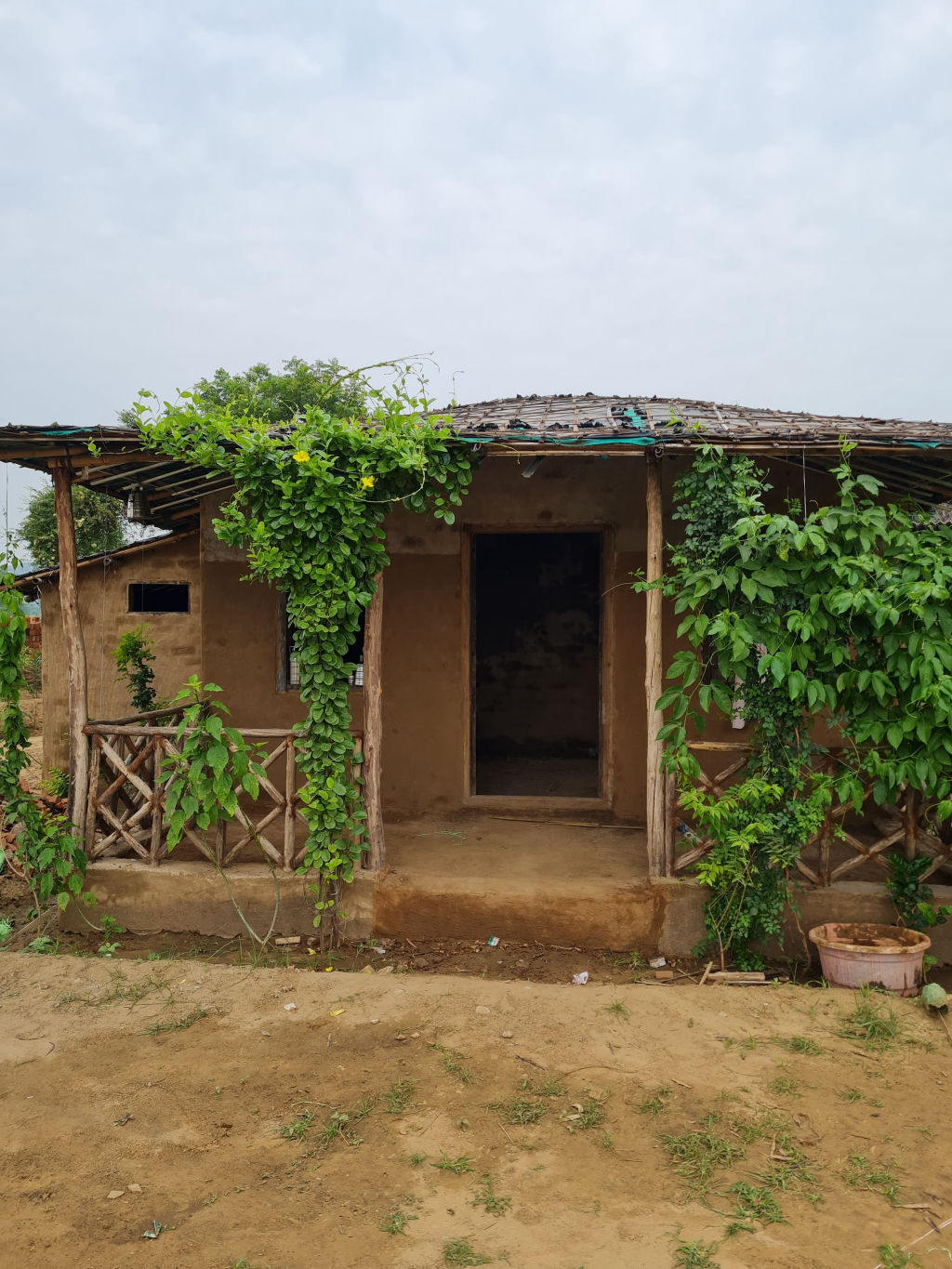
Stays near Aravali Biodiversity Park
Book a place to stay close by
More places near Aravali Biodiversity Park
Within 20 km


Lists for this area
Ranked by how many creators recommend each place


Built from 0 Instagram posts by 0 creators. Every tip links back to the post it came from, and where creators disagree we show both sides.






