
Aritar
Destination in Sikkim
Aritar is a quiet settlement situated in the hills of East Sikkim, positioned along the edge of the historic Old Silk Route. Surrounded by pine forests, terraced farmland, and traditional mountain villages, it draws travellers looking for peaceful nature walks, regional heritage, and views of Mount Kanchenjunga. Its central feature, Lampokhari Lake, along with nearby viewpoints and forested sanctuaries, makes it a grounding stop before journeying into the higher altitude borderlands of Sikkim.
Getting there
About Aritar
Written with AI from map data and general knowledge. Check prices and timings locally before you go.
About Aritar
Located in the Pakyong district of East Sikkim, Aritar sits at an elevation of roughly 1,498 metres above sea level. Unlike the busier transit hubs of the state, Aritar retains the slow pace of a traditional Himalayan hamlet. The surrounding terrain is characterised by emerald-green agricultural terraces, dense clusters of pine and fir, and sweeping valleys shaped by mountain streams.
The village has historical significance tied to the Old Silk Route, an ancient trade network that once connected Lhasa in Tibet to the plains of Bengal through the high-altitude passes of Sikkim. In the late nineteenth and early twentieth centuries, British political officers and local traders traversed this region, leaving behind administrative heritage such as the heritage Dak Bungalow built in 1902. Today, Aritar balances this colonial and trans-Himalayan legacy with indigenous ethnic heritage, particularly that of the Rai, Bhutia, and Lepcha communities.
Things to see and do in Aritar
The focal point of any visit to Aritar is Lampokhari, also known as Aritar Lake. This boot-shaped natural lake is one of the oldest in Sikkim and has been carefully developed with paved walking paths that circle its perimeter under dense pine cover. Boating is available on the emerald-tinted water, and the pathway provides a gentle route for birdwatching and leisurely strolls.
Perched on a ridge directly above the lake is the Mankhim viewpoint and temple. Dedicated to the indigenous Rai community's ancestral traditions, Mankhim provides a panoramic vantage point overlooking Lampokhari Lake below and the snow-covered peaks of the Kanchenjunga range in the distance. The walk up to Mankhim winds through quiet woodland trails and village houses.
Travellers interested in regional spirituality can visit Aritar Gumpa, one of the oldest monasteries in the area, known for its traditional Buddhist architecture, carved woodwork, and painted murals. Nearby, the historic Dak Bungalow offers a glimpse into early administrative expeditions into the eastern Himalayas. The surrounding walking trails also lead past Changey Waterfall and small rural hamlets where visitors can observe cardamom farming and local mountain agriculture.
Read more
Getaways and trails around Aritar
Aritar functions as a gateway to several outdoor excursions and wildlife zones in eastern Sikkim. Just a short drive uphill leads to the edges of the Pangolakha Wildlife Sanctuary, a biodiversity hotspot that connects Sikkim with Bhutan and the Neora Valley. The sanctuary is rich in Himalayan flora, dense bamboo thickets, and mixed rhododendron forests that provide habitat for red pandas, Himalayan black bears, and a diverse variety of high-altitude birds.
For trekkers, routes leading towards Richi La peak present an opportunity to hike along the border ridge separating Sikkim, West Bengal, and Bhutan. The trail passes through untamed forests and exposed ridgelines that offer dramatic vistas across deep valleys on clear days.
Continuing past Aritar along the winding mountain highways brings travellers deeper into the Silk Route circuit. High vantage points like Lungthung and the surrounding plateau look out over zig-zag mountain roads and alpine meadows. These higher regions require advance planning and local transport arrangements, as elevations climb rapidly beyond Aritar.
Best time to visit Aritar
The ideal time to visit Aritar is during spring, from March to May, and in autumn, from October to mid-December. During the spring months, temperatures remain moderate and comfortable for outdoor exploration, while wildflowers, orchids, and rhododendrons bloom across the surrounding forests and hillsides.
Autumn brings crisp, dry air and generally cloud-free skies, offering the clearest views of the eastern Himalayan peaks and Mount Kanchenjunga. Late autumn and early winter, from November through December, bring colder mornings and evenings, requiring heavy woollens, but daylight hours are often bright and sunny.
The monsoon season, extending from June through September, brings intense rainfall to East Sikkim. While the terraced fields turn vibrant green, heavy rains frequently lead to road closures, roadblocks, and minor landslips along mountain access corridors. Travel during the peak monsoon requires flexibility and close attention to local weather updates.
How to reach Aritar
Reaching Aritar involves travelling by road through the Himalayan foothills. The nearest operational airport is Pakyong Airport, located roughly two to three hours away by taxi, though flight schedules depend heavily on weather conditions. The larger, all-weather aviation hub is Bagdogra International Airport in West Bengal. The nearest major railhead is New Jalpaiguri (NJP) Railway Station, which connects to major cities across India.
From either Bagdogra or New Jalpaiguri, the road journey typically takes between four and five hours under normal traffic conditions. The drive follows the Teesta River past Sevoke and Rangpo, before ascending along hill roads via Rorathang or Pedong into East Sikkim.
Private and shared taxis are readily available at Siliguri, NJP, and Rangpo. Because Aritar is close to border zones and the higher stretches of the Silk Route, travellers should carry government-issued identity cards and passport-sized photographs, as domestic and international entry documentation may be required at regional checkpoints.
Where to stay in Aritar
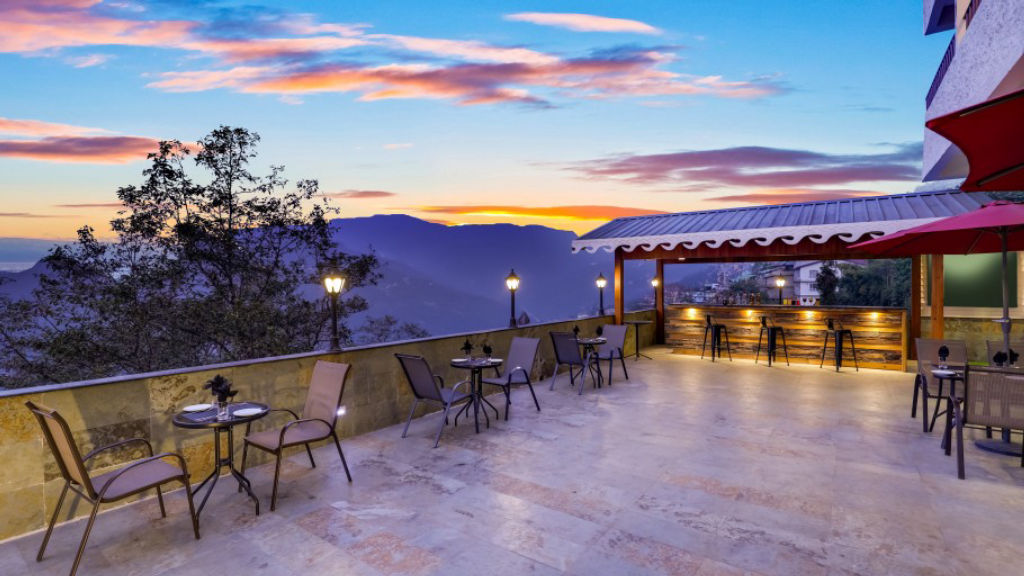
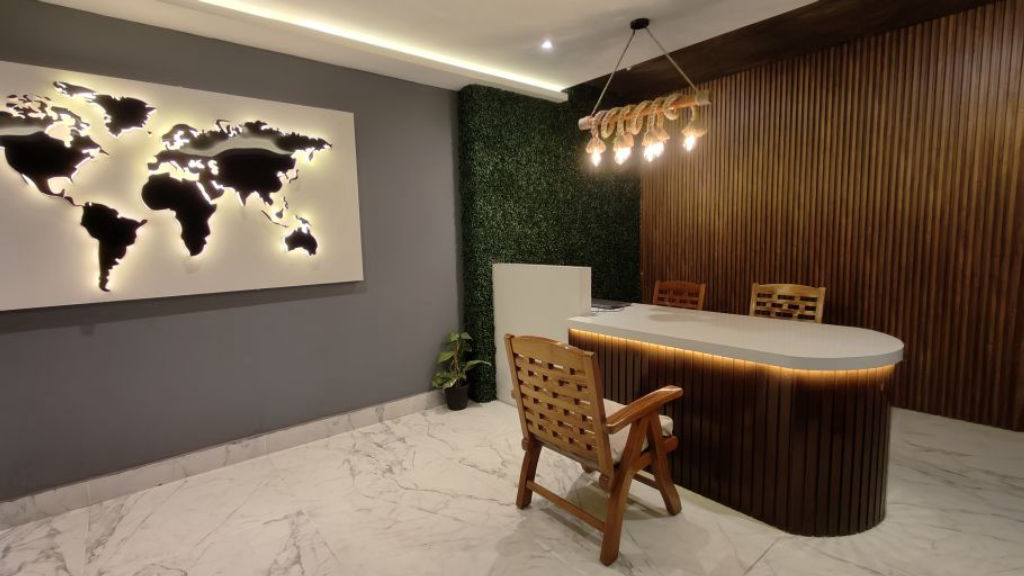
Accommodation in Aritar is largely oriented around homestays and community-run guesthouses. Staying with local families offers a warm introduction to Sikkim's mountain hospitality, including home-cooked meals prepared with locally harvested organic ingredients like squash, nettles, and farm vegetables.
There are also small rural retreats and nature camps scattered across the slopes surrounding Lampokhari Lake and Mankhim ridge. These stays cater well to those looking for quiet surroundings, birdsong, and unhindered night skies away from town centres. Travellers can find and book vetted homestays, cottages, and camps in and around Aritar on HireACamp.
Frequently asked questions
Do Indian travellers need a permit to visit Aritar?
Aritar itself generally does not require a special inner line permit for Indian nationals, but carrying valid government identity proof is mandatory. However, if you plan to travel further up the Old Silk Route toward Zuluk, Lungthung, or Kupup, permits are required and can be arranged locally through registered operators or tourism offices.
What is Lampokhari Lake famous for?
Lampokhari Lake in Aritar is known for being one of Sikkim's oldest natural lakes and is notable for its distinct boot shape and deep emerald-green waters. It is also one of the few high-altitude lakes in Sikkim that offers paddle boating along with a paved walking trail around its perimeter.
Can you see Mount Kanchenjunga from Aritar?
Yes, clear views of Mount Kanchenjunga and adjacent Himalayan summits can be seen from elevated viewpoints in Aritar, especially from the Mankhim ridge. The best chances of clear mountain views are early in the morning during the autumn and winter months.
How many days should I spend in Aritar?
A stay of two to three days is ideal to experience Aritar at an unhurried pace. This gives you sufficient time to walk around Lampokhari Lake, visit local monasteries and viewpoints, and take day trips into adjacent forest areas or along the lower Silk Route circuit.
Where you'll be
2 stays nearby shown with prices
Stays near Aritar
Book a place to stay close by
Things to do in Aritar
47 places creators recommend within 30 km


Lists for this area
Ranked by how many creators recommend each place


Built from 0 Instagram posts by 0 creators. Every tip links back to the post it came from, and where creators disagree we show both sides.






