
Badrinath Group of Temples
Temple near Dwarahat, Uttarakhand
300 m from Dwarahat
The nearest town, for stays, food and fuel.
The Badrinath Group of Temples is an ancient cluster of stone shrines located in the historic temple town of Dwarahat in Uttarakhand. Preserved by the Archaeological Survey of India, these medieval shrines were built during the Katyuri dynasty and dedicated primarily to Lord Vishnu. Travellers and heritage enthusiasts visit Dwarahat to marvel at the intricate stone masonry, peaceful mountain surroundings, and centuries-old Himalayan temple architecture.
Getting there
By road
- From DwarahatNearest town3 min · 1.1 km
- From Dehradun6 hr 15 min · 308 km
- From New Delhi8 hr 30 min · 401 km
- From Chandigarh9 hr 55 min · 477 km
Typical drive times without traffic. Stations and airports from OLA Maps; distances and typical drive times from OpenStreetMap (© OpenStreetMap contributors); notes from creators' Reels.
About Badrinath Group of Temples
Written with AI from map data and general knowledge. Check prices and timings locally before you go.
About the Badrinath Group of Temples
The Badrinath Group of Temples forms a significant part of the historical heritage of Dwarahat, a serene town nestled in the Kumaon hills of Uttarakhand. Often referred to as a town of ancient shrines, Dwarahat flourished under the patronage of the Katyuri kings between the eleventh and thirteenth centuries. Among the various clusters scattered across the valley, the Badrinath group stands out for its well-preserved Nagara-style stone architecture and religious importance.
Maintained and protected by the Archaeological Survey of India, the central temple in this complex is dedicated to Lord Badrinath, an incarnation of Vishnu, accompanied by smaller companion shrines within the same precinct. The complex offers a glimpse into a time when stone carving and classical temple construction thrived in the lower Himalayan valleys. Unlike major pilgrimage centres that draw bustling crowds, this heritage site retains an aura of quiet dignity, making it a rewarding stop for heritage lovers, photographers, and travellers exploring the heritage trails of Almora and Ranikhet.
Architectural Heritage and History
The architecture of the Badrinath Group of Temples reflects the signature medieval North Indian temple design, particularly the curvilinear spire known as the shikhara. Built entirely of locally quarried dressed stone without the use of binding mortar, the structures rely on interlocking blocks that have remarkably withstood centuries of harsh mountain weather and seismic activity.
The main sanctum houses a revered idol of Lord Vishnu, while the exterior walls and doorframes feature finely carved motifs of deities, floral scrolls, and geometric patterns typical of Katyuri craftsmanship. The mandapa, or entrance porch, leads into the inner sanctum, where the air remains naturally cool and quiet. Walking through the paved stone courtyard allows you to inspect the subsidiary shrines that surround the primary structure, each built with proportionate attention to detail. The ensemble demonstrates the profound influence of classical Indian temple arts blending harmoniously with regional Himalayan stone-carving traditions.
Read more
Best Time to Visit
Dwarahat experiences a temperate mountain climate, making the Badrinath Group of Temples accessible throughout the year, though each season brings a distinct atmosphere to the town.
The months from March to June offer pleasant weather with clear skies and mild temperatures, making it the ideal season for outdoor sightseeing, leisurely walks, and photography. The surrounding terraced fields and pine forests are green and welcoming during these spring and early summer months.
Monsoon season, stretching from July to September, blankets the Kumaon hills in lush greenery and drifting mist. While the rain enhances the dramatic appearance of the ancient wet stone, road travel in the hills can occasionally be disrupted by heavy showers, so checking weather and road conditions beforehand is advisable.
From October to February, autumn and winter arrive with crisp mountain air, brilliant sunny days, and chilly nights. Winters can get quite cold, especially in December and January, but the clear skies offer sharp views of the distant snowy ranges, making it an excellent time for travellers who enjoy brisk mountain weather and quiet heritage walks.
How to Reach Dwarahat
Dwarahat is located in the Almora district of Uttarakhand and is well connected by road to major towns in the Kumaon region such as Ranikhet, Almora, and Haldwani.
If you are arriving by train, the nearest broad-gauge railway station is Kathgodam, situated in the Himalayan foothills. From Kathgodam, local taxis and shared transport regularly run uphill towards Ranikhet and Dwarahat. The scenic road journey winds through pine-covered slopes, mountain streams, and terraced valleys.
For those travelling by air, the closest operational airport is Pantnagar Airport. Taxis can be hired directly from the airport to Dwarahat. Travellers driving from Delhi or Dehradun generally take the road route via Moradabad, Kashipur, Corbett, or via Haldwani and Bhimtal. Regular state transport buses and private vehicles also link Dwarahat to nearby regional hubs like Chaukhutia, Someshwar, and Ranikhet.
Places to Explore Around Dwarahat
Dwarahat is packed with history, and exploring beyond the Badrinath cluster reveals other fascinating temple groups scattered through the settlement, including the Gujar Deo temple, the Bandan Deo shrines, and the Ratan Deo complex. A short walk around the town provides an intimate look at traditional Kumaoni village life and stone architecture.
A short drive up into the hills takes you to the serene ridge of Dunagiri, home to the revered Dunagiri Temple perched atop a forested hill with expansive views of the lower Himalayas. Nature enthusiasts can also explore the quieter pine trails near Manila, known for its ridge-top vantage points and village shrines like the Manila Devi Mandir.
Further outward, the hill station of Ranikhet offers golf grounds, heritage churches, and orchard walks, while the wild foothills around Corbett National Park lie within driving distance down the valley. Combining the heritage sites of Dwarahat with nearby nature viewpoints creates a diverse and fulfilling travel itinerary.
Tips for Your Visit
When planning your visit to the Badrinath Group of Temples, keep in mind that the complex is both an active place of worship and a nationally protected archaeological monument. Visitors are expected to remove their footwear before stepping onto the temple platforms or entering sanctums.
Dress modestly and respect the local customs of the village community that lives around the monument. The temple complex is surrounded by quiet residential lanes and traditional stone houses, so keep noise levels to a minimum to preserve the serene atmosphere.
Because the courtyard is paved with stone that can become quite warm in peak summer afternoons and very cold in winter, visiting during early morning or late afternoon provides the most comfortable experience. Carry water, a hat for sunny midday hours, and comfortable walking shoes suitable for exploring the stone pathways and adjoining town trails. Local guidelines regarding photography within the sanctums should always be confirmed on site.
Where to Stay
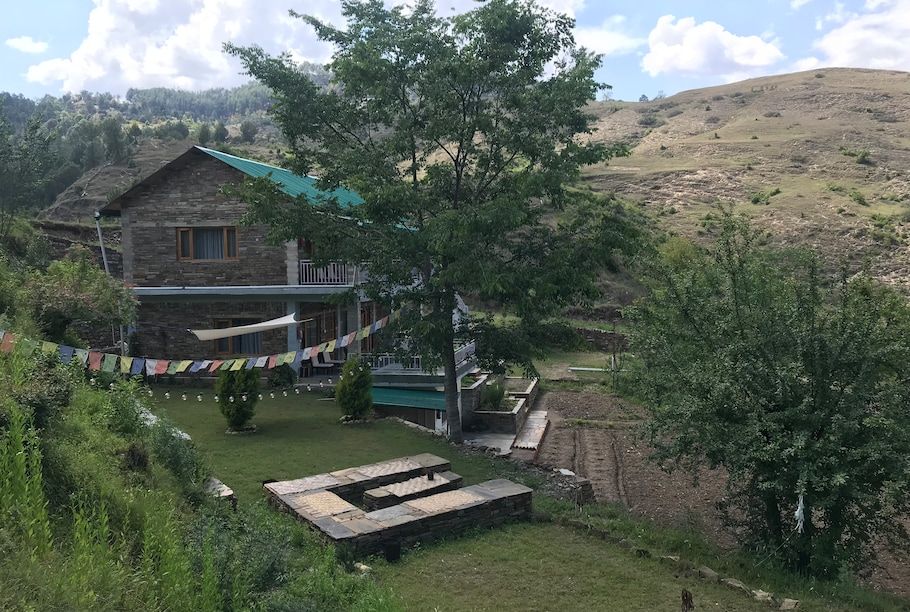
Dwarahat and the surrounding valleys of Kumaon offer a quiet and rustic retreat away from commercial tourism. Staying close to Dwarahat gives you the opportunity to wake up to temple bells and peaceful morning walks along terraced hillsides.
Travellers can find a range of experiential stays, nature camps, and authentic local homestays in the area on HireACamp. Booking a homestay or campsite allows you to experience warm Kumaoni hospitality, enjoy freshly cooked local meals, and explore the region's historical trails at an easy, unhurried pace.
Frequently asked questions
Where is the Badrinath Group of Temples located?
The Badrinath Group of Temples is located in the town of Dwarahat in the Almora district of Uttarakhand, India, preserved under the care of the Archaeological Survey of India.
Who built the Badrinath Group of Temples in Dwarahat?
These temples were constructed during the reign of the Katyuri kings between the eleventh and thirteenth centuries as part of an extensive temple-building period in the Kumaon region.
What is the best season to visit Dwarahat?
The best time to visit is from March to June for pleasant weather and from October to February for clear mountain skies and crisp winter air.
Is photography allowed at the Badrinath Group of Temples?
Photography is generally permitted in the outdoor temple courtyards, but travellers should check local guidelines before photographing inside the inner sanctums.
What is the nearest railway station to the temple?
The nearest major railway station is Kathgodam, from where regular mountain taxis and buses are available to reach Dwarahat.
Where you'll be
Mathpal Khola, archeological survey of india, C/o, Hat, Dwarahat · 1 stay nearby shown with prices
Stays near Badrinath Group of Temples
Book a place to stay close by
More places near Badrinath Group of Temples
Within 20 km
Built from 0 Instagram posts by 0 creators. Every tip links back to the post it came from, and where creators disagree we show both sides.






