
Mrityunjay Mandir
Temple near Dwarahat, Uttarakhand
300 m from Dwarahat
The nearest town, for stays, food and fuel.
Mrityunjay Mandir is an ancient stone temple dedicated to Lord Shiva, situated along Ranikhet Road in the historical town of Dwarahat, Uttarakhand. Built during the reign of the Katyuri dynasty, it stands out for its intricate masonry, timeless spiritual atmosphere, and deep architectural heritage. Travellers and pilgrims visit Dwarahat to marvel at its carved stone sanctuaries and soak in the peaceful pace of rural Kumaon.
Getting there
By road
- From DwarahatNearest town3 min · 1 km
- From Dehradun6 hr 15 min · 308 km
- From New Delhi8 hr 30 min · 401 km
- From Chandigarh9 hr 55 min · 477 km
Typical drive times without traffic. Stations and airports from OLA Maps; distances and typical drive times from OpenStreetMap (© OpenStreetMap contributors); notes from creators' Reels.
About Mrityunjay Mandir
Written with AI from map data and general knowledge. Check prices and timings locally before you go.
History and architecture of Mrityunjay Mandir
Dwarahat has long been recognised as an open-air museum of medieval Kumaoni stone architecture. During the reign of the Katyuri kings between the eleventh and thirteenth centuries, the region saw the construction of dozens of intricately carved shrines grouped into clusters. Mrityunjay Mandir belongs to this extraordinary wave of craftsmanship. Dedicated to Lord Shiva as the conqueror of death, the temple is constructed using dressed stone blocks fitted without mortar, typical of the regional Nagara architectural idiom of northern India.
The shikhara or tower of Mrityunjay Mandir rises gracefully above the sanctum, adorned with traditional ribbed mouldings and carved relief motifs. Inside, the quiet garbhagriha houses the Shivalinga, retaining a cool, sheltered serenity that contrasts with the sunny mountain terraces outside. Weathered by centuries of mountain rain and winter chill, the stone surfaces carry a distinctive patina that speaks to the endurance of medieval Himalayan craftsmanship.
The spiritual and cultural setting of Dwarahat
The town of Dwarahat sits in a broad, terraced valley framed by pine-covered hills in the Almora district. Historically, it served as an important seat of regional power and a vibrant trading post along old pilgrimage routes traversing central Kumaon. The local culture remains deeply intertwined with devotion to Mahadev, village deities, and seasonal agricultural rites.
Visiting Mrityunjay Mandir offers an intimate look into daily life in a Himalayan heritage town. Unlike large pilgrimage centres with dense crowds and commercial noise, this shrine retains an unhurried, contemplative rhythm. Early mornings often see local residents paying their respects with modest offerings of spring water, wild flowers, and bilva leaves, followed by quiet walks through the stone-paved lanes that weave through the valley.
Read more
Best time to visit Mrityunjay Mandir
Dwarahat experiences pleasant mountain weather for much of the year, but the ideal window to visit is between March and June, and again from September to November. Spring brings blooming orchards, wildflower carpets, and clear blue skies, making it comfortable to explore the stone temples on foot without the chill of high winter.
Autumn, following the monsoon retreat in September, offers exceptional clarity across the valley. The surrounding ridgelines appear sharp, and crisp mornings transition into warm, golden afternoons. Winter, from December through February, can be quite cold, with night temperatures frequently dropping near freezing, though days remain sunny and bright. During the monsoon months of July and August, the Kumaon hills turn lush green, but heavy showers can lead to travel delays or landslides on mountain highways, so travellers should check road conditions before heading out.
How to reach Dwarahat
Mrityunjay Mandir is located directly off Ranikhet Road within Dwarahat, making it easily accessible on foot or by local taxi once you arrive in town. Dwarahat itself is well connected to major transit hubs in Uttarakhand by state highways and arterial mountain roads.
The nearest railway terminus is Kathgodam, located at the base of the Kumaon foothills. From Kathgodam, shared taxis, private cabs, and state transport buses run regularly toward Ranikhet, Almora, and Dwarahat. The scenic drive winds through pine forests, oak woodlands, and river valleys. For air travel, Pantnagar Airport is the closest domestic option, from where road transport connects upwards into the hills. If you are travelling from Delhi or the National Capital Region, the route typically passes through Moradabad, Haldwani, and Bhimtal or Ranikhet before reaching Dwarahat.
Tips for visiting Mrityunjay Mandir
As Mrityunjay Mandir is a functioning and revered shrine, visitors are expected to maintain respectful decorum. Remove your footwear before stepping onto the stone platform surrounding the temple sanctum. Modest attire covering shoulders and knees is recommended out of respect for local customs.
Carry some cash for small purchases, as small village stalls along Ranikhet Road may not always have stable digital payment networks. The stone floors can be cold in the morning and evening, especially during autumn and winter, so wearing thick woollen socks can make barefoot walking around the shrine courtyard more comfortable. Photography of the exterior stone carvings is generally permitted, but it is best to ask permission locally before photographing the sanctum interior or any ongoing prayers.
Places to visit around Dwarahat
Dwarahat is an ideal base for exploring lesser-known natural and cultural spots in Kumaon. The historic hill station of Ranikhet, known for its sprawling golf meadows and views of the snow-capped Trishul and Nanda Devi peaks, is an easy excursion along the same highway corridor.
Nature lovers can venture outward to Tarag Tal, a seasonal lake nestled amid rolling slopes, or explore the quiet, breezy ridgelines of Manila, which offers panoramic views of the western Kumaon hills and the sacred Manila Devi shrines. Further along the mountain routes, old fortress viewpoints like Gujru Garhi provide scenic walking trails through mixed oak and rhododendron forests, offering travellers a gentle balance of local history and outdoor exploration.
Where to stay near Mrityunjay Mandir
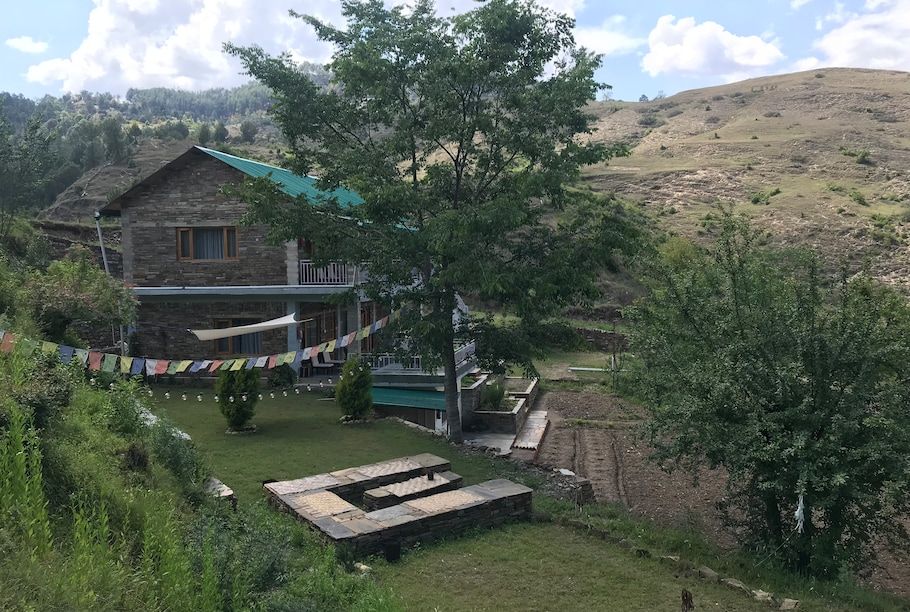
Dwarahat and the surrounding villages provide an authentic taste of mountain hospitality away from tourist crowds. Travellers can find rustic riverside campsites, traditional Kumaoni homestays, and quiet village retreats in and around the valley on HireACamp.
Opting for a homestay in the region allows you to sample homegrown Kumaoni meals prepared with local lentils, winter grains, and hill greens, while riverside camps along nearby valleys give outdoor enthusiasts a chance to stargaze beneath clear Himalayan skies.
Frequently asked questions
Which deity is worshipped at Mrityunjay Mandir?
The temple is dedicated to Lord Shiva worshipped in his form as Maha Mrityunjaya, the vanquisher of death and granter of longevity.
Who built Mrityunjay Mandir in Dwarahat?
The temple was built by the rulers of the Katyuri dynasty, who governed the Kumaon region and established numerous stone temple complexes in Dwarahat between the eleventh and thirteenth centuries.
Is Mrityunjay Mandir easy to access?
Yes, the temple is situated along Ranikhet Road in Dwarahat and can easily be reached on foot or by local vehicle from anywhere within the town.
Are there specific entry fees or timings for visiting?
There are no formal ticketing booths, but local opening hours and temple routines can vary according to seasons and daily prayers, so it is recommended to check locally when you arrive.
Can I visit Mrityunjay Mandir in winter?
Yes, Dwarahat remains accessible throughout the winter months, offering crisp, sunny days, although you should carry adequate warm woollen clothing for cold mornings and nights.
Where you'll be
Ranikhet Road, Dwarahat · 1 stay nearby shown with prices
Stays near Mrityunjay Mandir
Book a place to stay close by
More places near Mrityunjay Mandir
Within 20 km
Built from 0 Instagram posts by 0 creators. Every tip links back to the post it came from, and where creators disagree we show both sides.






