
Dwarahat
Destination in Uttarakhand
Dwarahat is a historic heritage town situated in the Almora district of the Kumaon region in Uttarakhand. Set amidst terraced hills, pine groves, and mountain valleys, it is famous for its surviving clusters of ancient stone temples built during the medieval Katyuri dynasty. Travelers visit Dwarahat to immerse themselves in timeless Himalayan architecture, experience peaceful village walks, and enjoy panoramic views of the surrounding ridges.
Getting there
By road
- From Dehradun6 hr 15 min · 308 km
- From New Delhi8 hr 30 min · 402 km
- From Chandigarh9 hr 55 min · 478 km
Typical drive times without traffic. Stations and airports from OLA Maps; distances and typical drive times from OpenStreetMap (© OpenStreetMap contributors); notes from creators' Reels.
About Dwarahat
Written with AI from map data and general knowledge. Check prices and timings locally before you go.
Heritage and history of Dwarahat
Dwarahat holds an esteemed place in the cultural geography of Kumaon. Historically, the town served as a prominent seat of power for the Katyuri dynasty, which ruled broad swathes of the central Himalayas between the eighth and twelfth centuries. The name Dwarahat literally translates to the market of doors or way to heaven, reflecting its legacy as an important junction along traditional Himalayan trade and pilgrim routes.
The town is renowned for dozens of ancient stone temples grouped into distinctive architectural clusters. Built in the classic North Indian Nagara style, these shrines feature tall stone shikharas, carved spires, and intricate relief work depicting deities, mythological figures, and traditional geometric motifs. Many of these structures remain protected heritage sites, offering visitors a rare and direct window into medieval mountain masonry and regional devotional life.
Things to do in Dwarahat
The primary pursuit for most travelers arriving in Dwarahat is exploring the town's scattered temple groups. Walking through the narrow pathways that connect these stone sanctuaries allows you to examine the ancient masonry up close. The temple courtyards are often unhurried and quiet, shaded by aged peepal trees and surrounded by the gentle rhythm of daily mountain life.
Beyond architecture, Dwarahat offers rewarding rural rambles. Gentle walking trails wind through traditional Kumaoni villages, past slate-roofed houses with carved wooden doorframes known as likhai, and through terraced fields of finger millet, wheat, and seasonal vegetables. Birdwatchers will find plenty to spot among the chir pine slopes and orchard fringes, including Himalayan bulbuls, verditer flycatchers, and rufous sibias.
Taking time to sample regional Kumaoni food at local tea stalls and modest eateries is another essential experience. Dishes prepared with local lentils, hemp seed chutneys, and coarse mountain grains showcase the wholesome flavors cultivated in the surrounding valleys.
Read more
Places to visit around Dwarahat
Dwarahat serves as a convenient base for exploring several picturesque spots scattered across the Almora and Pauri borderlands. A short drive up into the higher oak and rhododendron forests leads toward Dunagiri, home to a revered temple perched high on a ridge that offers expansive views of snow-crested Himalayan peaks on clear days.
Further along the ridge paths lies the tranquil region of Pandukholi, known for its high-altitude meadows, natural caves, and associations with epic folklore. Hikers can follow forest trails that lead through dense woods of oak, deodar, and pine to reach peaceful vantage points.
To the west, towards the rolling ridges of Manila, visitors can explore the peaceful village surroundings and the renowned Manila Devi Temple. The ridge around Manila offers remarkable vistas of the outer Shivalik ranges rolling down towards the plains, making it an excellent day-trip destination for travelers who enjoy quiet drives and panoramic photography.
Best time to visit Dwarahat
Dwarahat can be visited throughout the year, with each season lending a distinct character to the landscape. Spring and summer, stretching from March to June, bring pleasant daytime temperatures and cool evenings. This is the ideal period for leisurely sightseeing, walking between temple clusters, and taking day drives through the hills without encountering severe cold.
The monsoon months from July to September transform the hillsides into vibrant shades of green. Mist drifts low across the valleys, and mountain springs run full. While the countryside looks lush, travellers during this period should be prepared for sudden rain showers and check road conditions locally, as hill routes can occasionally face mud or small rockfalls.
Autumn, from October to November, is widely regarded as one of the best windows to travel. The skies turn exceptionally clear, offering crisp mountain air and sweeping vistas of the higher Himalayan ranges. Winter arrives between December and February, bringing crisp, chilly days and cold nights. While Dwarahat town itself rarely receives heavy snowfall, the surrounding higher ridges sometimes get a dusting, making winter an atmospheric time for travelers who enjoy warm layers, quiet roads, and cold-weather hiking.
How to reach Dwarahat
Dwarahat is well connected by road to major hubs within Uttarakhand. Travelers arriving from outside the state generally travel by train to Kathgodam, the primary railhead serving the Kumaon region. From Kathgodam, regular taxis and state-run transport buses travel uphill toward Dwarahat, passing through Ranikhet or Almora along scenic mountain roads.
For air travelers, the nearest airport is Pantnagar, which handles scheduled flights from select major cities. From the airport, travelers can hire taxis or use combined road transport to reach Dwarahat.
Those driving from the Delhi National Capital Region typically travel via Moradabad, Kashipur, and Ramnagar, or via Rampur, Haldwani, and Ranikhet. The drive traverses the terai plains before climbing into the forested ridges of Kumaon. Self-driving enthusiasts should anticipate winding hill roads and drive carefully, particularly around hairpin turns.
Where to stay in Dwarahat
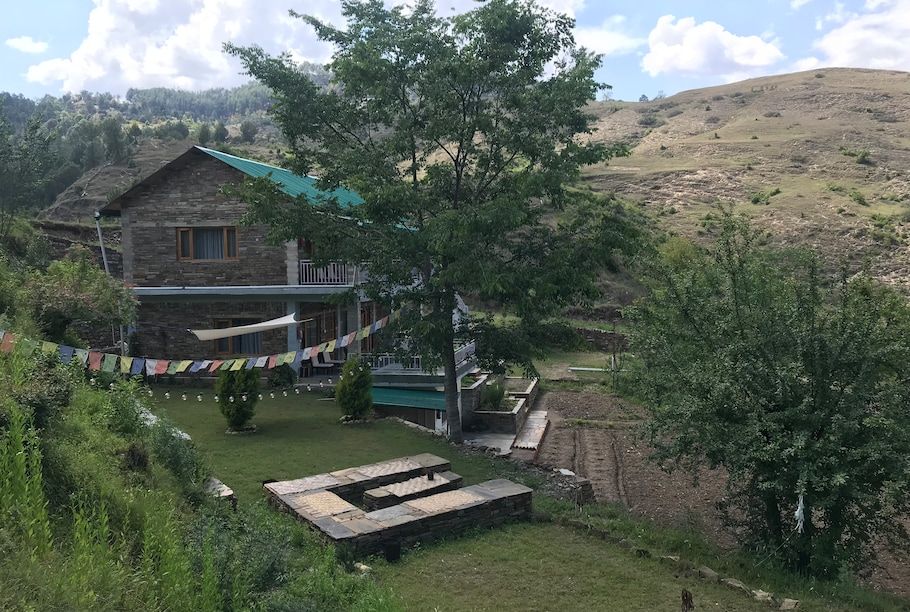
Accommodation options in and around Dwarahat are rooted in authentic mountain hospitality. The area avoids dense commercial overdevelopment, offering instead quiet family-run homestays, heritage village houses, and eco-friendly campsites tucked into the surrounding pine valleys and orchard country.
Staying in a village homestay allows you to interact directly with local hosts, learn about traditional mountain customs, and enjoy home-cooked Kumaoni meals prepared with fresh, locally harvested ingredients. For those seeking quiet outdoor getaways, camps and homestays nearby can be found on HireACamp, providing a peaceful base from which to explore the surrounding historical monuments and nature trails.
Tips for your visit
When visiting the ancient temple clusters in Dwarahat, dress respectfully and remember to remove footwear before stepping onto sanctum platforms. The stone steps and walkways inside historic temple grounds can be uneven, so sturdy, comfortable walking shoes are advisable.
Carrying sufficient cash is recommended, as banking services and automated teller machines in small mountain towns can occasionally face network disruptions or run low on currency. The weather can change quickly in the hills, so pack light woollens or a windproof jacket even during late spring and autumn, and carry thermal innerwear and heavy jackets if visiting during the peak of winter.
Frequently asked questions
What is Dwarahat famous for?
Dwarahat is famous for its cluster of ancient stone temples built during the Katyuri dynasty between the eighth and twelfth centuries, as well as its scenic setting among the pine-covered hills of Kumaon.
Which is the nearest railway station to Dwarahat?
The nearest major railway station is Kathgodam, from where travelers can find public buses and private taxis to complete the journey into the hills.
Does it snow in Dwarahat?
Dwarahat town itself experiences cold winters with frost but rarely receives heavy snowfall, although higher nearby ridges and peaks may occasionally receive light snow during mid-winter.
How many days are needed to explore Dwarahat?
A stay of two to three days is ideal to comfortably explore the town's stone temple clusters, visit nearby spots like Dunagiri and Pandukholi, and enjoy quiet village walks.
What kind of clothing should I pack for Dwarahat?
Pack light cottons with a light jacket for summer, rain gear for the monsoon months, and warm layers, thermals, and heavy woollens for travel between November and February.
Where you'll be
1 stay nearby shown with prices
Stays near Dwarahat
Book a place to stay close by
Things to do in Dwarahat
48 places creators recommend within 30 km
Built from 0 Instagram posts by 0 creators. Every tip links back to the post it came from, and where creators disagree we show both sides.






