
Kedarnath Mandir
Temple near Dwarahat, Uttarakhand
600 m from Dwarahat
The nearest town, for stays, food and fuel.
Kedarnath Mandir in Dwarahat is a historic stone temple dedicated to Lord Shiva, standing among the renowned cluster of medieval shrines in the Kumaon hills of Uttarakhand. Built during the Katyuri dynasty, it reflects the classical stone architectural style that defines the ancient temple town of Dwarahat. Visitors come to admire the enduring masonry, immerse themselves in deep spiritual quietude, and explore the region's storied past.
Getting there
By road
- From DwarahatNearest town3 min · 900 m
- From Dehradun6 hr 15 min · 308 km
- From New Delhi8 hr 30 min · 401 km
- From Chandigarh9 hr 55 min · 477 km
Typical drive times without traffic. Stations and airports from OLA Maps; distances and typical drive times from OpenStreetMap (© OpenStreetMap contributors); notes from creators' Reels.
About Kedarnath Mandir
Written with AI from map data and general knowledge. Check prices and timings locally before you go.
The heritage of Kedarnath Mandir in Dwarahat
Dwarahat has long held a cherished position in the cultural and spiritual map of Uttarakhand. The town's name literally translates to the way to heaven or a place of grand gateways, reflecting its prominence as a regional seat of power under the medieval Katyuri rulers. During this era, between the eighth and twelfth centuries, master craftsmen constructed numerous stone shrines across the valley, dedicated to various deities of the Hindu pantheon. Kedarnath Mandir is among these treasured structures, paying homage to Lord Shiva in his northern Himalayan manifestation.
Unlike larger, heavily trafficked pilgrimage hubs, the Kedarnath Mandir in Dwarahat offers an intimate glimpse into the religious life of ancient Uttarakhand. The structure has endured centuries of Himalayan weather, preserved in weathered grey stone that blends naturally with the pine-forested ridges rising around the town. For history enthusiasts, archaeology buffs, and quiet pilgrims, the shrine represents an evocative testament to ancient engineering and devotional art.
Architecture and sacred setting
The architectural character of Kedarnath Mandir adheres to the North Indian Nagara style, typical of the medieval Katyuri monuments in the Almora region. The shrine features a ribbed stone tower or shikhara, capped with an amalaka and finial. The exterior walls showcase sculpted niches, ornamental friezes, and carved stone blocks assembled using traditional interlocking masonry techniques that required little to no mortar.
Inside the sanctum, the atmosphere remains cool, dimly lit, and profoundly tranquil. The natural stone floor and walls absorb the gentle warmth of oil lamps during daily worship rituals. The temple courtyard opens out toward the rolling ridges of the Kumaon mid-Himalayas, where terraced fields and stands of chir pine shape the horizon. The absence of commercial clutter allows travellers to observe the carved detailing at leisure and appreciate how seamlessly the monument fits into its rural mountain landscape.
Read more
Best time to visit Kedarnath Mandir
Dwarahat experiences a mild temperate climate through much of the year, making Kedarnath Mandir accessible across all four seasons. Autumn, spanning from late September through November, is widely regarded as the most pleasant time to visit. During these months, the post-monsoon air clears out dust and moisture, unveiling crisp blue skies and sharp views of distant Himalayan ridges. The daytime temperatures remain comfortable for walking, while evenings bring a crisp mountain chill.
Spring, from March to early May, brings blooming rhododendrons and pleasant daytime weather across the surrounding hillsides. Summer is generally mild compared to the northern plains, offering a welcome refuge from intense heat, though afternoon temperatures can climb moderately. Winters from December to February are distinctly cold, with frosty mornings and chilly winds sweeping through the valley. Travellers visiting during winter should dress warmly in thick woollens, though the bright, sunny mid-days are particularly rewarding for exploring the open-air temple grounds.
How to reach Dwarahat
Kedarnath Mandir is located in Dwarahat, which is well connected by paved roads to prominent hill stations and transit centres in Uttarakhand. Kathgodam serves as the nearest major railway terminal, situated approximately one hundred kilometres to the south. Taxis, shared jeeps, and regional state buses run frequently from Kathgodam and Haldwani up into the hills toward Ranikhet and Dwarahat. The road journey winds through scenic river valleys and forested slopes, typically taking four to five hours depending on road and traffic conditions.
For those travelling by air, the nearest domestic airport is Pantnagar, roughly one hundred and thirty kilometres away, from where private cabs can be hired for the mountain climb. Travellers driving from Delhi or Dehradun generally take the route via Moradabad, Corbett border towns, and Ranikhet or Almora. The mountain roads are generally well paved, though driving during heavy monsoon rains in July and August requires extra care due to occasional rockfalls and reduced visibility.
Things to see and do around Dwarahat
A visit to Kedarnath Mandir can effortlessly be combined with explorations of other historical and natural sites in the Dwarahat valley. The town is home to several distinct clusters of Katyuri shrines, including the Kachehri, Maniyan, and Badrinath groups, each exhibiting subtle variations in stone carvings and layout. Wandering among these scattered temple groups on foot offers a rewarding half-day walking excursion through local lanes and terraced borders.
Beyond the immediate town, travellers can venture toward the scenic heights of Manila and visit the sacred Manila Devi Mandir, situated along an airy mountain ridge that commands wide vistas of the outer ranges. Nature lovers can also plan excursions down toward the fringes of Jim Corbett National Park or explore traditional Kumaoni villages tucked away in nearby valleys. These trails reveal classic vernacular homes with carved wooden window frames, slate roofs, and quiet orchards of apricot, peach, and walnut.
Tips for your visit
Because Kedarnath Mandir is an active place of local worship and an important cultural property, modest attire covering shoulders and knees is recommended. Visitors must remove their shoes before stepping onto the raised temple plinth and entering the inner sanctum. While quiet photography of the temple exterior and courtyard is generally permitted, it is respectful to refrain from taking photographs inside the sanctum or during private devotional ceremonies.
Footwear that is easy to slip on and off makes navigating the stone threshold simple. A light jacket or shawl is advisable even during temperate months, as mountain shade and temple interiors can feel cool. Local facilities in Dwarahat are modest, so keeping some cash on hand for small purchases, offerings, and local transport is practical, as digital network coverage can sometimes be uneven in interior valley pockets.
Where to stay
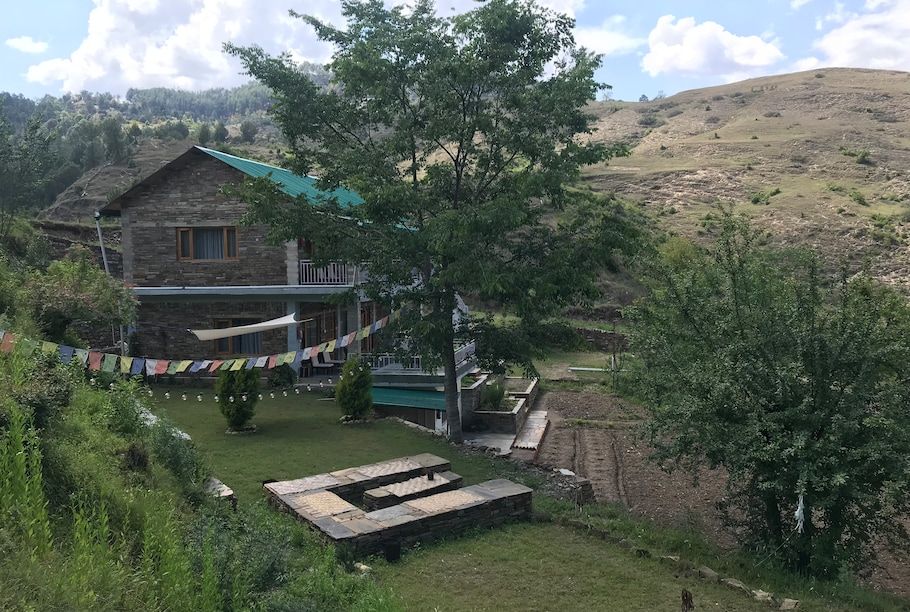
Travellers seeking accommodation near Kedarnath Mandir will find a peaceful selection of authentic regional lodgings in and around Dwarahat, Ranikhet, and the Manila ridge. The area is known for welcoming homestays run by local families, offering traditional home-cooked Kumaoni meals and genuine insight into rural mountain life. For those who prefer a more outdoor-focused journey, charming riverside campsites and hill-view camps operate along nearby forest clearings and valley roads.
You can discover and reserve well-vetted homestays, nature retreats, and scenic campsites across the Dwarahat region on HireACamp. Booking in advance is recommended during festive periods like Navratri and the peak summer holiday months.
Frequently asked questions
Is Kedarnath Mandir in Dwarahat the same as the Char Dham Kedarnath?
No, Kedarnath Mandir in Dwarahat is a medieval stone temple built by the Katyuri kings in the Almora region of Kumaon, whereas the famous Char Dham Kedarnath shrine is located in Rudraprayag district in the high Garhwal Himalayas.
What is the best time of year to visit Kedarnath Mandir?
The ideal time to visit is between October and November for crystal-clear skies and mild weather, or from March to May when daytime temperatures are pleasant for sightseeing.
How much time is needed to explore the temple?
Most visitors spend between thirty minutes to an hour at Kedarnath Mandir, though allowing two to three hours lets you comfortably explore the other medieval temple groups scattered across Dwarahat.
Are there good places to stay near Dwarahat?
Yes, travellers can find rustic village homestays, scenic nature retreats, and eco-friendly campsites in and around the Dwarahat valley by exploring listings on HireACamp.
Where you'll be
Garhwal Himalayan Range, Dwarahat · 1 stay nearby shown with prices
Stays near Kedarnath Mandir
Book a place to stay close by
More places near Kedarnath Mandir
Within 20 km
Built from 0 Instagram posts by 0 creators. Every tip links back to the post it came from, and where creators disagree we show both sides.






