
Ratan Deo Temple
Monument near Dwarahat, Uttarakhand
400 m from Dwarahat
The nearest town, for stays, food and fuel.
Ratan Deo Temple is a historic stone shrine situated along Pujakhet Road in the heritage town of Dwarahat, Uttarakhand. Built during the medieval era under the patronage of the Katyuri dynasty, it forms an integral part of the region's remarkable architectural legacy. Travellers and heritage enthusiasts visit to admire its classical stone craftsmanship and enjoy the peaceful atmosphere of the Kumaon hills.
Getting there
By road
- From DwarahatNearest town3 min · 900 m
- From Dehradun6 hr 15 min · 308 km
- From New Delhi8 hr 30 min · 401 km
- From Chandigarh9 hr 55 min · 477 km
Typical drive times without traffic. Stations and airports from OLA Maps; distances and typical drive times from OpenStreetMap (© OpenStreetMap contributors); notes from creators' Reels.
About Ratan Deo Temple
Written with AI from map data and general knowledge. Check prices and timings locally before you go.
History and architecture of Ratan Deo Temple
Ratan Deo Temple stands as an enduring testament to the medieval architectural brilliance of the Kumaon region. Erected between the eleventh and thirteenth centuries during the reign of the Katyuri kings, the shrine reflects the distinctive Nagara style adapted to the Himalayan terrain. The Katyuris were prolific builders who dotted the valleys of Dwarahat with ornate stone shrines, and the Ratan Deo complex is among the prominent monuments preserved from that era.
The temple features robust dressed-stone masonry assembled with precision engineering. Carved stone mouldings, traditional amalaka features crowning the spire, and ornamental relief panels grace the structure. Walking around the sanctuary, visitors can observe the careful balance of symmetry, proportion, and spiritual symbolism that has withstood centuries of changing mountain weather.
The scenic setting of Dwarahat
Dwarahat is a historic valley town set in the Almora district of Uttarakhand. Perched amidst terraced hillsides, the town is flanked by rolling ridges dense with chir pine, deodar, and oak forests. The rhythm of daily life here remains slow and traditional, centered around terraced agriculture, quiet lanes, and ancient shrines standing beside modern village homes.
From the vicinity of Ratan Deo Temple on Pujakhet Road, views open out across green slopes bordered by layered ridges. On clear mornings, crisp mountain air sweeps down from the higher hills, carrying the scent of pine. The quiet countryside makes walking between different archaeological sites in and around Dwarahat an enjoyable and reflective outdoor experience.
Read more
Best time to visit Ratan Deo Temple
The climate in Dwarahat is temperate compared to higher Himalayan altitudes, making the temple accessible through most of the year. The spring and summer months, from March to June, offer bright skies, pleasant sunshine, and comfortable daytime temperatures. This is a favoured season for walking around town, exploring the stone monuments, and taking road trips across the Kumaon hills.
Autumn, from late September through November, brings crisp air, golden afternoon light, and expansive views across the valleys after the monsoon rains recede. Winter months between December and February bring cold nights and frosty mornings, though daytime sun remains warm and clear. The monsoon season from July to August turns the entire valley lush green, but travellers should stay alert to rain-induced travel delays in the hills.
How to reach Ratan Deo Temple
Ratan Deo Temple is situated on Pujakhet Road within Dwarahat and can be easily reached on foot or by local transport from the town center. Dwarahat is connected by motorable roads to several major destinations across Uttarakhand, including Ranikhet, Almora, Kausani, and Haldwani.
Travellers arriving by train typically disembark at Kathgodam railway station, which serves as the primary railhead for the Kumaon region. From Kathgodam, shared and private taxis operate up the hills towards Dwarahat. The nearest domestic air link is at Pantnagar, from where road transport is available. Driving from Delhi or the plains generally follows the route via Moradabad and Kashipur or Haldwani before climbing into the foothills.
Places to explore around Dwarahat
The surrounding landscape of Dwarahat offers numerous cultural and outdoor excursion options. Within the town itself, several other Katyuri temple groups showcase subtle differences in medieval masonry and design. The cantonment hill town of Ranikhet, famous for its forest walks and mountain perspectives, lies within comfortable driving distance.
Travellers interested in highland viewpoints and sacred sites can head towards the ridge of Manila, home to the revered Manila Devi Temple. Other regional shrines such as Gujru Garhi Temple, Kalinka Temple, and Garjia Devi Temple provide rewarding destinations for scenic road journeys through the interior Kumaoni countryside. Further down toward the foothills, nature lovers can connect with the forested peripheries of the western Kumaon belt.
Tips for visiting Ratan Deo Temple
Sturdy footwear with good grip is useful when visiting the temple, as you will be walking across weathered stone surfaces, unpaved pathways, and gentle slopes. Because this is a monument of cultural and religious significance, visitors should dress respectfully and maintain decorum within the premises.
Carrying drinking water and light sun protection is recommended when exploring during midday. It is helpful to keep cash on hand for local purchases and transport, as network connectivity for digital transactions in small hill towns can occasionally be erratic. If planning a trip during the rainy season, checking local weather and road updates before setting out is advisable.
Where to stay near Dwarahat
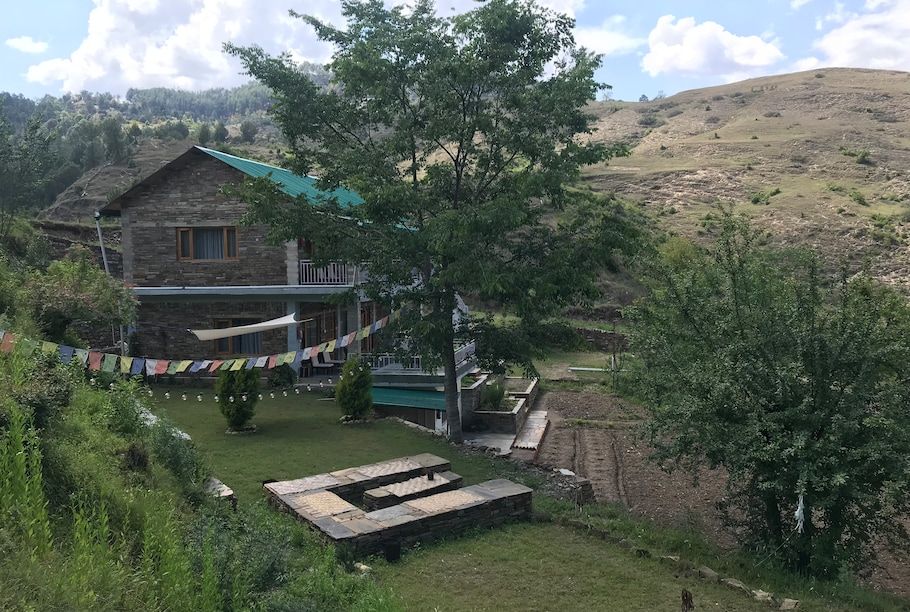
The Dwarahat region offers varied accommodation options for travellers seeking peace and natural surroundings away from commercial tourist centers. Visitors can choose between simple village homestays, hillside cottages, and peaceful outdoor campsites scattered across nearby pine woods and terraced farms.
Staying in a homestay allows you to sample traditional Kumaoni cooking and experience authentic mountain hospitality, while camping offers stargazing under quiet Himalayan skies. A curated selection of homestays, camps, and nature retreats near Dwarahat can be browsed and booked directly on HireACamp.
Frequently asked questions
Where is Ratan Deo Temple located?
Ratan Deo Temple is located on Pujakhet Road in the historic town of Dwarahat, situated in the Almora district of Uttarakhand.
Who constructed the Ratan Deo Temple?
The temple was built under the patronage of the Katyuri dynasty between the eleventh and thirteenth centuries as part of an extensive group of stone shrines in the Dwarahat valley.
How much time is required to see Ratan Deo Temple?
A typical visit takes around thirty to forty-five minutes to admire the architecture, though you can spend longer if you plan to explore other nearby Katyuri temple clusters.
What is the best time of year to visit Ratan Deo Temple?
The best months to visit are from March to June for pleasant weather, and from September to November for clear skies and post-monsoon valley views.
Can I visit other temples near Ratan Deo Temple in Dwarahat?
Yes, Dwarahat is home to several medieval Katyuri temple complexes scattered across the town, all reachable within a short walk or drive.
Where you'll be
Pujakhet Road, Dwarahat · 1 stay nearby shown with prices
Stays near Ratan Deo Temple
Book a place to stay close by
More places near Ratan Deo Temple
Within 20 km
Built from 0 Instagram posts by 0 creators. Every tip links back to the post it came from, and where creators disagree we show both sides.






