
Baijnath Lake
Lake near Baijnath, Uttarakhand
100 m from Baijnath
The nearest town, for stays, food and fuel.
Baijnath Lake is an artificial lake situated in the Garud valley of Uttarakhand, set against the backdrop of the Kumaon Himalayas. Formed along the course of the Gomti River, it sits adjacent to the centuries-old Baijnath temple complex and provides a calm, scenic stop for travellers exploring the region. Visitors come to stroll along the paved embankments, enjoy boat rides, and take in the spiritual and historical heritage of the valley.
Getting there
By road
- From Dehradun6 hr · 297 km
- From New Delhi9 hr 15 min · 509 km
- From Chandigarh9 hr 40 min · 466 km
Typical drive times without traffic. Stations and airports from OLA Maps; distances and typical drive times from OpenStreetMap (© OpenStreetMap contributors); notes from creators' Reels.
About Baijnath Lake
Written with AI from map data and general knowledge. Check prices and timings locally before you go.
About Baijnath Lake
Baijnath Lake, also known locally as Baijnath Jheel, is a serene water body located in the Garud tehsil of Uttarakhand. The lake was developed to enhance the local ecosystem and encourage tourism around the historical settlement of Baijnath. Fed by the waters of the Gomti River, the lake mirrors the forested ridges and terraced agricultural fields that define the lower Himalayan valleys of Kumaon.
The town itself holds deep historical and mythological significance. Once known as Kartikeyapura, it served as the capital of the Katyuri kings who ruled parts of Kumaon between the 7th and 12th centuries. Just a stone's throw from the water stands the renowned group of stone temples dedicated to Lord Shiva, Goddess Parvati, and other deities. The presence of the lake next to these ancient stone shrines creates a distinctive blend of architectural heritage and natural scenery.
Things to do at Baijnath Lake
A primary attraction at the lake is boating. Paddle boats and rowboats are typically operated on the calm waters, offering visitors a relaxing perspective of the surrounding hills, pine forests, and temple spires from the middle of the lake. The waters are also populated by local fish, and travellers often pause by the steps of the ghats to observe them.
The landscaped walkway encircling parts of the lake is ideal for an unhurried morning or evening walk. Benches and viewing spots along the perimeter allow you to sit quietly, watch birds across the water, and enjoy the refreshing breeze coming down from the ridges. Photographers will find ample opportunities to capture temple reflections on the lake surface during golden hour.
After spending time by the water, you can cross over to explore the Baijnath temple complex. Wandering among the intricately carved rock shrines, viewing the black stone idol of Goddess Parvati, and reading the preserved inscriptions provides a captivating glimpse into early medieval Himalayan art and architecture.
Read more
Best time to visit
Baijnath Lake can be visited throughout the year, but the post-monsoon and early summer months offer the most comfortable weather. From October to November, skies are generally clear, offering crisp mountain air and unobstructed views of the surrounding Kumaon landscape. The temperature during this window remains pleasantly cool during the day.
Winter, lasting from December through February, brings cold mornings and chilly evenings. While temperatures drop significantly, daytime hours are often bathed in bright sunshine, making it an enjoyable time for boating and sightseeing if you are dressed warmly.
Spring and early summer, spanning March to June, bring mild temperatures and blooming flora across the valley, making it a popular getaway for travellers escaping the heat of the northern plains. The monsoon season between July and September brings heavy rainfall to Uttarakhand; during this period, water levels rise, and road travel through mountain corridors can face disruptions due to landslides.
How to reach Baijnath Lake
Baijnath Lake is situated along well-connected mountain highways in the Kumaon hills. It lies close to Garud town and is an easy drive from popular hill stations such as Kausani, Almora, and Bageshwar. State transport buses and shared taxis run regularly along these routes, connecting the lake to key transit hubs in the district.
If travelling by train, the nearest major railhead is Kathgodam, which serves as the gateway for most travel across Kumaon. From Kathgodam, you can hire private taxis or board buses that travel uphill via Almora or Ranikhet towards Garud and Baijnath. The drive traverses scenic pine-clad ridges and river valleys.
For air travellers, the closest operational airport is Pantnagar. From the airport, road transport is required to reach the lake. The journey from the plains climbs steadily through the foothills, passing orchards and terraced farmland before descending into the Garud valley.
Places to visit near Baijnath Lake
The area surrounding Baijnath Lake features numerous cultural and scenic destinations. The town of Kausani, celebrated for its panoramic vantage points overlooking Himalayan peaks such as Trishul, Nanda Devi, and Panchachuli, is located a short drive up the ridge. It also houses tea estates where visitors can stroll through lush plantations and purchase local hill teas.
Travelers interested in spiritual heritage can visit the Dunagiri Temple, an ancient hilltop shrine dedicated to Goddess Durga, or the historic temples around Dwarahat. Further along the mountain routes are scenic spots such as Badhangarhi peak, offering wide valley vistas, and Tarag Tal, a quiet seasonal lake nestled in the hills.
Bageshwar town, situated at the confluence of the Saryu and Gomti rivers, is home to the historic Bagnath Temple and serves as an important base for treks heading toward high-altitude meadows such as Bedni Bugyal and the Pindari Glacier region.
Tips for visiting Baijnath Lake
When planning your trip, consider arriving early in the morning or later in the afternoon to avoid the warmer midday sun and to catch the best lighting over the water. Boating facilities are managed locally, so check operational hours and safety procedures upon arrival at the lake counter.
Modest dress is advisable, especially if you plan to walk across to the adjacent Baijnath temple complex directly from the lake embankment. Footwear must be removed before entering the temple courtyards, so wearing easily removable walking shoes will make your transition convenient.
Carry drinking water, sun protection, and a light jacket or sweater if you are visiting between October and March. Keep the lakeside clean by avoiding littering and using designated disposal bins, as local authorities work hard to keep the Gomti waters and the surrounding gardens clean.
Where to stay near Baijnath Lake
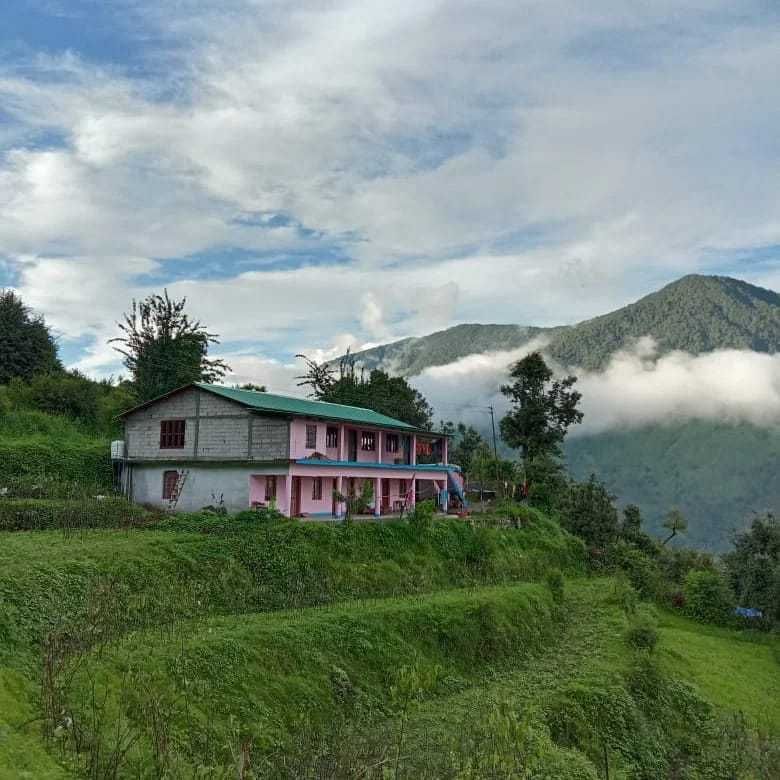
The Garud valley and nearby hills offer several accommodation choices, ranging from simple mountain guesthouses and riverside homestays to rustic camps. Staying close to Garud allows quick access to the lake and temple complex, while the higher ridges around Kausani offer properties with wide Himalayan views.
If you prefer outdoor stays, authentic local hospitality, or scenic hideaways nestled in pine groves, you can explore vetted homestays and campsites near Baijnath on HireACamp. Booking your stay in advance is recommended during peak holiday periods and festival weekends.
Frequently asked questions
Where is Baijnath Lake located?
Baijnath Lake is situated in Garud, within the Bageshwar district of Uttarakhand, right next to the historic Baijnath temple complex along the Gomti River.
Is boating available at Baijnath Lake?
Yes, boating facilities, including paddle boats, are usually available on the lake for visitors looking to enjoy the water and surrounding scenery.
What else can I see near Baijnath Lake?
Directly adjacent to the lake is the 12th-century Katyuri temple complex of Baijnath. You can also visit Kausani, tea estates, Bageshwar, and nearby regional temples such as Dunagiri.
How do I reach Baijnath Lake from Kathgodam?
You can travel by taxi or regional bus from Kathgodam railway station through Almora or Ranikhet, following mountain highways directly into the Garud valley.
Where you'll be
Garud · 2 stays nearby shown with prices
Stays near Baijnath Lake
Book a place to stay close by
More places near Baijnath Lake
Within 20 km
Built from 0 Instagram posts by 0 creators. Every tip links back to the post it came from, and where creators disagree we show both sides.






