
Baijnath
Destination in Uttarakhand
Baijnath is a historic temple town situated along the banks of the Gomti River in the Bageshwar district of Uttarakhand. Renowned for its ancient stone temples dating back to the Katyuri rulers, the town draws pilgrims, heritage lovers, and mountain travellers exploring the Kumaon region. Its tranquil river setting, backdrop of pine-clad hills, and proximity to scenic ridges make it a rewarding stop in the central Himalayas.
Getting there
By road
- From Dehradun6 hr · 297 km
- From New Delhi9 hr 15 min · 509 km
- From Chandigarh9 hr 40 min · 466 km
Typical drive times without traffic. Stations and airports from OLA Maps; distances and typical drive times from OpenStreetMap (© OpenStreetMap contributors); notes from creators' Reels.
About Baijnath
Written with AI from map data and general knowledge. Check prices and timings locally before you go.
The historic heritage of Baijnath
Baijnath holds a prominent place in the cultural history of Uttarakhand. Located in the fertile Katyur valley, the town was once the capital of the medieval Katyuri dynasty, who ruled large parts of Kumaon between the eighth and twelfth centuries. The architectural legacy of this era remains visible in the cluster of intricately carved stone temples dedicated to Shiva, known locally as Vaidyanath or Baijnath, standing close to the Gomti River.
The main temple complex showcases fine Nagara-style stone architecture with tall shikharas, carved pillars, and sanctums housing ancient stone idols. Among the most revered sculptures is a finely detailed black stone idol of Goddess Parvati. Walking around the complex reveals smaller shrines dedicated to different Hindu deities, reflecting the remarkable masonry and devotional art of early Himalayan civilisations. The surrounding riverfront and the landscaped artificial lake enhance the peaceful ambience of the town.
Things to see and do in Baijnath
The primary highlight of any visit is exploring the Baijnath temple complex. Visitors can spend quiet hours admiring the ancient carvings, observing the architectural craftsmanship, and walking along the stone pathways that border the Gomti River. The temple precinct remains serene throughout the day, offering a tranquil space for contemplation away from crowded tourist circuits.
Adjacent to the temple grounds lies a man-made lake built along the river course. It is customary for travellers and locals to feed the schools of fish that gather near the lake banks, an activity that has become a gentle local tradition. Beyond the temple, taking unhurried walks through the surrounding village paths offers insight into Kumaoni rural life, with traditional stone houses, terraced fields growing seasonal hill crops, and glimpses of distant mountain ridges on clear mornings.
Read more
Places to visit around Baijnath
Baijnath serves as a convenient base for exploring several surrounding historical and natural landmarks across the border of Almora, Bageshwar, and Chamoli districts. A short drive away lies the high ridge of Badhangarhi, featuring a commanding peak and the Badhangarhi Temple perched at the edge of the hill. The vantage point offers sweeping panoramas of snow-capped Himalayan summits and green valleys rolling below.
Heading southwest toward Dwarahat brings travellers to a cluster of ancient monuments, including the Ratan Deo Temple, the Badrinath Group of Temples, Kedarnath Mandir, and Mrityunjay Mandir. This area preserves a rich concentration of stone shrines showcasing distinct structural styles from the medieval era. Nearby, the revered Dunagiri Temple sits atop a wooded ridge surrounded by thick oak and rhododendron forests, revered for its mythological ties and scenic viewpoints. For those who appreciate spiritual heritage, the Yogoda Satsang Sakha Ashram in Dwarahat offers peaceful grounds surrounded by tall pines.
Travellers interested in natural landscapes can explore Tarag Tal, a seasonal lake nestled within a serene mountain basin. Farther into the higher reaches toward Chamoli lies the route to Bedni Bugyal, one of Uttarakhand's vast alpine meadows known for its sweeping open pastures and seasonal blooms, frequented by trekking enthusiasts.
Best time to visit Baijnath
Baijnath experiences pleasant weather through most of the year, but the ideal periods for travel are spring, from March to May, and autumn, from late September to November. Spring brings blooming mountain flowers, crisp mountain air, and comfortable daytime temperatures that are ideal for outdoor walks and temple visits.
Autumn is favoured for clear blue skies and sharp mountain vistas across Kumaon. Winters, from December to February, bring cold nights and chilly mornings, though daytime sunshine is often pleasant. While snow does not typically fall in the town basin itself, nearby high peaks occasionally receive snowfall during harsh winter spells. The monsoon months between July and August bring heavy downpours, turning the surrounding landscape lush green, though travellers should remain cautious of occasional road disruptions caused by hill rains.
How to reach Baijnath
Baijnath is well connected by road to major towns across Kumaon and the wider Uttarakhand region. State-run buses, private shared taxis, and rental vehicles ply regularly from hubs such as Almora, Bageshwar, Kausani, and Ranikhet. The drive through the hills winds across pine forests, terraced mountain slopes, and riverside roads.
The nearest railway junction is at Kathgodam, situated in the foothills. From Kathgodam, one can hire taxis or board buses heading toward Kausani or Bageshwar to reach Baijnath. The nearest domestic air link is Pantnagar Airport, located farther south, from where road transport is available. Due to mountain terrain, travel times may vary depending on weather and road conditions, so planning daylight journeys is recommended.
Tips for travellers visiting Baijnath
When visiting the ancient shrines in Baijnath and nearby heritage clusters, dress modestly and follow standard temple etiquette, which includes removing footwear before entering inner sanctums. Photography policies can vary inside certain heritage structures, so it is best to check locally before taking pictures inside holy enclosures.
Pack layers of clothing according to the season. Light woollens or jackets are helpful during autumn evenings and early spring, while sturdy warm layers are necessary for winter visits. Comfortable walking shoes with a good grip are recommended for exploring stone courtyards, village pathways, and nearby ridge hikes. ATMs and small convenience shops are available in the local market, but carrying a reasonable amount of cash is practical for small transactions.
Where to stay in and around Baijnath
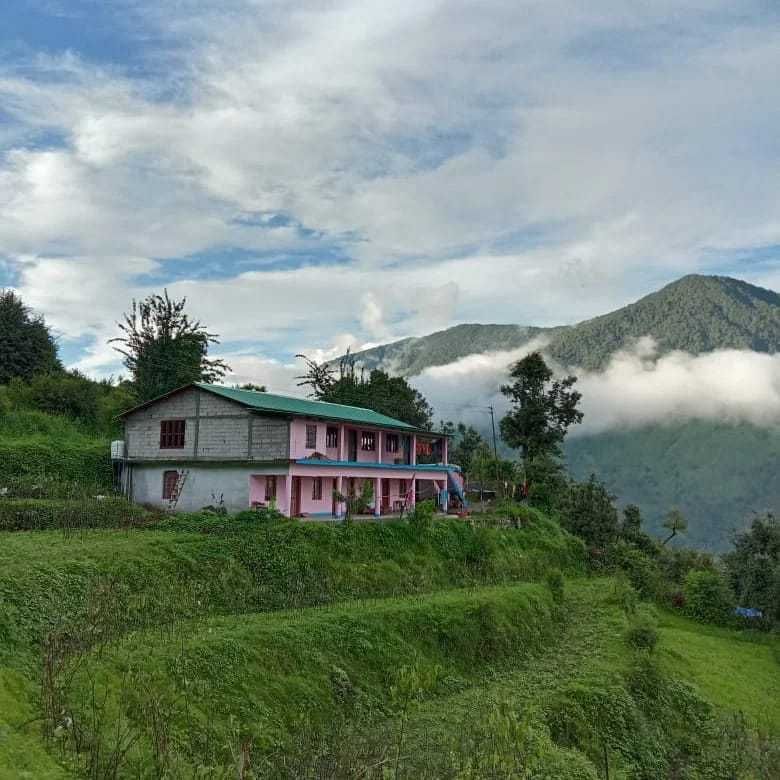
Accommodations around Baijnath range from peaceful village homestays to nature retreats and riverside camps scattered across the Katyur valley and nearby hill settlements like Kausani. Staying in a homestay allows visitors to experience warm Kumaoni hospitality, taste local home-cooked food made with hill grains and herbs, and wake up to mountain views.
For those interested in experiencing the outdoors, camping locations set amidst orchards, terraced fields, and pine woods offer a close connection to nature. You can explore and book verified camps, homestays, and unique stays near Baijnath on HireACamp to suit your travel style.
Frequently asked questions
What is Baijnath in Uttarakhand famous for?
Baijnath is famous for its collection of ancient stone temples built during the Katyuri dynasty, located right on the banks of the Gomti River.
Which is the nearest railway station to Baijnath?
The nearest major railway station is Kathgodam, from where travellers can take buses or hire taxis into the Kumaon hills.
Can I visit Baijnath as a day trip from Kausani?
Yes, Baijnath is located in close proximity to Kausani and is commonly visited as a short half-day or full-day excursion.
What is the best season to explore Baijnath?
The spring months from March to May and autumn from late September to November offer clear skies, comfortable temperatures, and ideal sightseeing conditions.
What should I wear while visiting the Baijnath temple?
Modest clothing suitable for religious places is recommended, along with slip-on footwear that can be easily removed at temple entrances.
Where you'll be
2 stays nearby shown with prices
Stays near Baijnath
Book a place to stay close by
Things to do in Baijnath
48 places creators recommend within 30 km
Built from 0 Instagram posts by 0 creators. Every tip links back to the post it came from, and where creators disagree we show both sides.






