
Baijnath Temple
Temple near Bageshwar, Uttarakhand
3.3 km from Bageshwar
The nearest town, for stays, food and fuel.
Baijnath Temple is an ancient temple complex dedicated to Lord Shiva, situated along the Gomati River in the Bageshwar district of Uttarakhand. Built during the reign of the Katyuri kings, it stands out for its medieval stone architecture, intricate sculptures, and quiet riverside setting. Travellers and pilgrims visit to explore its rich history and experience the peaceful atmosphere of the Katyuri valley.
Getting there
By road
- From BageshwarNearest town5 min · 4.3 km
- From Dehradun6 hr 30 min · 320 km
- From New Delhi9 hr 10 min · 427 km
- From Chandigarh10 hr 10 min · 490 km
Typical drive times without traffic. Stations and airports from OLA Maps; distances and typical drive times from OpenStreetMap (© OpenStreetMap contributors); notes from creators' Reels.
About Baijnath Temple
Written with AI from map data and general knowledge. Check prices and timings locally before you go.
History and Heritage of Baijnath Temple
Baijnath Temple is one of the most prominent historic monuments in the Kumaon region of Uttarakhand. Situated in the Katyuri valley along the banks of the Gomati River, the temple traces its origins back to the medieval Katyuri kings, who ruled this territory between the seventh and twelfth centuries. According to historical records, the Katyuris shifted their capital to this fertile valley, establishing a prominent religious seat centered on the worship of Lord Shiva.
The temple is dedicated to Shiva in the form of Vaidyanath, meaning the Lord of Physicians. Local beliefs hold that worship here brings spiritual solace and healing. Over the centuries, the complex expanded into an ensemble of clustered stone shrines that reflect the devotion and sophisticated architectural sensibilities of early Himalayan kingdoms. Today, the monument stands protected as a major heritage landmark, drawing travellers interested in ancient sculpture, Kumaoni heritage, and quiet pilgrimage.
Architecture of the Baijnath Complex
The architectural design of Baijnath Temple belongs to the classical Nagara tradition with distinct regional Himalayan styling. The complex features a cluster of stone temples constructed with finely carved grey stone blocks, tightly fitted together without the use of mortar. The primary sanctum houses a revered idol of Goddess Parvati carved from dark stone, noted for its delicate detailing and craftsmanship, alongside the Shiva lingam.
Surrounding the main sanctum are numerous smaller stone temples and shrines dedicated to various deities, including Ganesha, Kartikeya, Surya, and Chandika. Tall shikhara spires dominate the skyline against the backdrop of terraced hills. As you walk through the complex, the detailed carvings on door lintels, pillars, and plinths illustrate the artistic mastery of medieval stone masons. The open stone-paved courtyard connects the temple steps directly toward the river, maintaining an enduring dialogue between the sacred architecture and the flowing waters.
Read more
Best Time to Visit Baijnath
The climate in Bageshwar district remains relatively mild compared to higher Himalayan passes, making Baijnath accessible throughout the year. The spring and summer months, from March to June, offer bright and pleasant weather. Temperatures remain comfortable during this period, allowing travellers to explore the stone sanctums, relax along the river, and tour surrounding hill villages with ease.
Monsoon arrives between July and early September, turning the surrounding valley vibrant and green. While the swollen Gomati River presents an evocative sight, heavy downpours can occasionally cause road delays in the hills, so checking local weather forecasts is advisable. Autumn and winter, from October through February, bring crisp mornings, clear mountain views, and chilled evenings. The festival of Mahashivratri in late winter or early spring is celebrated with special prayers and draws visitors from across Uttarakhand.
How to Reach Baijnath Temple
Baijnath is well-connected by road to major towns in the Kumaon hills, including Bageshwar, Almora, and Kausani. If travelling by train, the nearest major railhead is Kathgodam, from where shared taxis and state transport buses run up into the hills toward Garur and Baijnath. The drive traverses winding mountain roads lined with pine forests and terraced farmland.
For air travellers, the closest airport is Pantnagar, which connects to select regional hubs. From Pantnagar, travellers typically hire private taxis or board buses via Almora or Ranikhet. Local public buses and shared jeeps operate regularly between Bageshwar town and Baijnath, making intra-district transit straightforward. Private vehicles can reach the temple directly, with parking areas available within walking distance of the main complex entrance.
Things to Do at Baijnath
Visiting Baijnath Temple offers a peaceful blend of spiritual reflection and cultural exploration. A common practice for visitors is to spend time exploring the individual stone shrines, admiring the relief sculptures and inscriptions that have endured for centuries. The temple courtyard along the Gomati River is a calm spot to sit quietly, observe the water, and watch local pilgrims perform their daily rituals.
A short distance from the temple stands Baijnath Lake, a serene water body created along the river. Visitors often take slow walks along the waterfront promenade or feed the sacred fish, an age-old tradition observed by locals. The surrounding valley is also ideal for gentle countryside walks, meeting village artisans, and observing the rhythms of traditional Kumaoni farming communities.
Places to Visit Nearby
The valley surrounding Baijnath offers several notable cultural and natural landmarks within an easy day trip. Just up the hillside is Kot Bhramari Temple, also known as Kot Ki Mai, perched on a vantage point offering wide views of the river valley below and revered for its historic ties to the Katyuri rulers.
A short journey further into the hills leads toward Kausani and the Someshwar Valley, renowned for terraced agricultural landscapes and historic shrines like the Someshwar Temple. Travellers seeking quiet nature spots can head toward Rudradhari Waterfall and its nearby cave temple, nestled among pine woods. Other regional shrines, such as Gananath Temple set within rocky hillside caves, make for rewarding excursions for those exploring Kumaon's devotional circuit.
Tips for Your Visit
When planning a visit to Baijnath Temple, dress modestly to respect the religious sanctity of the site. Footwear must be removed before entering the inner sanctum and stone courtyards, so wearing easily removable shoes is practical. Stone walkways can feel cold during winter mornings and warm during peak summer afternoons, so plan the timing of your visit accordingly.
Photography is often permitted in the open courtyards and around the lake, but restrictions may apply inside certain inner sanctums; always observe posted signs or consult the priests on duty before taking pictures. While basic snacks and tea stalls are available near the temple approach, it is wise to carry drinking water and some cash, as smaller market stalls and transport operators may not always accept digital payments.
Where to Stay
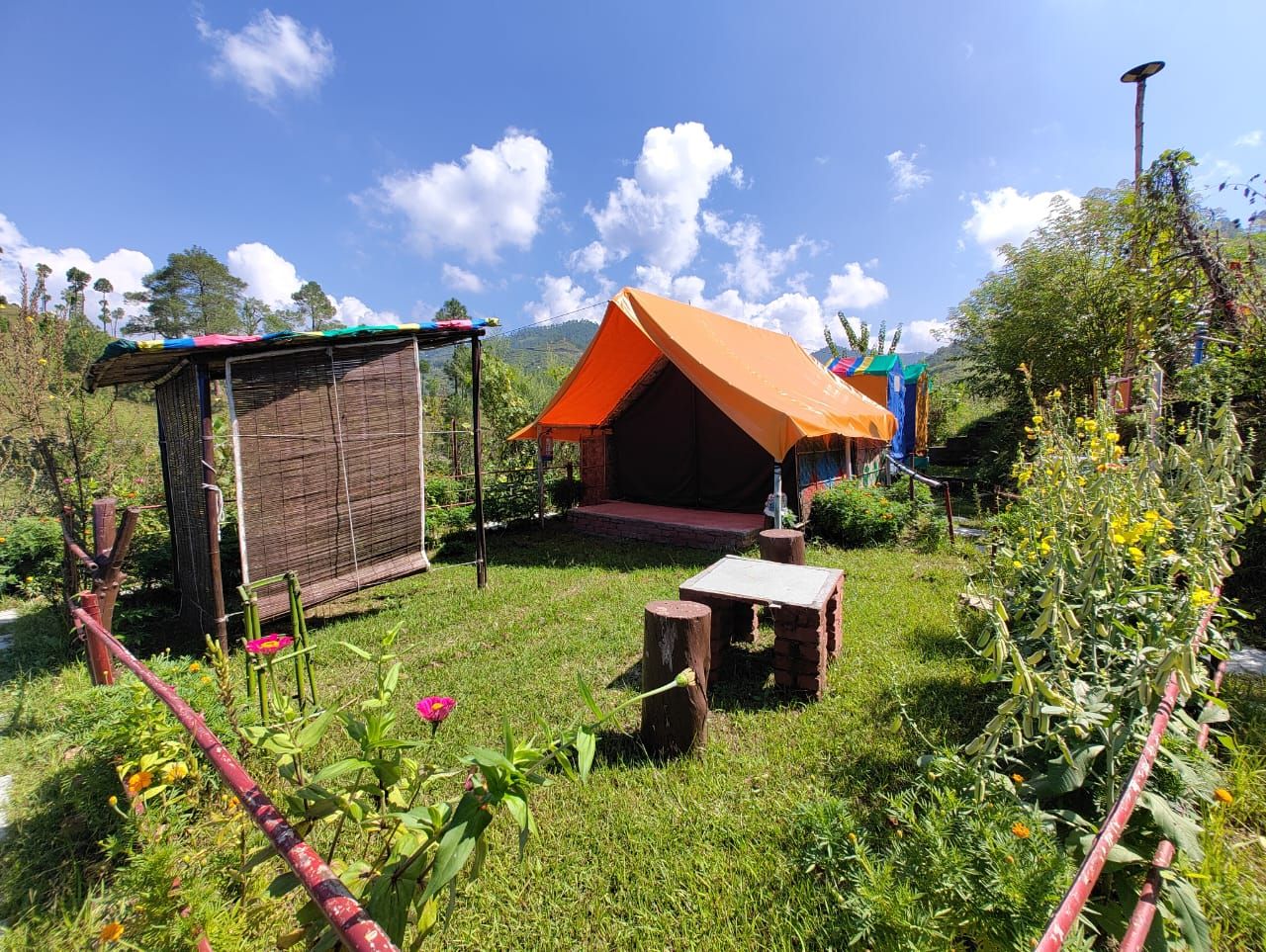
Accommodations around Baijnath range from rural homestays nestled in quiet villages to riverside cottages and scenic mountain camps situated nearby. Staying in the Katyuri valley or on the hill ridges around Kausani and Bageshwar allows travellers to experience misty mornings, fresh Kumaoni meals, and sweeping views of the surrounding hills.
You can find and book vetted camps, authentic homestays, and peaceful outdoor retreats in and around Bageshwar on HireACamp. Staying locally provides a restful base to explore the temples at a relaxed pace while supporting local mountain communities.
Frequently asked questions
What is the historical significance of Baijnath Temple?
Baijnath Temple was built between the seventh and twelfth centuries by the rulers of the Katyuri dynasty. It served as a major political and religious center in the Katyuri valley and is dedicated to Lord Shiva as Vaidyanath.
Where is Baijnath Temple located?
The temple is located on the banks of the Gomati River near the town of Garur in the Bageshwar district of Uttarakhand, India.
Which season is the best time to visit Baijnath Temple?
The most comfortable time to visit is from October to June, when the weather is clear and pleasant. Autumn and spring offer crisp mountain air and easy road travel conditions across Kumaon.
Are there other attractions near Baijnath Temple?
Yes, nearby attractions include Baijnath Lake, Kot Bhramari Temple on the hill above the valley, Rudradhari Waterfall, and ancient shrines like Someshwar and Gananath Temple.
Is photography allowed inside Baijnath Temple?
Photography is generally permitted in the outdoor courtyards and temple premises, but taking photographs inside the inner sanctums is often restricted, so it is best to check locally upon arrival.
Where you'll be
263642, UK, India, Bageshwar · 1 stay nearby shown with prices
Stays near Baijnath Temple
Book a place to stay close by
More places near Baijnath Temple
Within 20 km
Built from 0 Instagram posts by 0 creators. Every tip links back to the post it came from, and where creators disagree we show both sides.






