
Lam Dal
Lake near Triund, Himachal Pradesh
10 km from Triund
The nearest town, for stays, food and fuel.
Lam Dal is a sacred high-altitude glacial lake situated deep within the Dhauladhar range of Himachal Pradesh. Located across the rugged mountain ridges beyond McLeod Ganj, it draws dedicated trekkers and pilgrims who revere its pure waters dedicated to Lord Shiva. Visitors venture here to experience unblemished alpine wilderness, towering granite formations, and profound natural stillness.
Getting there
By road
- From TriundNearest town1 hr 35 min · 32 km
- From Amritsar5 hr · 206 km
- From Ludhiana5 hr 20 min · 220 km
- From Chandigarh6 hr 15 min · 263 km
Typical drive times without traffic. Stations and airports from OLA Maps; distances and typical drive times from OpenStreetMap (© OpenStreetMap contributors); notes from creators' Reels.
About Lam Dal
Written with AI from map data and general knowledge. Check prices and timings locally before you go.
About Lam Dal
Lam Dal is among the largest and deepest natural lakes in the Dhauladhar mountain range of Himachal Pradesh. Held in deep spiritual reverence across the Kangra and Chamba regions, the lake is associated with Lord Shiva and is considered one of his sacred abodes in the high Himalayas. During late summer, local Gaddi shepherds and traditional pilgrims journey to its rocky shores to take part in sacred baths and offer prayers.
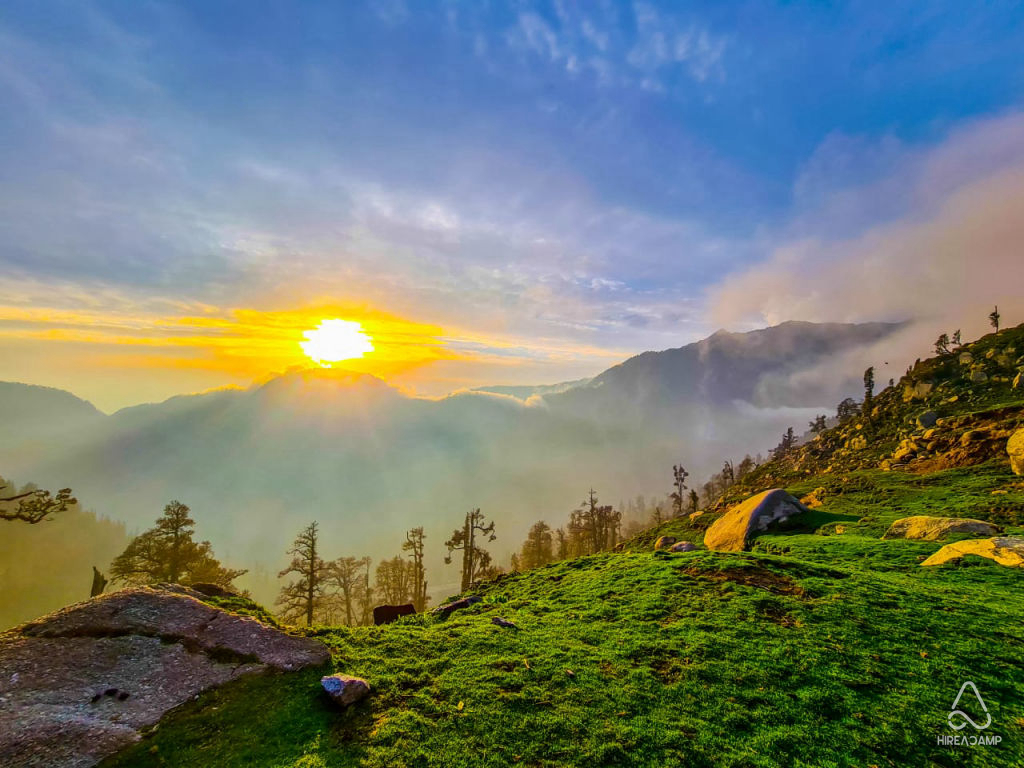
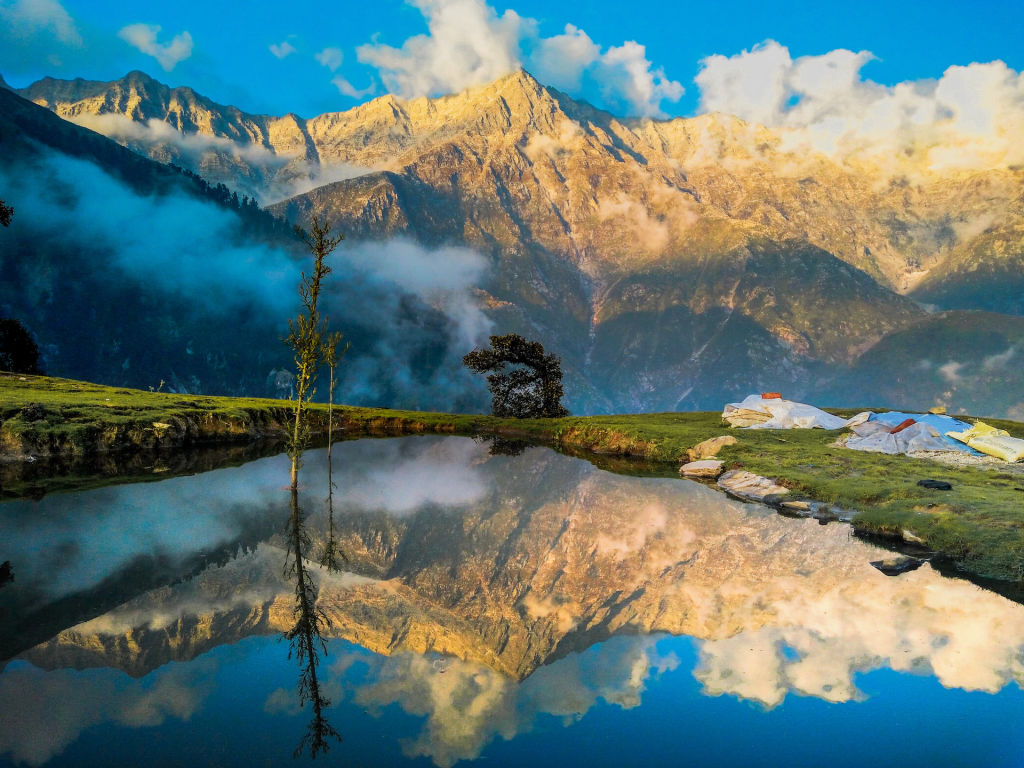
The lake sits in an expansive glacial cirque surrounded by stark rock walls, scree slopes, and towering peaks that remain snow-streaked for much of the year. Unlike lower recreational spots, Lam Dal remains remote and untouched by commercial tourist infrastructure. Its crystal-clear, dark blue waters reflect the sky and the jagged ridges above, creating an atmosphere of vast, untamed grandeur that rewards those willing to undertake the demanding journey.
The Trek to Lam Dal
Reaching Lam Dal requires a multi-day high-altitude trek that is both physically rigorous and visually breathtaking. The most common approach begins from the Kangra Valley, often ascending past the serene waters of Kareri Lake before pushing up toward the high-elevation Minkiani Pass. Crossing this pass leads hikers directly into the higher lake basin where Lam Dal and its neighbouring tarns lie sheltered beneath sheer granite barriers.
Alternatively, routes can be charted from the Chamba side via the valleys around Holi and Bharmour, which are traditionally used during religious pilgrimages. The terrain encompasses lush lower valleys, dense pine and oak forests, rushing streams, and extensive boulder fields higher up. Navigating the mountain passes demands stamina, careful balance across loose scree, and dependable route-finding skills, as trails can quickly become indistinct above the treeline.
Read more
Best Time to Visit Lam Dal
The optimal window for trekking to Lam Dal falls between July and October. In the late summer months of July and August, early snowmelt opens up high passes like Minkiani, allowing access to the basin. However, monsoon showers frequently hit the Kangra side of the range during this time, bringing wet paths, slippery rocks, and low-lying clouds that can obscure mountain passes.
Late August through September and early October generally offers the most stable weather conditions. During this autumn period, the rains subside, skies turn brilliant blue, and daytime temperatures remain comfortable for walking. Snow begins falling across the Dhauladhar peaks as late autumn sets in, quickly sealing the high passes and freezing the lake through winter until late spring, making travel impossible for general trekkers.
Preparing for the High-Altitude Trail
Because Lam Dal is situated in a remote, high-altitude alpine zone, thorough preparation and physical readiness are essential. Trekkers must allocate sufficient time for acclimatisation during the ascent to reduce the risk of acute mountain sickness. Carrying a personal medical kit, staying well hydrated, and maintaining a steady hiking pace will help your body adapt to the thinner air.
Weather conditions in the Dhauladhar range can shift dramatically within hours. Even in the middle of summer, temperatures can drop close to freezing when cloud cover rolls in or during the night. A dependable layering system is crucial, featuring moisture-wicking base layers, an insulating fleece or down jacket, and a windproof, waterproof outer shell. Sturdy trekking boots with good ankle support and reliable grip are mandatory for negotiating long boulder fields and loose moraine.
Since there are no shops, facilities, or permanent shelters at the lake, trekkers must travel fully self-contained. You must carry all necessary rations, water filtration gear, and reliable camping equipment. Practise leave-no-trace ethics diligently by packing out all rubbish and respecting the sacred nature of the lake by not contaminating its waters.
Places to Visit Nearby
Before or after completing a trek to Lam Dal, exploring the lower valleys of Kangra offers a delightful cultural contrast. The hilltop settlement of McLeod Ganj, located straight down the range, is the bustling heart of Tibetan culture in India. Travellers can wander through quiet monasteries, browse local handicraft markets, and enjoy panoramic views across the Kangra Valley.
Further down in the valley stands the ancient Kangra Fort, situated roughly twenty-nine kilometres away in straight-line distance. Built on a steep cliff above the confluence of two mountain rivers, this historic stronghold is one of the oldest forts in the country and presents a deep dive into the region's heritage. The peaceful trekking destination of Kareri Lake, often used as an acclimatisation stop on the approach to Lam Dal, is also well worth experiencing on its own merits.
Where to Stay for Lam Dal
There are no constructed lodges, guest houses, or permanent settlements at Lam Dal itself. Trekkers visiting the lake must camp out under the stars, bringing their own four-season alpine tents and sub-zero sleeping bags, or journey with an experienced guide who handles the necessary wilderness camp logistics.
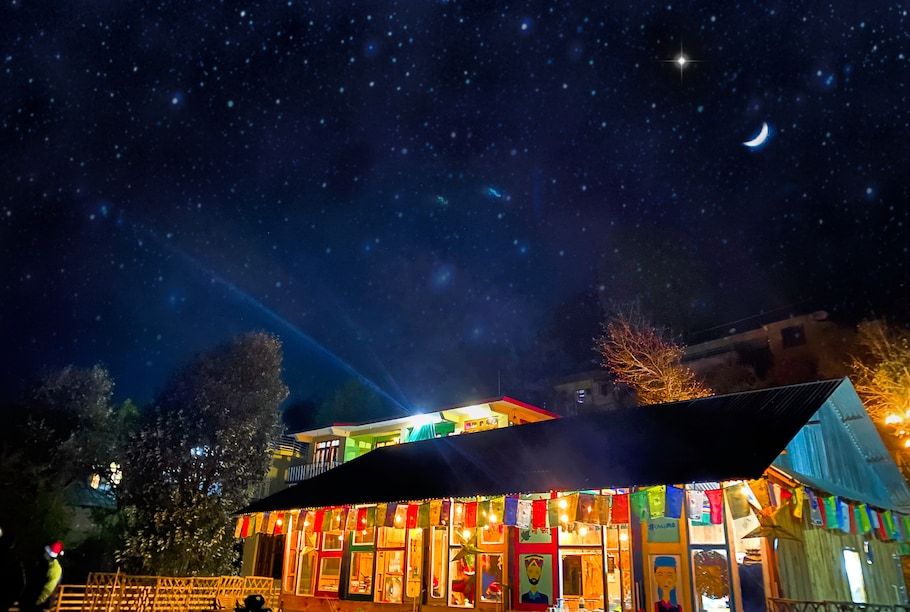
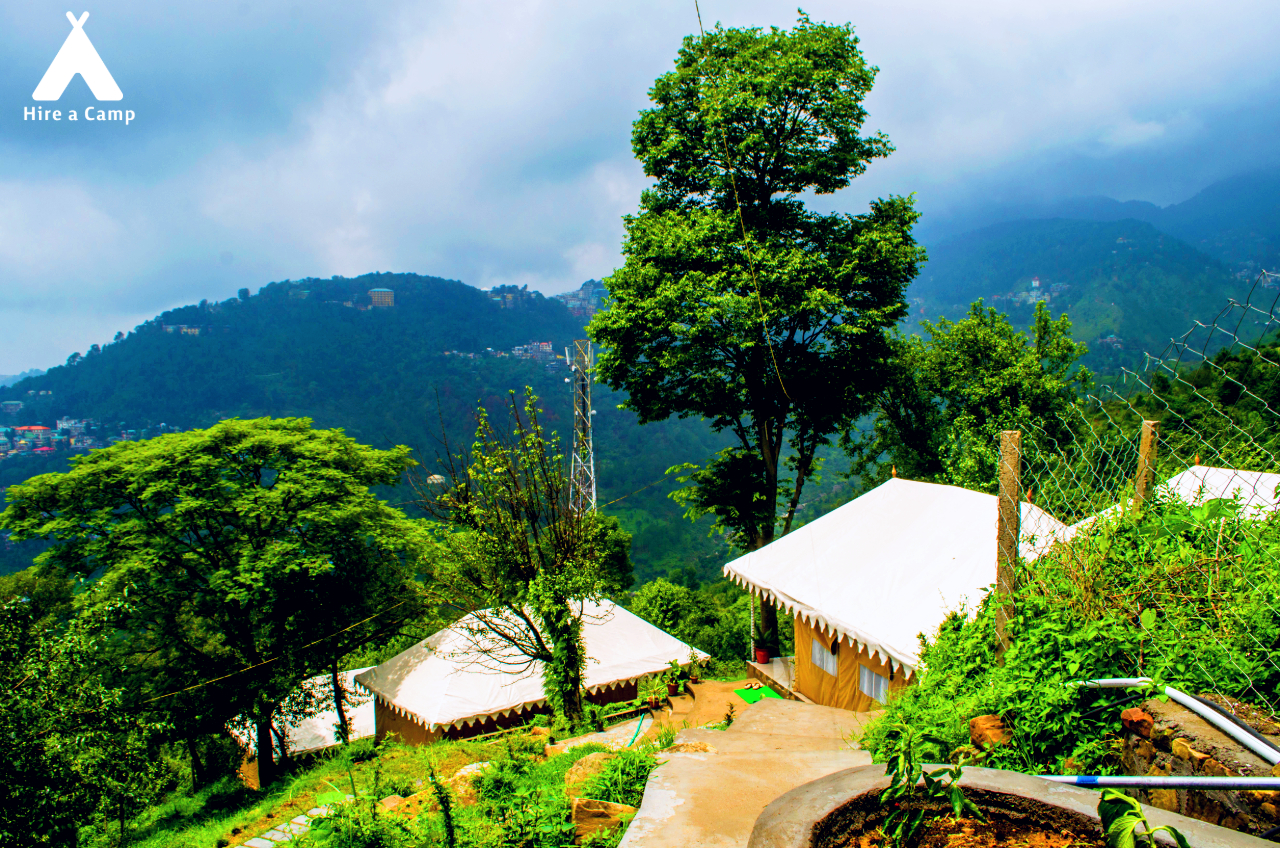
For comfortable accommodation before setting off on the trail or to recuperate once you return, base towns like McLeod Ganj, Dharamshala, and scenic foothill villages provide great starting points. You can discover and book boutique camps, quiet riverside homestays, and rustic mountain cottages across the surrounding Kangra region on HireACamp to suit your travel style.
Frequently asked questions
Where is Lam Dal situated?
Lam Dal is a high-altitude glacial lake situated in the upper Dhauladhar range of Himachal Pradesh, north of McLeod Ganj on the divide between the Kangra and Chamba districts.
How difficult is the trek to Lam Dal?
The trek is rated moderate to difficult due to steep ascents, high-altitude passes, and rugged boulder-strewn moraines, making it best suited for hikers with prior trekking experience.
What is the best season to trek to Lam Dal?
The best time to visit Lam Dal is from late August through early October, when the monsoon rains have cleared, the passes are mostly free of heavy snow, and the weather is relatively stable.
Is camping allowed at Lam Dal?
Yes, self-supported wilderness camping is common near the lake, but visitors must carry all necessary camping gear, food, and warm supplies, and take care to leave no waste behind.
Do I need a guide to reach Lam Dal?
Hiring a local guide is strongly recommended because the trail across high passes such as Minkiani can be tricky to navigate, especially when fog rolls in or snow obscures the path.
Where you'll be
Himachal Pradesh · 4 stays nearby shown with prices
Stays near Lam Dal
Book a place to stay close by
More places near Lam Dal
Within 20 km

Built from 0 Instagram posts by 0 creators. Every tip links back to the post it came from, and where creators disagree we show both sides.






