
Bandaje Arbi
Waterfall near Bandaje, Karnataka
3.3 km from Bandaje
The nearest town, for stays, food and fuel.
Bandaje Arbi is a dramatic waterfall cascading down the lush slopes of the Western Ghats in Karnataka. Plunging from an elevation over dense valley forests, the waterfall is often approached through a classic trekking route linked to the historic Ballalarayana Durga Fort. Travellers and outdoor enthusiasts visit Bandaje Arbi to experience raw mountain terrain, expansive views of rolling Shola grasslands, and deep forest solitude.
Getting there
By road
- From BandajeNearest town1 hr 30 min · 62 km
- From Mangaluru2 hr 45 min · 125 km
- From Mysuru5 hr 20 min · 224 km
- From Bengaluru6 hr 55 min · 335 km
Typical drive times without traffic. Stations and airports from OLA Maps; distances and typical drive times from OpenStreetMap (© OpenStreetMap contributors); notes from creators' Reels.
About Bandaje Arbi
Written with AI from map data and general knowledge. Check prices and timings locally before you go.
Understanding Bandaje Arbi
Bandaje Arbi, also known locally as Bandaje Falls, is one of the most striking natural spectacles nestled within the Charmadi Ghat region of Karnataka. Formed by a tributary of the Netravathi River, the water plunges over an enormous cliff face into an inaccessible gorge below. The word Arbi translates to waterfall in the local Tulu language, representing the deep-rooted regional identity tied to these mountain streams.
The setting around Bandaje Arbi is defined by the fragile ecology of the Western Ghats, where thick evergreen canopy meets expansive rolling grasslands known as Shola forests. Because there is no motorable road directly to the brink or the basin, the waterfall retains an untamed, isolated environment. Visiting the falls requires physical exertion, rewarding those who make the journey with sweeping panoramic vistas across the valley and the thundering sound of water echoing off the cliffs.
Trekking to Bandaje Arbi
Reaching Bandaje Arbi is fundamentally a wilderness trekking experience. Hikers typically begin from villages at the base in Dakshina Kannada or descend toward it from the higher elevation ridges near Ballalarayana Durga Fort in the Chikkamagaluru district. The trail winds through dense tropical undergrowth, shallow streams, and steep muddy inclines before breaking out into open, windy hilltops.
The trail presents a moderate to demanding challenge depending on weather conditions and your fitness level. Under the thick forest canopy, the path can be damp and rocky, demanding steady footing. As the forest thins out into Shola grasslands, the gradient steepens considerably under direct sun exposure. Because paths may diverge and signage is minimal in the wilderness, it is customary and advisable to hire a local guide or check with forest department personnel at the base before setting off.
Read more
Best time to visit Bandaje Arbi
The appearance and accessibility of Bandaje Arbi change significantly across the seasons. The post-monsoon months from late September to January are widely considered the ideal period for a visit. During this window, the monsoon rains have filled the stream, ensuring the waterfall drops with impressive force, while the surrounding hills remain intensely green. The trails, though occasionally damp, are far more manageable than during peak downpours.
Between June and August, the southwest monsoon brings torrential rains to the Western Ghats. While the waterfall swells to its most dramatic volume, trekking during peak monsoon can be hazardous due to slippery terrain, high stream currents, dense fog that obscures navigation, and abundant leeches. The summer months from February to May bring drier trails and clear views, though the water volume diminishes significantly and the heat on the open grassland slopes can be grueling.
How to reach Bandaje Arbi
Bandaje Arbi is located in the rugged belt of the Western Ghats near the border of Dakshina Kannada and Chikkamagaluru districts. The nearest major transport hub with an airport and major railway station is Mangalore, located roughly seventy to eighty kilometers to the west. From Mangalore or nearby transit towns like Ujire, Belthangady, or Mudigere, travellers can travel by local bus or private vehicle toward the base villages.
For those travelling from Bengaluru, the journey covers roughly three hundred kilometers by road, traversing via Hassan, Belur, and Mudigere, or via the scenic Charmadi Ghat pass. Once you reach the designated trailheads near Bandaje village or Durgadahalli, vehicular travel ends, and the remainder of the journey to the waterfall must be completed on foot.
Tips for your visit to Bandaje Arbi
Preparation is critical when embarking on a trek to Bandaje Arbi. Sturdy trekking shoes with good grip are essential, as the trail encompasses loose stones, slippery roots, and muddy patches. Leeches are common in the forested sections, especially following rain, so carrying leech socks or salt is highly practical.
There are no shops, stalls, or facilities anywhere along the trail or at the falls. Carry sufficient drinking water and high-energy snacks or packed meals for the entire day. Due to rapid weather changes in the ghats, pack a light rain jacket and protect electronic devices in waterproof pouches. Always respect the natural environment by carrying back every piece of trash you generate, and maintain a safe distance from slippery cliff edges at the viewpoint.
Places to visit near Bandaje Arbi
The belt surrounding Bandaje Arbi is rich in natural beauty, historical architecture, and cultural landmarks. Near the top of the ridge overlooking the falls lies the ancient Ballalarayana Durga Fort, a Hoysala-era stone fortification that offers commanding vistas of the surrounding peaks and valleys.
Lower down in the foothills, travellers can explore other cascades such as Ermayi Falls and Arbi Falls. The revered pilgrimage destination of Sri Kshetra Dharmasthala Manjunatha Swamy Temple lies within comfortable driving distance, as does the prominent monolithic statue of Shri Bhagwan Bahubali. For those interested in deeper wildlife exploration, the fringes of Kudremukh National Park offer lush forest reserves, while the scenic banks of the Netravathi River provide peaceful spots to rest after a strenuous day on the trail.
Where to stay near Bandaje Arbi
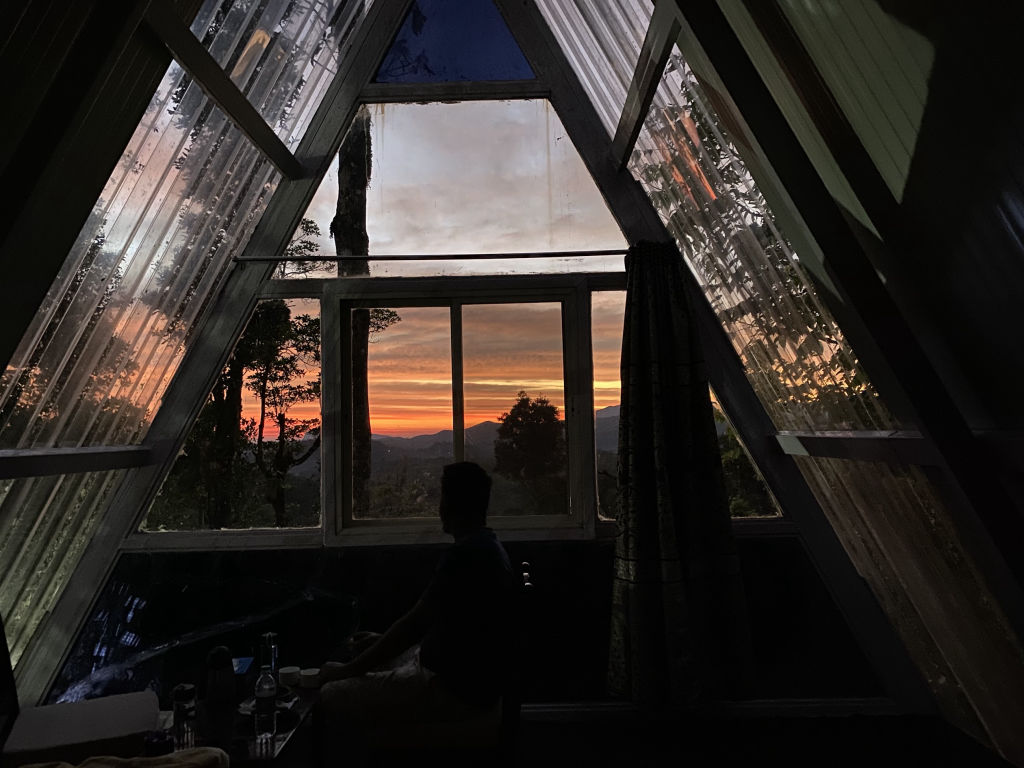
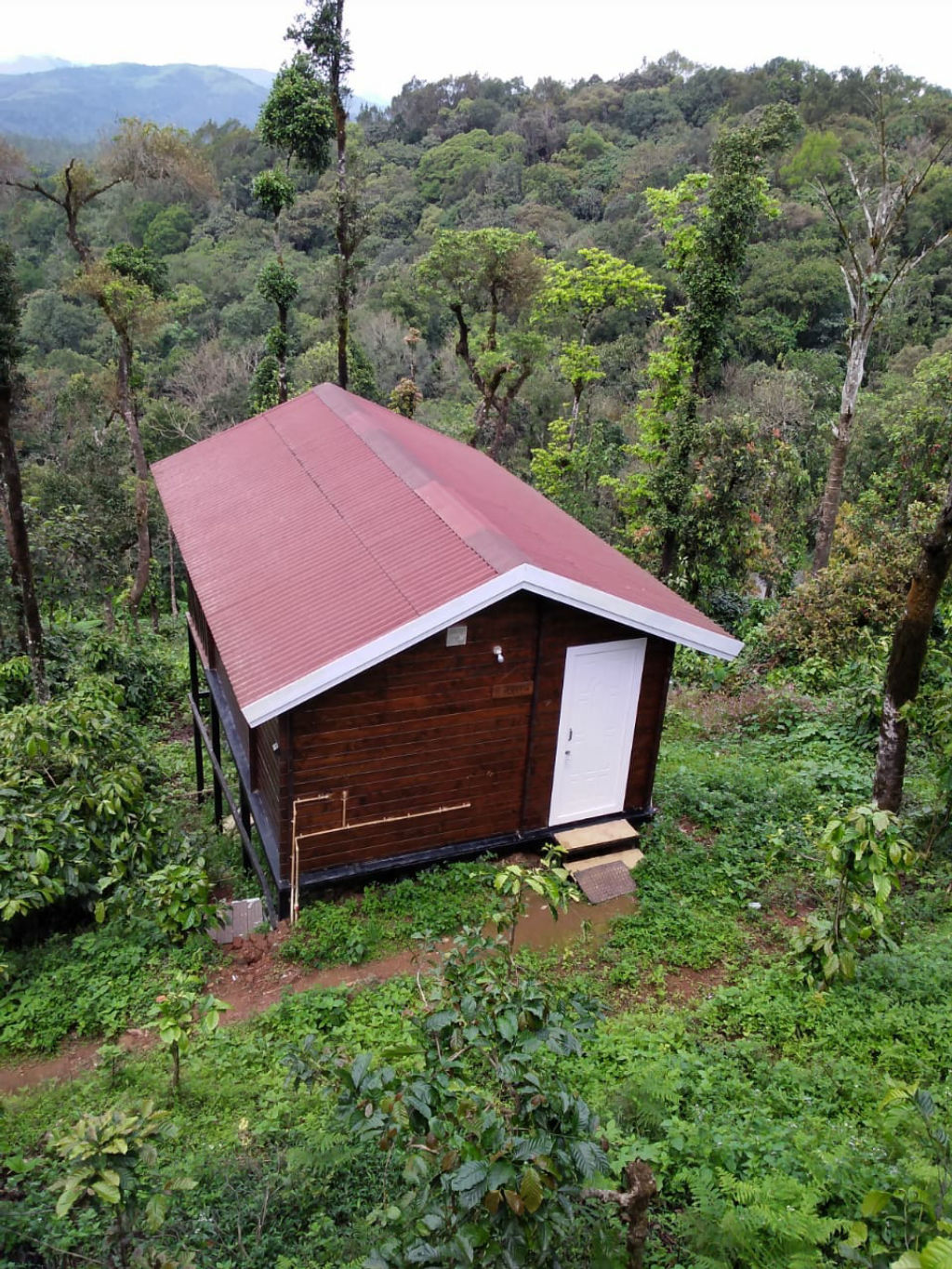
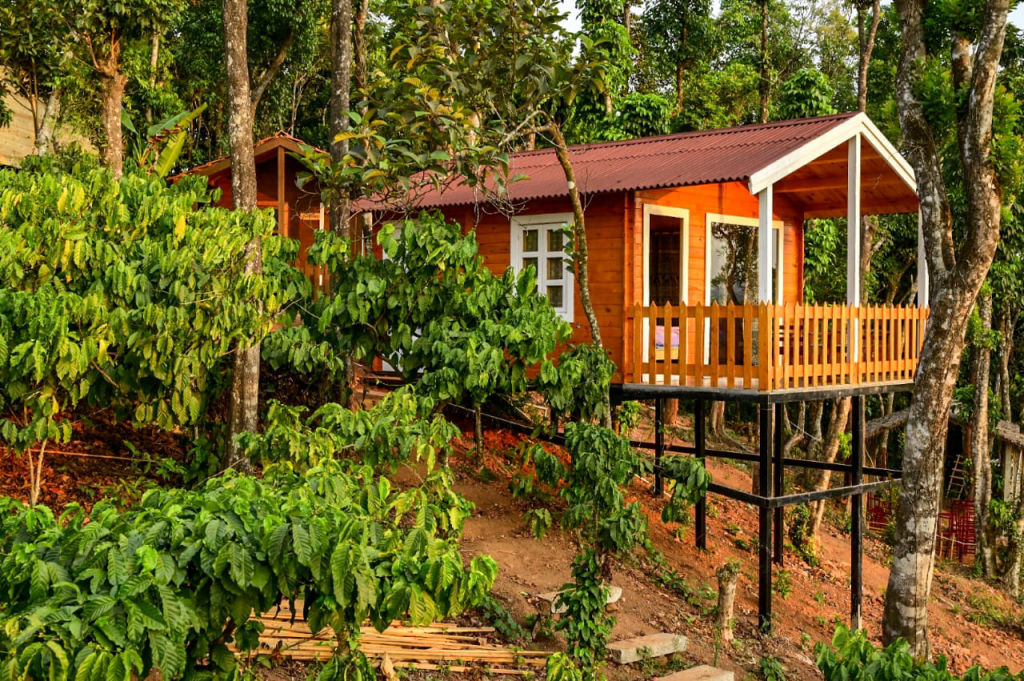
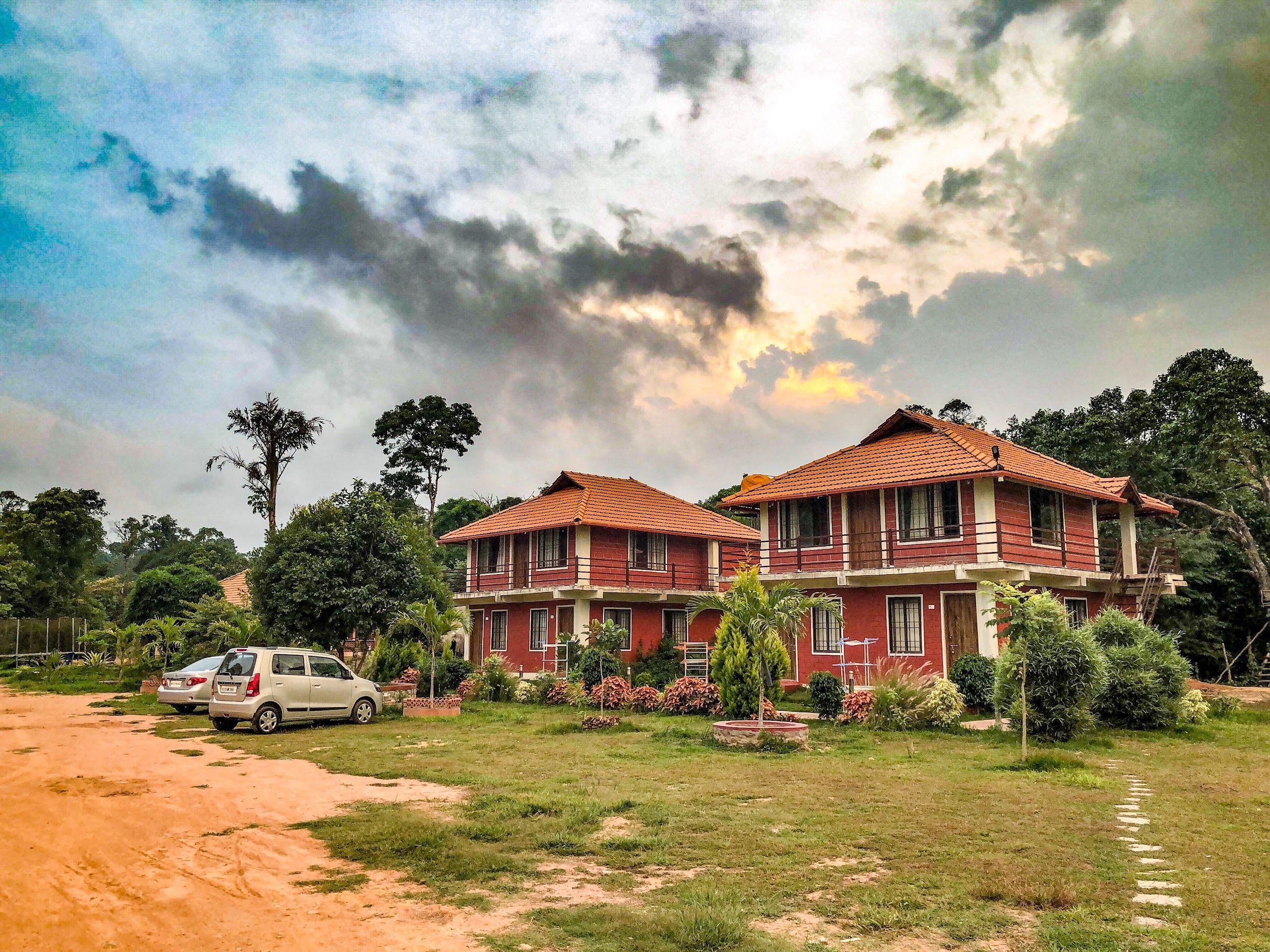
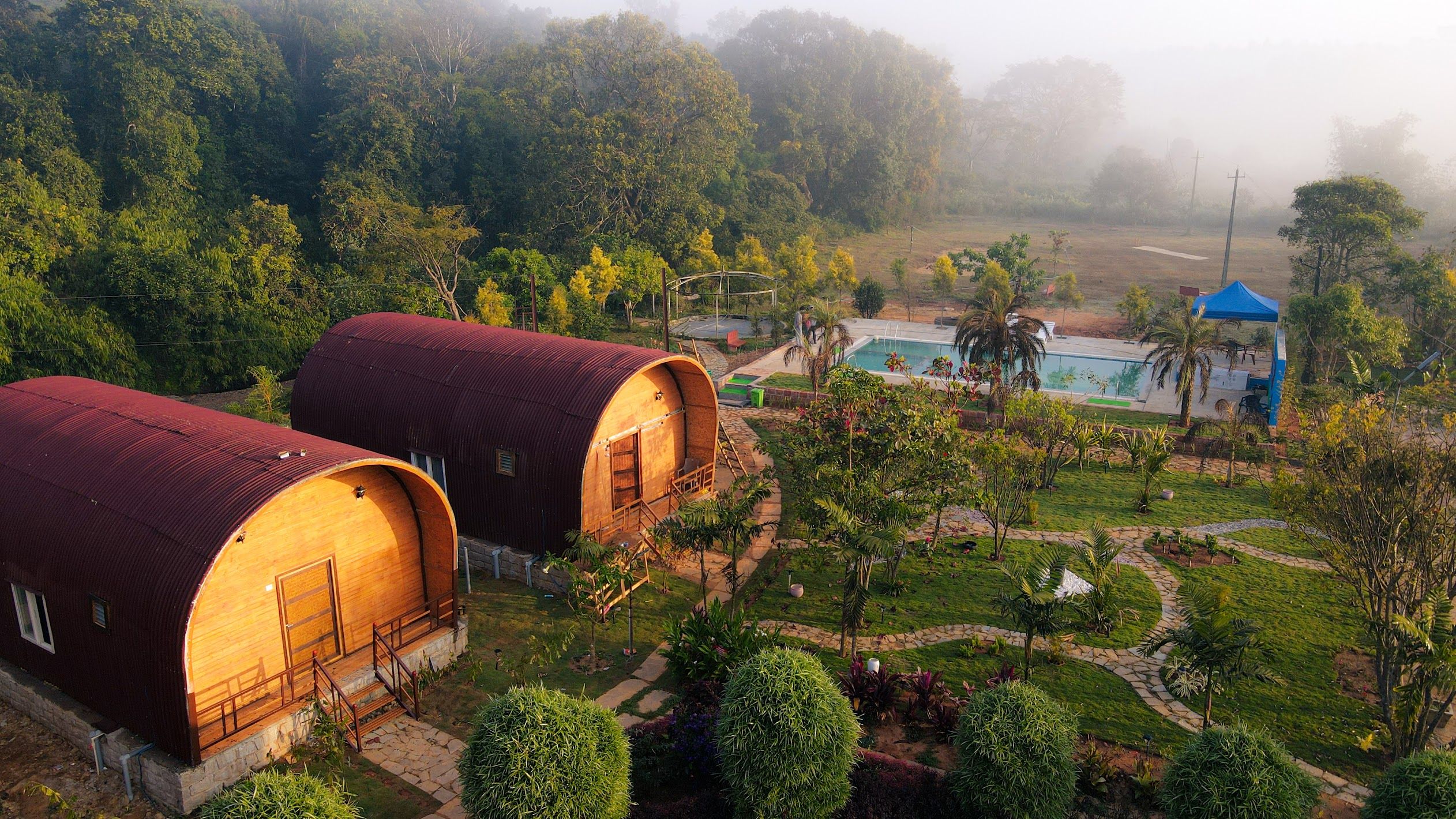
Because Bandaje Arbi is situated within a sensitive forest belt where wild camping is restricted by forest authorities, overnight stays are best arranged in the surrounding valleys and villages. The surrounding districts of Chikkamagaluru and Dakshina Kannada offer diverse accommodation choices suited for outdoor lovers, ranging from estate cottages and rustic homestays nestled within coffee and areca nut plantations to scenic riverside campsites.
Staying with local hosts in nearby hamlets allows you to experience regional Malnad and Tulu hospitality, taste authentic home-cooked meals, and get up-to-date guidance on trail conditions. You can browse and book verified campsites, outdoor getaways, and welcoming homestays around the region on HireACamp to serve as your base for visiting Bandaje Arbi.
Frequently asked questions
Is Bandaje Arbi accessible by car or bike?
No, there is no direct vehicular access to Bandaje Arbi. Visitors can drive to nearby base villages such as Bandaje or Durgadahalli, after which the waterfall must be reached via a moderate mountain trek.
Can you swim at Bandaje Arbi?
Swimming directly beneath or near the brink of Bandaje Arbi is extremely dangerous due to the sheer vertical drop, forceful currents, and slippery rocks. Visitors should admire the waterfall from safe vantage points along the trail.
Do I need permission or a guide to trek to Bandaje Arbi?
Yes, because the trail passes through reserve forest land, local forest department checkpoints often require registration, and hiring a knowledgeable local guide is strongly recommended for safety and navigation.
Are there leeches along the Bandaje Arbi trail?
Yes, leeches are very prevalent in the moist forest sections during the monsoon and early post-monsoon months. Wearing leech socks or applying salt can help manage them.
What is the best season to trek to Bandaje Arbi?
The post-monsoon months from late September through January offer the best conditions, providing vibrant green scenery, strong water flow, and relatively stable trail conditions.
Where you'll be
Karnataka · 5 stays nearby shown with prices
Stays near Bandaje Arbi
Book a place to stay close by
More places near Bandaje Arbi
Within 20 km


Built from 0 Instagram posts by 0 creators. Every tip links back to the post it came from, and where creators disagree we show both sides.






