
Jenukal Gudda
Peak near Kotigehara, Karnataka
5.5 km from Kotigehara
The nearest town, for stays, food and fuel.
Jenukal Gudda is a prominent mountain peak nestled in the Western Ghats of Karnataka, rising above rolling shola forests and sprawling estate valleys. Named 'Honey Rock Hill' after the numerous beehives that traditionally hung from its sheer cliff faces, the summit offers sweeping panoramic vistas across the coastal plains and neighbouring ridges. It draws trekkers, photographers, and nature lovers looking for an unhurried mountain trail and a quiet experience in one of the state's most biodiverse regions.
Getting there
By road
- From KotigeharaNearest town13 min · 10 km
- From Mangaluru1 hr 55 min · 93 km
- From Mysuru4 hr 55 min · 219 km
- From Bengaluru6 hr 25 min · 322 km
Typical drive times without traffic. Stations and airports from OLA Maps; distances and typical drive times from OpenStreetMap (© OpenStreetMap contributors); notes from creators' Reels.
About Jenukal Gudda
Written with AI from map data and general knowledge. Check prices and timings locally before you go.
The landscape of Jenukal Gudda
Jenukal Gudda stands tall amid the rugged spine of the Western Ghats, located near the borders of the Malnad plateau and the coastal foothills of Karnataka. The mountain's name is derived from the Kannada words for honey ('jenu'), rock ('kallu'), and hill ('gudda'), reflecting the wild honeycomb colonies historically observed clinging to its steep rock walls.
The lower elevations of the hill are wrapped in lush plantations of coffee, pepper, and tea, while the upper reaches open up into windswept shola grasslands interspersed with stunted evergreen thickets. Standing on the summit ridge, visitors are greeted by uninterrupted 360-degree views of undulating green hills, deep forested valleys, and dramatic cloud formations. On exceptionally clear winter mornings, the horizon stretches far toward the Arabian Sea coastline, framed by the sheer drops and steep valleys that define this section of the Ghats.
Trekking and trails at Jenukal Gudda
The trek to Jenukal Gudda is one of the highlight outdoor experiences in the area. The route typically begins at the foothill base, leading through private plantation tracks before breaking out into open grassland slopes. As you gain elevation, the trail ascends over grassy ridges that can be exposed to strong crosswinds, offering expansive vistas at every switchback.
The climb requires a moderate level of physical fitness, as certain stretches present steep inclines and uneven, rocky terrain. Hikers should watch their footing on the narrow crests, especially during or just after showers when grass and rocks become slick. In addition to the summit views, the trail offers keen naturalists the chance to observe Western Ghats birdlife, including hornbills, raptors circling the thermals, and an array of endemic flowering plants that bloom across the grasslands after the rainy season.
Read more
Best time to visit Jenukal Gudda
The post-monsoon and winter months, running from October through February, are widely considered the ideal time to visit Jenukal Gudda. During this window, the surrounding hills retain the rich green cover nurtured by the monsoon, while the skies clear up to provide crisp, panoramic visibility. Day temperatures remain comfortable for walking, and early mornings often feature ethereal layers of mist blanketing the valleys below.
From June to September, the region experiences intense south-west monsoon rains. The mountain slopes turn vivid green and seasonal waterfalls tumble across the terrain, but the trails can become treacherous, muddy, and infested with leeches. Trekking in peak monsoon requires specialised waterproof gear and extra caution. Summer months from March to May bring warmer, drier weather; while early morning climbs are still rewarding, midday heat on the open, unshaded ridges can be intense, so early starts are essential.
How to reach Jenukal Gudda
Jenukal Gudda is accessible via the network of roads connecting Hassan, Mudigere, and Sakleshpur, as well as the coastal belt around Mangalore. Travellers arriving by air can fly into Mangalore International Airport, located roughly a three to four-hour drive away, while Bengaluru is approximately five to six hours away by road via the national highway network through Hassan.
The nearest railway stations are at Sakleshpur, Hassan, and Mangalore, from where private taxis and local buses operate toward Mudigere and surrounding villages. The final approach to the trailheads typically follows narrow rural roads winding through coffee estates. Some stretches close to the base of the peak may be unpaved or steep, making a high-clearance vehicle useful. Visitors should plan to navigate via local landmarks or seek guidance from estate workers, as cellular connectivity can be intermittent in the interior valleys.
Places to visit around Jenukal Gudda
The region around Jenukal Gudda is packed with natural landmarks, historic shrines, and scenic detours. Close to the slopes, the sprawling tea gardens around the Kelagur estate provide leisurely walks and the chance to observe traditional tea processing amidst manicured hillside rows.
Waterfalls are in abundance along the surrounding escarpment. Ermayi Falls and Arbi Falls are popular stops for those who enjoy forest cascades, where cold streams drop over stepped rock formations into natural pools. In the nearby valleys, the Netravathi River flows past tranquil riverbanks that make peaceful rest stops. Cultural travellers can also visit well-known heritage and religious destinations within driving range, including the historic Kalaseshwara Temple in Kalasa, the revered Annapoorneshwari Temple in Horanadu, and the pilgrimage town of Dharmasthala, home to the Manjunatha Swamy Temple and the monumental Bahubali statue.
Tips for your visit
Preparation is key to an enjoyable day on the mountain. Because there are no shops, stalls, or facilities once you leave the village base, bring plenty of drinking water and lightweight snacks to keep your energy up during the climb. Sturdy hiking shoes with dependable grip are essential for the uneven rock and loose earth on the upper ridges.
Dress in breathable, light layers to adapt to changing temperatures, and carry a hat and sunscreen for protection on the unshaded ridgeline. If you visit between June and November, packing leech socks, salt, or insect repellent is strongly recommended. Weather conditions in the Western Ghats can shift rapidly, bringing sudden cloud cover or rain, so always tuck a light rain jacket and a waterproof cover for your electronic devices into your daypack. Practice strict outdoor ethics by packing out all trash and avoiding loud noise that disturbs local wildlife.
Where to stay near Jenukal Gudda
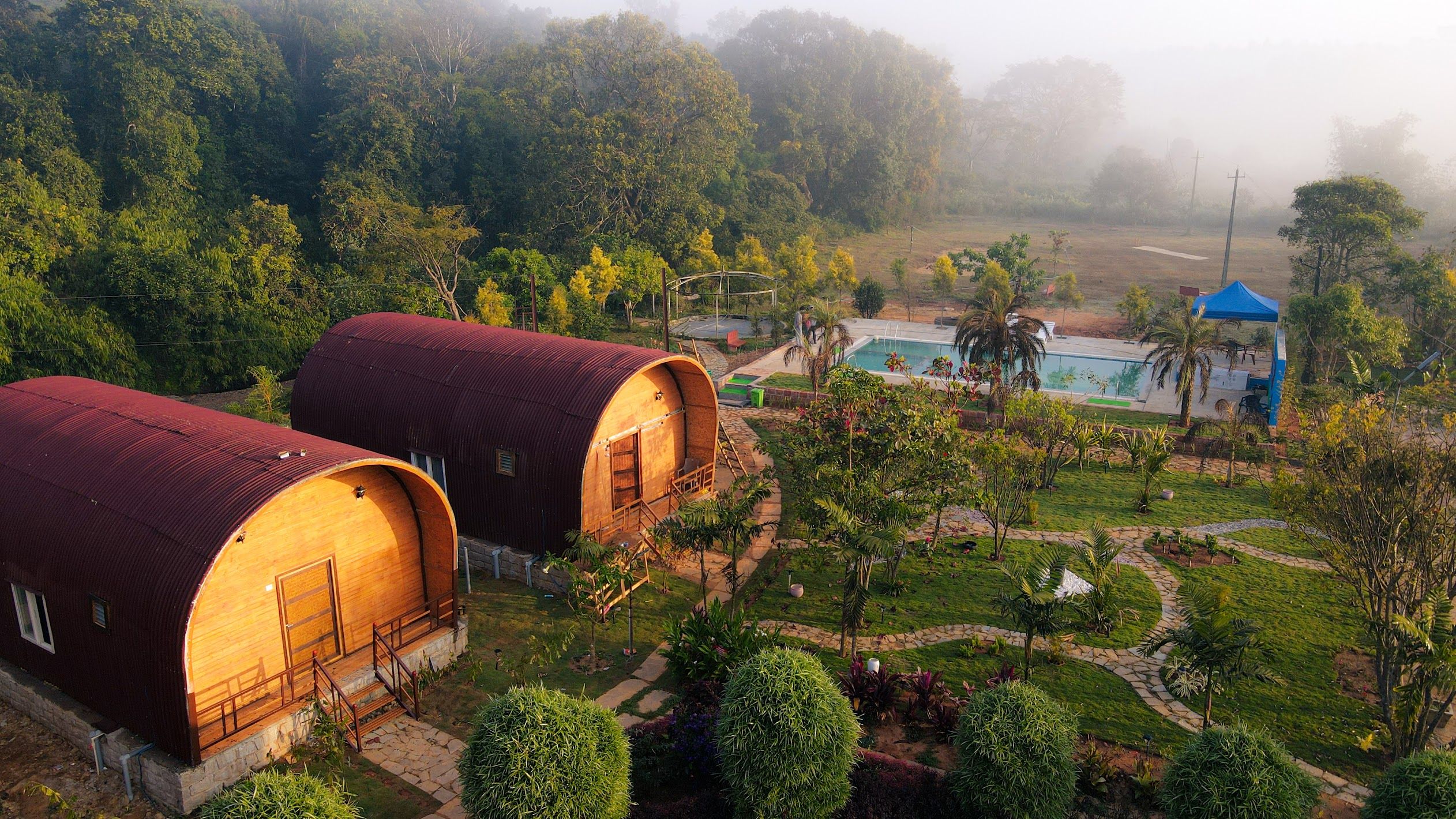
Accommodation options in the area cater well to outdoor travellers, with an emphasis on rustic and nature-focused lodging. The surrounding districts of Chikmagalur, Mudigere, and Sakleshpur are known for their quiet homestays tucked deep inside working coffee and spice plantations. Staying in a homestay allows visitors to experience local Malnad hospitality, home-cooked regional meals, and morning walks beneath the estate canopy.
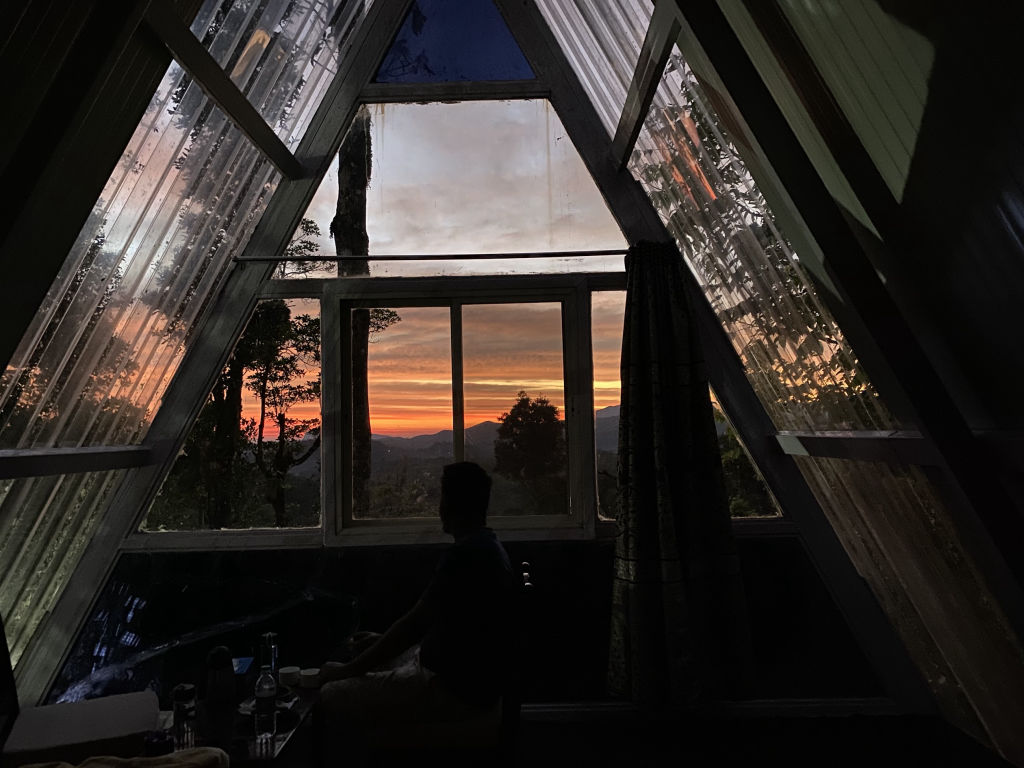
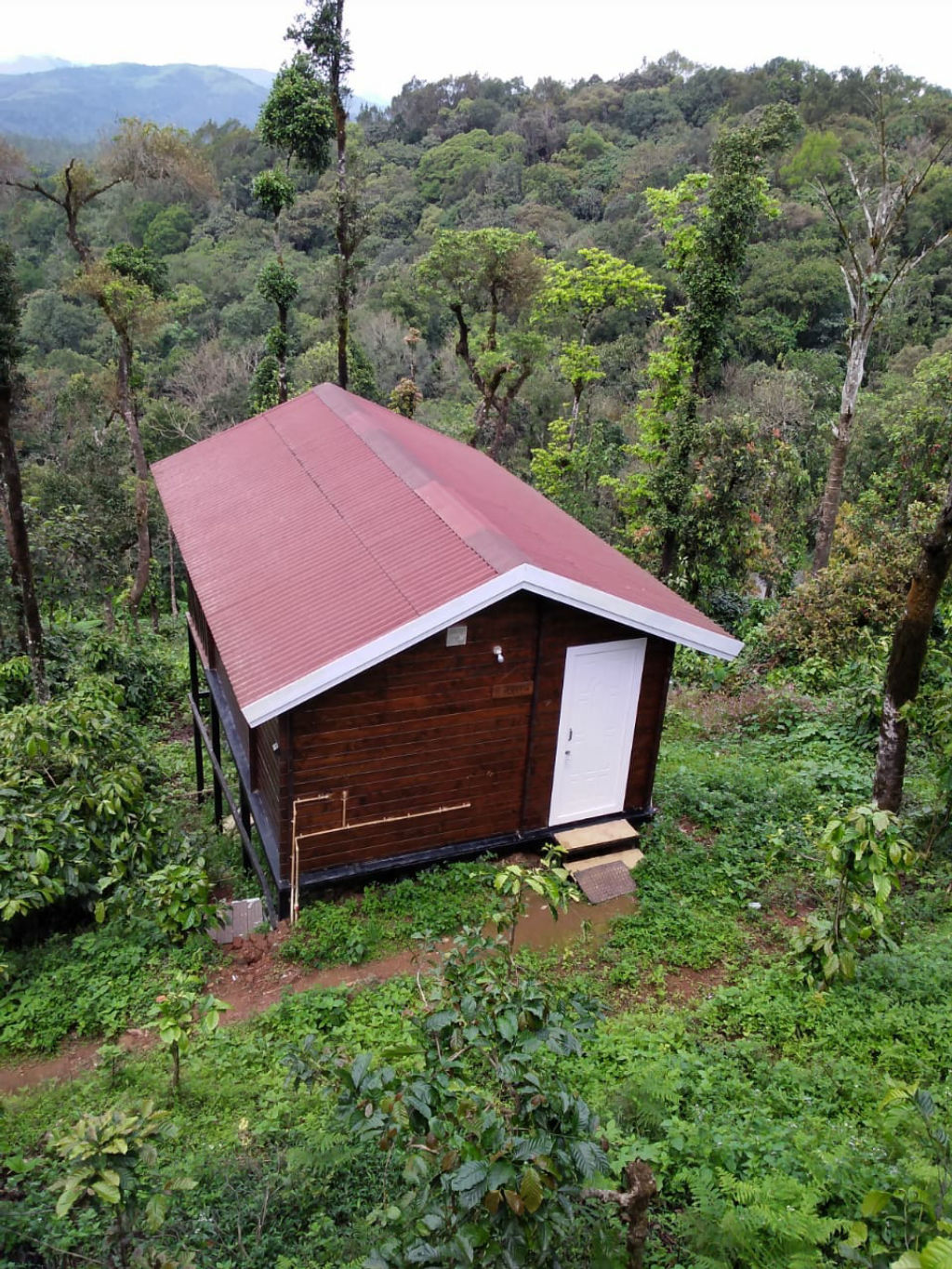
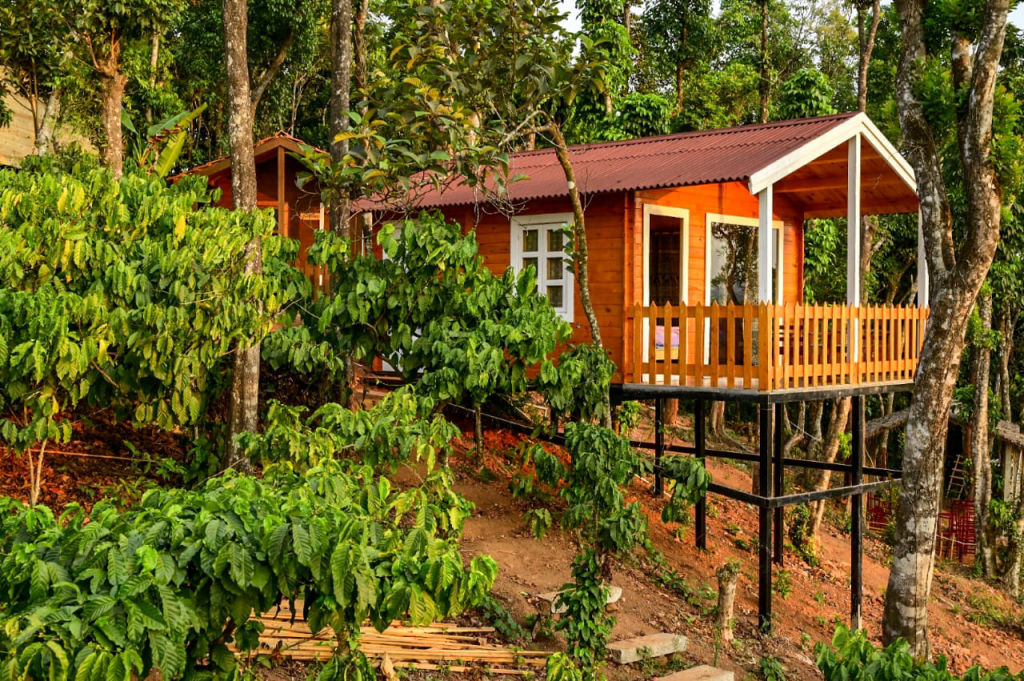
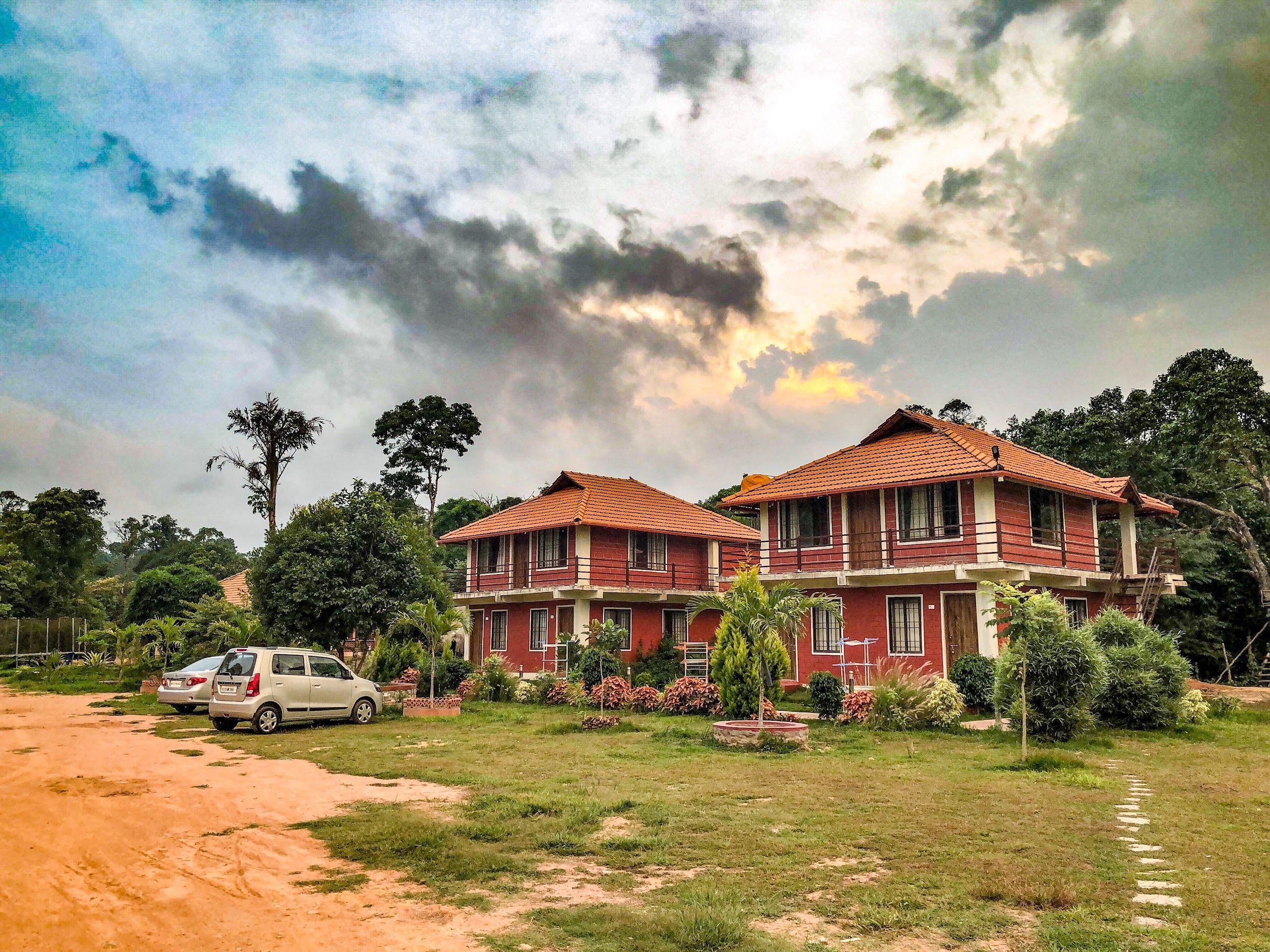
For those who prefer sleeping closer to nature, riverside and hillside campsites are situated within convenient driving distance of the trail base. These spots provide basic amenities, clear night skies for stargazing, and easy access to early morning hikes. You can discover and book verified campsites, private homestays, and plantation retreats around Jenukal Gudda on HireACamp.
Frequently asked questions
How difficult is the trek to Jenukal Gudda?
The trek is generally considered moderate. While the trail features steep climbs, uneven rocky paths, and exposed ridges, it is manageable for people with basic fitness and sturdy footwear.
Do I need permission from the forest department to climb Jenukal Gudda?
Trekking regulations and permit requirements in the Western Ghats can change depending on seasonal fire hazards or conservation rules. It is advisable to inquire locally in the base village or check with local administrative offices before starting your ascent.
Are there food and water stalls on the hill?
No, there are no commercial vendors, food stalls, or clean drinking water sources along the trail or at the summit. Trekkers should carry all necessary water, energy snacks, and supplies from the base.
Can I visit Jenukal Gudda during the monsoon?
You can visit, but trekking in the peak monsoon between June and August is demanding due to heavy downpours, slippery rock faces, gusty winds, and abundant leeches. Good rain gear and proper preparation are essential.
Is Jenukal Gudda suitable for children and older adults?
The lower walking paths through the plantations are accessible to most visitors, but the final steep climb along the narrow ridge is best suited for older children and adults with reasonable balance and stamina.
Where you'll be
Karnataka · 5 stays nearby shown with prices
Stays near Jenukal Gudda
Book a place to stay close by
More places near Jenukal Gudda
Within 20 km


Built from 0 Instagram posts by 0 creators. Every tip links back to the post it came from, and where creators disagree we show both sides.






