
Sri Kalabhairaveshwara Temple
Temple near Devarmane, Karnataka
100 m from Devarmane
The nearest town, for stays, food and fuel.
Sri Kalabhairaveshwara Temple is an ancient and revered shrine located at Devaramane near Guthi in Karnataka's Western Ghats. Perched amidst verdant shola hills, rolling grasslands, and coffee plantations, the temple attracts both devout pilgrims and travellers drawn to the tranquil, high-altitude landscape. Its setting near the edge of the Charmadi belt makes it a restful cultural stop in an ecologically rich region.
Getting there
By road
- From Mangaluru2 hr 30 min · 116 km
- From Mysuru4 hr 55 min · 196 km
- From Bengaluru6 hr 25 min · 306 km
- From Coimbatore9 hr 15 min · 400 km
Typical drive times without traffic. Stations and airports from OLA Maps; distances and typical drive times from OpenStreetMap (© OpenStreetMap contributors); notes from creators' Reels.
About Sri Kalabhairaveshwara Temple
Written with AI from map data and general knowledge. Check prices and timings locally before you go.
About Sri Kalabhairaveshwara Temple
Dedicated to Lord Kalabhairava, a formidable manifestation of Lord Shiva, Sri Kalabhairaveshwara Temple in Devaramane stands as a focal point of faith for the surrounding rural communities. The temple features traditional regional architecture built to withstand the relentless monsoon downpours characteristic of the Malnad hills. Its stone sanctum, sloping tiled rooflines, and quiet courtyard offer a contemplative retreat far removed from bustling highway thoroughfares.
Pilgrims visit the temple to seek protection, strength, and blessings, especially during religious festivals and auspicious lunar days. While the shrine is modest in scale compared to major pilgrimage centers, its timeless aura and integration with the surrounding greenery give it a grounded, restorative presence.
The Serene Landscape of Devaramane
The village of Devaramane is celebrated locally for its expansive viewpoints and scenic undulations. Located near Guthi, this region marks the transition zone where the high Deccan plateau gives way to the deep, forested gorges of the Western Ghats. Terraced coffee estates, dense bamboo thickets, and open grassy ridge lines define the terrain surrounding the temple.
Visitors who pause at the temple grounds often spend time admiring the sweeping views of neighboring mountain ridges. On clear days, the valley floors open up into deep green expanses, while breezy, mist-laden winds frequently roll over the hills, wrapping the temple courtyards in cool mountain air.
Read more
Best time to visit Sri Kalabhairaveshwara Temple
The temple and its neighboring viewpoints can be visited throughout the year, but the experience changes markedly from season to season. The post-monsoon and winter months, stretching from October through February, are widely considered the most comfortable for travel. During this window, the skies clear, temperatures remain cool and mild, and the slopes maintain the deep green color left behind by the monsoon rains.
The monsoon season, running from June through September, brings torrential rainfall to the Western Ghats. While driving on winding mountain roads requires extra caution during these months, the countryside comes alive with swelling mountain streams and mist. Summer, from March to May, brings warmer daytime temperatures, though morning and evening breezes in Devaramane remain pleasant compared to the coastal plains down below.
How to reach Sri Kalabhairaveshwara Temple
Sri Kalabhairaveshwara Temple is situated in Devaramane, accessed most conveniently via the town of Guthi or through the regional road network connecting Mudigere and the Charmadi Ghat. Travellers coming from Bengaluru typically drive via Hassan and Belur toward Mudigere before branching off toward the Guthi and Devaramane route. The drive from Bengaluru is roughly 260 to 280 kilometers depending on the exact route taken.
For those travelling from coastal Karnataka, the route ascends from Mangaluru, Belthangady, and Ujire up the steep curves of Charmadi Ghat before turning toward Devaramane. The mountain roads feature narrow stretches, hairpin turns, and elevation changes, so private vehicles, rented taxis, or two-wheelers are the most practical means of reaching the temple. Local bus connectivity to Guthi is limited, making independent transport the best option for flexible exploration.
Places to visit around Sri Kalabhairaveshwara Temple
The area around Devaramane is filled with scenic viewpoints, hiking trails, and spiritual landmarks. Just a short drive away lies the famed Charmadi Ghat, renowned for its panoramic views over dramatic escarpments and cloud-covered valleys. Nearby viewpoints such as Kode Kallu and peaks like Jenukal Gudda, Ettina Bhuja, and Amedikal Betta draw outdoor enthusiasts looking for day hikes across undulating ridge lines.
Waterfalls are another highlight of this mountain corridor, with Alekan Waterfalls located just a short distance from the temple and Ermayi Waterfalls situated further down along the western foothills. Travelers interested in expanding their temple itinerary can also journey to prominent spiritual destinations within driving distance, including Sri Kshetra Dharmasthala Manjunatha Swamy Temple, Sri Nanya Bhairaweshwara Temple, and the Annapoorneshwari Temple at Horanadu.
Tips for visiting Sri Kalabhairaveshwara Temple
Visitors to Sri Kalabhairaveshwara Temple should dress modestly and respectfully, keeping in mind the traditional customs of village shrines in Karnataka. Removing footwear before entering the temple perimeter is customary. It is recommended to carry light woollens or windcheaters, especially during the early mornings or throughout the monsoon and winter months, as hillside gusts can be cold.
Because facilities around Devaramane are relatively quiet and rural, keep basic snacks, drinking water, and essential medicines on hand. Fuel stations are available in larger regional towns like Mudigere and Kottigehara, so topping up your fuel tank before taking off on remote hillside roads is a sensible precaution. Drive slowly on single-lane countryside stretches, giving way to agricultural vehicles and local walkers.
Where to stay near Sri Kalabhairaveshwara Temple
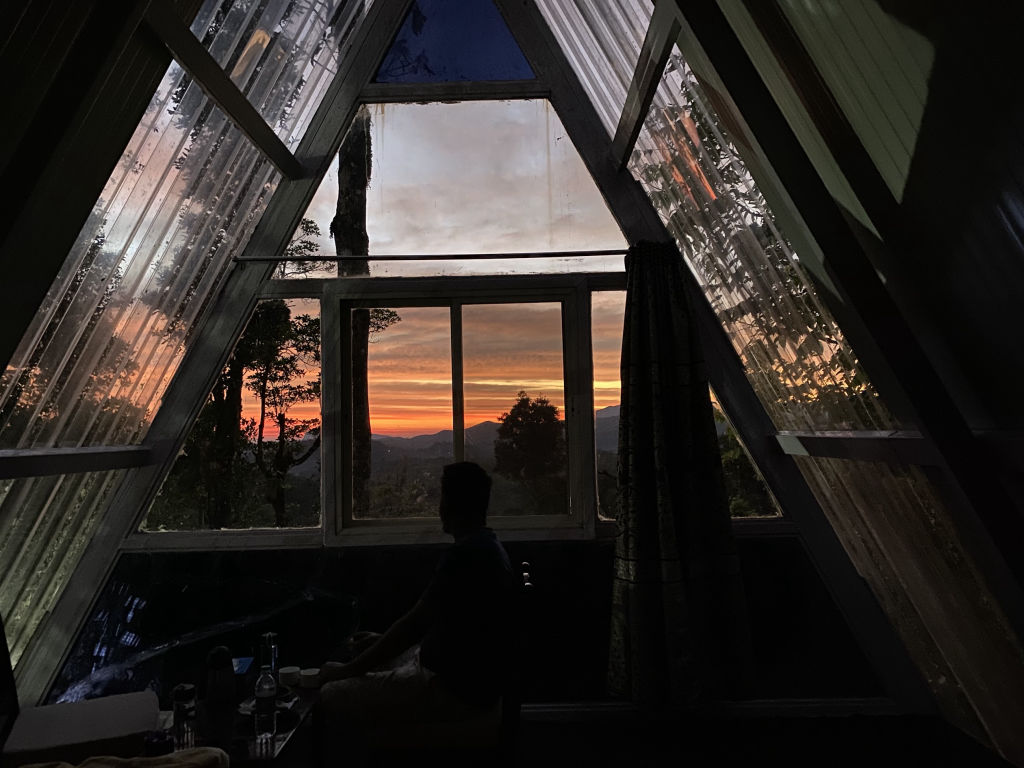
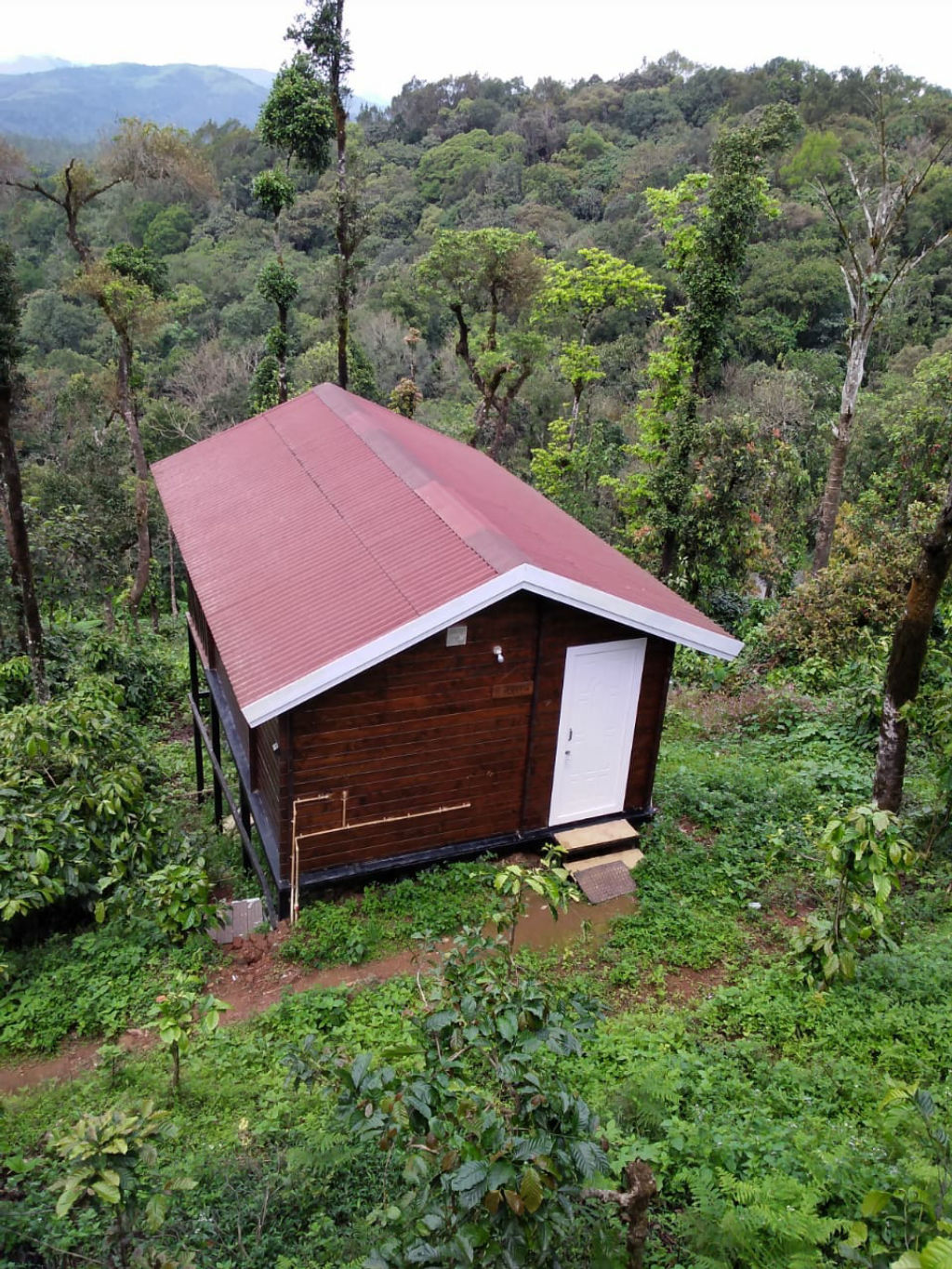
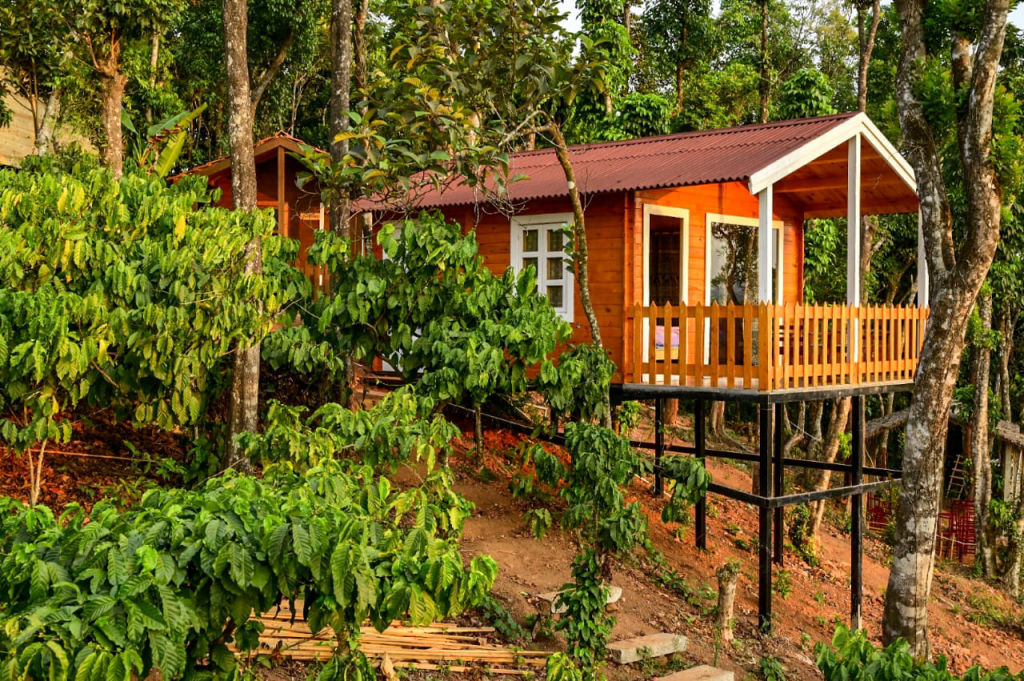
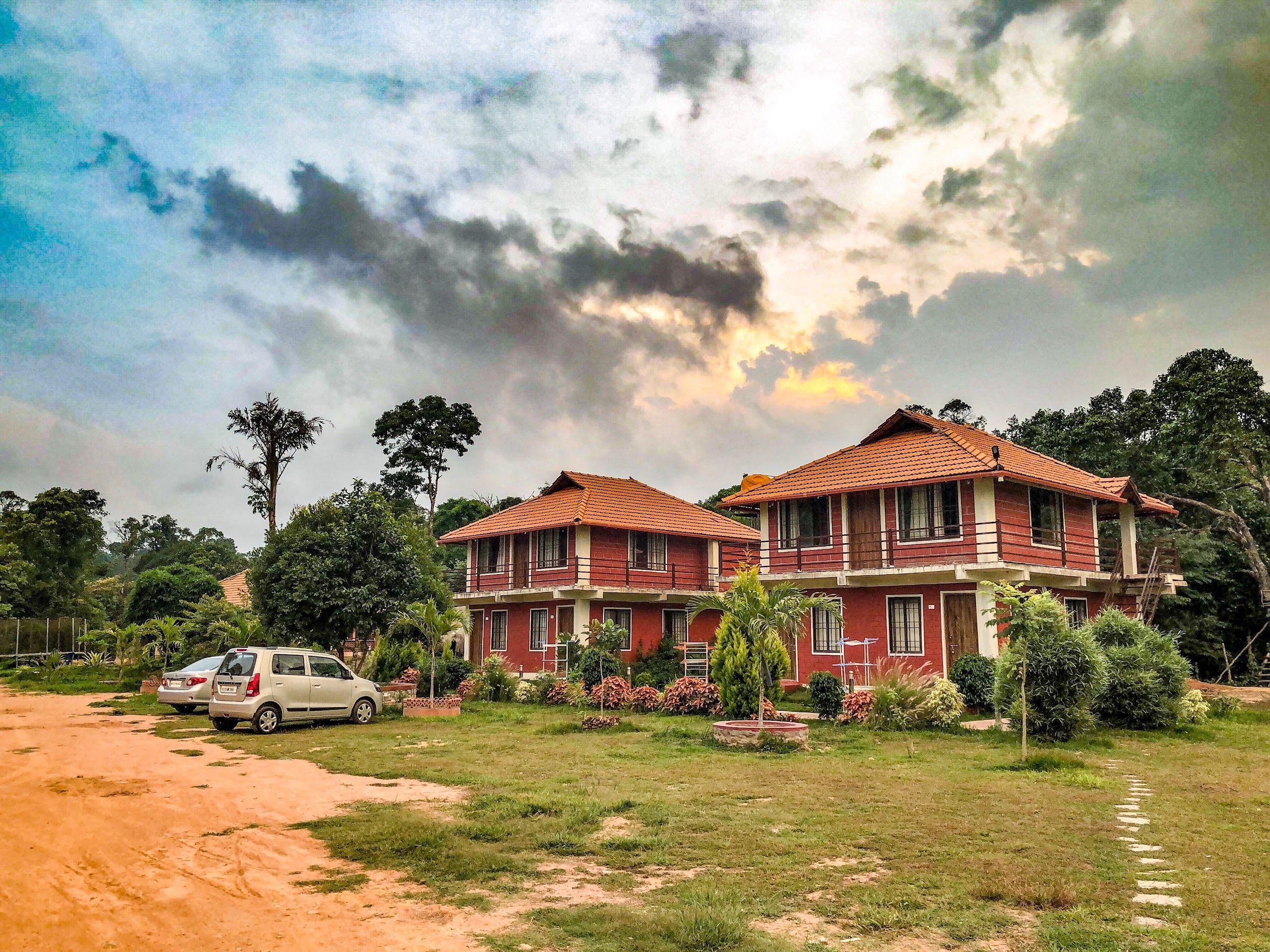
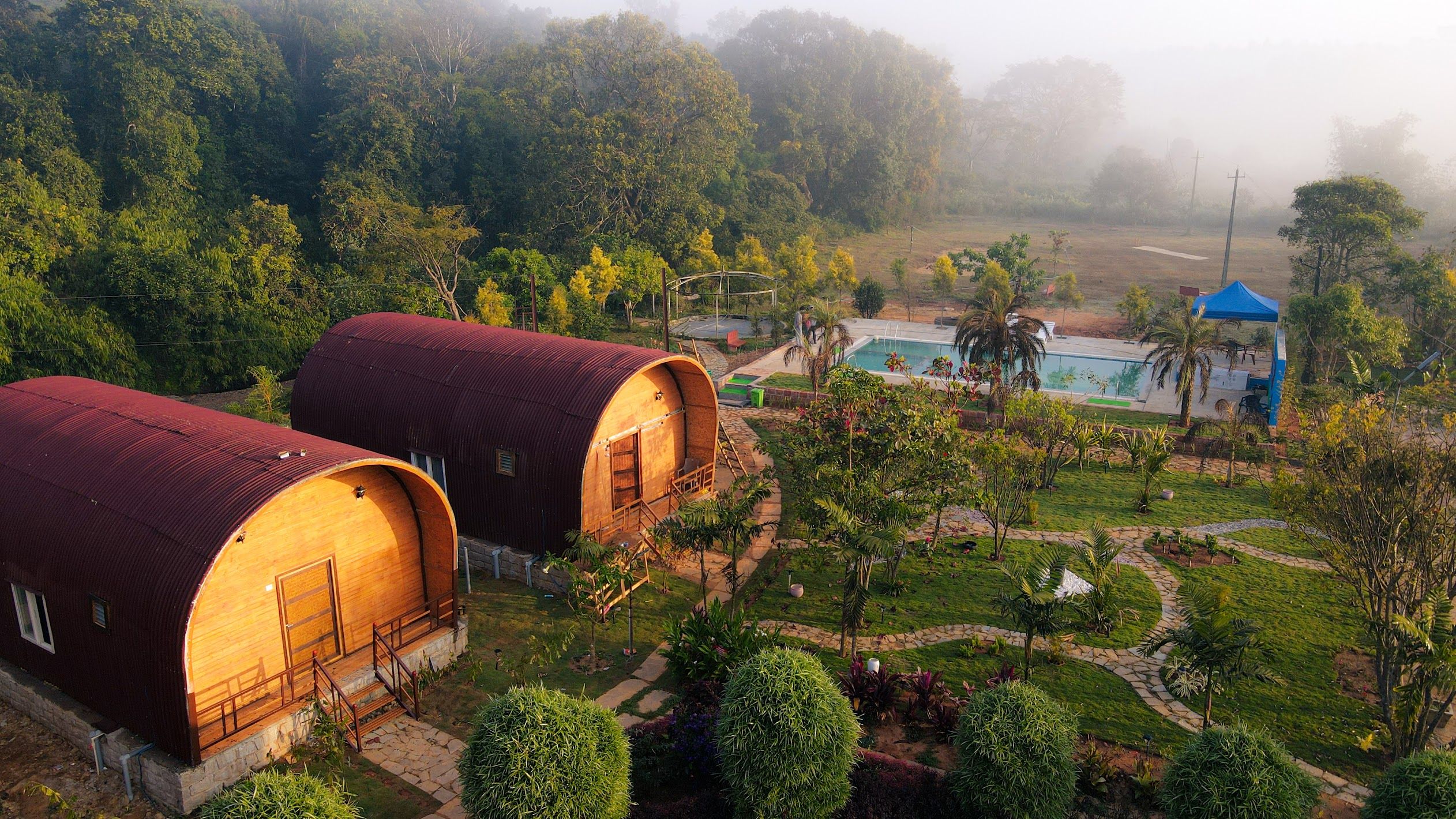
The Devaramane and Guthi region offers a tranquil alternative to conventional hotel districts, with accommodations scattered across coffee plantations, wooded valleys, and scenic plateaus. Travelers wishing to stay close to nature can discover a selection of homestays, eco-friendly retreats, and rustic campsites in the surrounding countryside.
Staying in the area allows you to wake up to birdsong, morning valley fog, and fresh plantation air. You can search for and book verified homestays, nature retreats, and outdoor camps near Sri Kalabhairaveshwara Temple on HireACamp.
Frequently asked questions
Where is Sri Kalabhairaveshwara Temple located?
The temple is located at Devaramane, near the village of Guthi in the Western Ghats region of Karnataka.
What is the best season to plan a trip to Devaramane?
The months from October to February provide the most comfortable weather, with clear skies, lush post-monsoon greenery, and pleasant daytime temperatures.
Are there hiking spots near Sri Kalabhairaveshwara Temple?
Yes, several prominent hills and hiking trails are situated nearby, including Ettina Bhuja, Jenukal Gudda, and Amedikal Betta.
Is public transport readily available to reach the temple?
Public bus services to the immediate village of Devaramane are sparse, so driving by private car, taxi, or motorcycle from nearby towns like Mudigere or Guthi is recommended.
Where can travellers stay near Sri Kalabhairaveshwara Temple?
Travelers can find regional homestays, plantation stays, and scenic camping options in the surrounding hills through HireACamp.
Where you'll be
Devaramane, Guthi, KA · 5 stays nearby shown with prices
Stays near Sri Kalabhairaveshwara Temple
Book a place to stay close by
More places near Sri Kalabhairaveshwara Temple
Within 20 km


Built from 0 Instagram posts by 0 creators. Every tip links back to the post it came from, and where creators disagree we show both sides.






