
Bathad
Destination in Himachal Pradesh
Bathad is a quiet riverside settlement located in the Kullu district of Himachal Pradesh, tucked deep into the lush reaches of the Tirthan Valley region. Surrounded by dense deodar forests, rushing mountain streams, and terraced fields, it serves as a key base for long-distance treks into the surrounding ranges. Travellers visit Bathad to experience unhurried Himalayan village life, walk forested trails, and explore the rugged fringe of the Great Himalayan National Park.
Getting there
By road
- From Chandigarh5 hr 15 min · 226 km
- From Ludhiana5 hr 50 min · 266 km
- From Amritsar7 hr 50 min · 377 km
- From Dehradun8 hr 45 min · 418 km
Typical drive times without traffic. Stations and airports from OLA Maps; distances and typical drive times from OpenStreetMap (© OpenStreetMap contributors); notes from creators' Reels.
About Bathad
Written with AI from map data and general knowledge. Check prices and timings locally before you go.
About Bathad
Bathad marks the point where the motorable road through the upper Tirthan region tapers into footpaths leading into deep wilderness. Located along the banks of the Palachan stream, a tributary of the Tirthan River, the village sits comfortably amid towering cedar groves, apple orchards, and traditional wood-and-stone vernacular architecture. Life here moves along an agricultural rhythm, largely undisturbed by heavy commercial traffic.
The settlement has long served as a vital junction for locals crossing between the Kullu and Shimla districts. Centuries of trans-Himalayan herding and trade routes wound through Bathad, climbing up over high-altitude passes toward the Sutlej basin. Today, it retains this outpost character, making it appealing for hikers, nature lovers, and anyone seeking a slower pace in the mountains.
Things to do in and around Bathad
Trekking is the primary pursuit for travellers arriving in Bathad. The village is most famously the starting point for the trek over the Bashleo Pass, an ancient footpath that connects the Tirthan Valley with Nirmand and Sarahan. The trail climbs through virgin pine and oak canopies before emerging onto sweeping subalpine meadows with panoramic vistas of the Himalayan ridges. It is a challenging but deeply rewarding route for self-sufficient hikers and guided groups alike.
For those who prefer low-intensity days, walking along the riverbank offers immediate relaxation. The waters of the mountain stream flow briskly over smooth boulders, creating natural pools and shaded resting spots under the alders. Angling enthusiasts often head to designated stretches of the nearby river system, which is celebrated for brown and rainbow trout, though required permits should always be verified locally before casting a line.
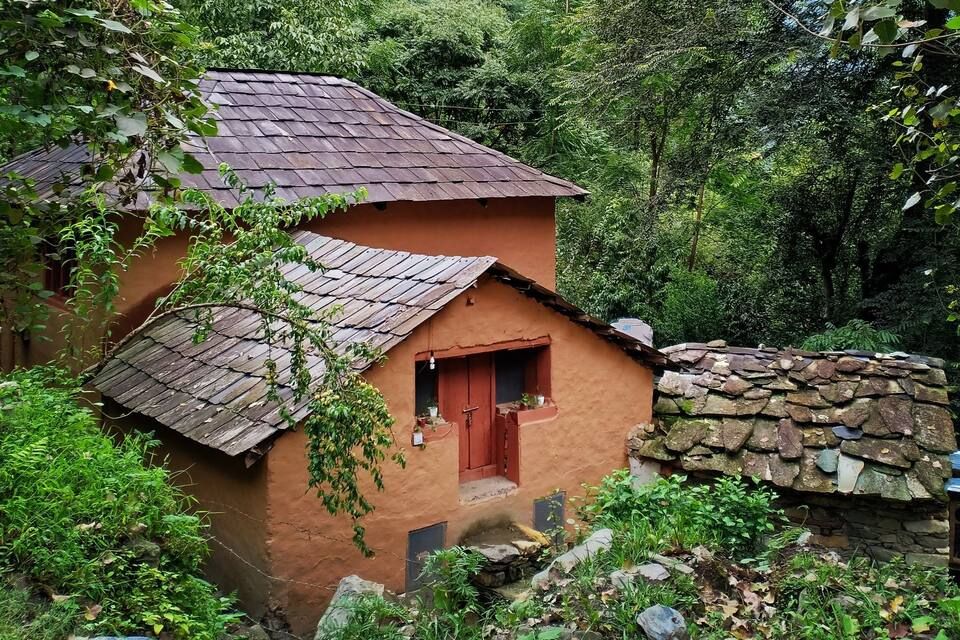
Strolling through Bathad and neighbouring hamlets reveals classic Himachali craftsmanship. Homes feature intricately carved timber balconies, stone roofs, and dry-masonry ground levels designed to store livestock and grain. Engaging politely with local residents offers a genuine glimpse into daily mountain chores, from gathering fodder on steep slopes to tending small orchard plots.
Read more
Places to visit nearby
Bathad's strategic position makes it a natural launchpad for discovering the wider Seraj and Tirthan regions. A short journey down the valley leads to the broader Tirthan Valley road, connecting travellers with villages renowned for their craftsmanship, community forest walks, and entry portals to the Great Himalayan National Park, a UNESCO World Heritage Site harbouring rich Himalayan flora and endangered wildlife.
Ascending towards higher ground brings you to Jalori Pass, situated at over 3,000 metres. The pass offers broad viewpoints looking out across the inner Himalayan ranges and provides access to historic paths leading to Serolsar Lake and the remnants of Raghupur Fort. Nearby, the road winds through high-altitude villages like Gadagushaini, where broad open pastures contrast against the steep, narrow gorges below.
Further across the valley system lies the Shangarh valley in Sainj, revered for its vast, rolling clearing and the distinctive pagoda architecture of the Shangchul Mahadev Temple. The surrounding mountains are dotted with traditional wooden shrines displaying unique regional woodcarving, including Shamshar Mahadev and Magru Mahadev, which preserve centuries of local spiritual heritage.
Best time to visit
The ideal time to visit Bathad depends largely on whether your plans centre on hiking, orchard walks, or winter quiet. Spring and summer, stretching from April to June, bring pleasant weather, vibrant greenery, and clear daytime skies. During these months, trails across the high passes begin opening up, and temperatures remain comfortable for outdoor exploration while the plains below experience peak heat.
The monsoon months of July and August bring heavy downpours to the region. While the valleys turn exceptionally verdant and waterfalls surge, the mountain roads are prone to landslides and stream crossings become hazardous. Travel during this season requires extra flexibility and continuous monitoring of local weather forecasts.
Autumn, from late September through November, is widely considered the clearest season. The rains subside, the atmosphere becomes exceptionally sharp, and the surrounding deciduous trees take on rich golden tones. Daytime conditions are crisp and sunny, though night temperatures begin dropping rapidly. Winter from December to February brings freezing conditions and occasional snowfall to Bathad, with the high passes becoming completely blocked, transforming the area into an isolated, peaceful winter retreat for those equipped for the cold.
How to reach Bathad
Reaching Bathad involves travelling into the inner valleys of Kullu district. If travelling by air, the closest airport is Bhuntar near Kullu, from where one can hire a local taxi or board regional buses heading towards Banjar and onwards to Bathad. The nearest broad-gauge railway stations are located in Chandigarh and Kalka, both connected to major Indian cities, from where road transport is required to reach the mountains.
Travellers taking long-distance buses generally travel along the Delhi-Chandigarh-Manali highway as far as Aut. At Aut, before entering the tunnel, you turn off into the Seraj Valley, following the river past Larji and Banjar. From Banjar, regional link roads branch out; following the route through Gushaini along the Palachan stream leads directly to Bathad. The last leg of the journey runs along a narrow, winding mountain road, and driving cautiously is essential, particularly during wet weather.
Where to stay in Bathad
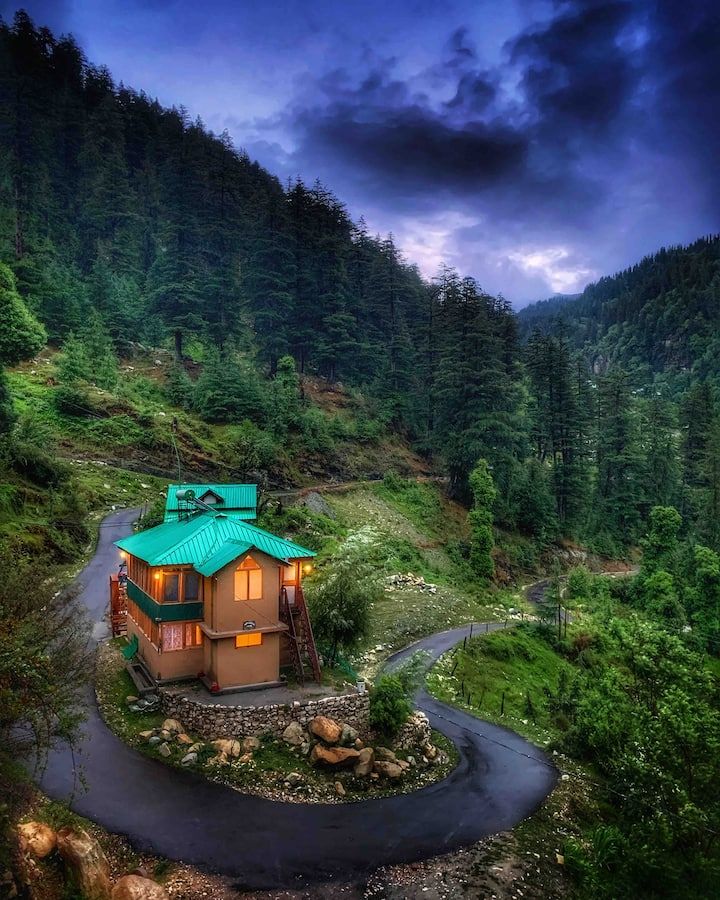
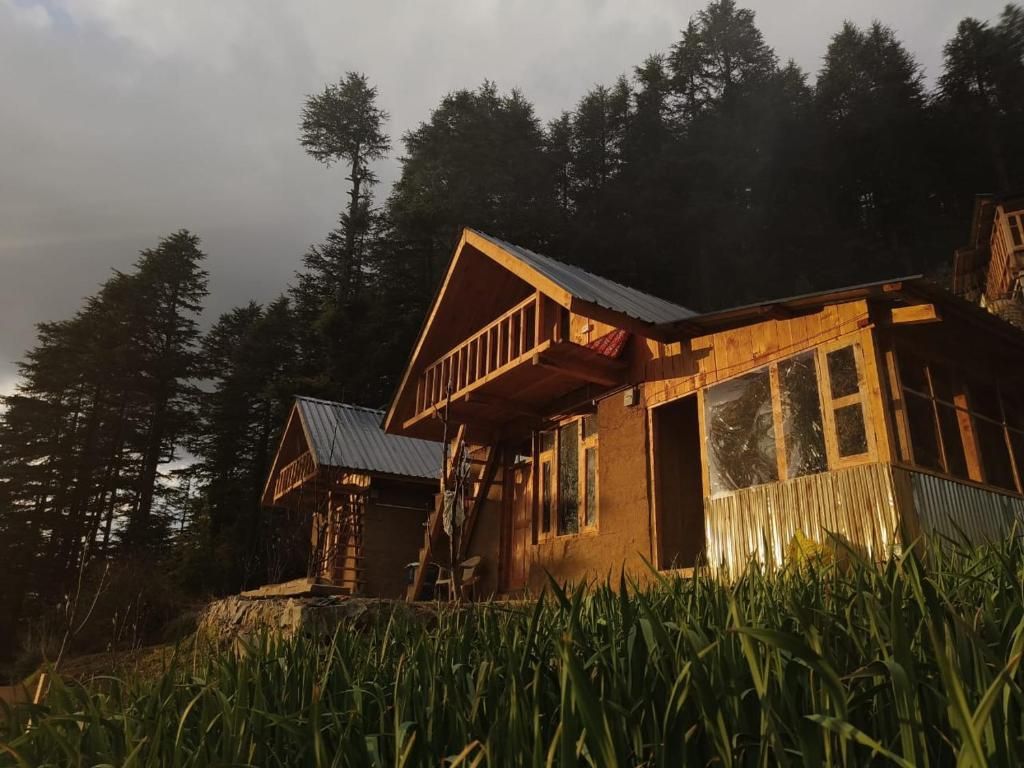
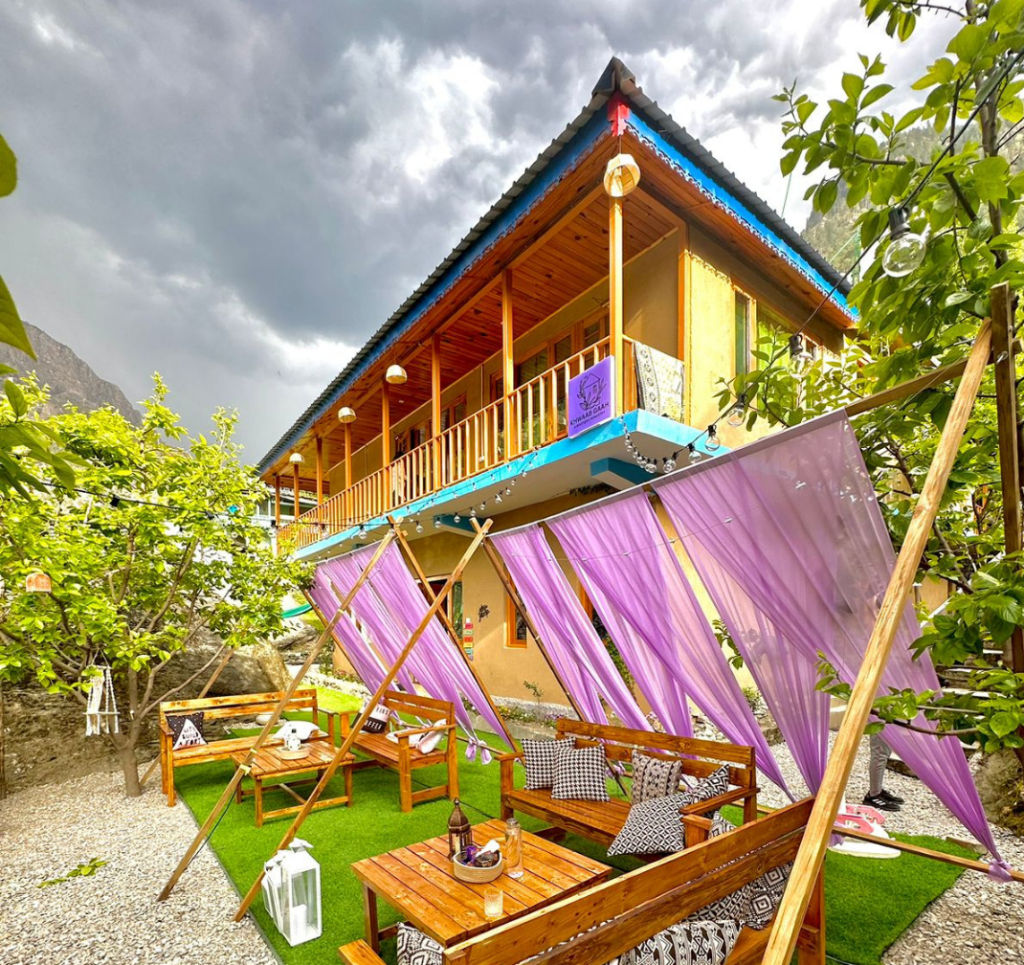
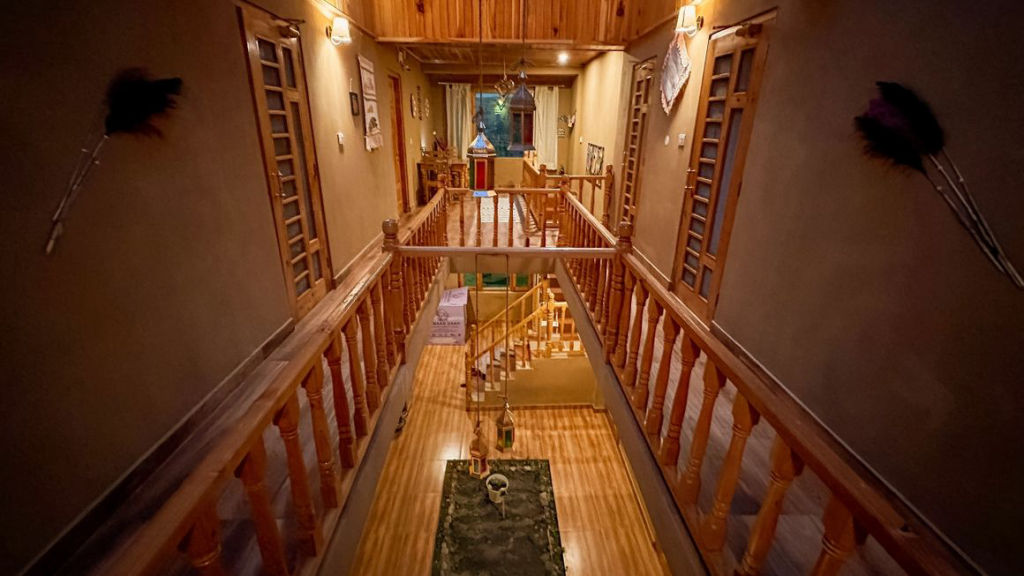
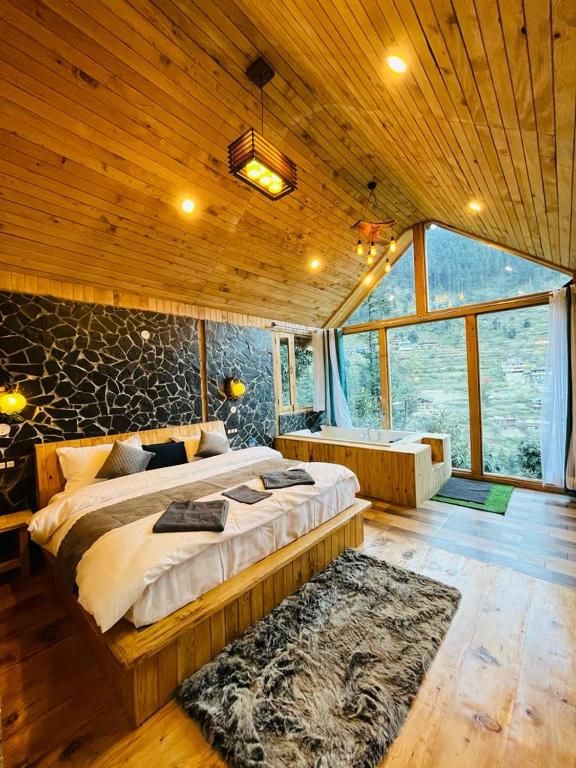
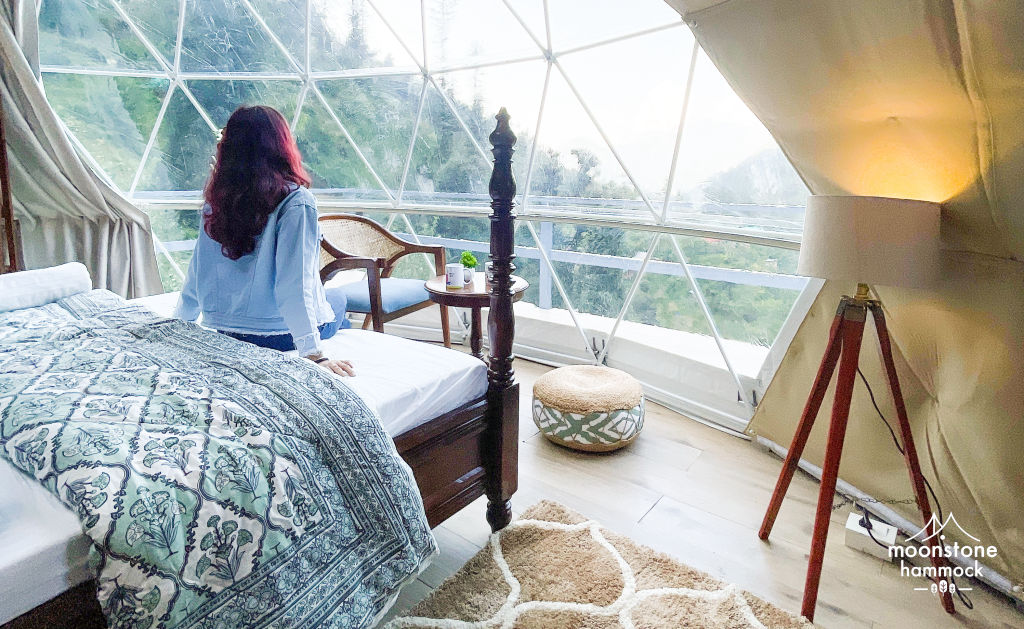
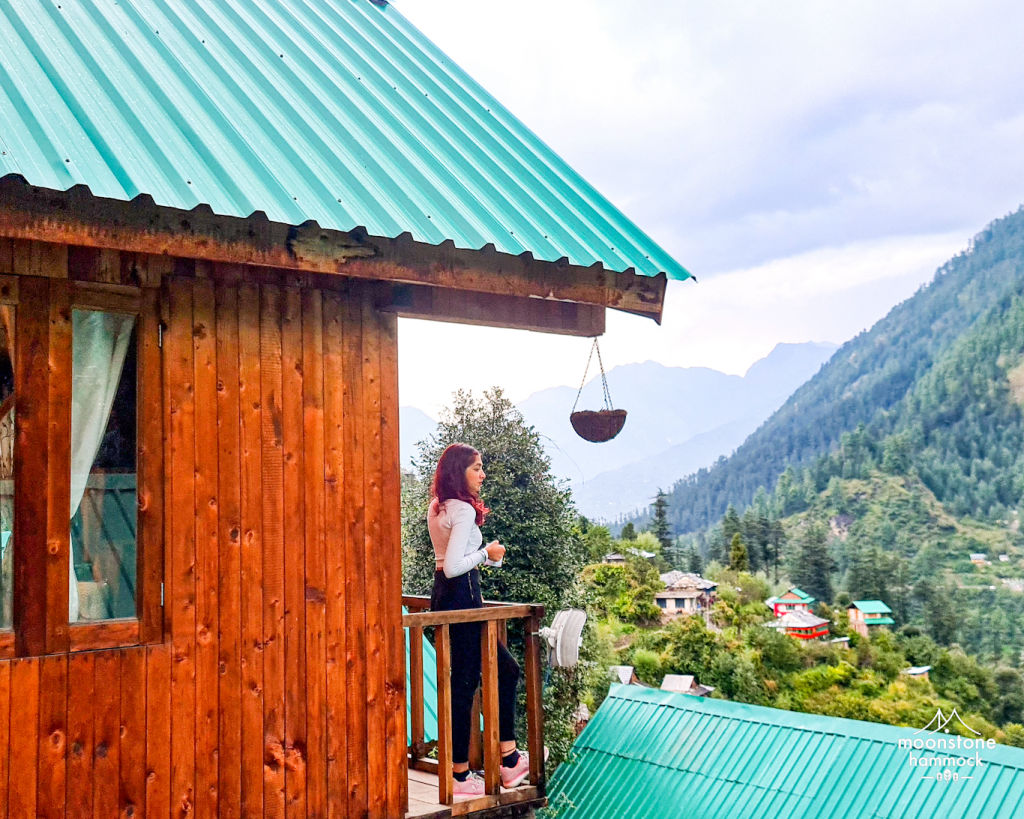
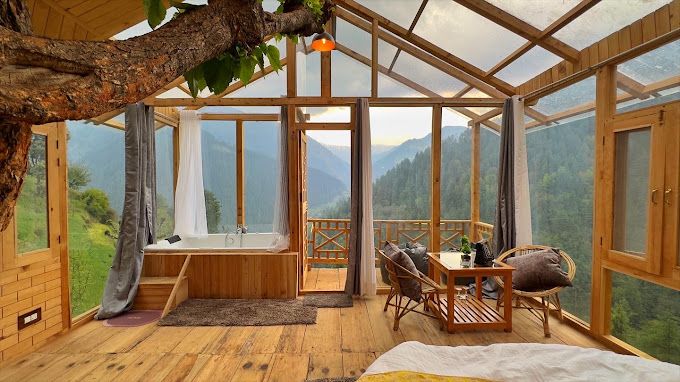
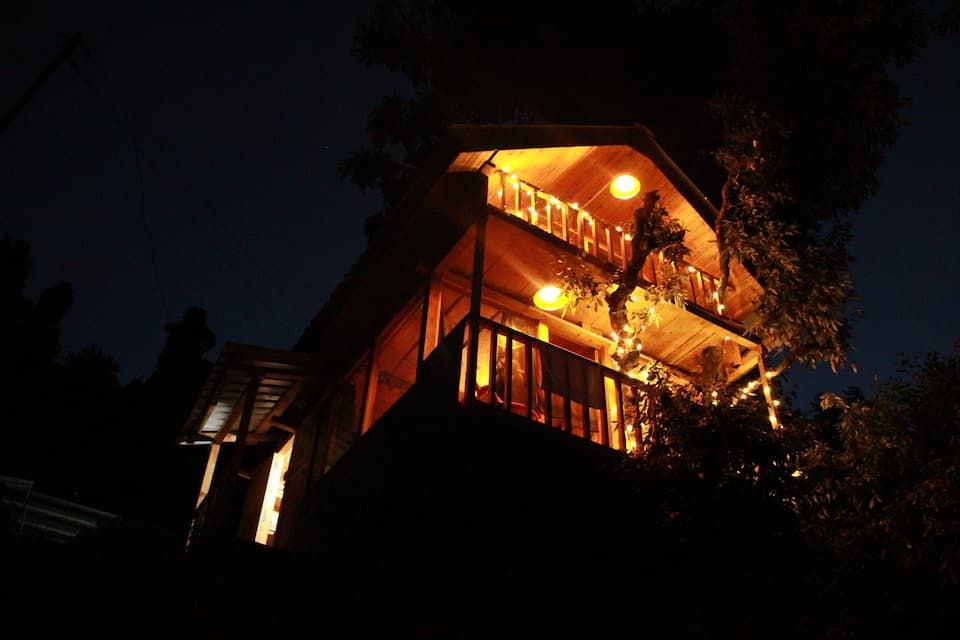
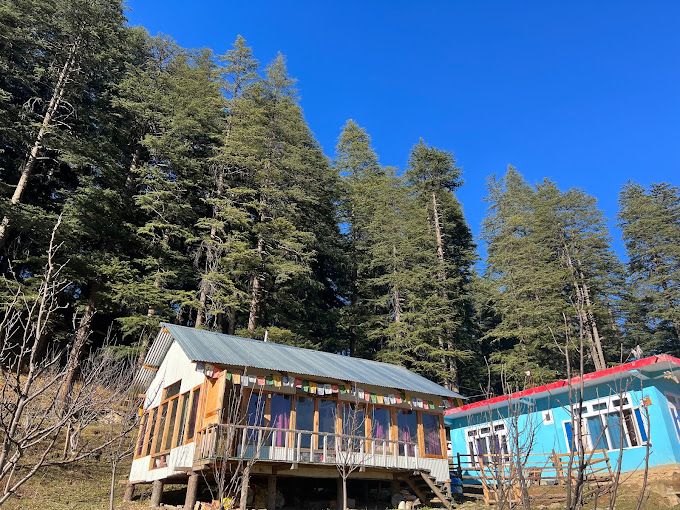
Accommodation options in and around Bathad reflect the tranquil, rustic nature of the area. Travellers will find family-run homestays, traditional wooden guesthouses, and designated riverside campsites set along the valley floor. Staying in a local homestay provides not only comfortable lodging but also the chance to taste home-cooked Himachali meals prepared with locally sourced grains, lentils, and seasonal greens.
Whether you are looking for a basecamp to rest before crossing the high passes or a quiet riverside shelter to unwind for a few days, you can explore verified camps, homestays, and outdoor stays around Bathad on HireACamp to suit your travel plans.
Frequently asked questions
Where is Bathad located?
Bathad is an alpine village located in the Kullu district of Himachal Pradesh, situated along the upper stretches of the Tirthan Valley stream network.
What is Bathad best known for?
Bathad is best known as the traditional starting point for the trek over the Bashleo Pass, as well as for its serene riverside setting, cedar forests, and quiet village atmosphere.
Can I visit the Great Himalayan National Park from Bathad?
Yes, Bathad is located close to the buffer zones and entry trails of the Great Himalayan National Park, making it an excellent stop for hikers heading into the conservation area.
What is the best way to travel to Bathad by road?
Travellers generally take the main highway towards Kullu, turn off at Aut, and travel via Banjar and Gushaini along the rural valley roads leading straight to Bathad.
Does Bathad receive snowfall in the winter?
Yes, Bathad and its surrounding slopes experience freezing temperatures and occasional snowfall during peak winter, usually between late December and February.
Where you'll be
11 stays nearby shown with prices
Stays near Bathad
Book a place to stay close by
Things to do in Bathad
48 places creators recommend within 30 km


Built from 0 Instagram posts by 0 creators. Every tip links back to the post it came from, and where creators disagree we show both sides.






