
Great Himalayan National Park
National park near Gushaini, Himachal Pradesh
6.1 km from Gushaini
The nearest town, for stays, food and fuel.
Great Himalayan National Park is a protected wilderness and UNESCO World Heritage Site situated in the Kullu district of Himachal Pradesh. Spanning high-altitude alpine peaks, glacial river valleys, and dense temperate forests, it preserves some of the most intact ecosystems in the Western Himalayas. Nature enthusiasts, birdwatchers, and trekkers visit the park to explore remote trails, crystalline rivers, and rich mountain biodiversity.
Getting there
By road
- From GushainiNearest town13 min · 4.4 km
- From Chandigarh5 hr 5 min · 220 km
- From Ludhiana5 hr 35 min · 260 km
- From Amritsar7 hr 40 min · 371 km
Typical drive times without traffic. Stations and airports from OLA Maps; distances and typical drive times from OpenStreetMap (© OpenStreetMap contributors); notes from creators' Reels.
About Great Himalayan National Park
Written with AI from map data and general knowledge. Check prices and timings locally before you go.
About Great Himalayan National Park
Great Himalayan National Park covers an expansive territory across the catchment areas of the Jiwa Nal, Sainj, Tirthan, and Parbati rivers in Himachal Pradesh. Declared a national park in 1999 and designated a UNESCO World Heritage Site in 2014, the park stands as a testament to dedicated biodiversity conservation in the Western Himalayas. Unlike many conventional wildlife sanctuaries, this park features no paved roads inside its core boundaries, which preserves its wild and undisturbed character.
The park landscape changes dramatically with altitude, transitioning from subtropical forests at lower elevations to dense stands of blue pine, deodar, oak, and fir. Higher up, the tree line gives way to subalpine birch groves, sweeping alpine meadows known locally as thachs, and jagged glaciated peaks. The park's main forest administrative center and visitor hub is based near Sairopa, in the scenic Tirthan Valley, which serves as a primary access point for permits, information, and starting trails.
Wildlife and flora in the park
The isolation and varied topography of Great Himalayan National Park make it a refuge for a diverse range of rare and endangered species. It is globally recognized as one of the stronghold habitats for the Western Tragopan, a strikingly patterned pheasant that serves as the state bird of Himachal Pradesh. Alongside the tragopan, birdwatchers can spot the Himalayan monal, koklass pheasant, cheer pheasant, and various high-altitude raptors soaring along the ridgelines.
Mammals within the park inhabit different altitudinal zones. Elusive snow leopards roam the high snow-covered ridges, while brown bears and Asiatic black bears forage across birch forests and alpine meadows. The steeper cliffs provide sanctuary for mountain ungulates such as the bharal or blue sheep, the Himalayan tahr, and musk deer. The rivers flowing from the park are pure and cold, supporting distinct aquatic life including freshwater trout in the surrounding ecozone.
Read more
Trekking and trails in Great Himalayan National Park
Exploring Great Himalayan National Park is fundamentally a pedestrian adventure. There are no safari vehicles or motorable tracks inside the reserve, meaning all exploration happens on foot. Day hikes through the ecozone around villages such as Sairopa, Gushaini, and Ropa offer gentle walks through orchards, traditional deodar-wood hamlets, and riverside paths along the sparkling Tirthan River.
For experienced adventurers, the park offers challenging multi-day wilderness treks deep into its core zone. Trails follow river valleys up to remote alpine pastures such as Rolla, Shilt, Khorli Bah, and the high-altitude passes leading toward Sainj Valley or Pin Parvati. These interior routes require proper backcountry preparation, including camping gear, food supplies, and certified local guides who know the terrain and weather patterns. Because access to the core zone is strictly regulated to protect fragile habitats, check locally at the park offices in Sairopa or Shamshi regarding current permit rules and guide requirements before venturing out.
Best time to visit
The park experiences distinct seasons, with spring and autumn providing the most comfortable conditions for visitors and trekkers. The spring and early summer window from April to June brings mild daytime temperatures, blossoming rhododendrons, and active birdlife. During this period, lower-elevation trails and ecozone paths are clear of snow, making it ideal for leisure walking and nature photography.
Autumn, from late September to November, brings clear blue skies, crisp mountain air, and golden foliage across the valley. The weather is stable, offering sharp panoramic views of surrounding peaks and dry trails for high-altitude trekking. The monsoon months of July and August bring heavy rain to Himachal Pradesh, which often triggers landslides along mountain roads and makes footpaths slick and leech-prone. Winter transforms the park into a quiet, snow-bound landscape from December to March, when higher trails become inaccessible and travel is limited to the lower ecozone villages.
How to reach Great Himalayan National Park
Great Himalayan National Park is accessible primarily through the Tirthan Valley and Sainj Valley in Kullu district. The closest airport is Kullu-Manali Airport at Bhuntar, situated roughly 50 kilometers away from the park base at Sairopa. From Bhuntar, local taxis and buses travel south along the national highway toward Aut, branching off into the valleys.
Travelers arriving by road from major northern cities typically head toward Mandi and proceed through the Aut tunnel, turning off onto the scenic road leading to Banjar and Gushaini. Regular overnight buses run from Delhi and Chandigarh to Aut or Bhuntar. From these highway stops, local buses and private cabs connect into the Tirthan Valley and reach the park office at Sairopa. Roads inside the valleys are narrow and wind alongside mountain cliffs, so driving at a cautious pace is recommended.
Places to visit nearby
The area surrounding the park is dotted with picturesque hamlets and viewpoints that make for rewarding side trips. Jalori Pass, located about 18 kilometers away, is a scenic high mountain pass offering wide views of the Pir Panjal and Great Himalayan ranges, and serves as the trailhead for treks to Sareolsar Lake and Raghupur Fort.
Further north, the tranquil Shangarh Valley, roughly 14 kilometers away, is known for its wide open green meadow and the ancient, intricately carved Shangchul Mahadev Temple. Other regional hamlets such as Gadagushaini and the village clusters in Thachi Valley showcase traditional Himachali lifestyle, multi-tiered slate-and-wood architecture, and peaceful rural walking trails surrounded by terraced farms and cedar forests.
Tips for your visit
When planning an excursion into Great Himalayan National Park, preparation is essential. The interior is an untouched wilderness with no shops, electricity, or medical facilities, so you must carry all necessary supplies, including warm layer clothing, waterproof gear, personal medication, and water purification tablets. Sturdy, broken-in trekking boots are indispensable on the rocky, steep mountain paths.
Practice strict Leave No Trace principles throughout your journey. Carry out all non-biodegradable waste, avoid playing loud music that disturbs native wildlife, and respect the natural habitat. Always travel with an authorized local guide on interior treks, as mountain weather can shift quickly and trail navigation requires local familiarity.
Where to stay around Great Himalayan National Park
Accommodation inside the core zone of the national park is strictly limited to wilderness camping at designated clearings for permitted trekkers. Visitors generally set up base in the welcoming villages of the buffer zone and the Tirthan Valley, such as Sairopa, Gushaini, Banjar, and Nagini.
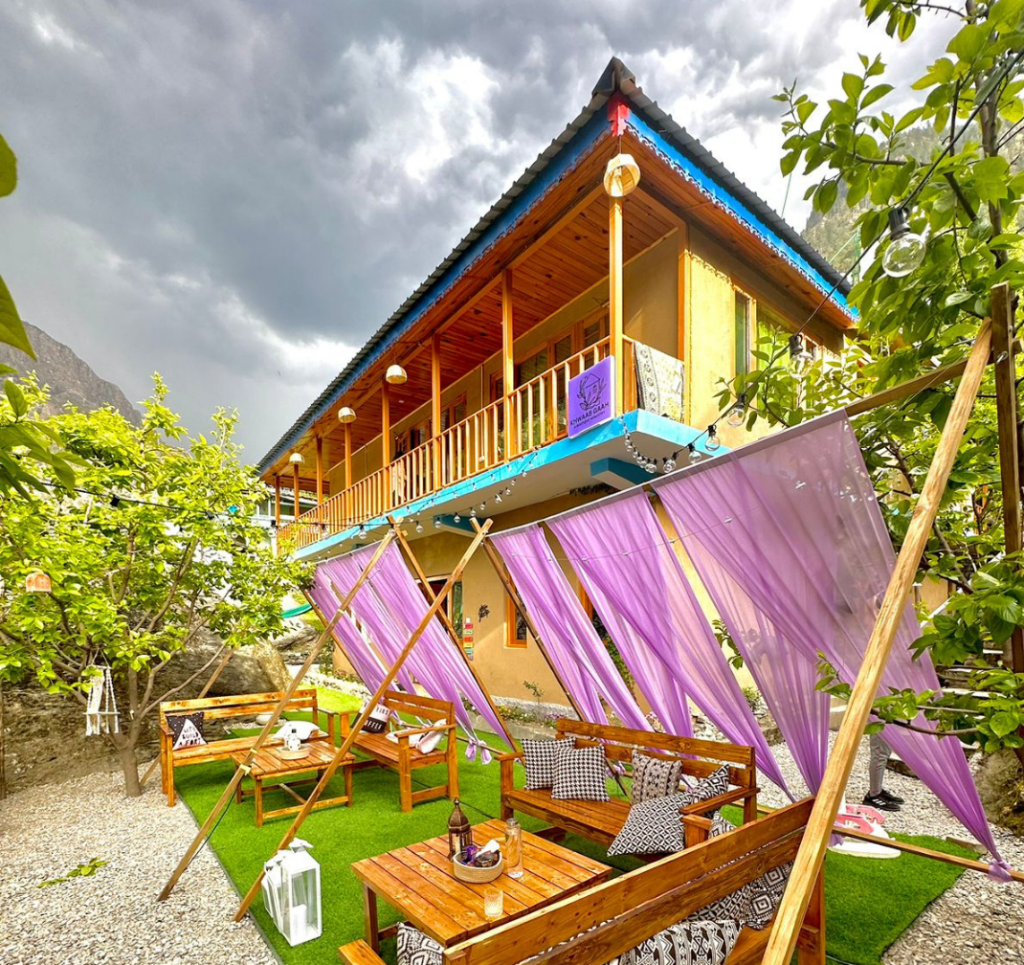
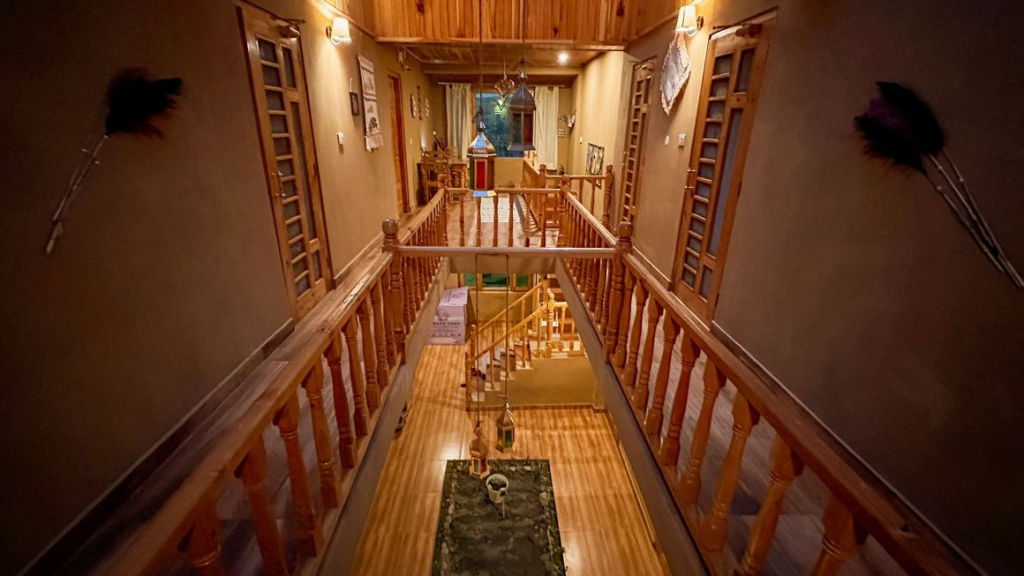
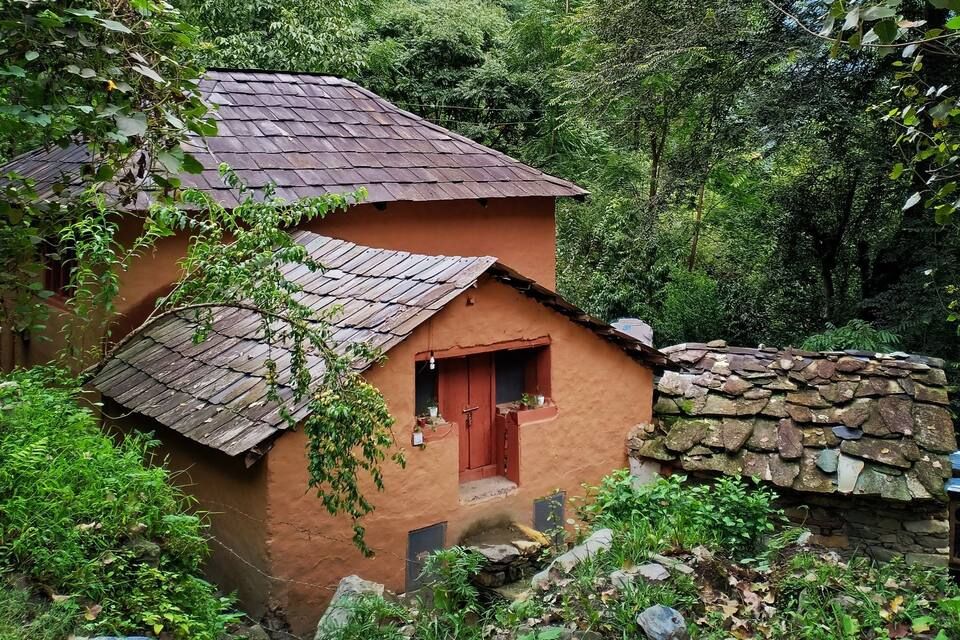
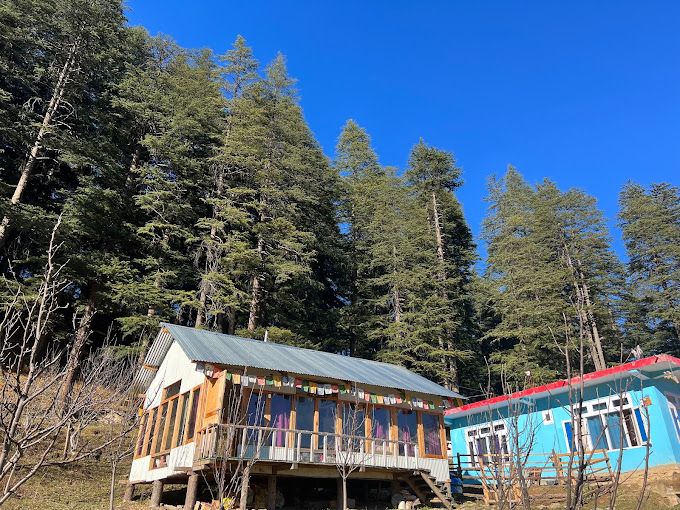
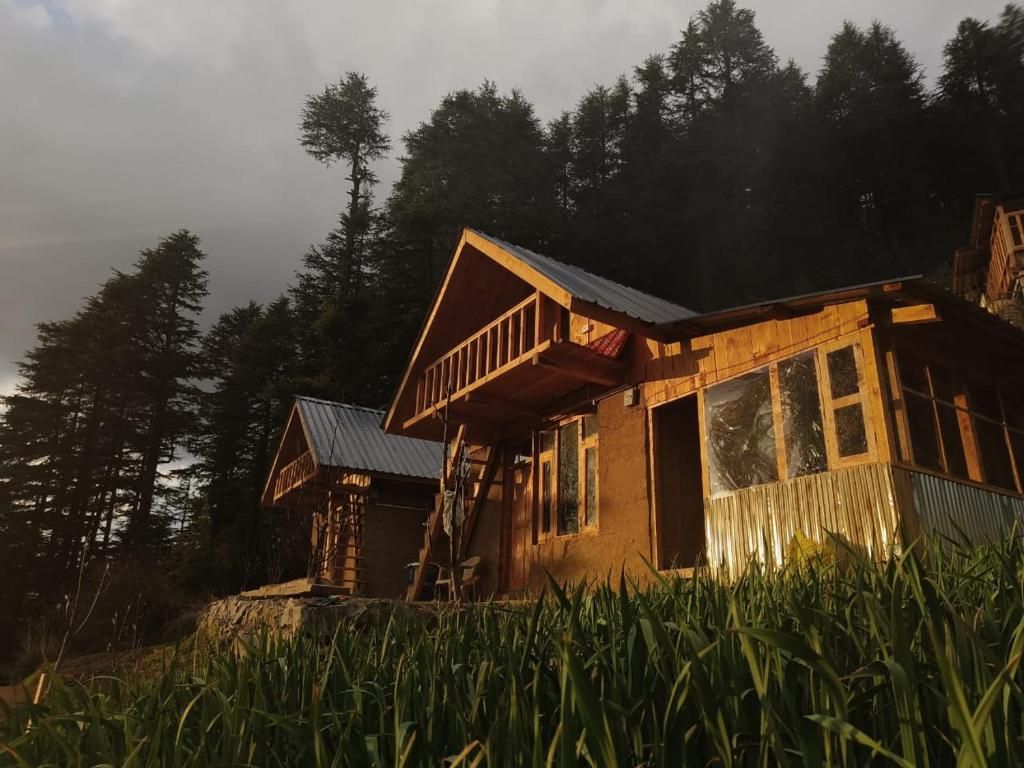
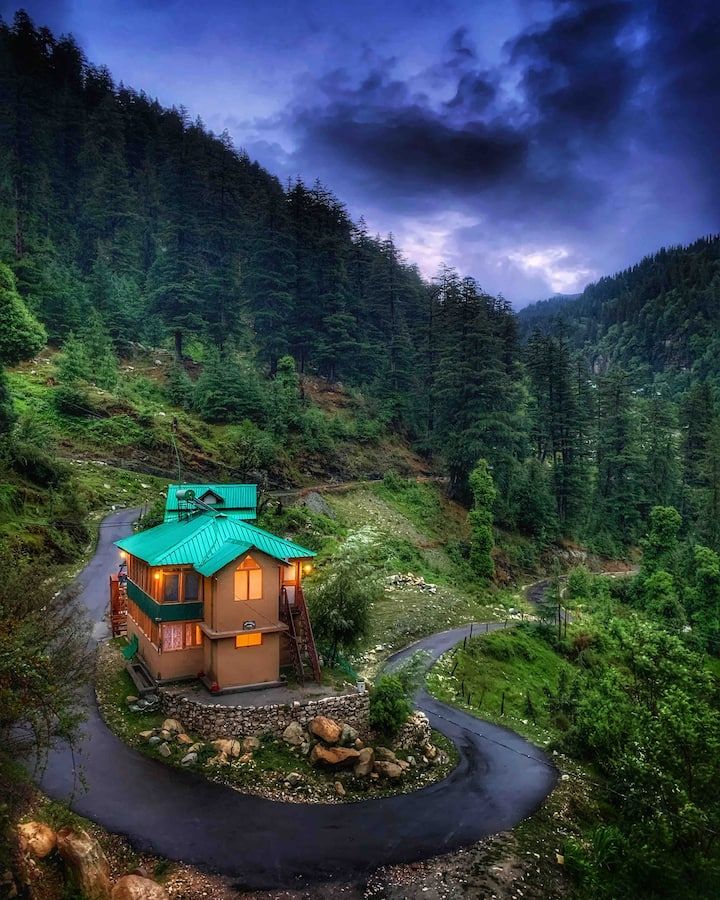
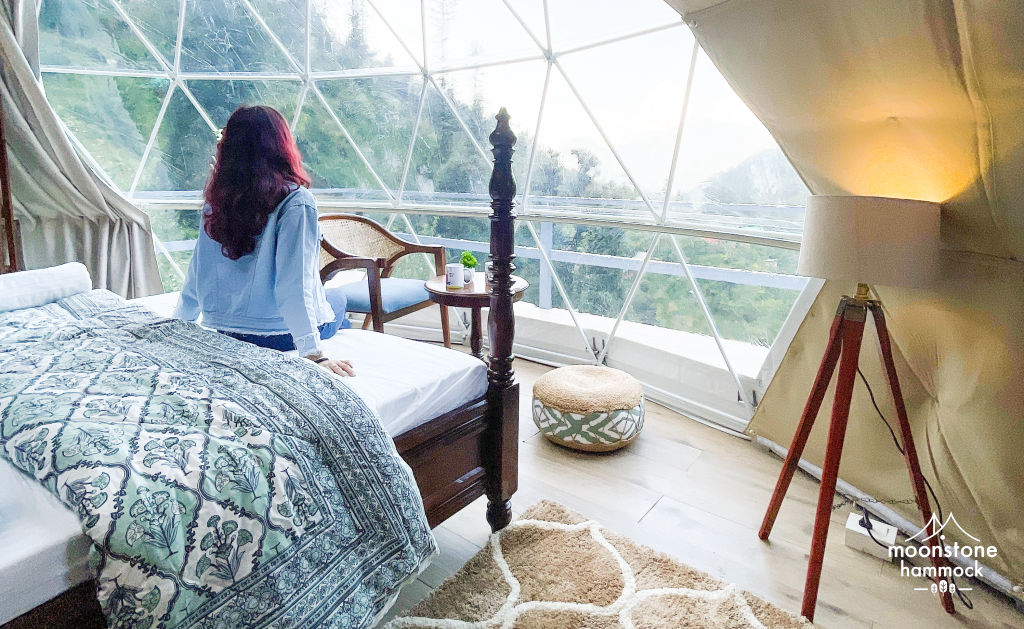
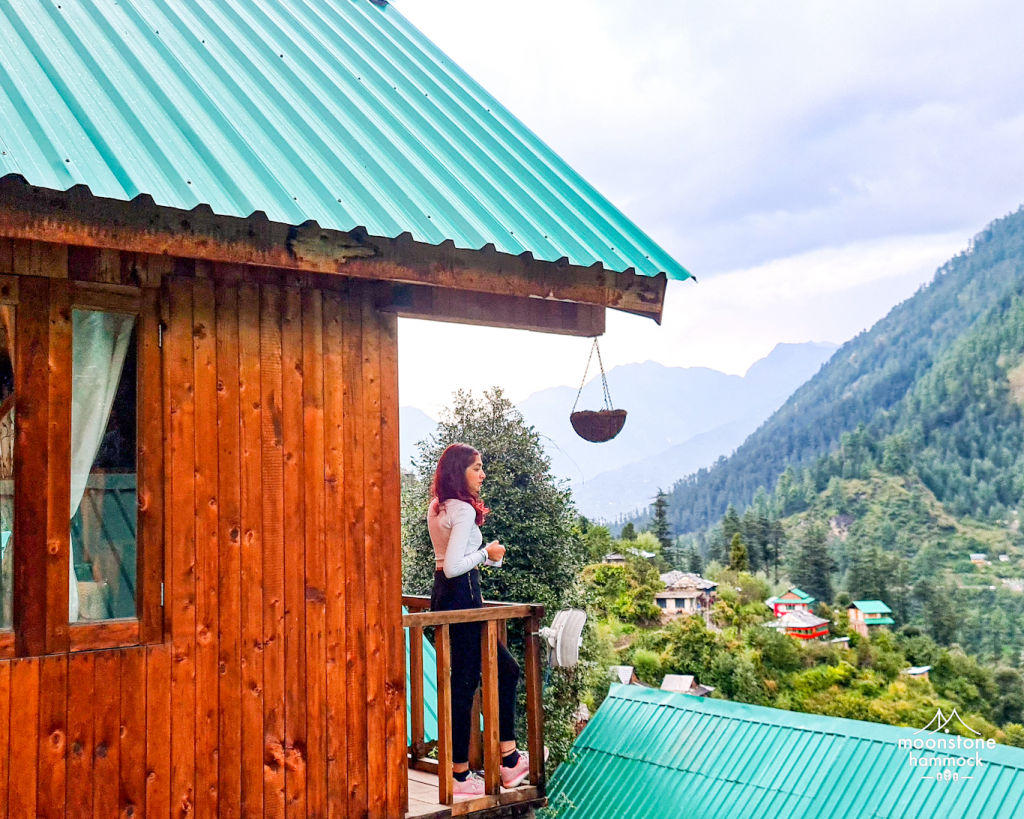
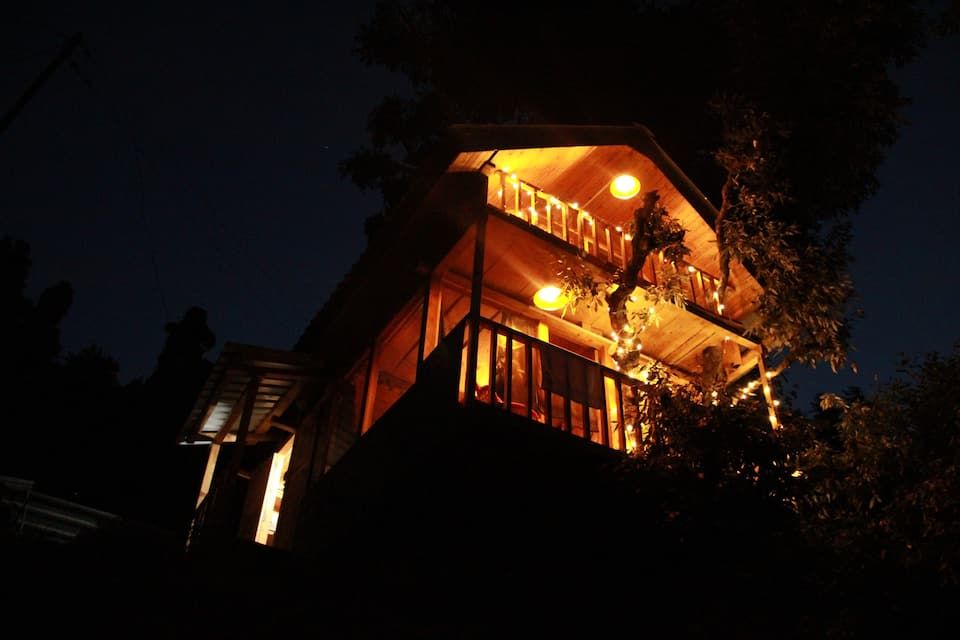
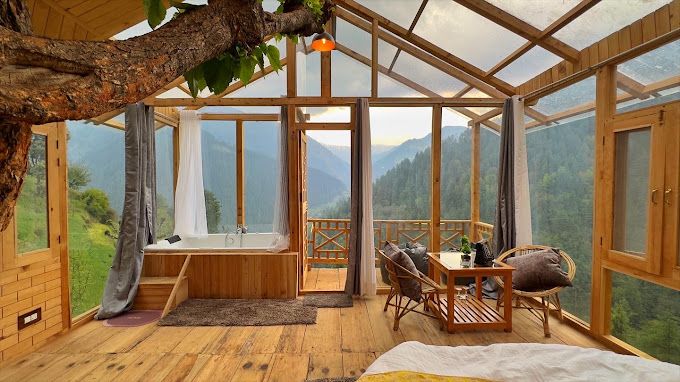
You can find comfortable riverside campsites, traditional village homestays, and rustic wooden cottages throughout this region on HireACamp. Staying in these nearby valley villages lets you wake up to birdsong and mountain vistas while remaining close to park entry checkpoints and trailheads.
Frequently asked questions
Where is Great Himalayan National Park located?
The park is located in the Kullu district of Himachal Pradesh, India, with primary access points and administrative centers situated around Sairopa in the Tirthan Valley.
Do I need a permit to enter Great Himalayan National Park?
Yes, permits are required to enter the core zone of the national park. Trekkers should check locally with the forest department offices at Sairopa or Shamshi to complete permit procedures before entering.
Are vehicles allowed inside Great Himalayan National Park?
No motor vehicles are permitted inside the core boundary of the park. All exploration is conducted strictly on foot along designated wilderness trails.
What is the best season to trek in the park?
The ideal trekking windows are spring from April to June and autumn from late September to November, when trail conditions are stable and the weather is pleasant.
Can beginners trek in Great Himalayan National Park?
Yes, beginners can enjoy day hikes and gentle nature walks through the ecozone around Sairopa and Gushaini, while multi-day deep-interior treks are better suited for fit and experienced hikers accompanied by guides.
Where you'll be
Sairopa, Kullu, Himachal Pradesh · 11 stays nearby shown with prices
Stays near Great Himalayan National Park
Book a place to stay close by

More places near Great Himalayan National Park
Within 20 km


Built from 0 Instagram posts by 0 creators. Every tip links back to the post it came from, and where creators disagree we show both sides.






