
Bhadra Wildlife Sanctuary
Wildlife sanctuary near Muttodi, Karnataka
3.3 km from Muttodi
The nearest town, for stays, food and fuel.
Bhadra Wildlife Sanctuary is a protected reserve nestled in the lush Western Ghats region of Karnataka, located near the hill station of Kemmannugundi. Spanning riverine valleys, moist deciduous forests, and rugged hill slopes, the sanctuary serves as an important refuge for elephants, big cats, and rich avian diversity. Travellers and wildlife enthusiasts visit the reserve to explore its pristine forested landscapes and observe wildlife in an undisturbed natural setting.
Getting there
By road
- From MuttodiNearest town2 hr · 29 km
- From Mangaluru5 hr 20 min · 180 km
- From Mysuru7 hr · 237 km
- From Bengaluru8 hr 5 min · 292 km
Typical drive times without traffic. Stations and airports from OLA Maps; distances and typical drive times from OpenStreetMap (© OpenStreetMap contributors); notes from creators' Reels.
About Bhadra Wildlife Sanctuary
Written with AI from map data and general knowledge. Check prices and timings locally before you go.
The Landscape of Bhadra Wildlife Sanctuary
Bhadra Wildlife Sanctuary, also designated as a Project Tiger reserve, covers a distinct expanse of the Malnad region in Karnataka. The sanctuary gets its name from the Bhadra River, which flows along the periphery and carves out riverine valleys within the forested perimeter. Surrounded by the rolling ridgelines of the Baba Budangiri and Kemmannugundi hills, the geography here shifts dramatically between steep slopes, deep bamboo brakes, and open grassy patches.
The forest cover is primarily composed of moist deciduous and semi-evergreen trees, interspersed with teak, rosewood, and dense undergrowth. Because the topography ranges from low-lying reservoir backwaters to jagged ridge crests, Bhadra supports microclimates that foster a high level of biodiversity. For visitors traversing through the reserve, the landscape presents a tapestry of dense green canopies, secluded river inlets, and expansive viewpoints overlooking mist-covered hill ranges.
Wildlife and Birdwatching at Bhadra
The protected ecosystem of Bhadra provides a stable sanctuary for a wide variety of mammals, reptiles, and birds. Large herbivores such as the Indian gaur, sambar deer, spotted deer, barking deer, and wild boar thrive within the mixed deciduous cover. Asian elephants frequently move through the forest corridors, especially around water sources and reservoirs, while predators including leopards and Bengal tigers maintain stable breeding populations here.
For birdwatchers, Bhadra is considered an exceptionally rewarding destination in southern India. Over two hundred species of birds have been documented across the reserve. Among the forest canopy and bamboo thickets, you may spot the Malabar pied hornbill, the great hornbill, emerald doves, black-winged stilt, various kingfishers, and raptors such as the crested serpent eagle and the osprey. The quieter tracks near the edges of the forest are ideal for spotting smaller forest birds, including flycatchers, sunbirds, and drongos.
Read more
Things to Do at Bhadra Wildlife Sanctuary
Exploring the core and buffer zones through regulated forest safaris is the primary pursuit for travellers arriving at Bhadra. Department-run safari vehicles navigate designated trail networks through the sanctuary, giving visitors an opportunity to view animals grazing in clearings or moving down to water bodies in early mornings and late afternoons. Visitors should check locally on arrival for current safari schedules and booking requirements.
Apart from wildlife drives, quiet observation around reservoir banks and permitted perimeter walking paths offers deep immersion into the forest sounds. Naturalists and photographers often spend time tracking butterflies and endemic plant varieties, or observing seasonal changes along the Bhadra river basin. Given the close proximity to adjoining hill ranges, many visitors pair morning wildlife spotting inside the reserve with quiet walks along the cooler ridgelines nearby.
Best Time to Visit Bhadra Wildlife Sanctuary
The climate in this part of the Western Ghats is shaped heavily by seasonal weather patterns. The post-monsoon and winter months, running from October through February, are widely considered the most pleasant time to explore Bhadra. During these months, the forest remains vibrant and lush after the heavy rains, temperatures are mild, and clear skies make wildlife tracking and birdwatching comfortable throughout the day.
From March through May, the dry summer season sets in. As water holes deep inside the forest begin to dry up, animals gather more predictably around perennial rivers and the reservoir backwaters, which can improve chances of sighting elephants and gaurs. However, midday temperatures can be warm. The monsoon season, typically lasting from June to September, brings intense rainfall that revitalizes the rivers and hillsides. While the heavy rains create dramatic misty landscapes, outdoor safaris and trail access may be restricted or muddy during peak monsoon downpours, so it is sensible to verify conditions beforehand.
How to Reach Bhadra Wildlife Sanctuary
Bhadra Wildlife Sanctuary is situated in the Chikkamagaluru region of Karnataka, easily accessible via road from major towns across southern India. The hill settlement of Kemmannugundi lies just north of the sanctuary boundary, while Chikkamagaluru serves as the nearest major commercial hub. Travellers driving from Bengaluru typically follow national and state highways through Hassan or Kadur, a scenic route of roughly five to six hours depending on traffic.
The nearest railway stations are located at Kadur, Birur, and Tarikere, which connect frequently to major cities including Bengaluru, Mangaluru, and Mysuru. From these railheads, local buses or private taxis are readily available to complete the journey toward the forest access gates and surrounding hill settlements. For air travel, Mangaluru International Airport and Kempegowda International Airport in Bengaluru are the most practical options.
Places to Visit Nearby
Because Bhadra is closely tied to the hills of Chikkamagaluru and Kemmannugundi, visitors can easily combine wildlife exploration with prominent mountain attractions. The Baba Budan Hills range runs directly south, offering rugged trekking routes, historic shrines, and extensive coffee country views. Close to the hills sits Mullayanagiri Peak, the highest summit in Karnataka, popular for clear horizon views and walking trails along the open grassy ridge.
Nearby in the Kemmannugundi area, Z Point provides a sweeping vantage point across deep valleys and forested slopes, reached via a short mountain path. Water bodies in the immediate vicinity include the serene Hirekolale Lake, known for quiet sunset views, and Jhari Waterfalls, which drops down through shaded coffee estates and forest groves. Exploring these neighboring landmarks gives travellers a comprehensive sense of the landscapes that define this pocket of the Western Ghats.
Tips for Your Visit and Where to Stay
When planning your trip to Bhadra Wildlife Sanctuary, dress in muted earth tones such as olive green, khaki, or brown to blend naturally with the forest environment. Bright clothing can startle wildlife. Carry plenty of drinking water, a sturdy pair of walking shoes, and binoculars to make the most of birdwatching along the trails. Since mobile network coverage can be sporadic once you enter deeper forested stretches, download route maps and travel details beforehand.
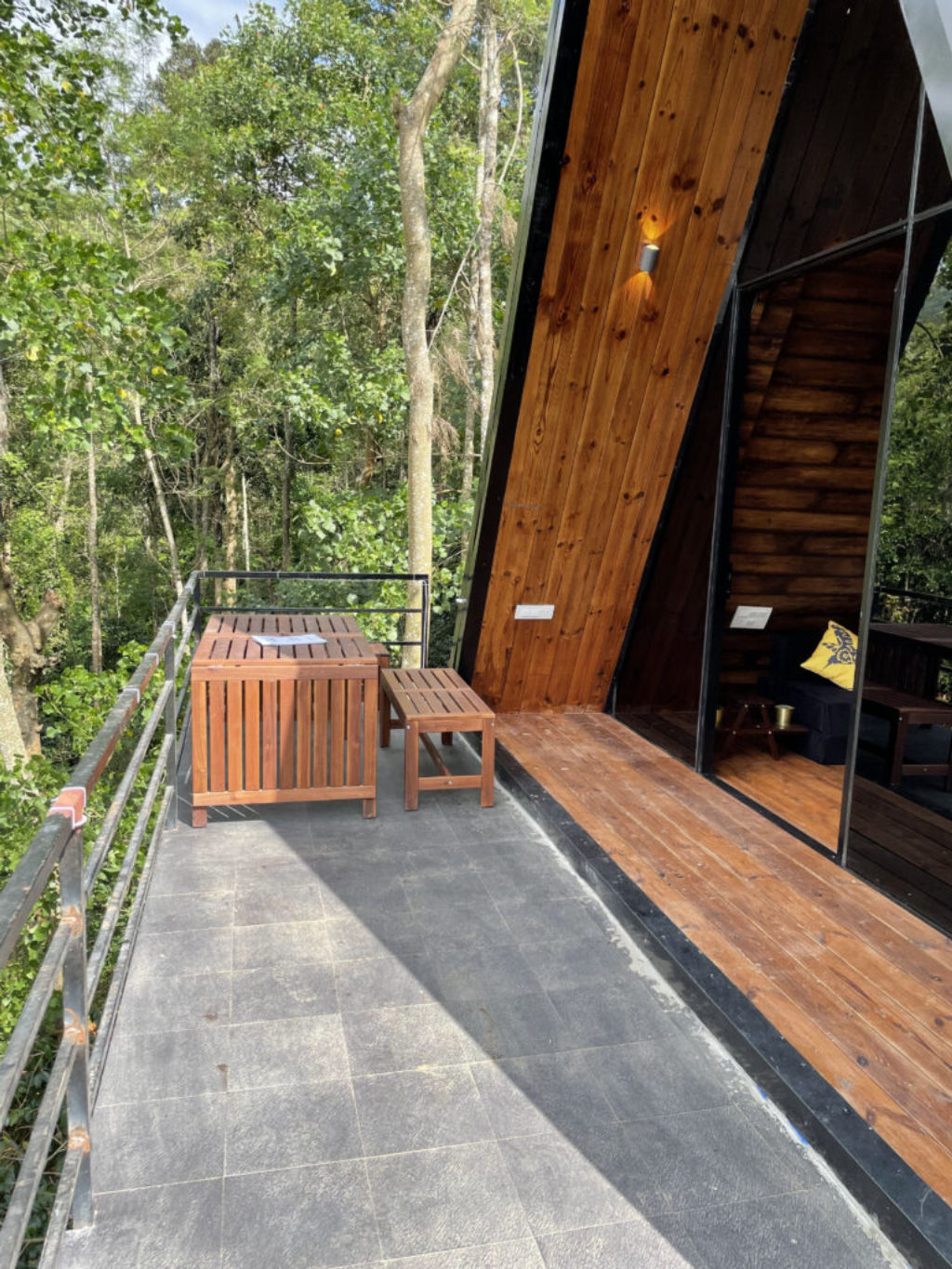
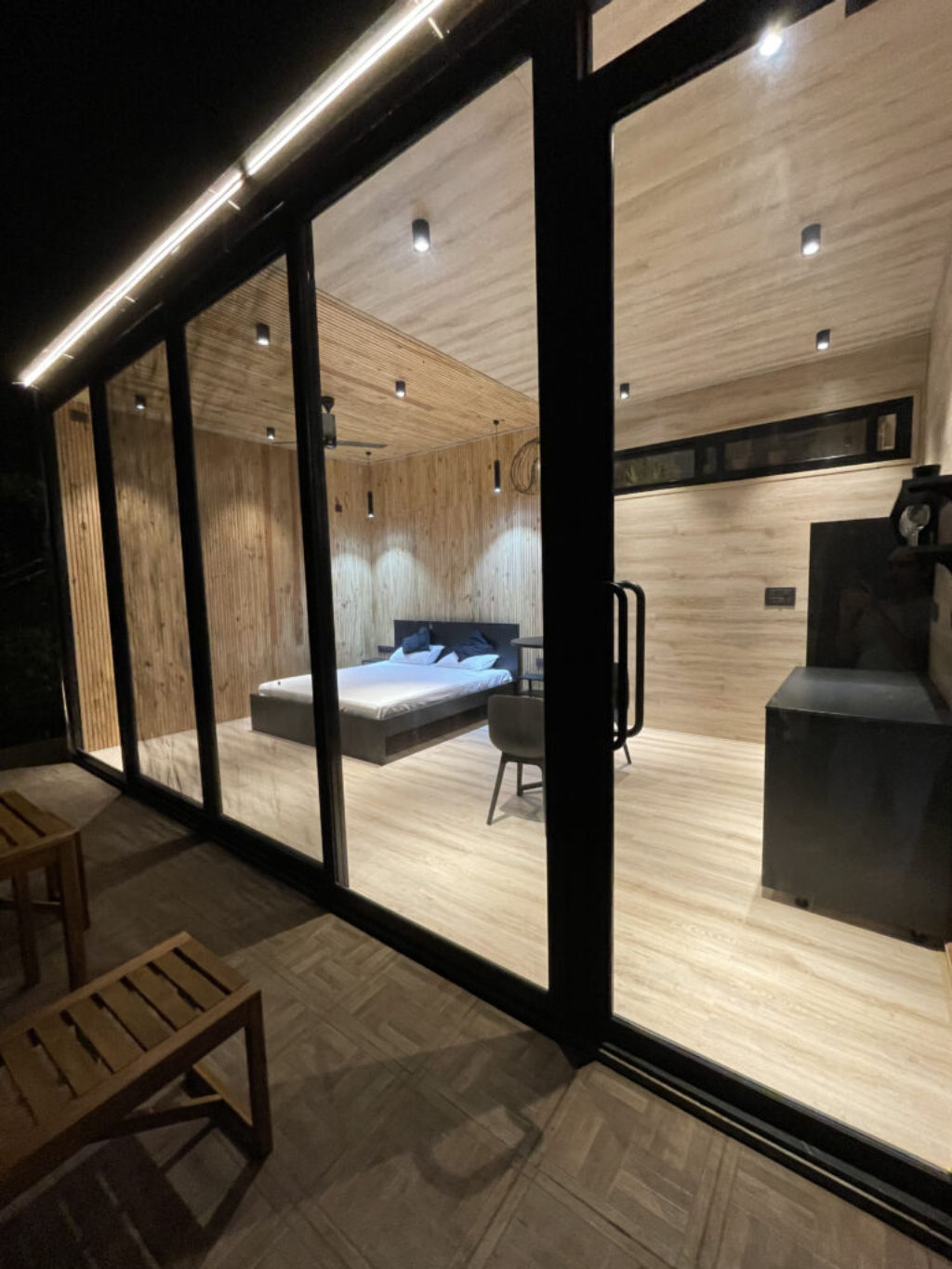
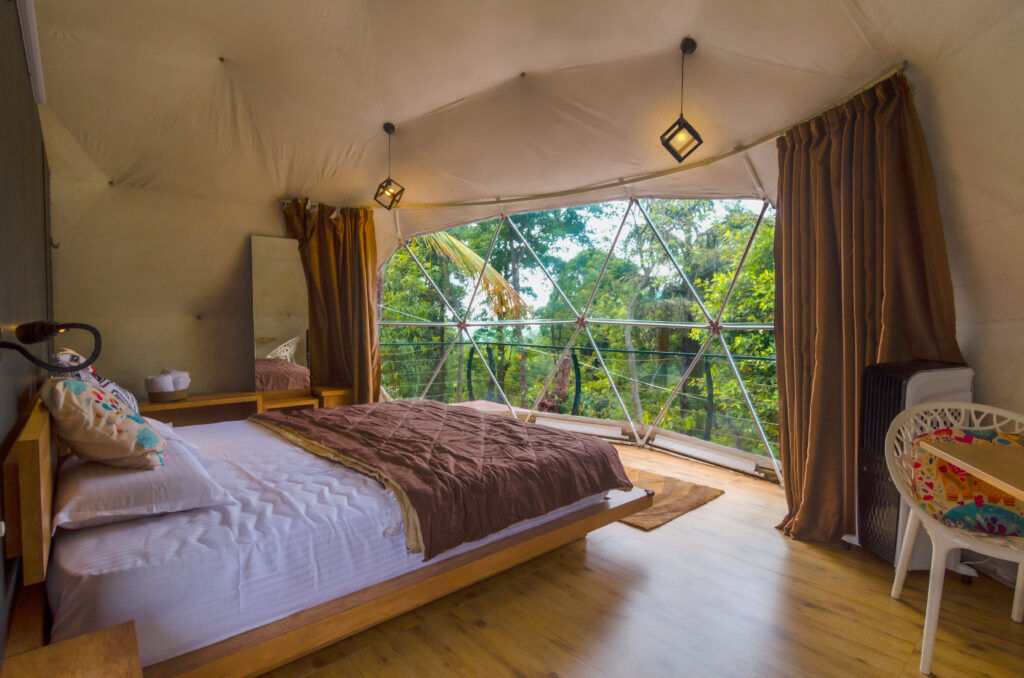
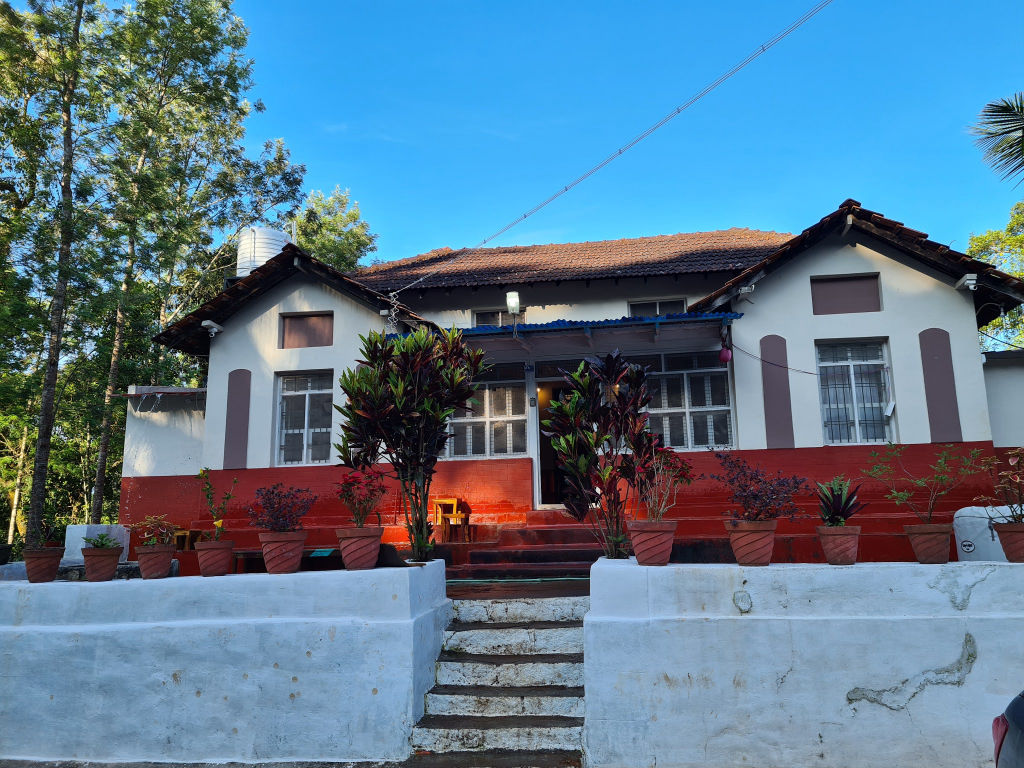
Accommodations around Bhadra range from nature camps situated close to the backwaters to plantation homestays tucked into the coffee hills around Kemmannugundi and Chikkamagaluru. Travellers looking for unhurried nature stays, eco-lodges, and scenic campsites in the area can find carefully curated stays listed on HireACamp. Staying near the reserve borders allows early access to the morning safari gates while providing peaceful surroundings under dark, star-filled skies.
Frequently asked questions
What animals can you see in Bhadra Wildlife Sanctuary?
Bhadra is home to elephants, tigers, leopards, Indian gaurs, sambar deer, spotted deer, barking deer, wild boars, and a rich diversity of birds like hornbills and flycatchers.
How do I book a safari at Bhadra Wildlife Sanctuary?
Forest safaris are managed by the Karnataka Forest Department. Visitors should check locally at the designated forest range offices or entry gates on arrival for current timings, vehicle availability, and permit procedures.
Which is the nearest town to Bhadra Wildlife Sanctuary?
Kemmannugundi is the nearest hill station, while larger transport hubs like Tarikere, Birur, and Chikkamagaluru provide wider road and rail connections to the sanctuary.
What is the best season to explore Bhadra?
October to February offers comfortable temperatures and lush landscapes for birdwatching and exploring, while the warmer months of March to May offer clear conditions for spotting wildlife near water sources.
Are private vehicles allowed inside Bhadra Wildlife Sanctuary?
Private vehicles are generally restricted from driving through the core safari tracks of the reserve. Visitors explore internal forest routes primarily through authorized forest department safari jeeps.
Where you'll be
Kemmannugundi · 5 stays nearby shown with prices
Stays near Bhadra Wildlife Sanctuary
Book a place to stay close by
More places near Bhadra Wildlife Sanctuary
Within 20 km


Built from 0 Instagram posts by 0 creators. Every tip links back to the post it came from, and where creators disagree we show both sides.






