
Bhimashankar Wildlife Sanctuary
Wildlife sanctuary near Haveli, Maharashtra
4.7 km from Haveli
The nearest town, for stays, food and fuel.
Bhimashankar Wildlife Sanctuary is a protected reserve tucked into the northern Western Ghats of Maharashtra, renowned for safeguarding the state animal, the Malabar giant squirrel. Spread across dense, mist-clad evergreen and semi-evergreen forests in the Sahyadri range, it serves as the catchment basin for the Bhima River. Travellers and nature enthusiasts visit to explore lush forest trails, spot endemic birds and wildlife, and experience the quiet beauty of ancient sacred groves.
Getting there
By road
- From HaveliNearest town21 min · 7.5 km
- From Pune23 min · 9.9 km
- From Mumbai 2 hr 50 min · 156 km
- From Nashik4 hr 55 min · 224 km
Typical drive times without traffic. Stations and airports from OLA Maps; distances and typical drive times from OpenStreetMap (© OpenStreetMap contributors); notes from creators' Reels.
About Bhimashankar Wildlife Sanctuary
Written with AI from map data and general knowledge. Check prices and timings locally before you go.
About Bhimashankar Wildlife Sanctuary
Spanning over one hundred square kilometres along the crest of the Western Ghats, Bhimashankar Wildlife Sanctuary is one of Maharashtra's most biodiverse ecological reserves. The sanctuary sits at an elevation where cool mountain breezes meet high annual rainfall, fostering dense canopies of evergreen and moist deciduous trees. It serves as a vital ecological corridor in the Sahyadri ranges, protecting delicate forest ecosystems, mountain streams, and the origin point of the Bhima River.
Beyond its biological importance, the forest landscape holds deep cultural and ecological significance due to the presence of ancient sacred groves, known locally as devrais. These patches of pristine woodland have been protected by local communities for generations through traditional beliefs, preserving rare botanical species and mature trees that are difficult to find elsewhere. Visitors encounter a landscape of rolling green hills, moss-covered tree trunks, and sweeping valley vistas that open up between thick forest canopies.
Flora and Fauna of the Sanctuary
The primary conservation focus of Bhimashankar Wildlife Sanctuary is the Malabar giant squirrel, known in Marathi as the Shekru. This vibrant, arboreal rodent sports a coat of deep maroon and buff, with a long bushy tail that allows it to leap effortlessly across the high tree canopy. Keen-eyed visitors often spot them foraging in the upper branches of wild fig, mango, and jamun trees, especially in the quieter hours of the morning and late afternoon.
Apart from the giant squirrel, the sanctuary provides habitat to a wide spectrum of wildlife, including leopards, barking deer, wild boars, sambar, and Indian pangolins. The dense jungle undergrowth also supports an incredible diversity of reptiles, amphibians, and butterflies. Birdwatchers can look out for species such as the Malabar grey hornbill, emerald dove, Asian paradise flycatcher, and Indian pitta, alongside various birds of prey that ride the thermal drafts over the cliffs.
Read more
Trekking and Forest Trails
Walking through Bhimashankar Wildlife Sanctuary is the most intimate way to experience its rich biodiversity. A network of dirt paths and forest routes crisscrosses the hills, ranging from gentle walks around the forest edges to challenging treks that climb through the surrounding ghats. Many trekking routes wind through shadowy bamboo brakes, cross small perennial streams, and skirt deep ravines that offer panoramic views of the Konkan plains below.
Exploring with a local guide is highly recommended, not only for navigating the maze of forest trails but also for understanding the rich natural heritage of the area. Local guides are adept at identifying animal calls, spotting well-camouflaged tree squirrels, pointing out medicinal herbs, and sharing traditional folklore linked to the sacred groves. Because this is an environmentally sensitive protected area, staying on designated paths is critical to avoid disturbing the resident fauna or trampling fragile undergrowth.
Best Time to Visit Bhimashankar Wildlife Sanctuary
The sanctuary experiences distinct seasons, each offering a unique perspective on the forest environment. The post-monsoon and winter months, from October through February, are widely considered the ideal period for outdoor exploration. During this window, the weather remains pleasant and cool, forest paths are dry enough for easy walking, and clear skies provide excellent visibility for birdwatching and landscape photography.
Monsoon season, stretching from June to September, transforms the entire landscape into a vivid expanse of green. Heavy rains blanket the plateau in dense fog, swell forest streams into churning torrents, and awaken countless seasonal waterfalls that cascade down the basalt escarpments. While monsoon visits offer an atmospheric rainforest atmosphere, leeches are common and hiking trails can become slick. The summer months from March to May are warm and dry, causing the canopy to thin, which can make spotting larger mammals at local waterholes somewhat easier.
How to Reach Bhimashankar Wildlife Sanctuary
Bhimashankar Wildlife Sanctuary is accessible by road from major cities in Maharashtra, including Pune and Mumbai. Pune serves as the most convenient major transit hub, with the drive leading northward through rural countryside, scenic plains, and winding ghat roads as you approach the elevated ridge of the sanctuary. The drive from Pune typically takes around three to four hours depending on traffic and local road conditions.
Travellers arriving from Mumbai can reach the sanctuary by driving along the Mumbai-Pune Expressway before turning off toward the interior highways leading to the ghats, a journey that usually takes roughly four to five hours. State transport buses run regular services connecting Pune and nearby regional towns to the entry points of the sanctuary. For those relying on rail, Pune railway station is the nearest major railhead, from where private taxis and buses are readily available.
Tips for Visiting Bhimashankar Wildlife Sanctuary
A little preparation goes a long way toward ensuring a safe and rewarding visit to the sanctuary. Wear sturdy trekking shoes or hiking boots with good grip, as forest paths are often strewn with loose rocks, exposed tree roots, and damp earth. Earth-toned clothing in shades of olive, brown, or khaki helps you blend into the natural environment and minimizes disturbance to the animals.
Carry sufficient drinking water in reusable bottles, as well as light snacks, since amenities inside the core forested areas are minimal. Ensure you bring back all wrappers, plastics, and waste to maintain the pristine quality of the sanctuary. If you are travelling during or right after the rainy season, carry salt or insect repellent to manage leeches, along with waterproof bags to protect your electronics from sudden mountain drizzles.
Where to Stay Near Bhimashankar Wildlife Sanctuary
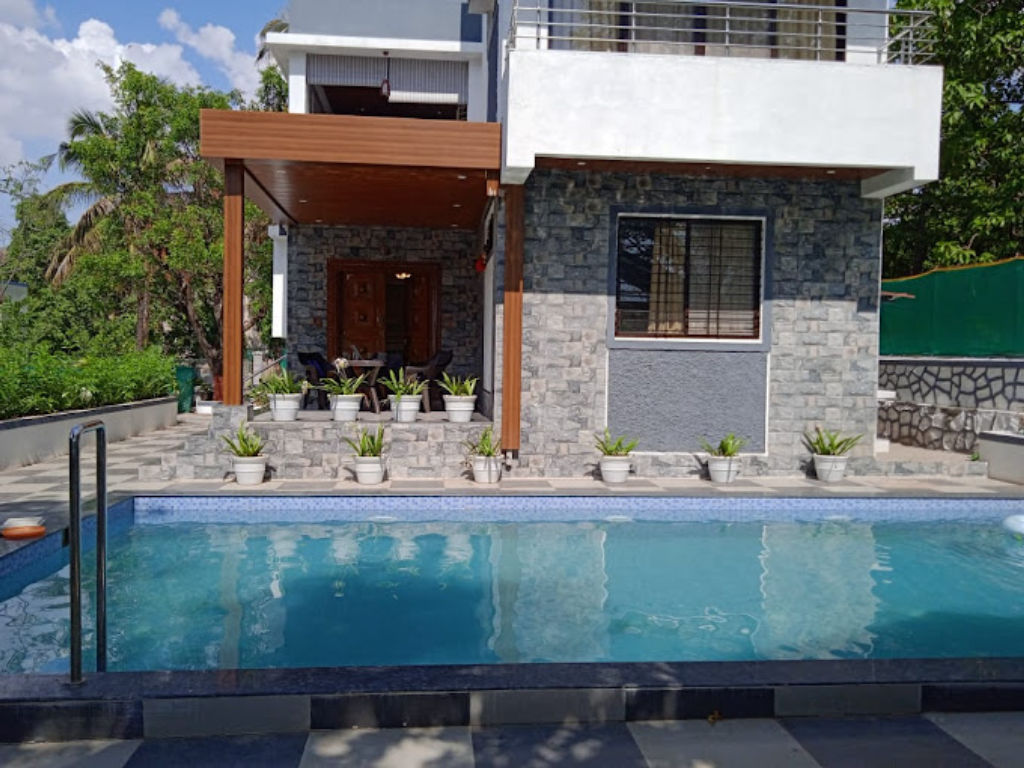
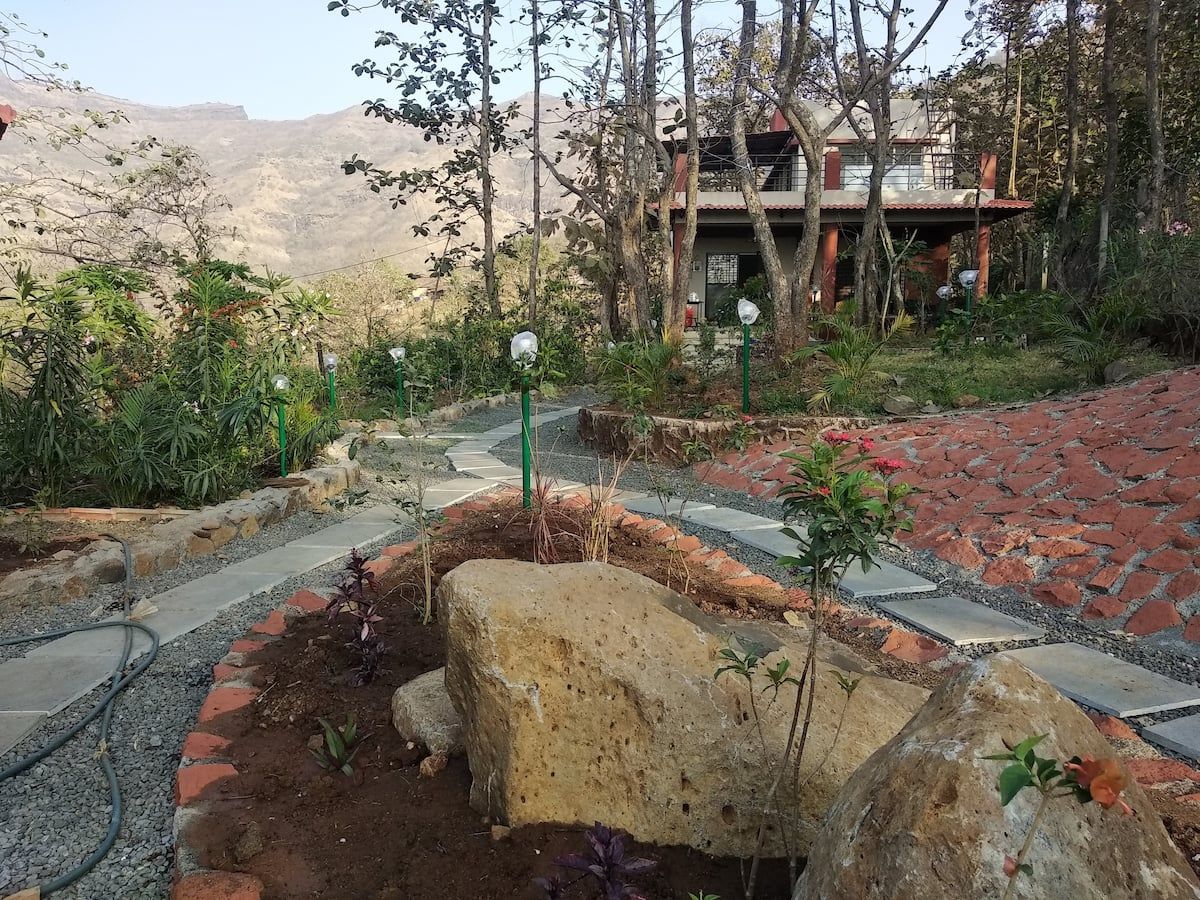
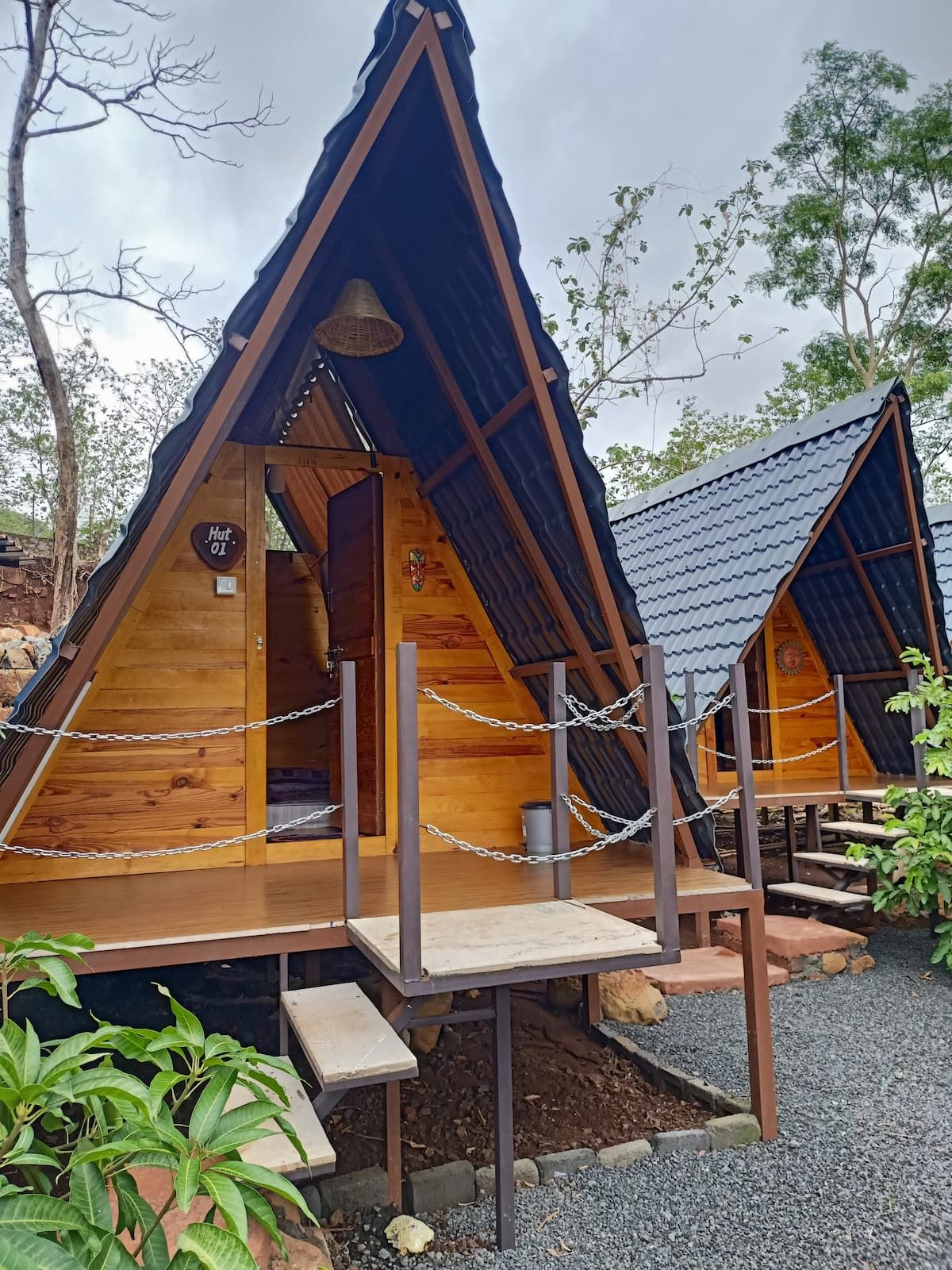
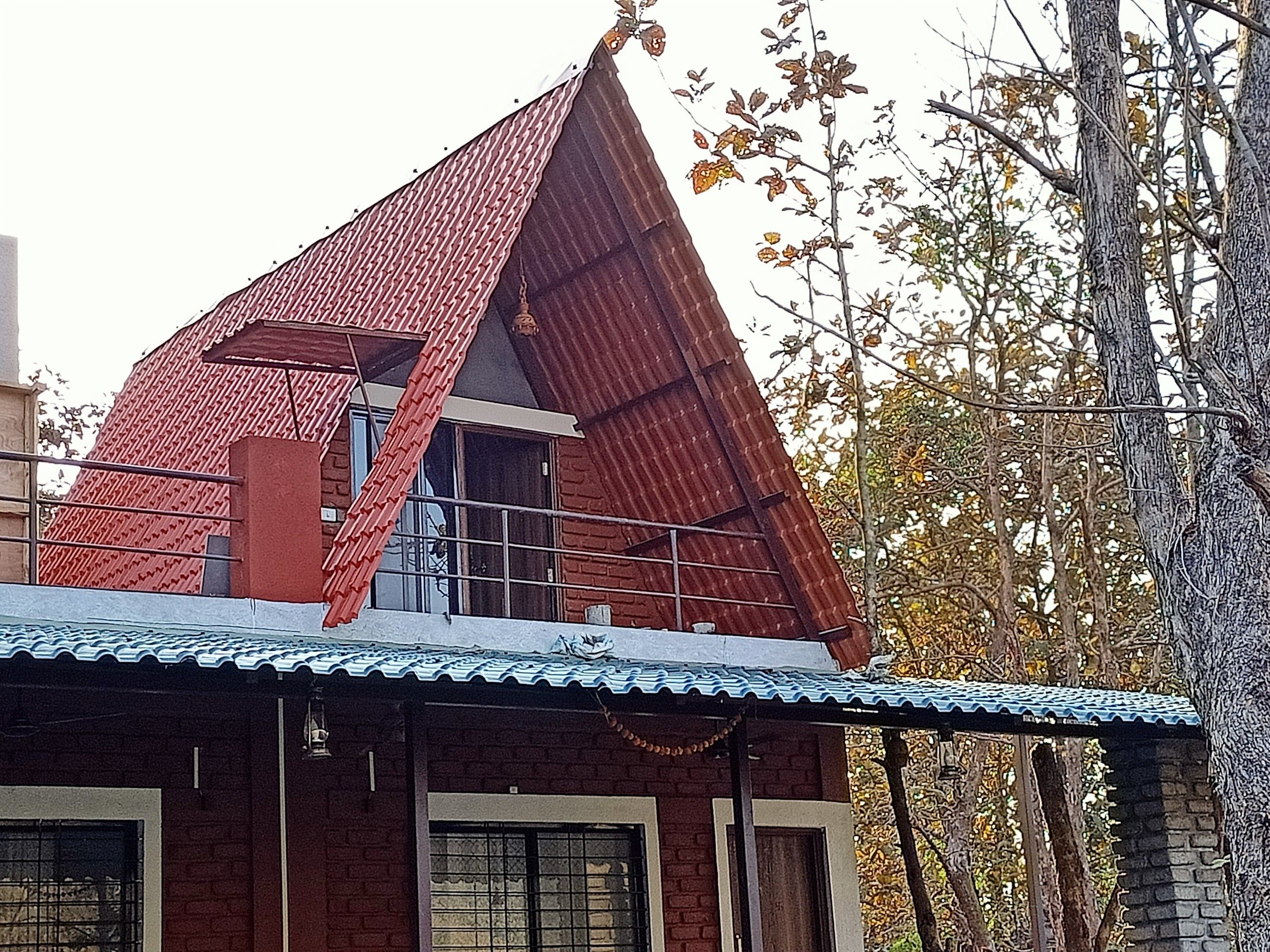
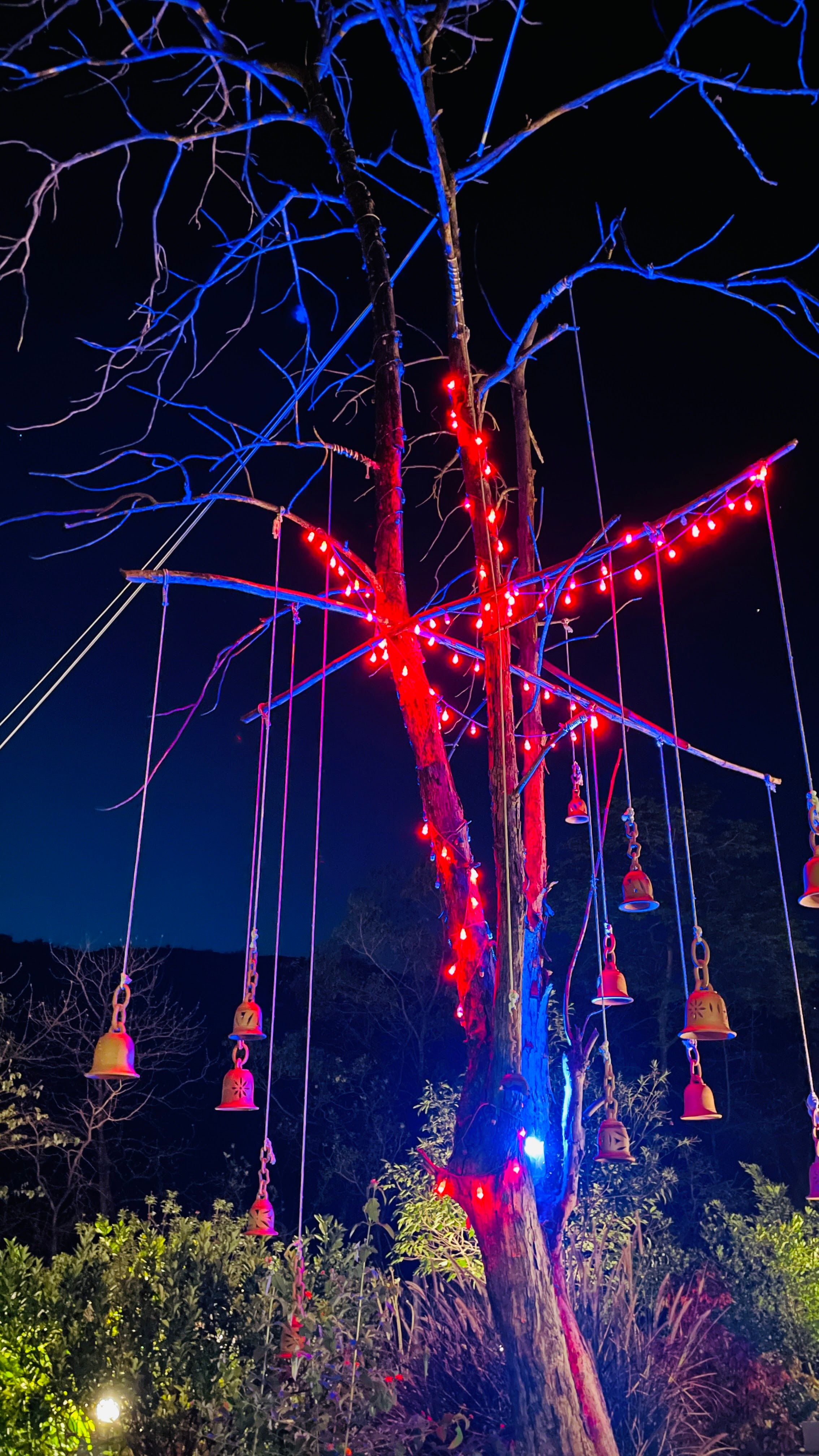
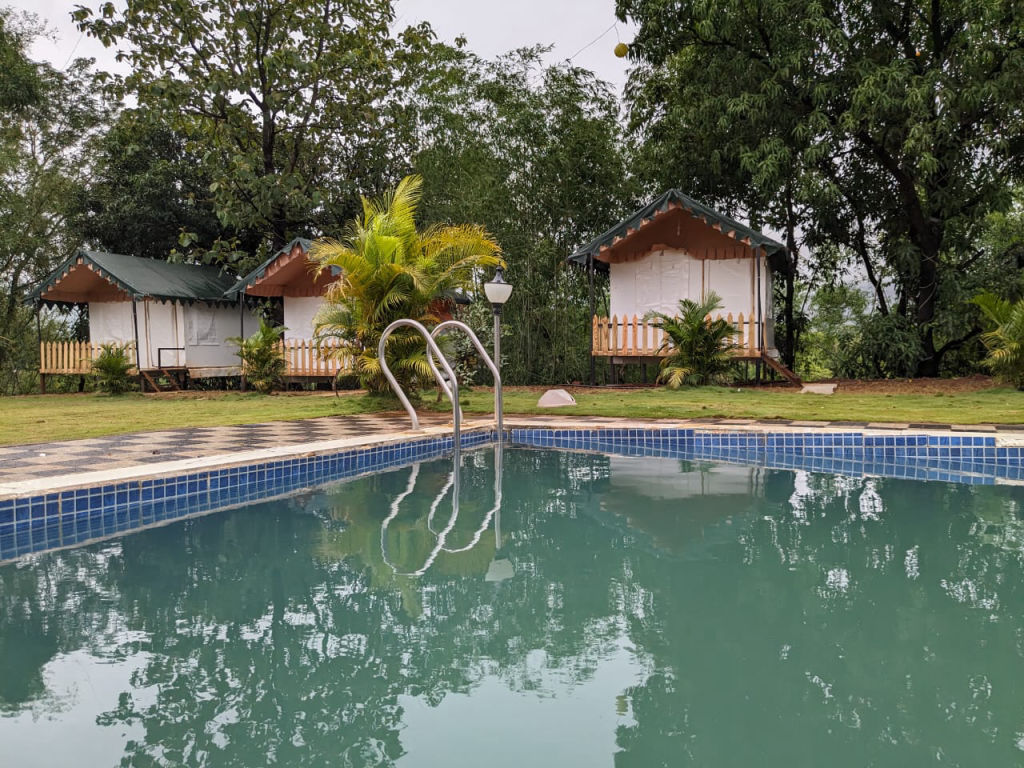
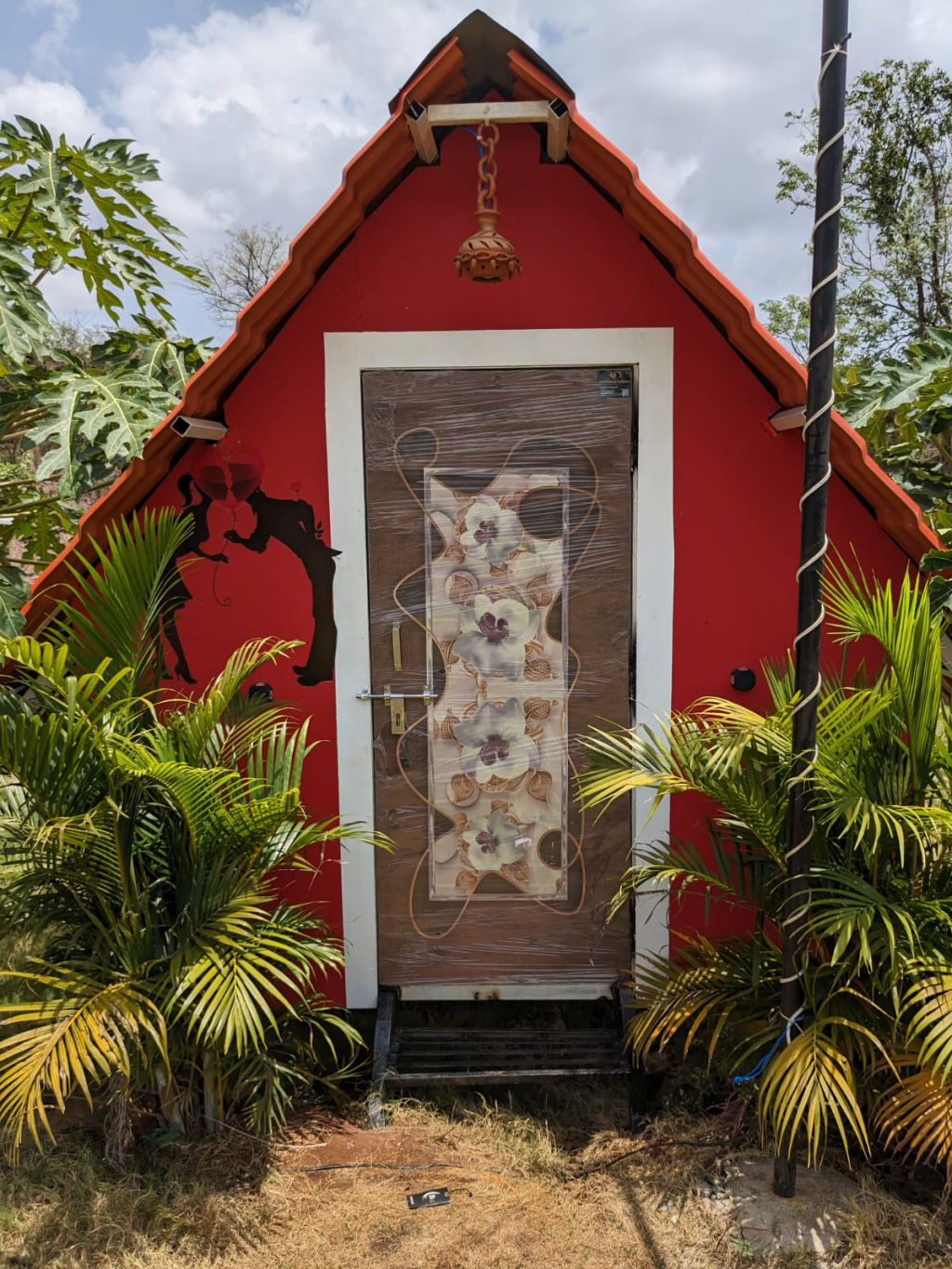
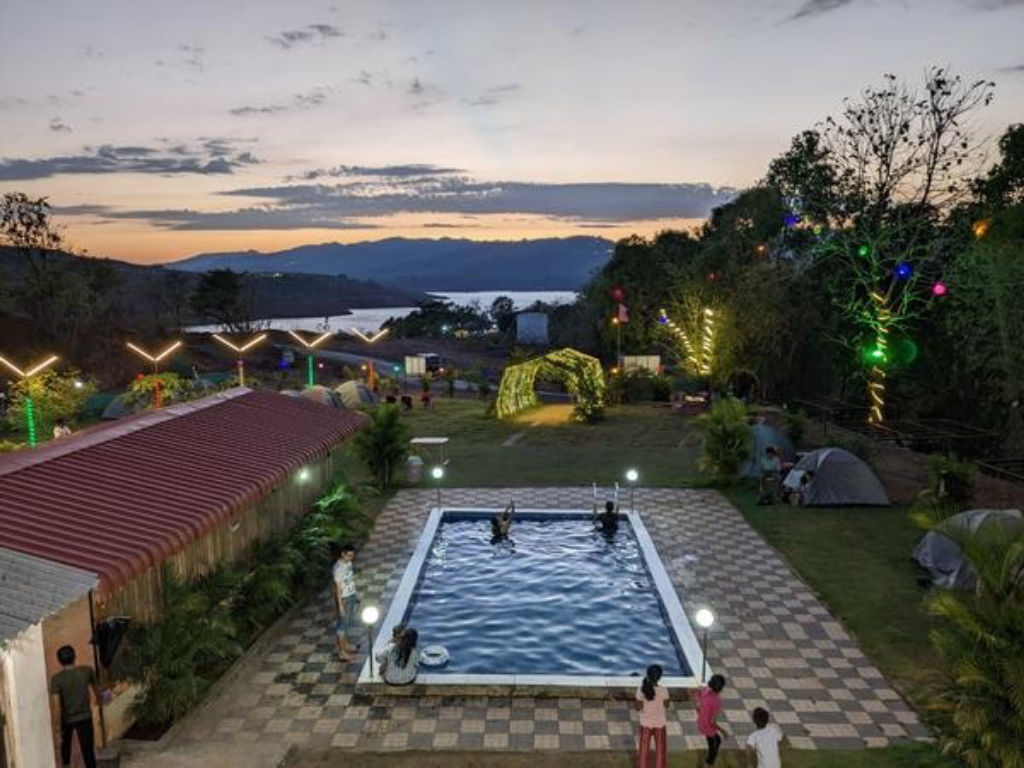
Travellers visiting the sanctuary can find a variety of comfortable stays in the surrounding countryside and nearby rural hamlets. The villages and foothill areas around the reserve feature rustic homestays, eco-lodges, and nature retreats that allow you to wake up to birdsong and forest air.
Staying with a local host offers a great chance to enjoy warm hospitality and home-cooked regional Maharashtrian meals made from locally sourced ingredients. You can discover and book verified campsites, peaceful rural homestays, and outdoor getaways in the areas surrounding the sanctuary on HireACamp.
Frequently asked questions
What animal is Bhimashankar Wildlife Sanctuary most famous for?
The sanctuary is most famous for protecting the Malabar giant squirrel, also known as the Shekru, which is the state animal of Maharashtra and nests high in the forest canopy.
Can I visit Bhimashankar Wildlife Sanctuary during the monsoon?
Yes, the sanctuary is lush and beautiful during the monsoon with misty valleys and active waterfalls, but trails can be slippery and leeches are common, so adequate rain gear is essential.
Are private vehicles allowed inside Bhimashankar Wildlife Sanctuary?
Vehicles are permitted on the designated access roads leading toward the reserve, but exploring the deeper forest trails and core zones must be done on foot following local forestry guidelines.
Do I need a local guide to trek in the sanctuary?
While not always mandatory for peripheral paths, hiring an authorized local guide is strongly recommended to navigate the trails safely and increase your chances of spotting native wildlife.
How far is Bhimashankar Wildlife Sanctuary from Pune?
The sanctuary is located in Pune district and takes approximately three to four hours to reach by road from Pune city, depending on route conditions and traffic.
Where you'll be
Pune, MH · 12 stays nearby shown with prices
Stays near Bhimashankar Wildlife Sanctuary
Book a place to stay close by


More places near Bhimashankar Wildlife Sanctuary
Within 20 km


Lists for this area
Ranked by how many creators recommend each place


Built from 0 Instagram posts by 0 creators. Every tip links back to the post it came from, and where creators disagree we show both sides.






