
Rajiv Gandhi Zoological Park and Katraj Snake Park
Park near Haveli, Maharashtra
3.5 km from Haveli
The nearest town, for stays, food and fuel.
Rajiv Gandhi Zoological Park and Katraj Snake Park is a major conservation centre and popular public sanctuary located near Katraj Lake on the southern edge of Pune, Maharashtra. Spanning over one hundred acres, the park is home to a wide range of native wildlife, including large mammals, birds, and an internationally recognized reptile park. Visitors come to escape the bustle of the city, observe regional wildlife in open enclosures, and learn about reptile conservation.
Getting there
By road
- From HaveliNearest town21 min · 7.2 km
- From Pune23 min · 9.7 km
- From Mumbai 2 hr 50 min · 157 km
- From Nashik4 hr 55 min · 224 km
Typical drive times without traffic. Stations and airports from OLA Maps; distances and typical drive times from OpenStreetMap (© OpenStreetMap contributors); notes from creators' Reels.
About Rajiv Gandhi Zoological Park and Katraj Snake Park
Written with AI from map data and general knowledge. Check prices and timings locally before you go.
About Rajiv Gandhi Zoological Park and Katraj Snake Park
Spread across expansive grounds in the southern suburb of Katraj, Rajiv Gandhi Zoological Park is one of the most prominent zoological facilities in western India. The modern park owes much of its reputation to the Katraj Snake Park, which originated in the late twentieth century through pioneering wildlife rescue efforts before being consolidated and relocated to its current site under the municipal corporation. Today, the complex comprises an expansive animal park, a specialized snake park, and a rescue centre, all framed by the calm waters of Katraj Lake.
Unlike traditional cramped menageries, the park was planned with spacious open-moat enclosures designed to replicate natural habitats. Broad walking paths wind through thick foliage, indigenous trees, and landscaped gardens that provide shaded corridors across the grounds. It functions as both a peaceful retreat for urban residents and an active educational hub dedicated to wildlife preservation, animal rehabilitation, and public environmental awareness.
Wildlife and Attractions inside the Park
The park is divided into distinct zones that allow visitors to observe diverse species at a comfortable distance. The mammalian zone houses prominent apex predators such as the Bengal tiger, white tiger, leopard, and Asiatic wild dog. Herbivores and other native fauna, including sloth bears, barking deer, sambar, blackbucks, and spotted deer, roam through dedicated paddocks. Avian enthusiasts can spot various native birds that frequent the tree canopy or reside in expansive walk-through aviaries.
The Katraj Snake Park remains one of the facility's most notable attractions. It provides secure, well-ventilated enclosures for numerous snake species native to the Indian subcontinent. Among the residents are king cobras, Indian rock pythons, Russell's vipers, saw-scaled vipers, and several varieties of rat snakes and kraits. Informative display boards provide detailed biological information and debunk long-standing folklore about snakes. Beyond reptiles, the park maintains an active animal rescue and rehabilitation centre that treats injured wildlife found across the Pune metropolitan area.
Read more
Best Time to Visit Rajiv Gandhi Zoological Park
Pune enjoys a moderate subtropical climate, but seasonal variations noticeably affect the visitor experience. The best months to tour the park are between October and February. During this post-monsoon and winter window, daytime temperatures are mild, and the sun is gentle, making long walking tours pleasant for adults and children alike. Animals are also far more active and visible in their outdoor enclosures during cooler mornings and late afternoons.
The monsoon season, from June to September, washes the landscape in rich green hues and fills the Katraj water body. While rainfall can occasionally disrupt outdoor walks, the cooler temperatures and lush plant life create a vibrant atmosphere. By contrast, summers from March to May bring elevated daytime heat. If visiting during the summer months, it is best to arrive early in the day when the gates open, as most animals retreat to sheltered dens or shaded thickets once the afternoon sun reaches its peak.
How to Reach Rajiv Gandhi Zoological Park
The park is situated along the Pune-Satara highway in the Katraj area, roughly eight kilometres south of the central core of Pune. Because of its urban location, it is easily reachable by public and private transport from across the city. Regular Pune Mahanagar Parivahan Mahamandal Limited municipal buses run direct routes between Katraj bus terminus and primary transit nodes such as Swargate, Pune Station, and Shivajinagar.
Travellers arriving by train at Pune Junction Railway Station can hire an auto-rickshaw or app-based cab to reach the park, which usually takes around thirty to forty-five minutes depending on road conditions. For those flying into Pune International Airport, located roughly twenty kilometres away, the drive south across town typically takes between forty-five minutes and an hour and a half during standard traffic hours. Visitors arriving with private vehicles will find designated parking spaces close to the main entrance.
Tips for Your Visit
The park spans a significant land area, which means visitors should be prepared for a substantial amount of walking. Wearing comfortable walking shoes, light cotton clothing, and sun protection such as hats or umbrellas is highly recommended. For visitors travelling with elderly family members or young children, battery-operated eco-friendly vehicles often operate inside the complex to provide hop-on transport along the main loop road; availability can be confirmed at the entrance ticket area.
Carry adequate drinking water to stay hydrated throughout your visit, though refill spots and small kiosks are available on the premises. As a functioning conservation facility, visitors must observe park etiquette: avoid feeding the animals, tapping on protective glass enclosures, or littering plastic waste along the footpaths. Cameras are permitted, but operating drones is strictly prohibited without formal administrative permission.
Places to Visit Nearby
A visit to Rajiv Gandhi Zoological Park can easily be paired with several prominent cultural and historic landmarks across southern and central Pune. Just two kilometres from the park sits the BAPS Shri Swaminarayan Temple, known for its carved stone architecture and serene prayer halls. Heading north toward the old city brings travellers to the historic Shaniwar Wada, the seat of the Peshwa rulers, and the revered Shrimant Dagdusheth Halwai Ganpati Mandir.
Those interested in panoramic nature and Maratha military history can travel south-west to Sinhagad Fort, situated atop a rugged cliff about fourteen kilometres from the zoo. The drive up to the fort affords wide views over the Sahyadri ridges. For a quieter scenic overlook, Dive Ghat lies approximately fifteen kilometres to the south-east, offering expansive perspectives over the surrounding valley.
Where to Stay
Pune offers a wide range of neighbourhoods to base yourself in, depending on the focus of your holiday. Travellers who prefer easy urban access to museums, heritage walking routes, and shopping districts will find homestays and guesthouses throughout central areas such as Deccan, Shivajinagar, and Camp. These central bases allow quick travel down to Katraj while keeping city conveniences close at hand.
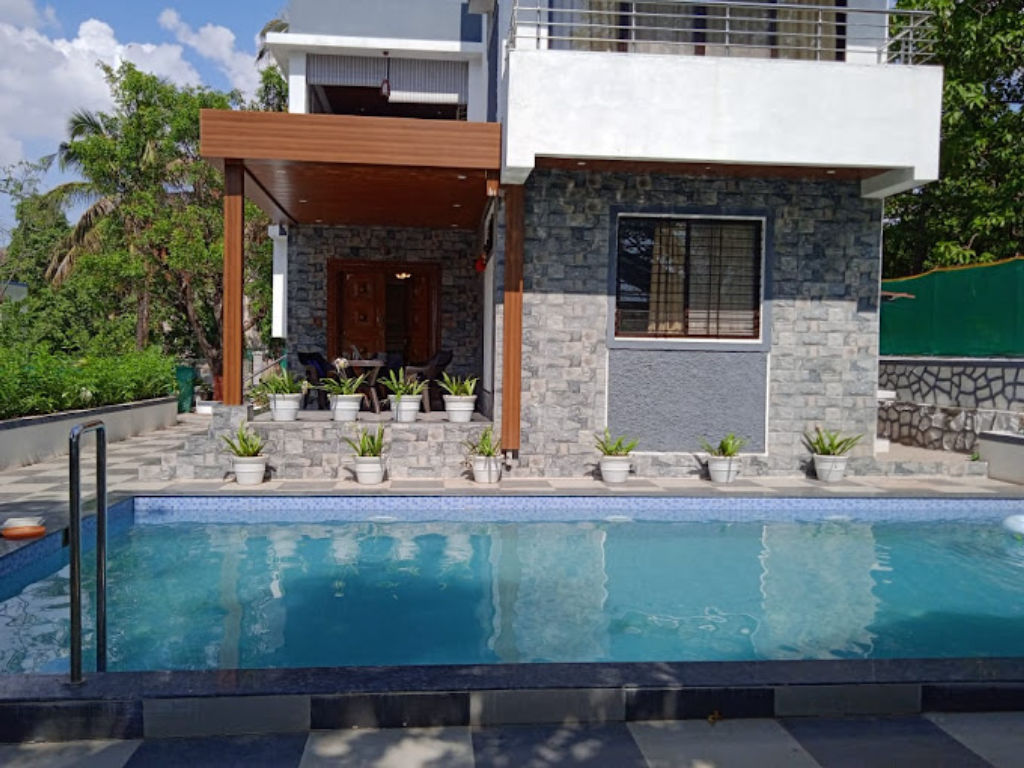
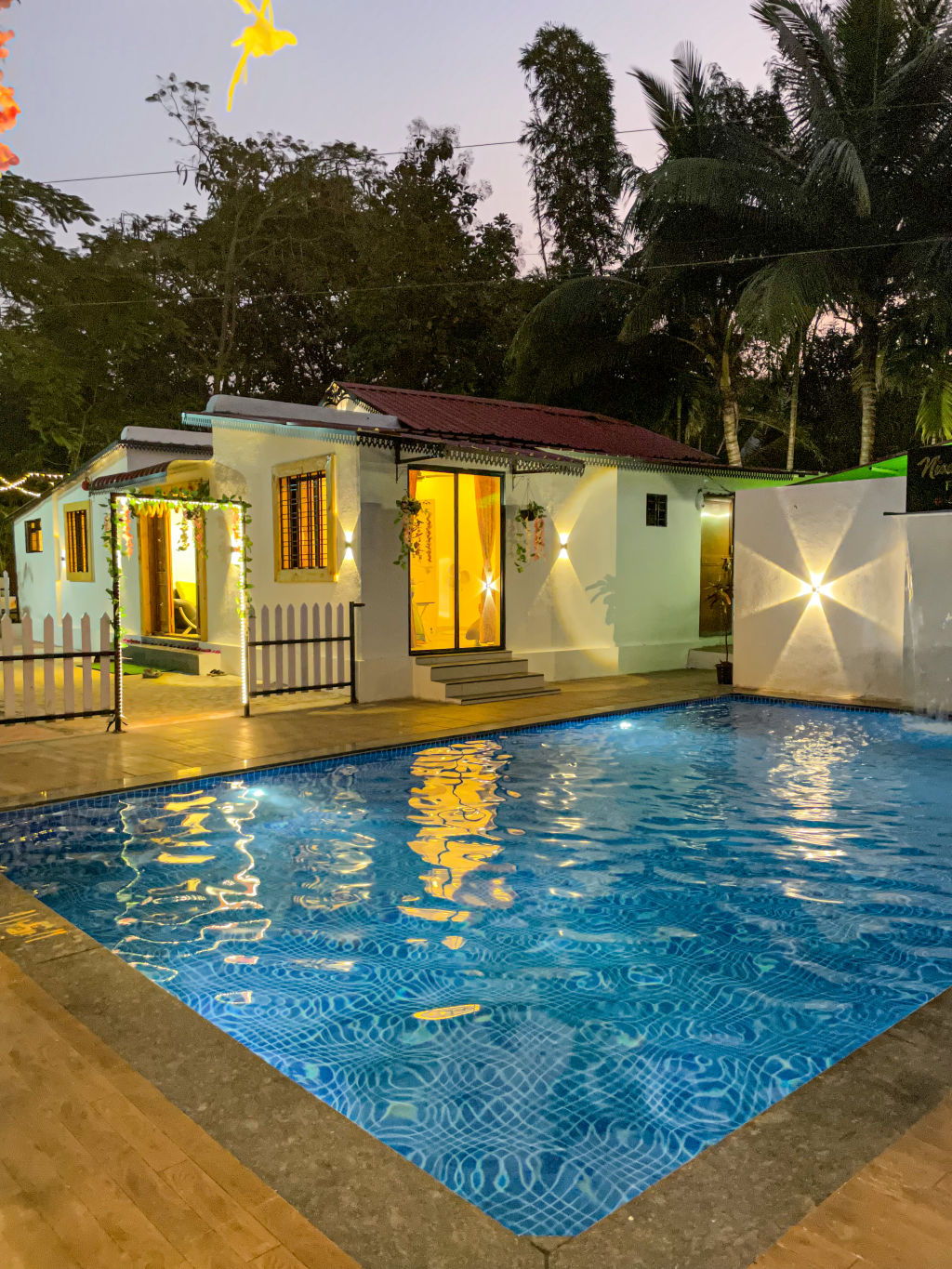
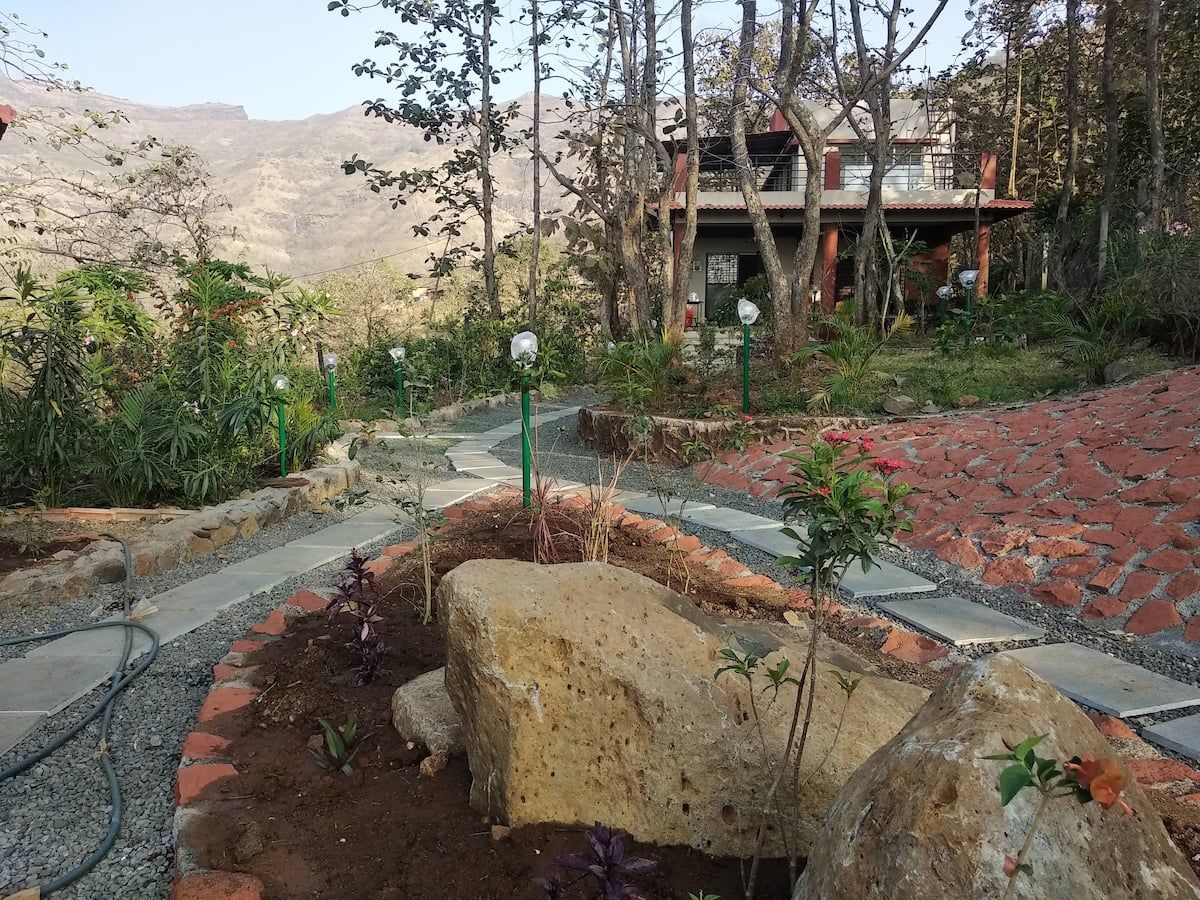
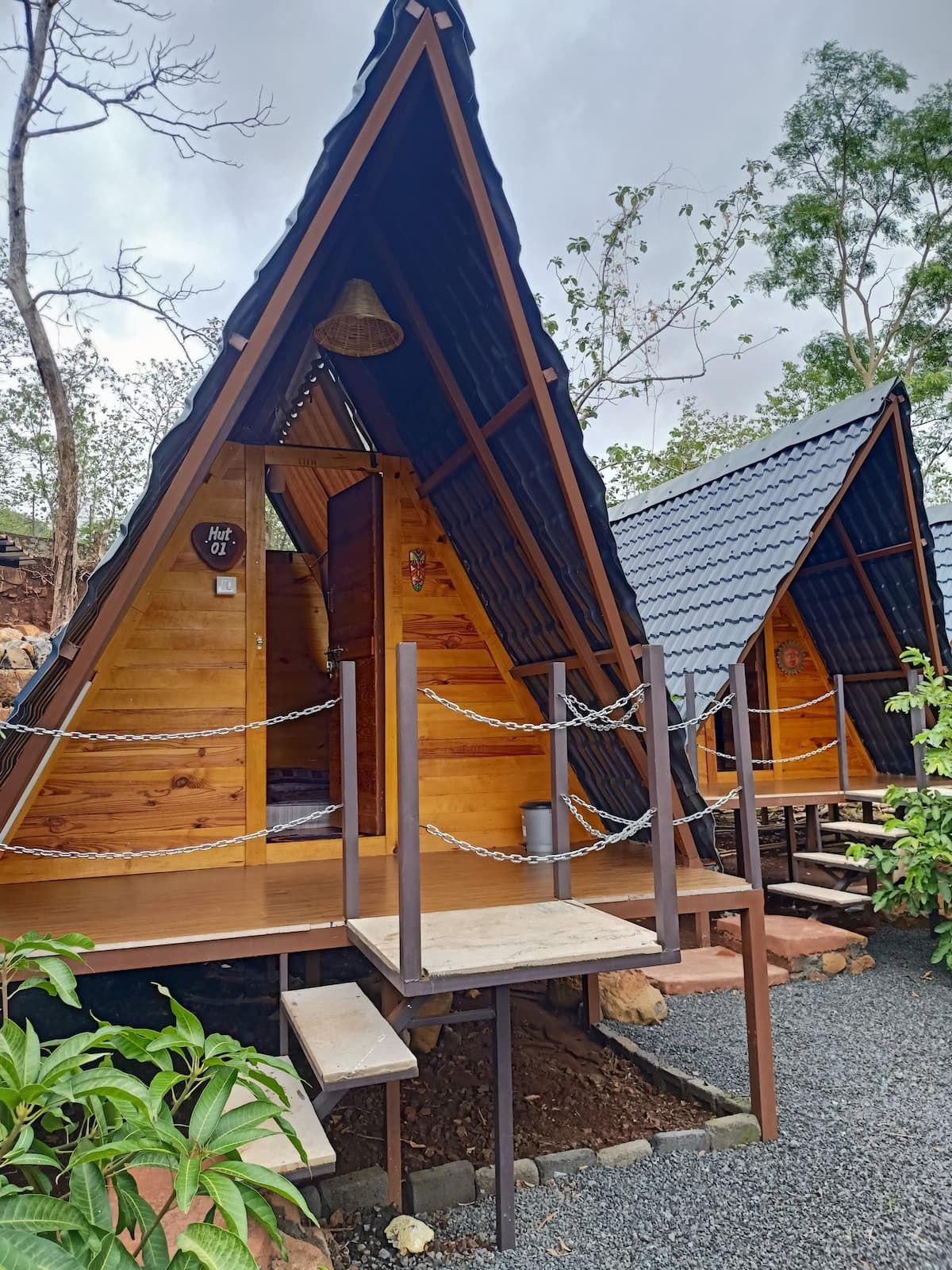
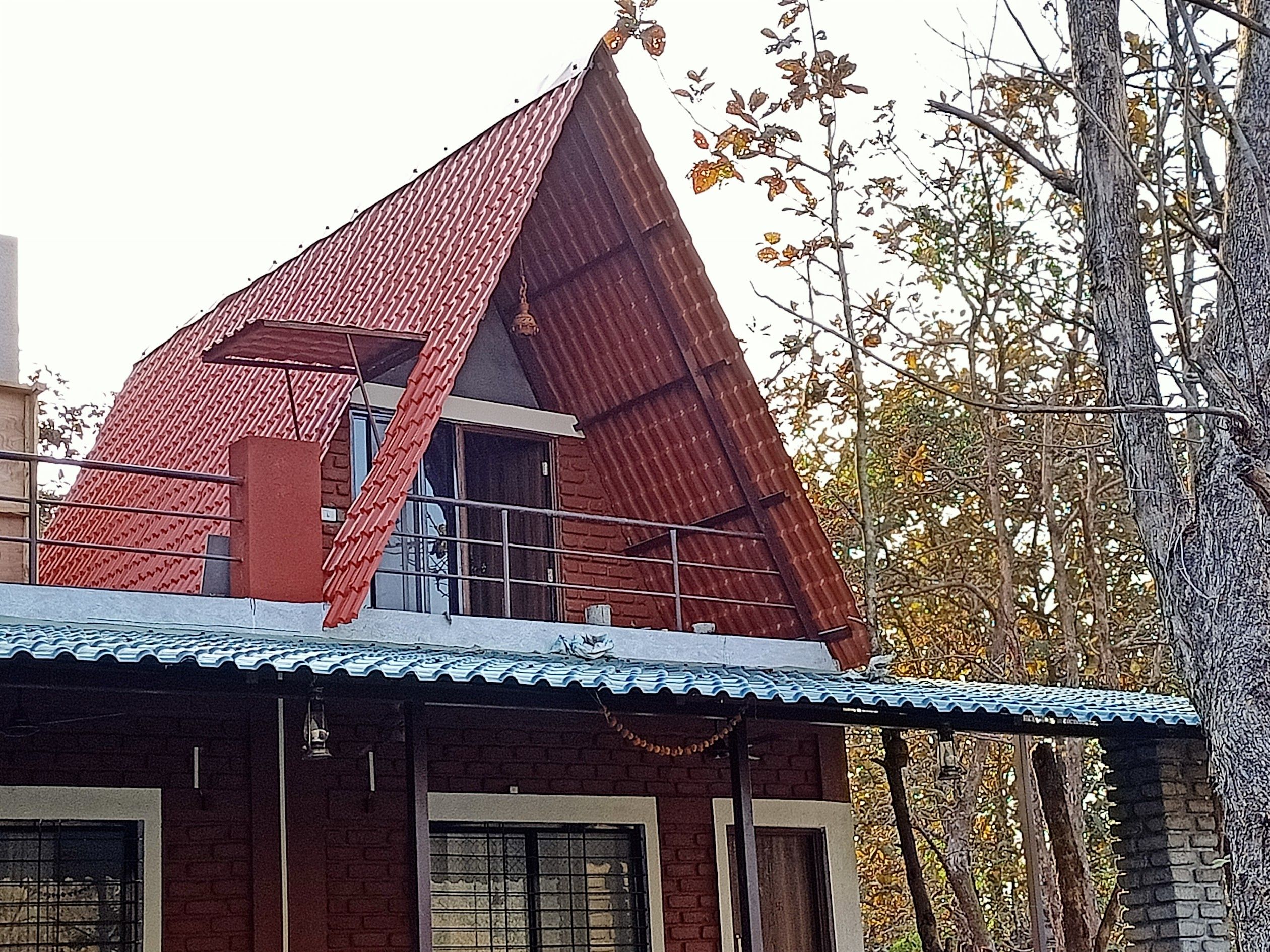
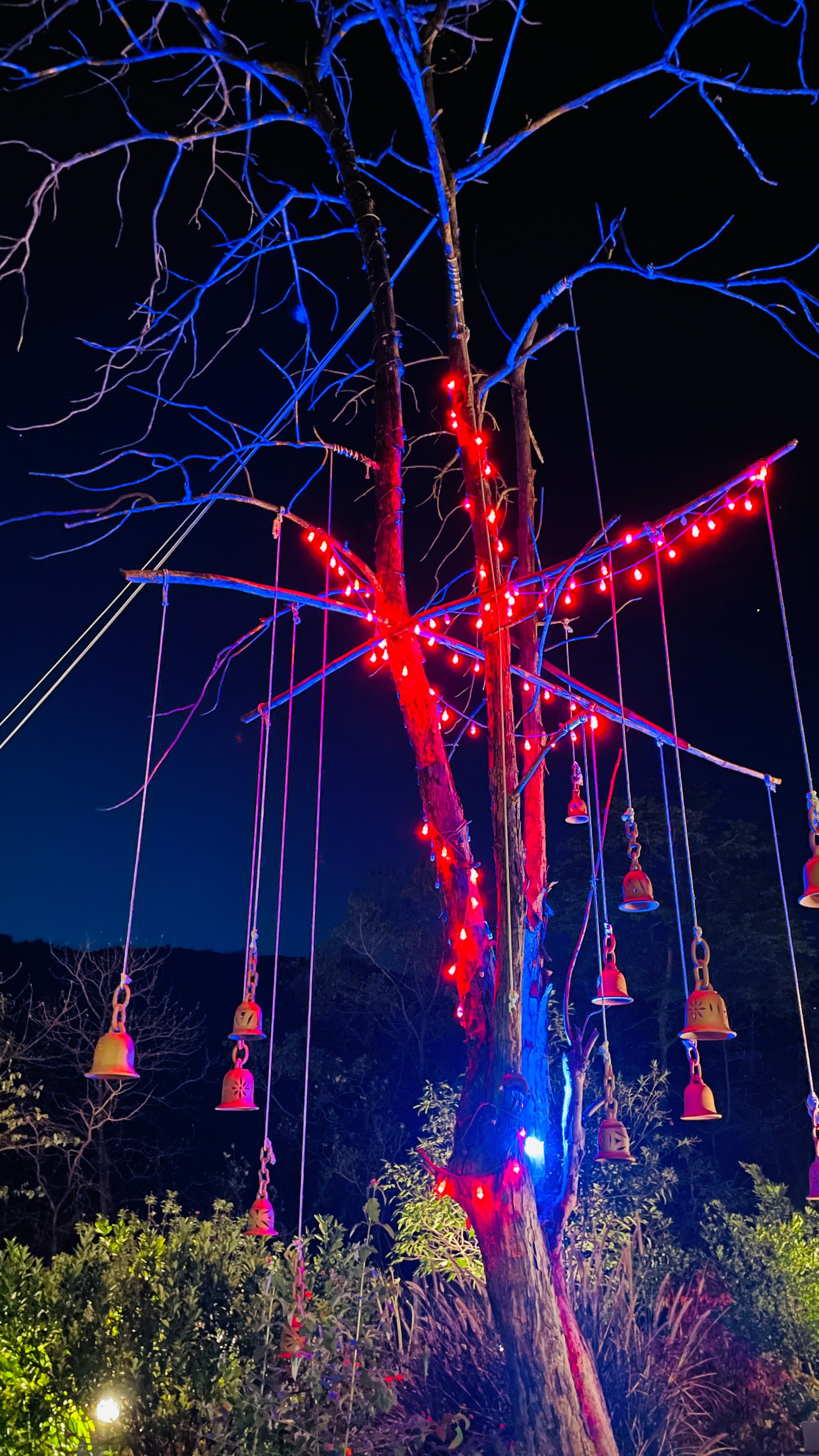
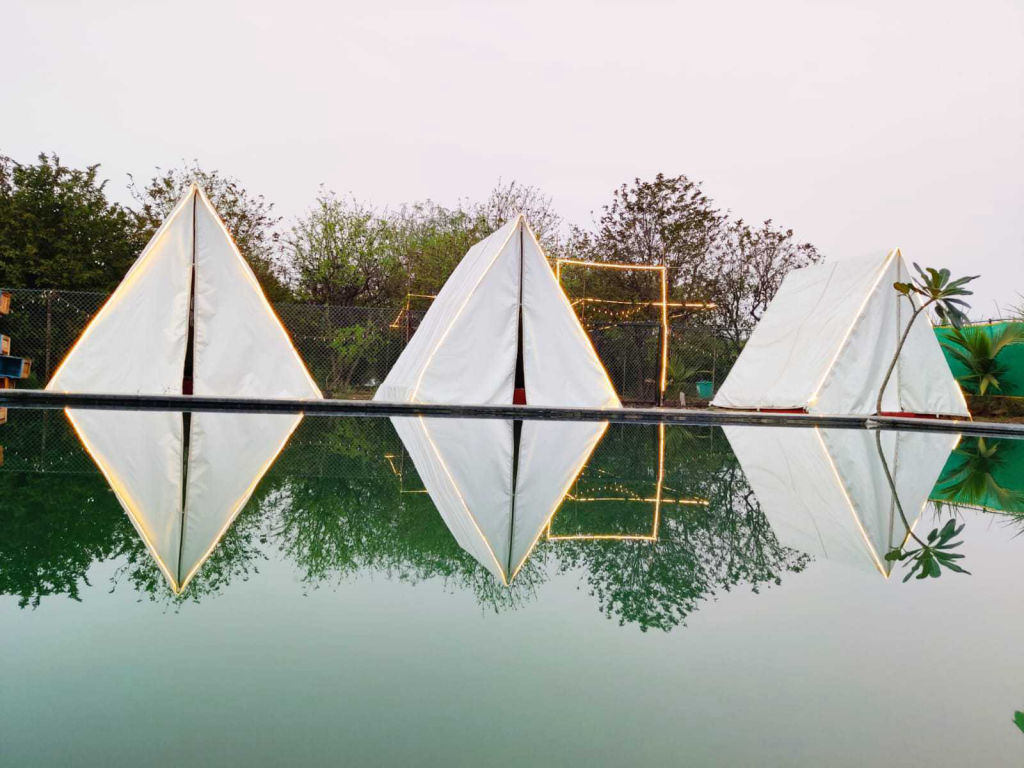
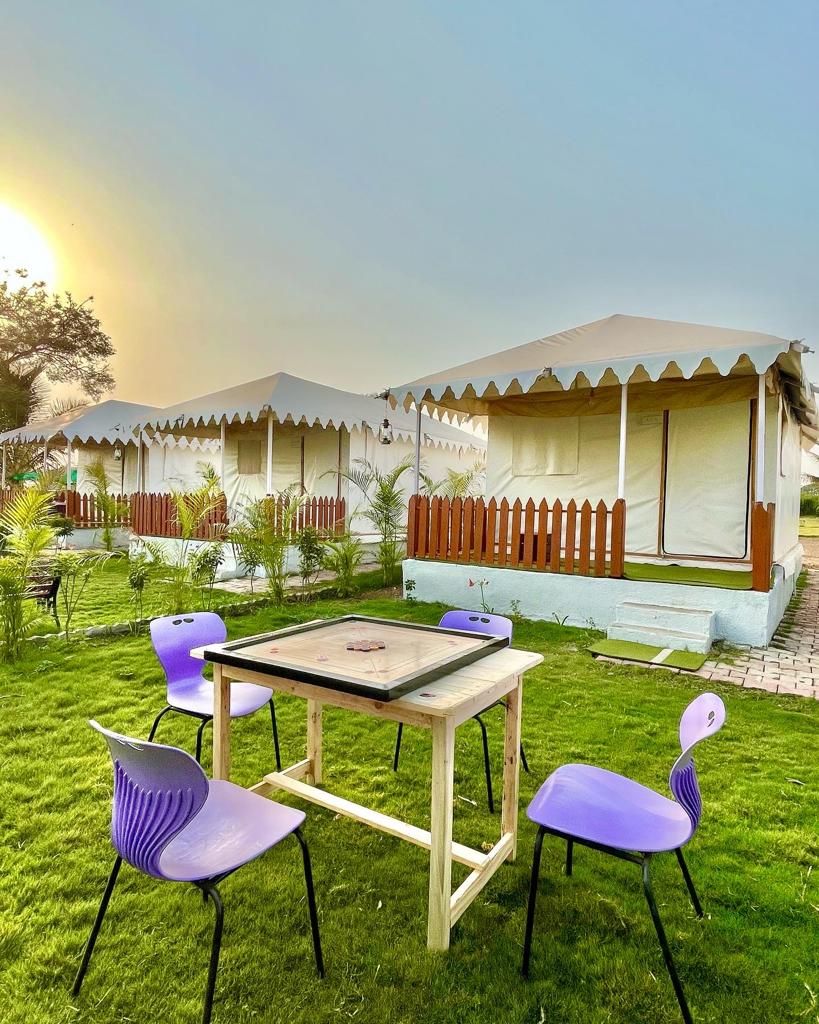
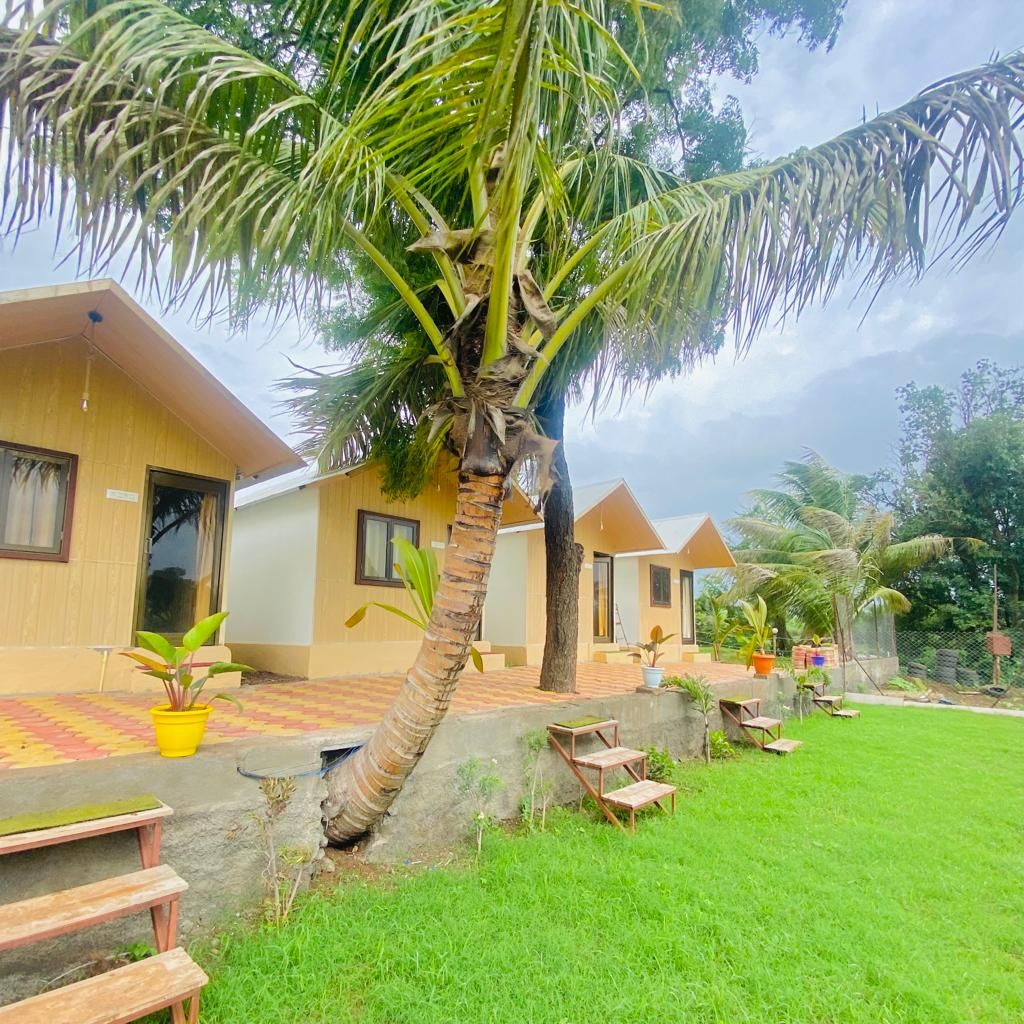
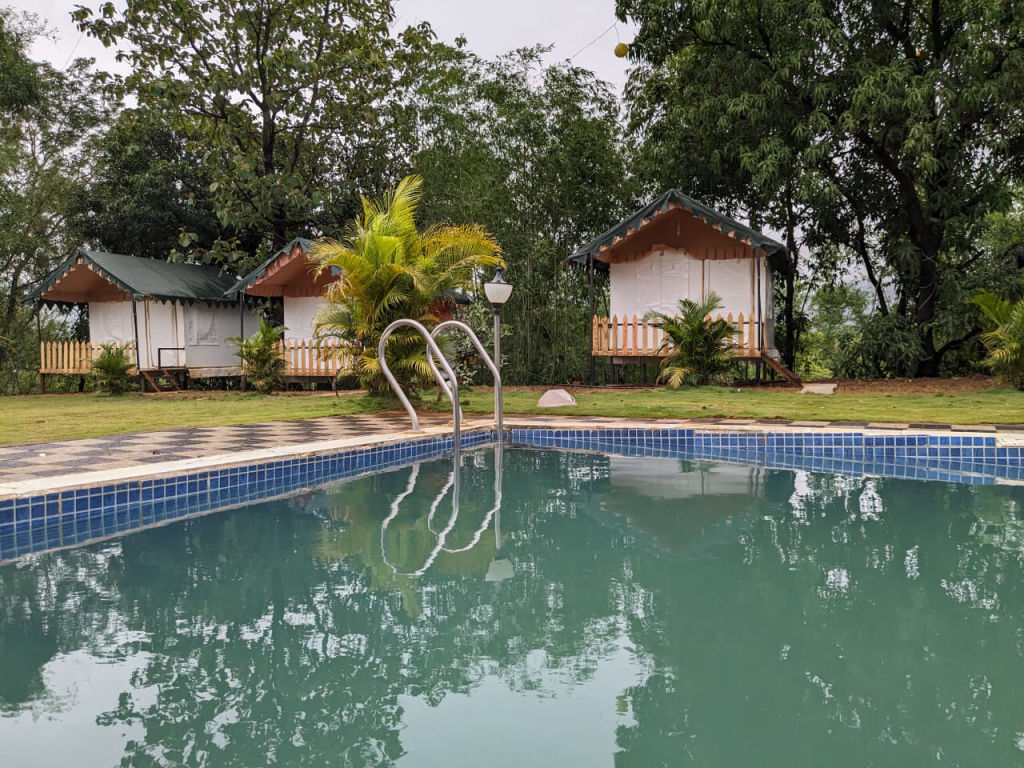
If you prefer nature, fresh air, and open skies, the rural ridges and lakes around the outskirts of Pune provide a refreshing alternative. You can discover peaceful campsites, nature retreats, and independent farm stays on HireACamp. Staying near the base of Sinhagad or in the rolling countryside beyond the urban fringe allows you to combine your day at the zoological park with tranquil outdoor living.
Frequently asked questions
What is the history behind the Katraj Snake Park?
The Katraj Snake Park was initially established as an independent reptile rescue and education centre before being integrated into the larger Rajiv Gandhi Zoological Park in the late 1990s. It was created to dispel myths about snakes, care for rescued reptiles, and educate the public on snakebite awareness.
Are battery-operated vehicles available inside the park?
Yes, battery-operated electric vehicles typically run along the main interior circuit of the park for visitors who prefer not to walk the full distance. Availability and ticketing can be checked at the counter near the main entry gate.
How much time is needed to explore the zoo and snake park?
Most visitors spend between two and three hours exploring the snake park, mammal enclosures, and scenic perimeter paths around Katraj Lake.
Is the park accessible for families with young children?
Yes, the park features wide, paved paths suitable for strollers and wagons, along with shaded rest stops, garden lawns, and clearly signed enclosures that make it popular with families.
Can I bring outside food into Rajiv Gandhi Zoological Park?
While light dry snacks and water bottles are generally allowed, visitors are encouraged to confirm current food policies at the entrance to prevent single-use plastic pollution and protect resident wildlife.
Where you'll be
Pune, MH · 12 stays nearby shown with prices
Stays near Rajiv Gandhi Zoological Park and Katraj Snake Park
Book a place to stay close by
More places near Rajiv Gandhi Zoological Park and Katraj Snake Park
Within 20 km


Lists for this area
Ranked by how many creators recommend each place


Built from 0 Instagram posts by 0 creators. Every tip links back to the post it came from, and where creators disagree we show both sides.


