
Jambhulwadi Lake
Lake near Haveli, Maharashtra
4.3 km from Haveli
The nearest town, for stays, food and fuel.
Jambhulwadi Lake is a scenic freshwater reservoir situated along the southern outskirts of Pune in Maharashtra. Framed by open skies and the gentle contours of the Sahyadri hills, it serves as a peaceful waterside retreat for city dwellers and regional travellers. People visit the lake to enjoy quiet morning walks, observe local birdlife, and take in picturesque sunsets away from the bustle of the city center.
Getting there
By road
- From HaveliNearest town28 min · 6.8 km
- From Pune33 min · 11 km
- From Mumbai 3 hr · 159 km
- From Nashik5 hr 5 min · 225 km
Typical drive times without traffic. Stations and airports from OLA Maps; distances and typical drive times from OpenStreetMap (© OpenStreetMap contributors); notes from creators' Reels.
About Jambhulwadi Lake
Written with AI from map data and general knowledge. Check prices and timings locally before you go.
The setting and atmosphere of Jambhulwadi Lake
Jambhulwadi Lake rests on the southern perimeter of Pune, bordered by the rolling hills of the Deccan plateau. Originally constructed to support local irrigation and groundwater replenishment, the waterbody has become a favored natural space for neighborhood residents and travellers passing through the district. The lake basin catches runoff from the surrounding uplands, creating a broad sheet of water that reflects the changing colors of the sky throughout the day.
The lake offers a welcome contrast to the expanding suburban landscape of southern Pune. Stretches of the shore are fringed with native shrubs, wild grasses, and acacia trees, providing habitat for small aquatic creatures and visiting birds. Cool breezes often drift across the open water, especially during early morning and evening hours, making the lake perimeter a relaxing setting for an outdoor stroll.
Things to do at Jambhulwadi Lake
Spending time at Jambhulwadi Lake is largely focused on quiet, self-guided outdoor recreation. The open embankments and surrounding tracks are popular with morning walkers, runners, and cycling enthusiasts looking for a low-traffic environment to exercise. The calm atmosphere early in the day makes it easy to unwind and take in the natural surroundings.
Birdwatching and nature photography are equally rewarding at the lake. During the early morning hours, you can frequently spot pond herons, little egrets, kingfishers, and cormorants foraging along the shallow edges. Visitors also come in the late afternoon with family or friends to watch the sun sink behind the western ridges, read by the water, or practice open-air sketching.
Read more
Best time to visit Jambhulwadi Lake
The most comfortable time to visit Jambhulwadi Lake is between October and February. Following the departure of the southwest monsoon, the lake remains full, the shoreline is lush, and daytime temperatures are pleasant. Winter mornings and evenings can be delightfully crisp, providing the best conditions of the year for walking and birdwatching along the water.
The monsoon season from June to September brings heavy rains across Pune and refills the reservoir. The surrounding countryside turns bright green, and the dramatic monsoon cloud cover creates striking scenery. However, rain showers can be frequent, and paths around the water can turn quite muddy. The summer months from March to May are generally dry and hot, meaning visits during that period are best limited to the brief window around sunset.
How to reach Jambhulwadi Lake
Jambhulwadi Lake is conveniently situated near the Katraj bypass in southern Pune, making it easily accessible from various neighborhoods across the city. Travellers driving from central Pune areas around Ferguson College Road or Shaniwar Wada can head south through city roads to connect toward the bypass corridor. The lake is reachable by private two-wheeler, personal car, app-based taxi, or local auto-rickshaw.
Travellers arriving from outside Pune can reach the city via Pune Junction railway station or Pune International Airport, both of which connect to major hubs across India. From the railway station or central bus terminals, local cabs and suburban transit services head toward the southern suburbs. Driving your own vehicle or taking a dedicated taxi is the most practical option for reaching the lake shore directly and exploring the surrounding area at your own pace.
Places to explore near Jambhulwadi Lake
A trip to Jambhulwadi Lake pairs naturally with several other cultural and historic landmarks across Pune. Located just around one kilometre from the lake is the BAPS Shri Swaminarayan Temple, an expansive complex known for its detailed stone craftsmanship, serene gardens, and peaceful atmosphere. It is an easy stop to combine with a morning visit to the water.
For those interested in regional history and hill walks, Sinhagad Fort stands approximately twelve kilometres to the southwest. Perched high on a rugged cliff, the fort offers expansive vistas of the Sahyadri range and deep valleys. Heading north toward central Pune, around nine kilometres away, visitors can explore the Maratha-era ramparts of Shaniwar Wada, the bustling market lanes of Mahatma Jyotiba Phule Mandai, and the revered Shrimant Dagdusheth Halwai Ganpati Mandir.
Tips for visiting Jambhulwadi Lake
To make the most of your excursion, plan your trip during the early morning or late afternoon to avoid the intense midday heat. Because the pathways along the water are largely unpaved and can be uneven or rocky in sections, wearing sturdy walking shoes or sneakers is strongly advised. If you are visiting during the rainy months, carrying an umbrella and wearing waterproof footwear will make your walk much more comfortable.
Jambhulwadi Lake is an open natural reservoir without formal commercial visitor facilities right on the shore, so it is wise to carry your own drinking water and light snacks. Remember to practice responsible tourism by carrying all litter and packaging back with you to keep the shoreline clean. Keeping noise to a minimum also helps preserve the peaceful environment for nesting birds and fellow visitors.
Where to stay near Jambhulwadi Lake
Travellers looking to spend a night or weekend near Jambhulwadi Lake have various accommodation possibilities in the surrounding region. The southern suburbs of Pune provide diverse urban lodgings, including transit stays and serviced apartments with quick access to the main bypass highway.
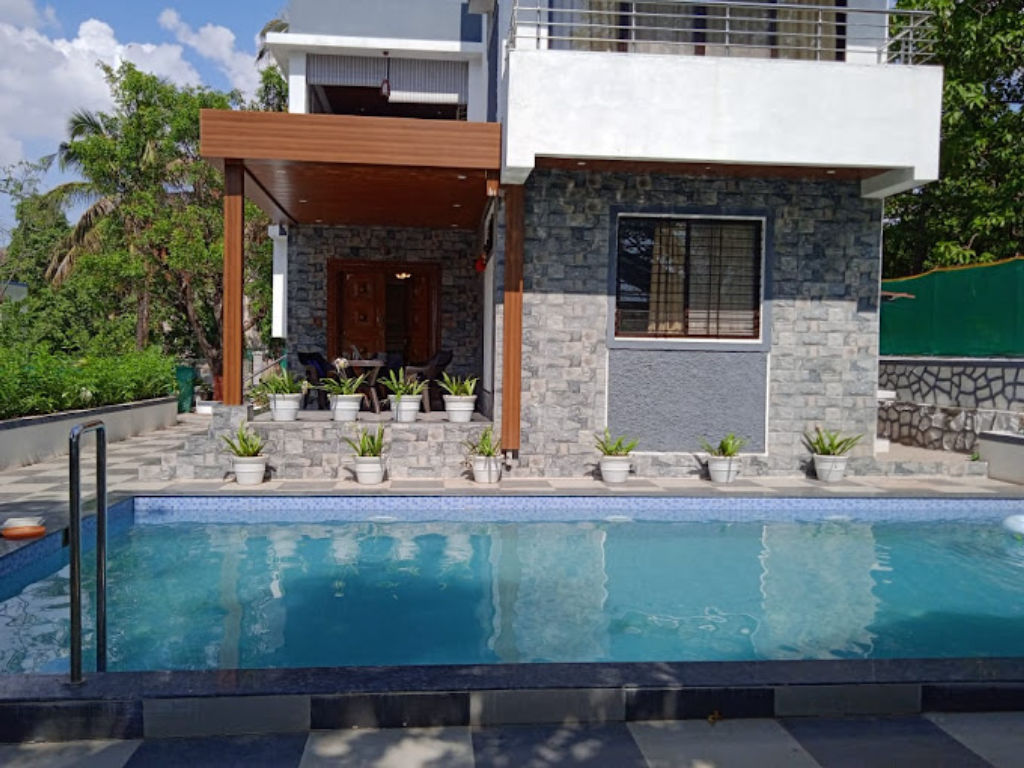
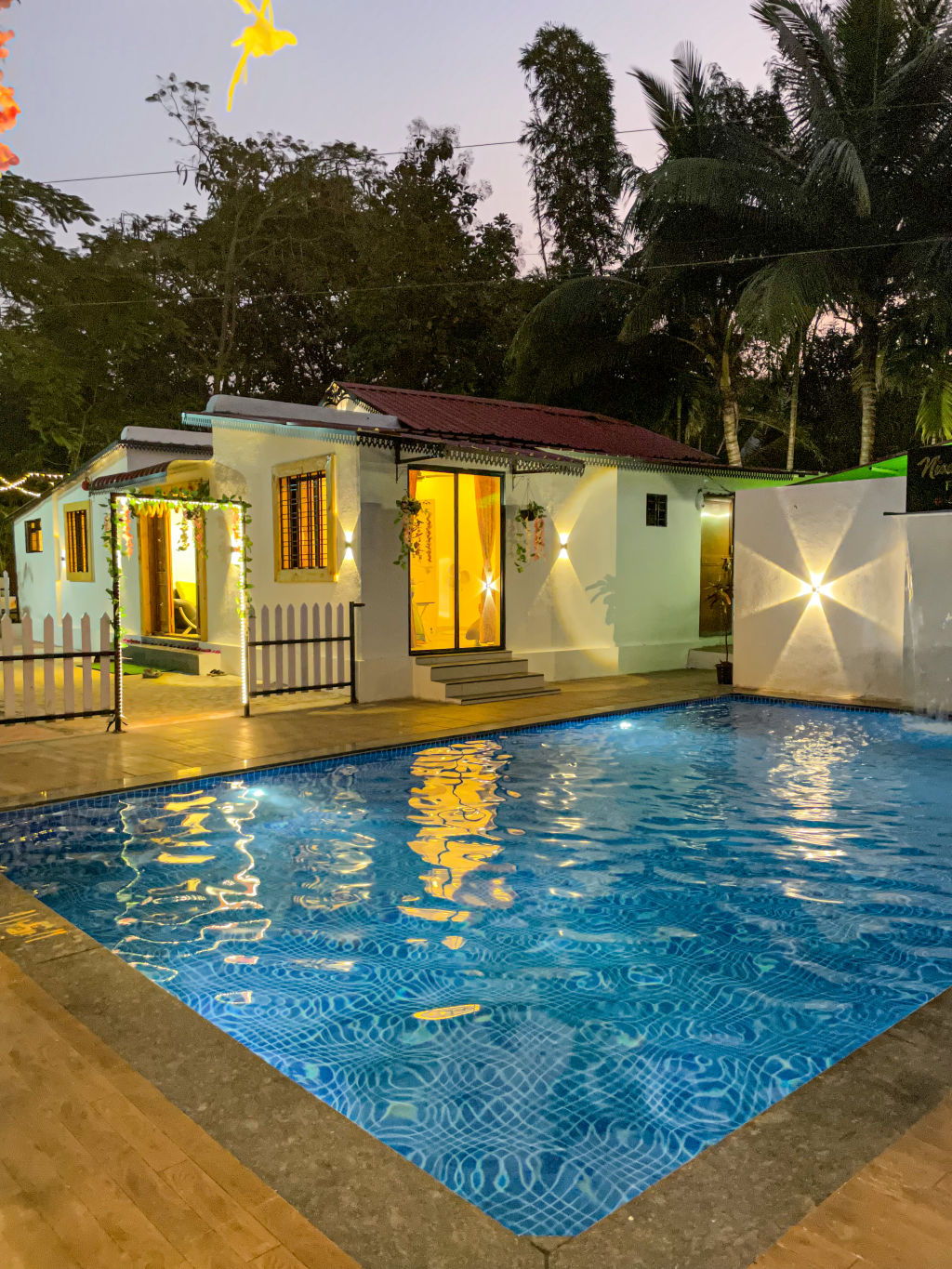
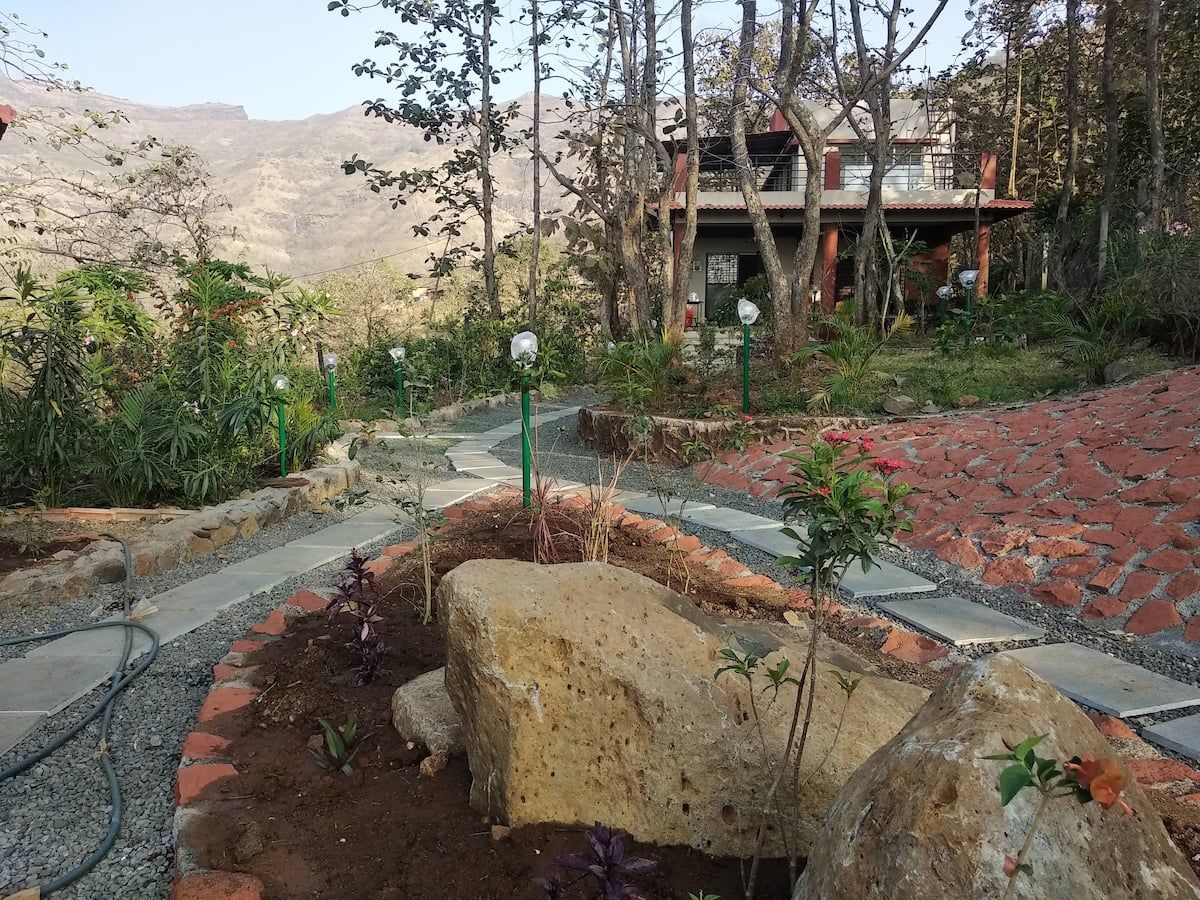
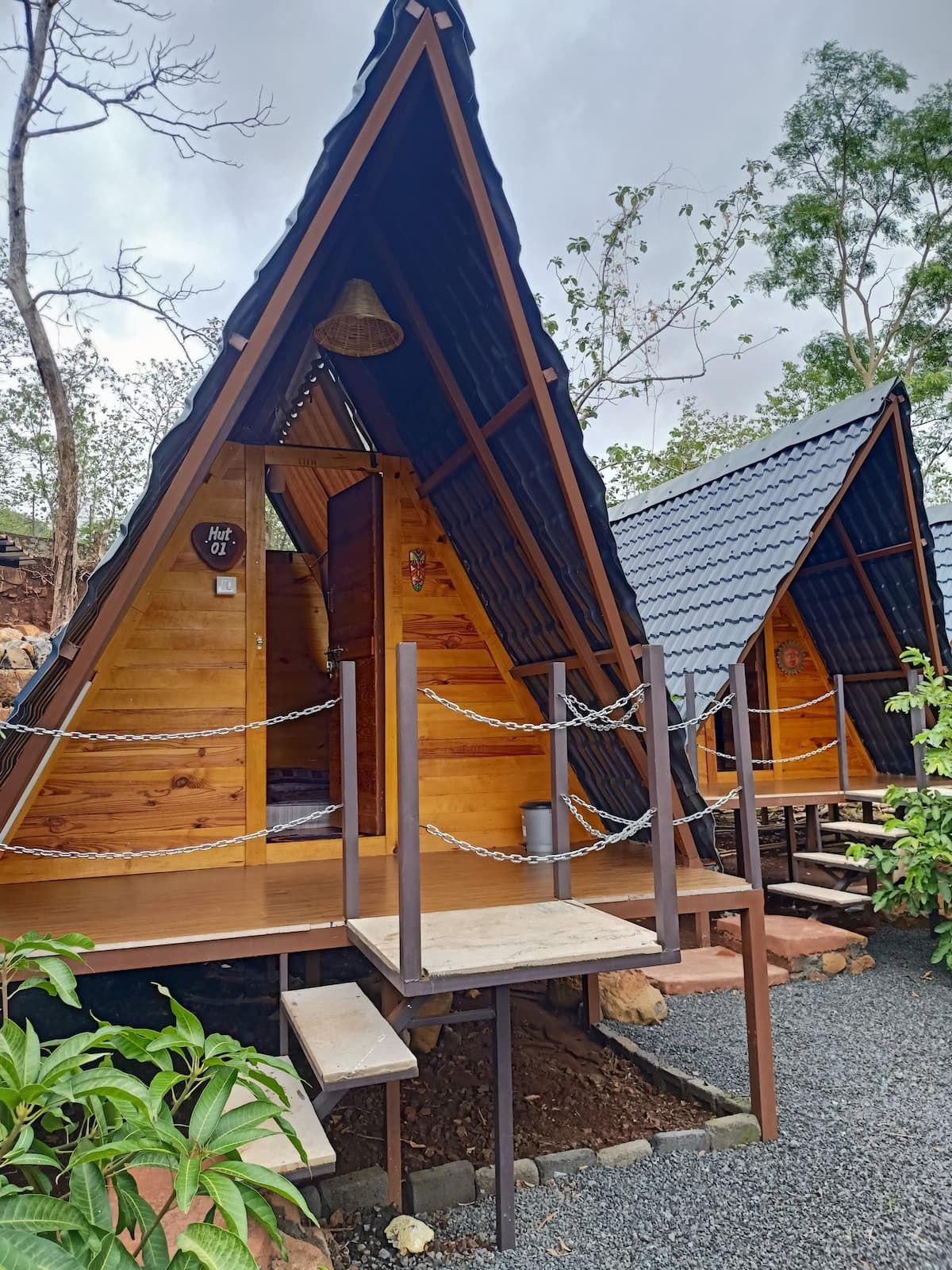
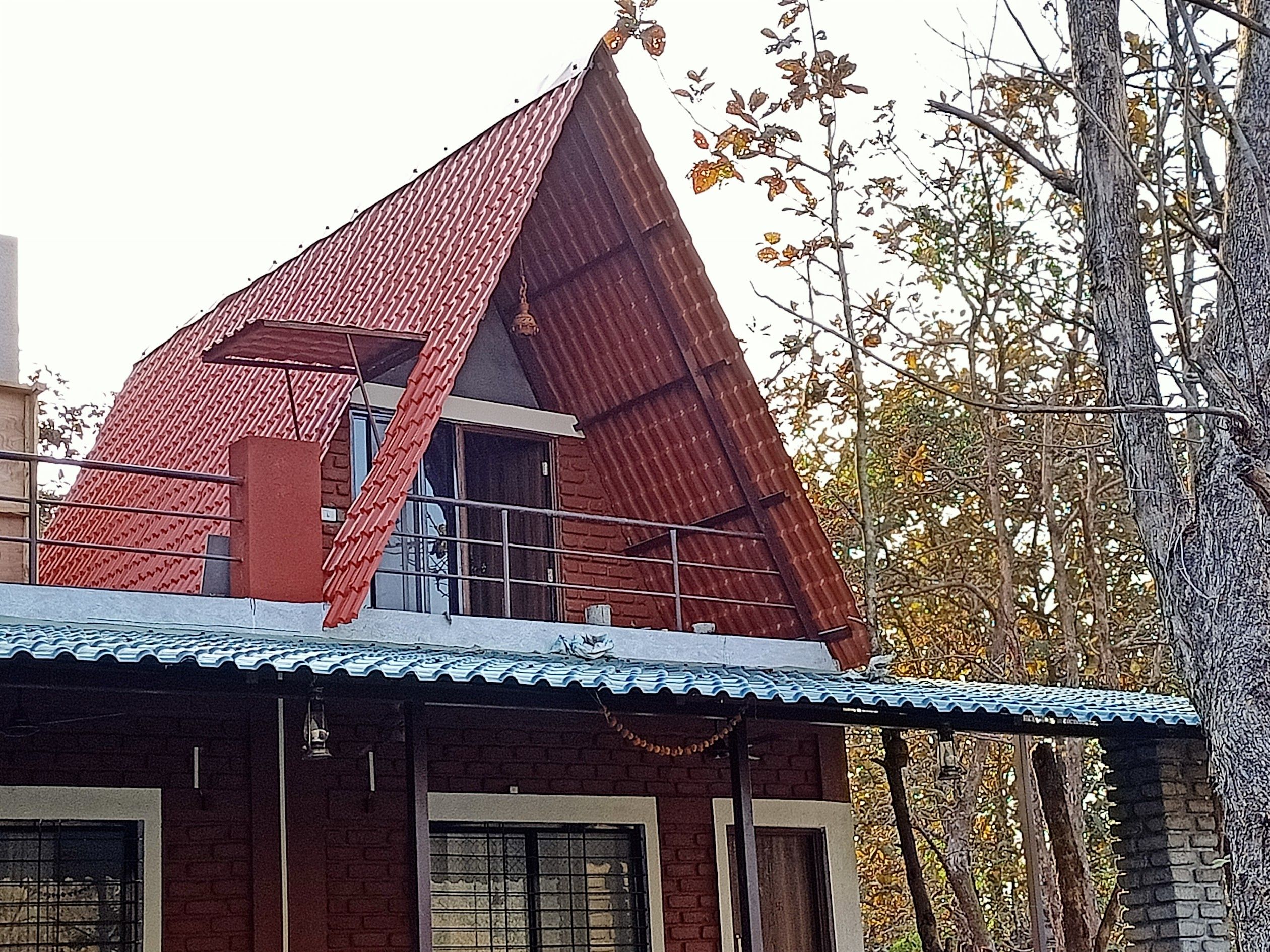
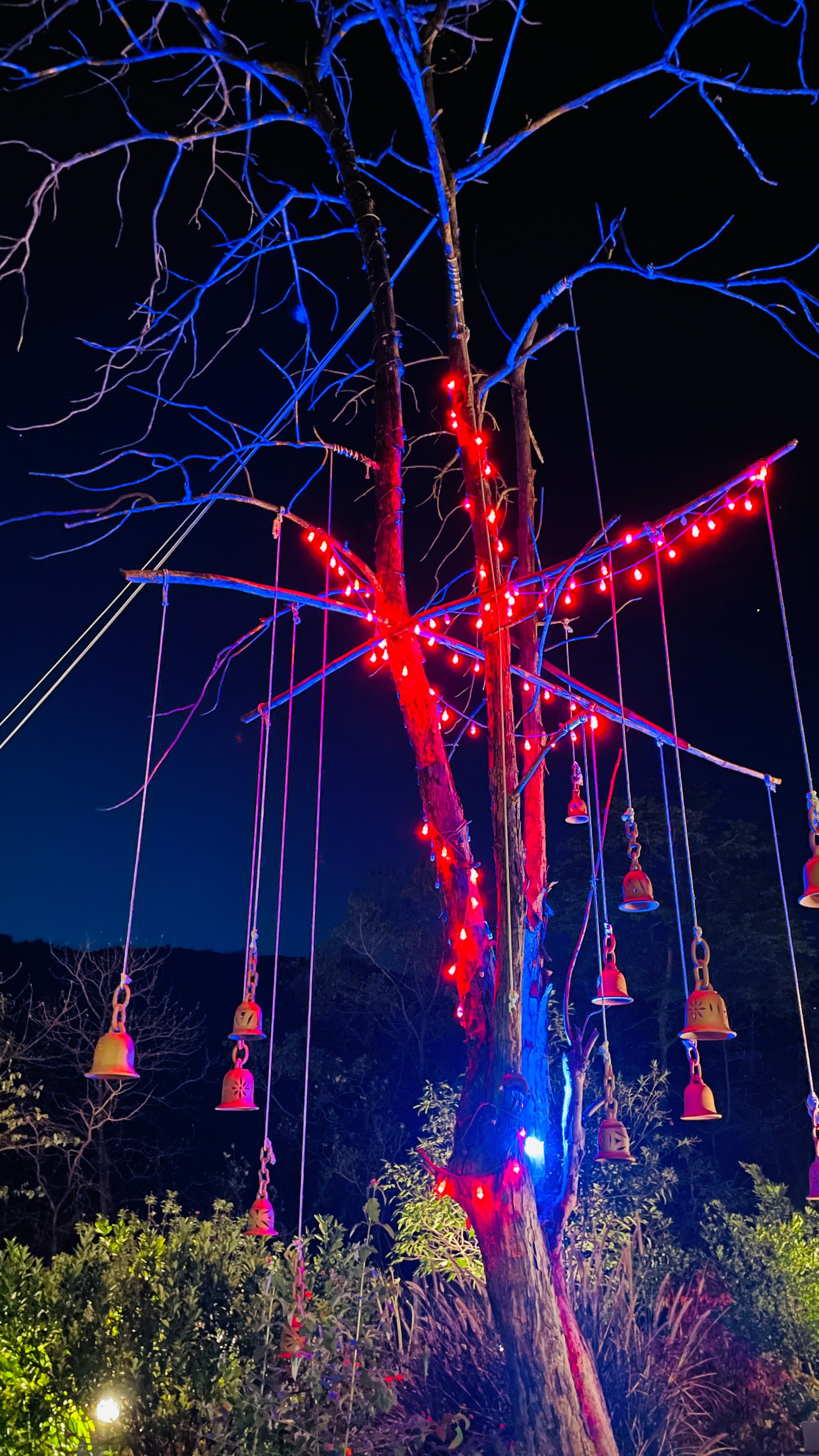
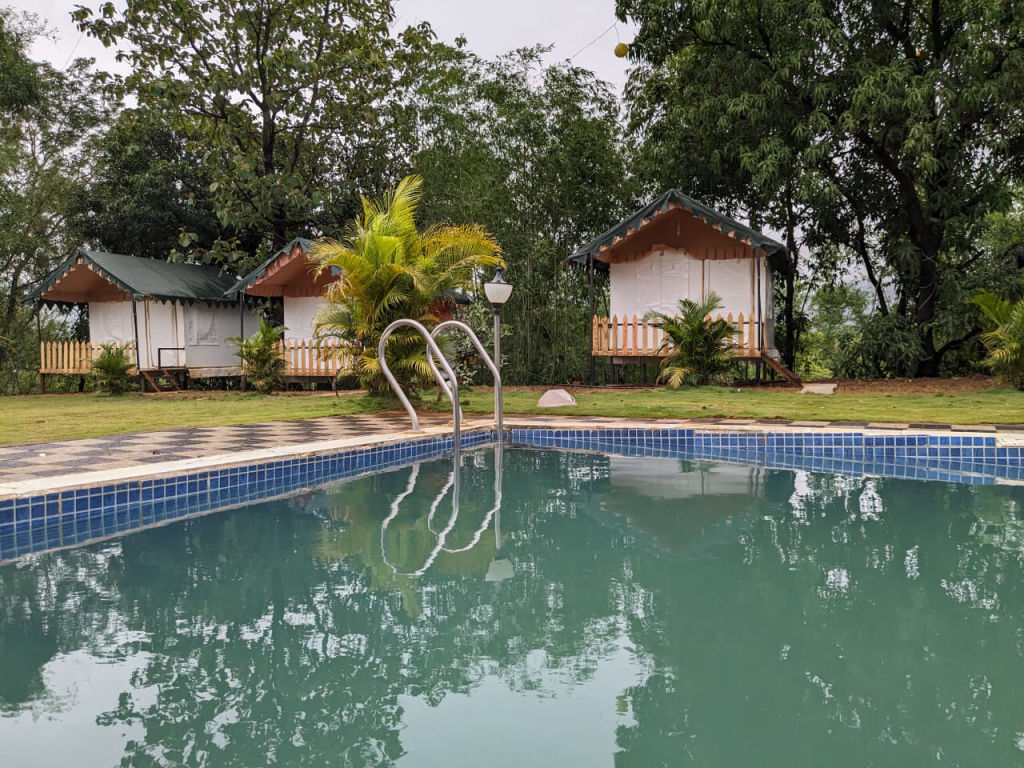
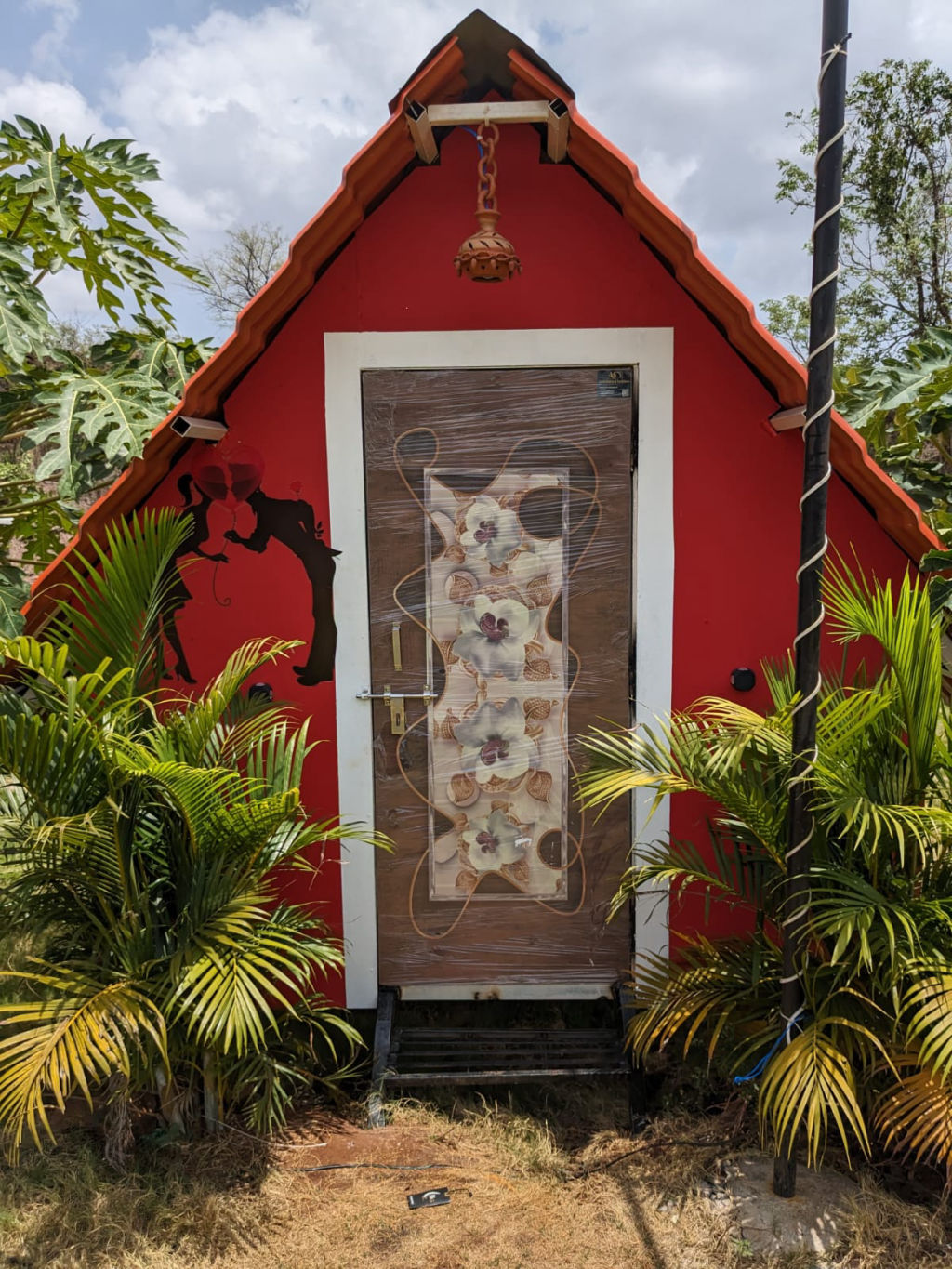
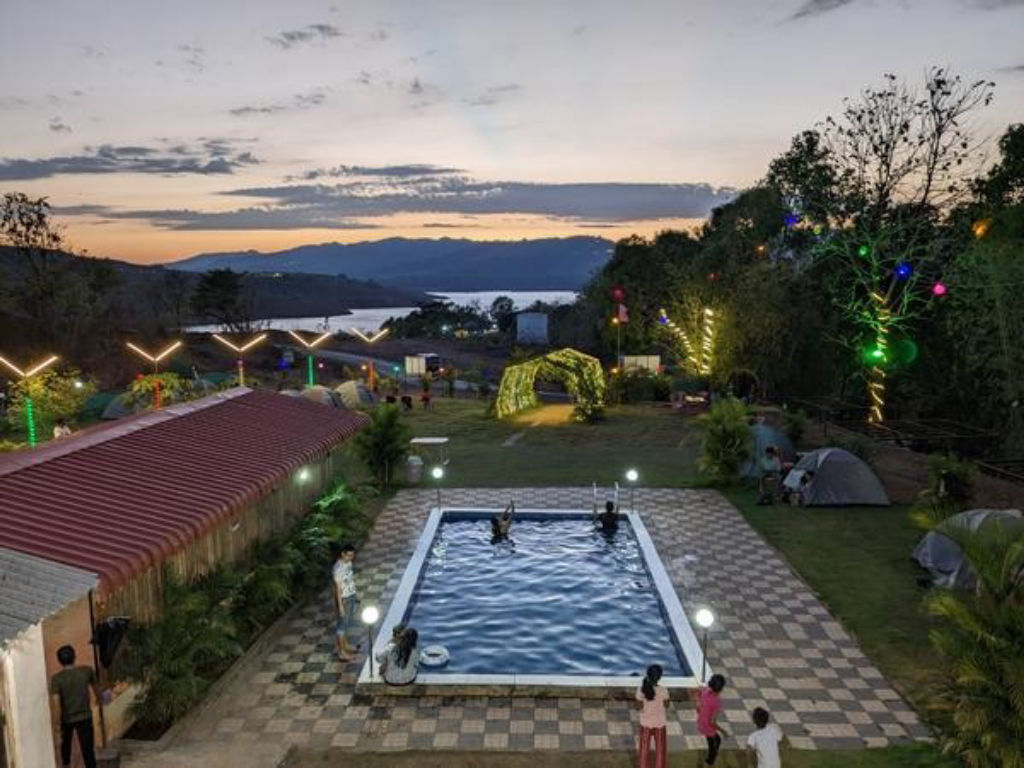
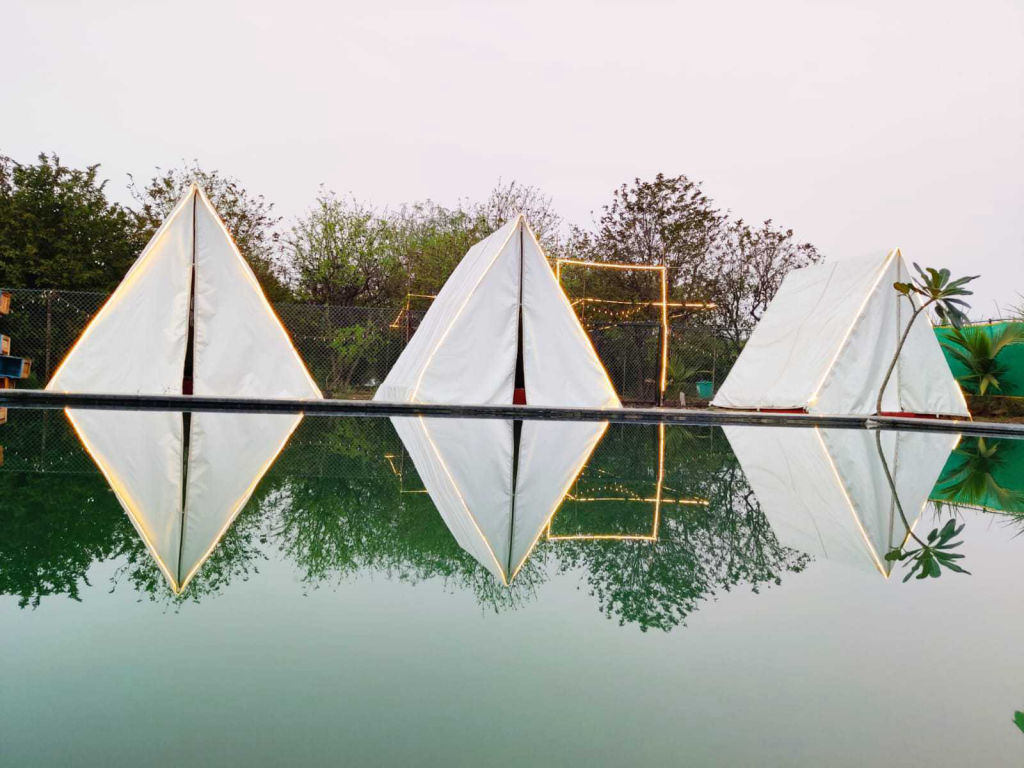
If you prefer a quieter experience immersed in nature, consider looking slightly further out toward the foothills of Sinhagad, Khadakwasla, or the rural stretches of the Sahyadris. A variety of unique camps, homestays, and countryside properties in the area can be booked through HireACamp, giving you a relaxing outdoor base to enjoy the natural reservoirs and hill country of Pune.
Frequently asked questions
Where is Jambhulwadi Lake located?
Jambhulwadi Lake is situated in the southern part of Pune in Maharashtra, close to the Katraj-Dehu Road bypass.
What is the best time of day to visit Jambhulwadi Lake?
The best times to visit are early morning around sunrise or late afternoon before sunset, when temperatures are cooler and the light over the water is soft.
Is there an entry fee to visit Jambhulwadi Lake?
Jambhulwadi Lake is an open public waterbody, but travellers should check locally for any current parking guidelines or neighborhood access rules.
Can you participate in water sports at Jambhulwadi Lake?
The lake is primarily an uncommercialized natural reservoir, so there are typically no organized water sports or commercial boating activities available on site.
What are some notable attractions near Jambhulwadi Lake?
Notable attractions nearby include the BAPS Shri Swaminarayan Temple about one kilometre away, the historic Sinhagad Fort roughly twelve kilometres away, and central landmarks like Shaniwar Wada.
Where you'll be
Pune, MH · 12 stays nearby shown with prices
Stays near Jambhulwadi Lake
Book a place to stay close by
More places near Jambhulwadi Lake
Within 20 km


Lists for this area
Ranked by how many creators recommend each place


Built from 0 Instagram posts by 0 creators. Every tip links back to the post it came from, and where creators disagree we show both sides.


