
Borasu Pass
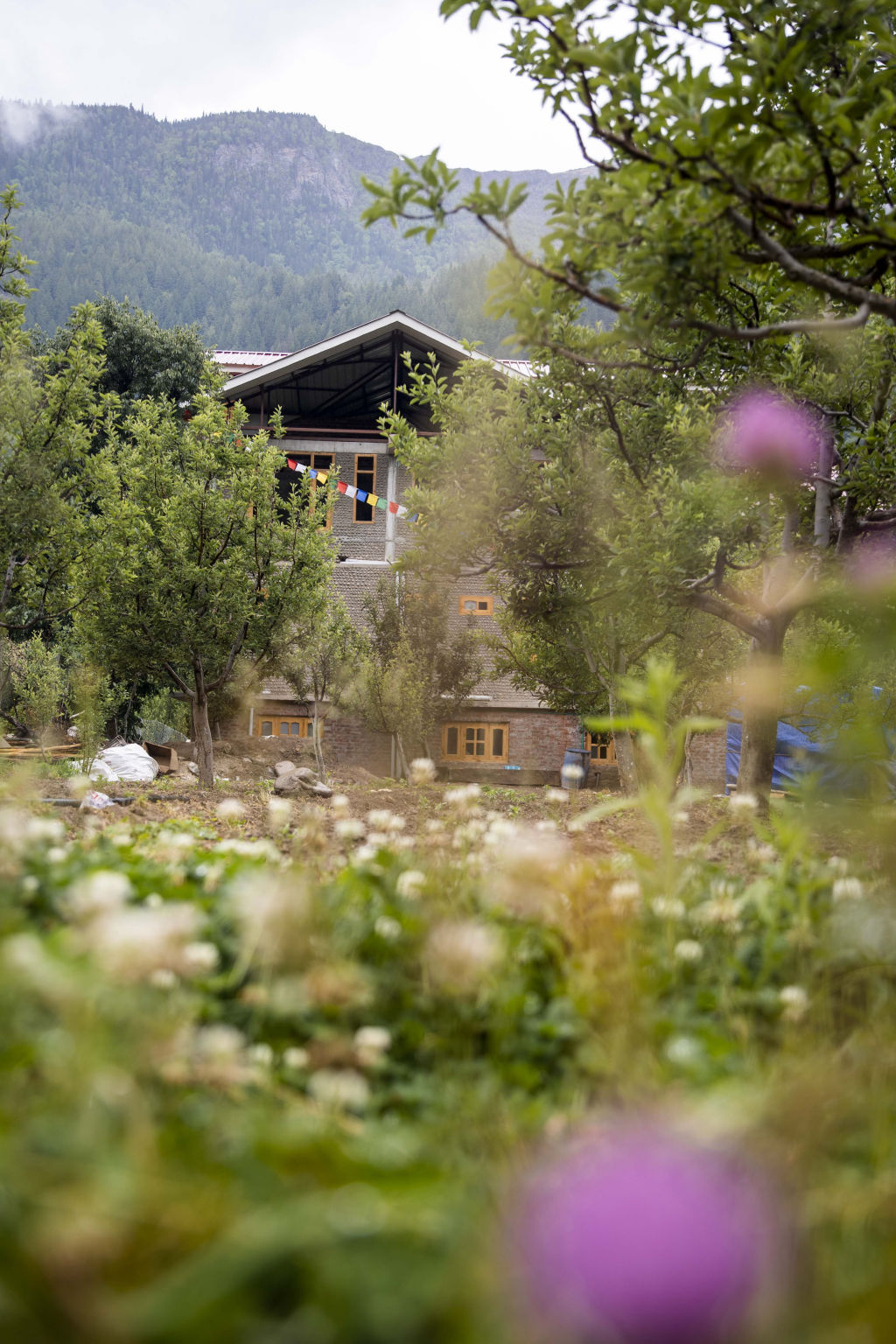
Nature near Chitkul, Himachal Pradesh
13 km from Chitkul
The nearest town, for stays, food and fuel.
Borasu Pass is a dramatic high-altitude mountain pass perched at over five thousand metres on the border of Uttarakhand and Himachal Pradesh. It connects the verdant Har Ki Dun amphitheatre with the rugged Baspa Valley of Kinnaur, carving a path through ancient trading routes and raw glacial landscapes. Seasoned trekkers and mountaineers journey here to experience one of the most challenging and visually diverse traverses in the Indian Himalayas.
Getting there
By road
- From ChitkulNearest town36 min · 12 km
- From Chandigarh8 hr 5 min · 368 km
- From Ludhiana10 hr · 469 km
- From Dehradun10 hr 10 min · 484 km
Typical drive times without traffic. Stations and airports from OLA Maps; distances and typical drive times from OpenStreetMap (© OpenStreetMap contributors); notes from creators' Reels.
About Borasu Pass
Written with AI from map data and general knowledge. Check prices and timings locally before you go.
About Borasu Pass
Borasu Pass sits high along the watershed divide between the Tons River basin in Uttarakhand and the Baspa River basin in the Kinnaur district of Himachal Pradesh. Historically, this formidable col served as a seasonal trade route for shepherds and traders moving between the remote villages of Rawain and the Kinnaur valley. Today, it remains a celebrated cross-over expedition that takes adventurers from dense alpine woods to stark glacial fields.
The route across Borasu Pass represents a classic transition of Himalayan geography. On the southern approach, lush river beds bordered by towering pines and alpine clearings lead through Govind Pashu Vihar National Park. As the route climbs beyond the vegetation line, the landscape transforms into massive fields of scree, boulder fields, moraines, and permanent snowfields. Standing at the crest provides uninterrupted panoramas of monumental peaks, including the Bandarpunch massif, Swargarohini, and the jagged ridges leading toward the Kinnaur Kailash range.
The Trek and Landscape
Crossing Borasu Pass requires navigating a dramatic spectrum of Himalayan topography. Trekkers typically encounter lush pastures dotted with wild alpine flowers in the lower reaches before ascending toward high moraines and frozen glacier tongues. The ascent to the pass involves negotiating steep snow gullies, loose rock terrain, and crevassed glacial sections that demand careful route-finding and surefootedness.
The high-altitude environment is both severe and awe-inspiring. Glacial melt streams cut through rocky amphitheatres, and hanging glaciers cling to shear granite faces flanking the ridge. Across the crossing into Himachal Pradesh, the descent leads down through the dramatic Baspa river basin toward Chitkul, renowned as one of the last inhabited villages near the Indo-Tibetan border. This striking contrast between the rolling valleys of Har Ki Dun and the stark, windswept slopes of Kinnaur makes the journey singularly memorable.
Read more
Best Time to Visit Borasu Pass
The window for attempting Borasu Pass is narrow due to its extreme altitude and exposure to severe weather. The primary trekking seasons fall in pre-monsoon and post-monsoon months. Pre-monsoon, running from late May through June, offers firm snowfields that can facilitate easier crossing of scree zones, though temperatures remain freezing at night and route-finding requires technical snow skills.
The post-monsoon period, from September through early October, brings the most stable weather and the clearest mountain vistas. During this time, summer snow has largely melted off the lower trails, exposing boulder fields and moraine paths, while the higher elevations enjoy crisp, transparent skies. By mid-October, severe winter weather arrives, bringing heavy snowfall, sub-zero conditions, and hazardous ice that effectively closes the pass until late spring. Monsoon months from July to August should be avoided entirely due to flash floods, swollen river crossings, and dangerous rockfall.
How to Reach Borasu Pass
Borasu Pass can be approached from either Uttarakhand or Himachal Pradesh, though most expeditions start from the Uttarakhand side and conclude in Kinnaur. The classic approach begins from Sankri, a mountain village in the Uttarkashi district reachable by road from Dehradun. From Sankri, trails pass through Taluka, Osla, and the upper meadows beyond Har Ki Dun before entering the glacial approach to the col.
Alternatively, the trek can be undertaken in reverse, starting from Chitkul in Himachal Pradesh. Reaching Chitkul requires road travel through Shimla, Rampur, and the Sangla Valley in Kinnaur. Regardless of the direction chosen, the journey requires multi-day foot travel with self-supported expedition setups. Trekkers must also account for steady elevation gain over several days to allow proper acclimatization before attempting the final ascent over the pass.
Tips for Planning Your Expedition
Crossing Borasu Pass is a demanding high-altitude venture requiring prior multi-day trekking experience, excellent cardiovascular fitness, and familiarity with snow and glacier travel. You should be prepared to walk long hours over uneven moraines, scree, and icy slopes while carrying personal gear. Trekking with experienced mountain guides, skilled support staff, and technical mountaineering safety gear is essential.
Because the pass lies in a sensitive border region and traverses protected forest land, special forest and border area permits are mandatory. Regulations can change depending on seasonal weather and administrative protocols, so verify permit procedures, check-in requirements, and entry guidelines locally before commencing your expedition. Pack layered clothing designed for sub-zero conditions, high-grade waterproof mountain boots, crampons or microspikes, and sufficient emergency supplies.
Places to Visit Nearby
The landscapes surrounding Borasu Pass are filled with natural and cultural highlights. Within the lower reaches on the Uttarakhand side lies Govind Pashu Vihar National Park, home to dense deodar forests, rich birdlife, and sweeping alpine glades. Nearby trails lead toward Har Ki Dun, a legendary cradle-shaped valley steeped in local folklore, as well as classic routes such as the Kedarkantha Trek and the Rupin Pass trail.
On the Himachal side, the trail opens into the Sangla Valley and the historic village of Chitkul, celebrated for its wooden architectural traditions and mountain scenery. Further down the valley, towns like Kalpa offer sweeping viewpoints facing the sacred spire of Kinnaur Kailash across the deep canyon of the Sutlej River. To the south and east across the ridges lie the Harsil Valley and the remote lakes of Dodital, providing further opportunities to explore the Garhwal and Kinnaur ranges.
Where to Stay
During the crossing of Borasu Pass, accommodation is strictly wilderness camping. Expeditions rely on pitch-your-own campsites set up along river terraces, alpine pastures, and moraine clearings, requiring travellers to carry all tents, cold-weather sleeping bags, and camp provisions. It is critical to follow Leave No Trace principles, leaving campsite clearings clean and packing out all non-biodegradable waste.
Before and after the expedition, base villages such as Sankri on the Uttarakhand side, or Chitkul, Sangla, and Kalpa in Himachal Pradesh, offer welcoming village homestays, traditional guesthouses, and scenic riverside campsites. You can find and book comfortable homestays, local camps, and nature retreats in these staging towns on HireACamp to rest and acclimatize before heading into the wild.
Frequently asked questions
Where is Borasu Pass located?
Borasu Pass is located on the high mountain divide between the Uttarkashi district of Uttarakhand and the Kinnaur district of Himachal Pradesh in northern India.
How difficult is the Borasu Pass trek?
The trek over Borasu Pass is considered strenuous to difficult due to its high altitude of over five thousand metres, long daily distances, steep snow gullies, and challenging moraine crossings. It is suitable for experienced trekkers who are physically fit and acclimatized.
Do I need permits to cross Borasu Pass?
Yes, permits are required to enter the protected wildlife sanctuaries and cross this border region. Trekkers should check locally with forest authorities and administrative checkposts in Uttarkashi or Kinnaur before starting.
What is the best season to attempt Borasu Pass?
The most favorable times to cross are during the pre-monsoon months of late May and June, or the post-monsoon window from September to early October when weather patterns are relatively stable.
What kind of views can I see from the pass?
From the pass and its approach trails, you can see sweeping panoramas of snow-capped peaks including the Bandarpunch massif, Swargarohini, and prominent peaks of the Kinnaur Kailash range.
Where you'll be
Himachal Pradesh · 1 stay nearby shown with prices
Stays near Borasu Pass
Book a place to stay close by
More places near Borasu Pass
Within 20 km


Built from 0 Instagram posts by 0 creators. Every tip links back to the post it came from, and where creators disagree we show both sides.






