
Rakcham Wildlife Sanctuary
Wildlife sanctuary near Sangla
9.5 km from Sangla
The nearest town, for stays, food and fuel.
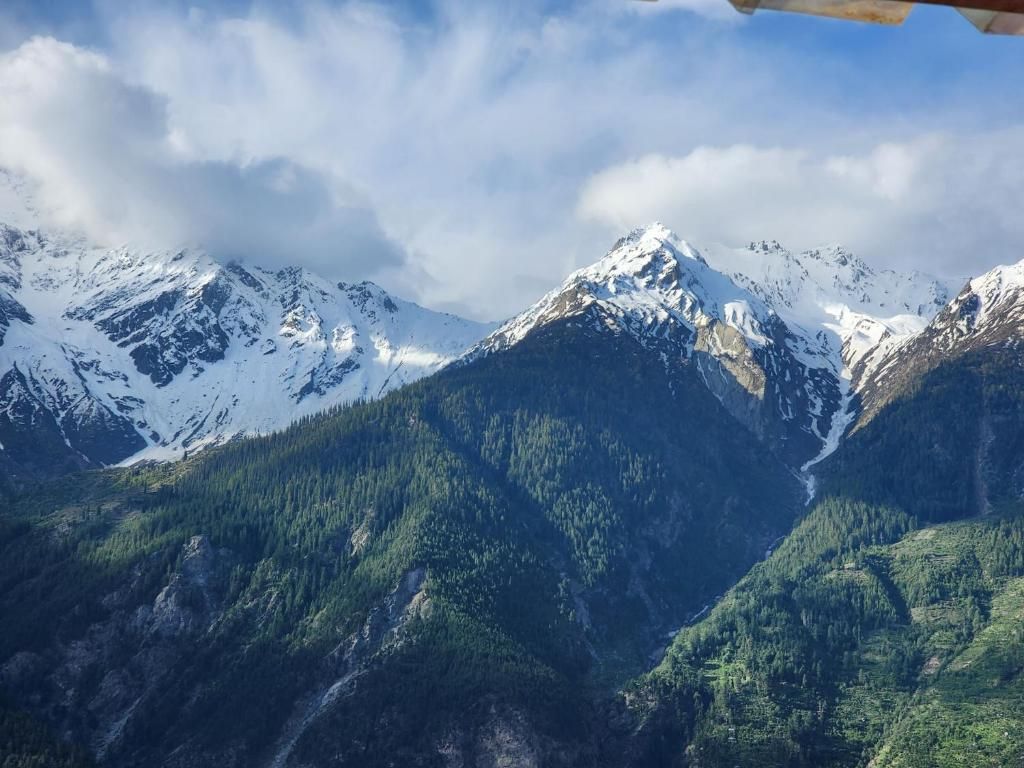
Rakcham Wildlife Sanctuary is a protected high-altitude reserve located in the Kinnaur district of Himachal Pradesh, set within the rugged terrain of the Baspa Valley. The sanctuary spans elevations that shift from dense coniferous woodland to alpine meadows and snow-covered peaks, offering shelter to rare Himalayan species such as the snow leopard and blue sheep. Travellers visit the area to explore undisturbed forest trails, view the surrounding glacial peaks, and experience the quieter reaches of the Kinnaur region.
Getting there
By road
- From SanglaNearest town27 min · 14 km
- From Chandigarh7 hr 20 min · 347 km
- From Ludhiana9 hr 15 min · 448 km
- From Dehradun9 hr 25 min · 463 km
Typical drive times without traffic. Stations and airports from OLA Maps; distances and typical drive times from OpenStreetMap (© OpenStreetMap contributors); notes from creators' Reels.
About Rakcham Wildlife Sanctuary
Written with AI from map data and general knowledge. Check prices and timings locally before you go.
About Rakcham Wildlife Sanctuary
Rakcham Wildlife Sanctuary, frequently referred to in connection with the nearby village of Chitkul, covers a substantial swathe of the upper Baspa Valley in Kinnaur. The sanctuary occupies a transitional zone where the lush forested valleys of the lower Himalayas give way to the arid, high-altitude landscapes of the trans-Himalayan plateau. Towering granite massifs, scree slopes, and hanging glaciers define the upper borders of the reserve, while cold mountain torrents feed downward into the Baspa River.
Because of its isolation and rugged topography, the sanctuary acts as a natural corridor for wildlife moving between the higher reaches of the Greater Himalayas and the forested gorges below. Unlike heavily visited national parks with demarcated safari routes, Rakcham retains a rugged, backcountry atmosphere where conservation is closely tied to the fragile alpine ecology of the region.
Flora and Fauna in the Sanctuary
The vegetation within Rakcham Wildlife Sanctuary varies dramatically according to altitude. The lower and middle reaches feature extensive stands of blue pine, silver fir, deodar, and birch, interspersed with dense rhododendron thickets. As you climb toward the tree line, these woods yield to dwarf junipers, high-altitude shrubs, and open alpine pastures that burst with wild grasses and herbs during the brief summer thaw.
This variety of habitats supports several elusive mammalian and avian species adapted to severe mountain conditions. The sanctuary is home to the endangered snow leopard, Himalayan black bear, brown bear, musk deer, and blue sheep, also known as bharal. Birdlife is equally varied, with sightings of the Himalayan monal, koklass pheasant, chukar partridge, and various raptors that ride the thermals above the rocky ridges.
Read more
Best Time to Visit Rakcham
The optimal period to visit Rakcham Wildlife Sanctuary runs from May through October, though the experience changes considerably between seasons. Late spring and early summer bring pleasant daytime temperatures and clear skies, making it an excellent time for trail walks and outdoor photography as the snow recedes from the lower forests.
Autumn, particularly September and October, offers exceptionally clear visibility, crisp air, and the turning of alpine foliage to deep gold and amber hues. The winter months from late November to April bring heavy snowfall and sub-zero temperatures, often causing road closures throughout the upper Baspa Valley. Those planning trips around the shoulder seasons should check local weather updates, as high-altitude conditions can shift rapidly.
Things to Do at Rakcham Wildlife Sanctuary
Exploring the sanctuary is largely a pedestrian pursuit. Guided day hikes along traditional pastoral trails allow visitors to observe native flora, track animal signs, and take in panoramic views of the surrounding peaks. Walking along the forest fringes near the Baspa River provides gentle terrain for photography and birdwatching, where you can watch for monals and alpine songbirds among the firs.
Trekking is another central pursuit in this landscape. Several trail networks connect through the sanctuary and over neighboring ridges into adjacent valleys. Even for those not setting out on multi-day expeditions, spending quiet hours observing the shifting light on the granite peaks and learning about regional biodiversity from local guides makes for a rewarding day in the outdoors.
How to Reach Rakcham
Reaching Rakcham Wildlife Sanctuary involves a journey into the upper reaches of Himachal Pradesh. Most travellers approach by road from Shimla, following National Highway 5 through the Sutlej Valley via Rampur Bushahr to Karcham. At Karcham, the route diverges away from the main highway and heads southeast along the Baspa River into the Sangla Valley, eventually reaching Rakcham village.
The nearest broad-gauge railway stations and major airports are in Chandigarh and Shimla. From there, travel is typically conducted by private vehicle, shared taxi, or regional bus services. Mountain driving in this sector requires caution due to narrow stretches and unpaved patches, particularly following rain or seasonal snowmelt.
Places to Visit Nearby
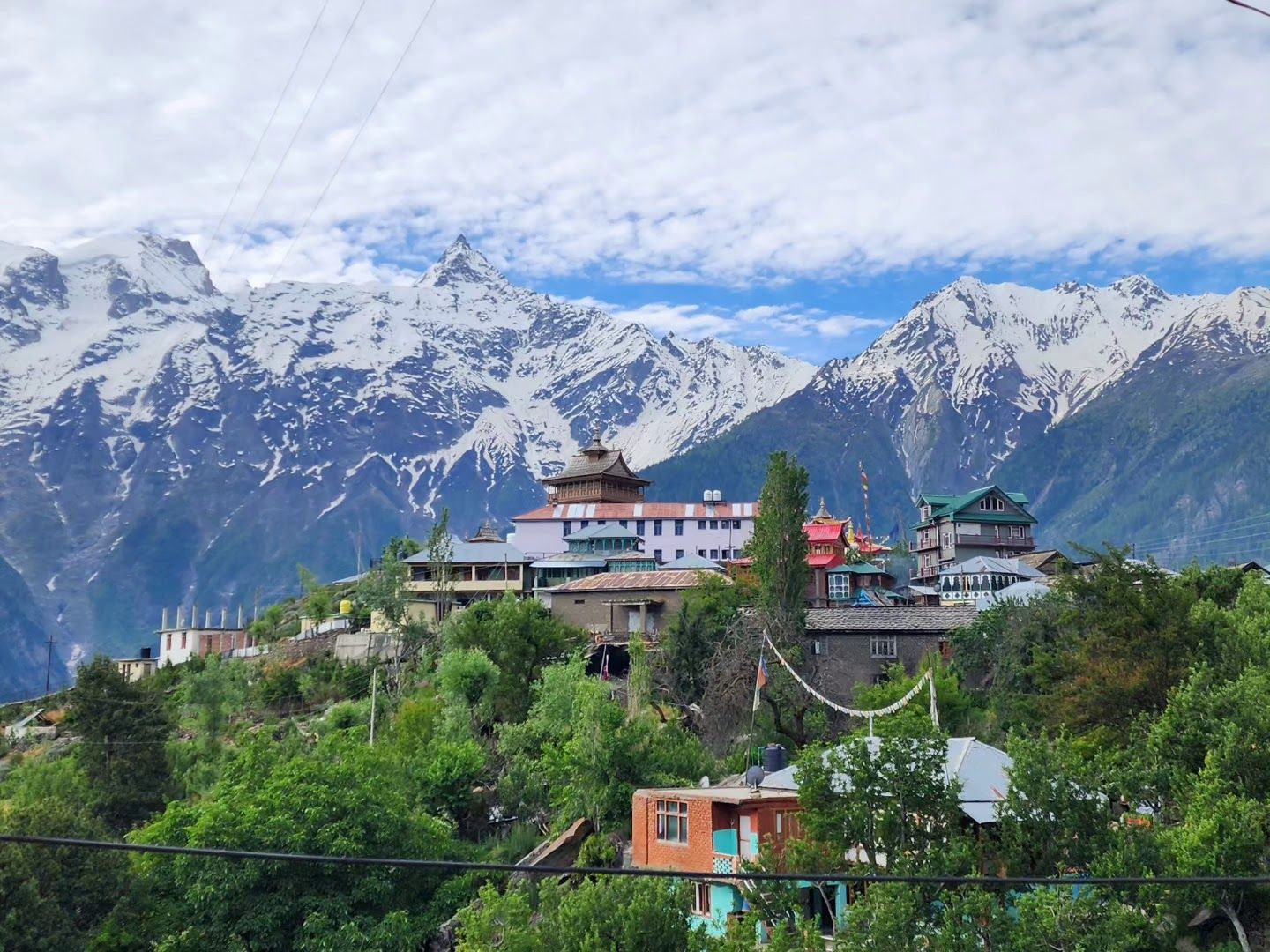
The valley surrounding Rakcham is rich in natural landmarks and cultural villages. Further up the road lies Chitkul, the last inhabited village on the old trade route toward the Indo-Tibet border, known for its traditional wooden houses and sweeping riverbed. Down the valley is Sangla, a bustling settlement set amid apple orchards and traditional wood-and-stone architecture, anchored by the ancient Kamru Fort.
Across the wider Kinnaur area, Kalpa offers clear views of the sacred Kinnaur Kailash massif across the Sutlej gorge. High mountain passes such as Rupin Pass, Buran Pass, and Borasu Pass also trace through the broader mountain ranges bordering the sanctuary, serving as legendary walking routes for experienced long-distance trekkers.
Tips for Your Visit
Because the sanctuary sits at a high elevation, acclimatization is critical. Spend a night or two at lower altitudes in the valley before attempting uphill trails, stay well hydrated, and avoid overexertion during your first day. Dress in layers, as mountain winds can cause temperatures to drop sharply even on sunny afternoons.
Keep all wildlife viewings non-intrusive by maintaining a safe distance and never attempting to feed wild animals. Trails in the sanctuary are rugged and largely unpaved, so sturdy walking boots with ankle support are essential. Visitors should always carry back their own waste to maintain the cleanliness of this fragile high-altitude environment, and verify local permit guidelines with forest authorities before entering backcountry zones.
Where to Stay around Rakcham
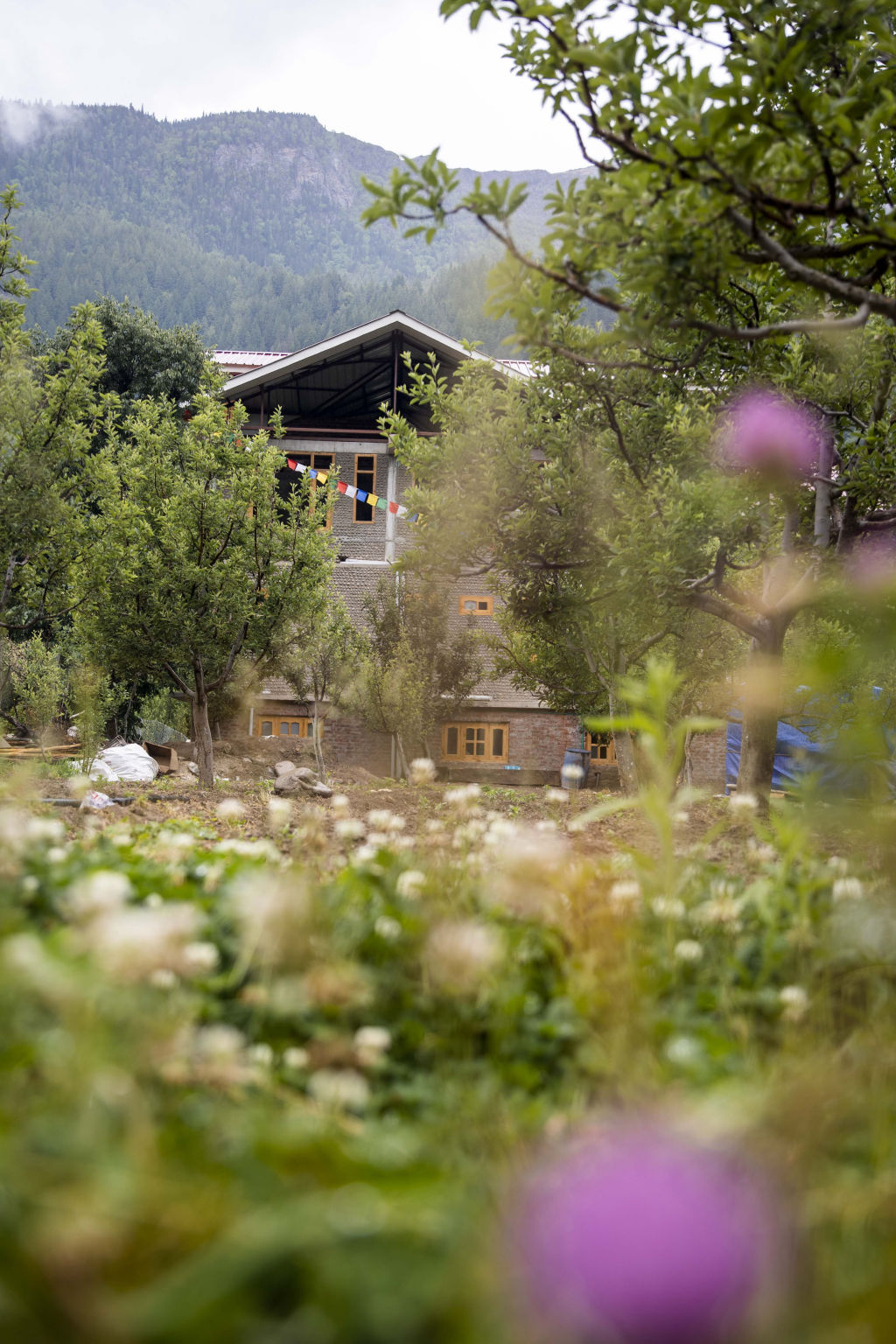
Accommodation options are concentrated in and around the nearby villages of Rakcham, Sangla, and Chitkul. These range from community-run homestays and rustic village guest lodges to riverside seasonal campsites that operate during the warmer months. Stays in the area offer a direct window into Kinnauri hospitality and regional cuisine. Travellers can find and book vetted homestays, nature retreats, and outdoor camps near Rakcham Wildlife Sanctuary on HireACamp.
Frequently asked questions
Where is Rakcham Wildlife Sanctuary located?
Rakcham Wildlife Sanctuary is located in the Baspa Valley of the Kinnaur district in Himachal Pradesh, situated between Sangla and Chitkul along the northern reaches of the Himalayas.
What animals can be spotted in the sanctuary?
The sanctuary is home to Himalayan species such as the snow leopard, blue sheep, brown bear, Himalayan black bear, and musk deer, alongside birds like the Himalayan monal.
Do I need a permit to visit Rakcham Wildlife Sanctuary?
While casual travel along the main valley road does not usually require special documentation, backcountry trekking or entering deeper core zones may require permission from local forest department checkpoints, which travellers should verify upon arrival.
Is the sanctuary accessible in winter?
Winter brings heavy snowfall and freezing temperatures to the upper Baspa Valley, which frequently leads to road closures and makes the interior trails inaccessible without specialized winter gear.
What should I pack for a trip to Rakcham?
Carry warm thermal layers, a windproof and waterproof outer jacket, sturdy hiking footwear, sun protection, personal medications, and a reusable water bottle to navigate the high elevation and changeable mountain weather.
Where you'll be
Kinnaur, HP · 3 stays nearby shown with prices
Stays near Rakcham Wildlife Sanctuary
Book a place to stay close by
More places near Rakcham Wildlife Sanctuary
Within 20 km


Built from 0 Instagram posts by 0 creators. Every tip links back to the post it came from, and where creators disagree we show both sides.






