
Mathi Temple
Temple near Chitkul, Himachal Pradesh
100 m from Chitkul
The nearest town, for stays, food and fuel.
Mathi Temple is a historic wooden shrine dedicated to Goddess Mathi, the presiding deity of Chitkul village near Sangla in Himachal Pradesh. Set amidst dramatic Himalayan peaks and the flowing Baspa River, it draws travellers and pilgrims seeking authentic mountain heritage and spiritual serenity. Visitors come to admire its classical Kath-Kuni architecture, intricate woodwork, and the distinctive cultural traditions of Kinnaur.
Getting there
By road
- From Chandigarh7 hr 30 min · 356 km
- From Ludhiana9 hr 25 min · 458 km
- From Dehradun9 hr 35 min · 473 km
- From New Delhi12 hr 10 min · 646 km
Typical drive times without traffic. Stations and airports from OLA Maps; distances and typical drive times from OpenStreetMap (© OpenStreetMap contributors); notes from creators' Reels.
About Mathi Temple
Written with AI from map data and general knowledge. Check prices and timings locally before you go.
About Mathi Temple and its Significance
Located in the quiet border village of Chitkul in Kinnaur, Himachal Pradesh, Mathi Temple is the spiritual heart of the Baspa Valley. The temple is dedicated to Goddess Mathi, the guardian deity worshipped with deep devotion by the local residents. Set against the backdrop of imposing snow-dusted Himalayan peaks and the gushing Baspa River, this sacred shrine stands as an enduring symbol of the living cultural traditions of the high mountain communities.
Visitors arriving at the temple are immediately struck by the tranquil ambience that envelops the village. For the people of Chitkul, Goddess Mathi is not merely an abstract icon but an active protector of their fields, livestock, and well-being. Travellers from across India make their way to this remote outpost to seek blessings, admire the centuries-old hill architecture, and soak in the raw, elemental beauty of the Kinnaur borderland.
Traditional Architecture of Mathi Temple
The architectural style of Mathi Temple exemplifies the indigenous building techniques of Kinnaur, known locally as Kath-Kuni. This traditional method involves interlocking layers of deodar timber and unchiselled stone without the use of mortar. Such construction provides remarkable resilience against frequent earthquakes, harsh winter freezes, and heavy snow loads that characterize high-altitude Himalayan valleys.
The shrine features a steeply pitched timber roof overlaid with grey slates that shimmer beneath the clear mountain sunshine. Intricate wood carvings adorn the pillars, doorframes, and outer eaves, portraying local motifs, floral patterns, and animal designs. An ornate courtyard surrounds the temple sanctum, paved with flat mountain stones where villagers gather during religious festivals and community meetings. The careful preservation of this wooden structure showcases the craftsmanship passed down through generations of Kinnauri artisans.
Read more
Legends and Local Lore of Goddess Mathi
Local folklore surrounds the arrival and worship of Goddess Mathi in the Baspa Valley. According to prevailing regional legends, the goddess embarked on an arduous journey from Vrindavan, travelling through Tibet, the Garhwal Himalayas, and various valleys of Kinnaur before choosing Chitkul as her permanent abode. Her arrival is believed to have brought fertility to the barren soil, safety from harsh mountain elements, and prosperity to the pastoral residents.
The deity is also considered an integral part of the regional pantheon, sharing sacred familial ties with other prominent deities of the Kinnaur and Shimla hills. During seasonal festivals, the palanquin carrying the goddess is brought out into the village square accompanied by the energetic cadence of local drums, trumpets, and brass cymbals. Villagers don their customary Kinnauri woollen attire and green velvet round caps to take part in circular community dances, offering a window into living mountain heritage.
Best Time to Visit Mathi Temple
The best time to visit Mathi Temple and the surrounding valley is from late spring to autumn, running from May to October. During the months of May and June, the weather is pleasant with clear blue skies, daytime temperatures suitable for wandering, and blooming mountain meadows. Snow on the high passes begins to thaw, and the roads through Kinnaur are typically open and stable.
Monsoon brings occasional heavy rainfall and landslides in the lower reaches of Himachal Pradesh during July and August, requiring travellers to monitor road advisories. By September and October, the autumn season transforms the entire valley into a tapestry of golden poplars, crisp cool air, and unobstructed vistas of the Kinnaur Kailash range. Winter, starting from late November through March, brings sub-zero temperatures and heavy snowfall, frequently cutting off road connectivity to Chitkul and leaving the temple blanketed in deep snow.
How to Reach Mathi Temple
Mathi Temple is situated in Chitkul, the last inhabited village on the old Indo-Tibetan trade corridor in the Baspa Valley, accessible via Sangla in Kinnaur. Travellers usually begin their journey from Shimla, which is connected by rail and air to major Indian hubs. From Shimla, the route follows National Highway 5 along the winding Sutlej River through Rampur, Jeori, and Karcham, where the road branches off toward Sangla and Chitkul.
The drive along the Hindustan-Tibet road presents steep river gorges, hanging cliffs, and dramatic landscape shifts from pine-covered hills to rugged mountain terrain. Buses and private taxis operate regularly between Shimla, Reckong Peo, and Sangla, with connecting local transport reaching Chitkul when road conditions permit. Visitors can also approach Kinnaur from Chandigarh, which serves as a major gateway with an international airport and reliable rail links. Because mountain roads can be challenging and weather-dependent, planning for gradual acclimatization and buffer travel days is recommended.
Places to Explore Around Chitkul and Sangla
A visit to Mathi Temple is often paired with exploring the pristine landscapes of the wider Kinnaur region. The Baspa River flows gently alongside the village, offering quiet stretches of riverbank surrounded by apple orchards, potato fields, and pine forests. Trekkers frequently venture on routes such as the hike between Rakchham and Chitkul, which winds through alpine meadows and birch groves.
Further down the valley lies the historic town of Sangla and the ancient Kamru Village, famed for its towering multi-storey fort dedicated to Goddess Kamakhya Devi. Across the Sutlej valley, the picturesque settlement of Kalpa offers panoramic views of the sacred Kinnaur Kailash peak and its neighbouring summits such as Jorkanden. For seasoned high-altitude wilderness enthusiasts, trails extending toward Rakcham Wildlife Sanctuary, Sangla Kanda Lake, and challenging mountain routes like Borasu Pass offer untamed vistas of Himalayan glaciers and ridges.
Tips for Visiting and Where to Stay
When planning a trip to Mathi Temple, it is essential to dress respectfully and remove footwear before entering the temple courtyard or sanctum, as observed in high-altitude Himachali shrines. Photography inside the inner sanctum is often restricted out of deference to religious customs, so visitors should always ask local guardians for permission before taking photographs. Carrying sufficient warm clothing, even in summer, is advised due to sudden drops in temperature after sunset.
The village of Chitkul and the nearby hamlet of Rakchham offer a peaceful alternative to commercial town centers. Accommodations in the region range from riverside campsites and rustic wooden cottages to welcoming family-run homestays where guests can experience authentic Kinnauri hospitality and homemade meals. Travellers looking for curated outdoor retreats, scenic campsites, and local homestays in and around Sangla can find suitable bookings directly on HireACamp.
Frequently asked questions
Where is Mathi Temple located?
Mathi Temple is situated in Chitkul village in the Baspa Valley near Sangla, within the Kinnaur district of Himachal Pradesh.
What architecture style is seen at Mathi Temple?
The temple is built in the traditional Kath-Kuni architectural style, combining interlocked timber beams, slate roofing, and stone without mortar, adorned with hand-carved woodwork.
What is the best season to visit Mathi Temple?
The ideal months to visit are from May to October when mountain roads are accessible and the weather is pleasant. Autumn months like September and October offer especially clear mountain views.
Can tourists enter the inner sanctum of Mathi Temple?
Visitors can explore the outer premises and courtyard, but access to the inner sanctum is strictly governed by local custom. It is best to check locally with the temple caretakers regarding entry and photography permissions.
Where can I stay when visiting Mathi Temple?
Travellers can stay in village homestays, riverside camps, and nature retreats in Chitkul, Rakchham, or Sangla. You can explore and book verified stays on HireACamp.
Where you'll be
Sangla · 3 stays nearby shown with prices
Stays near Mathi Temple
Book a place to stay close by
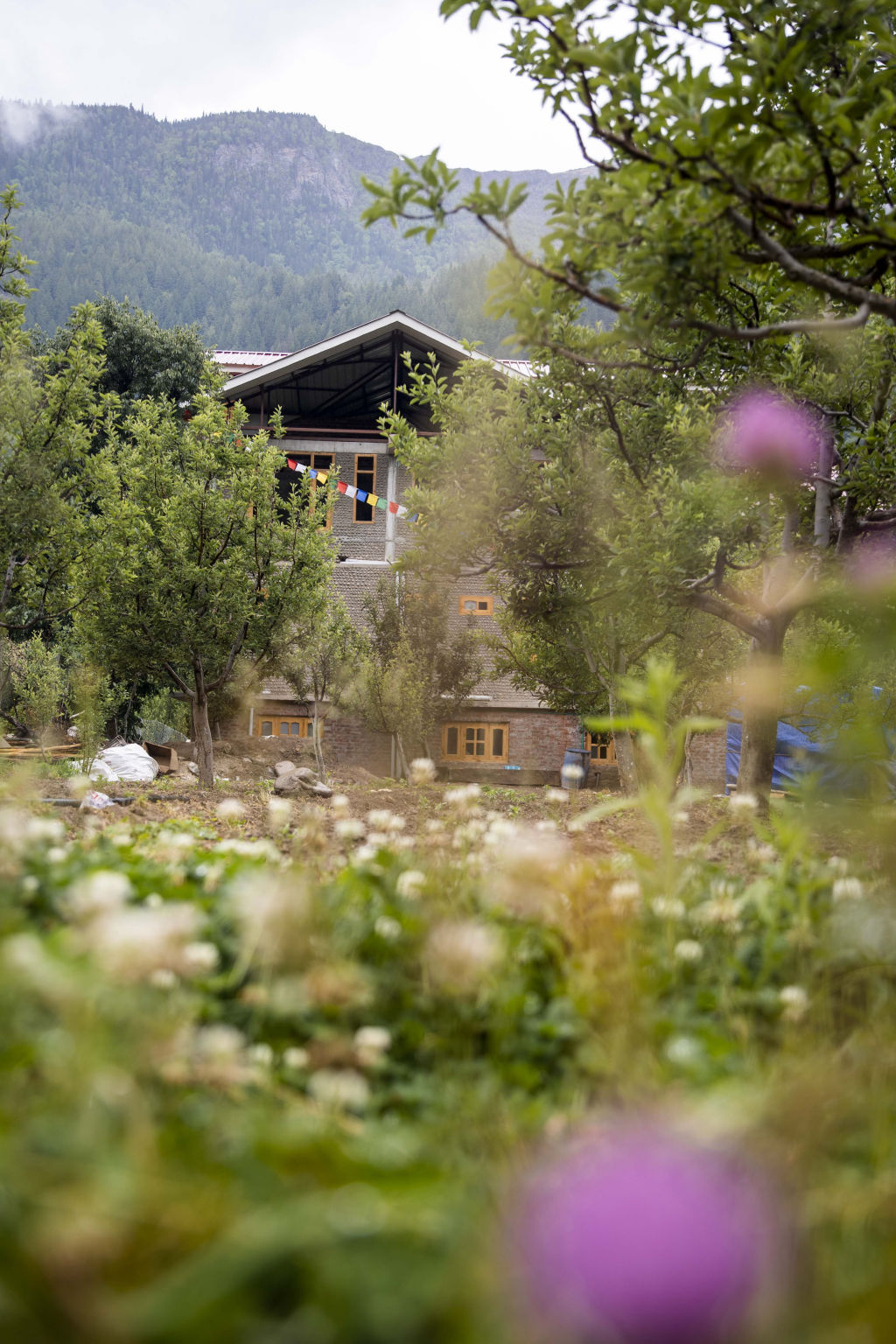
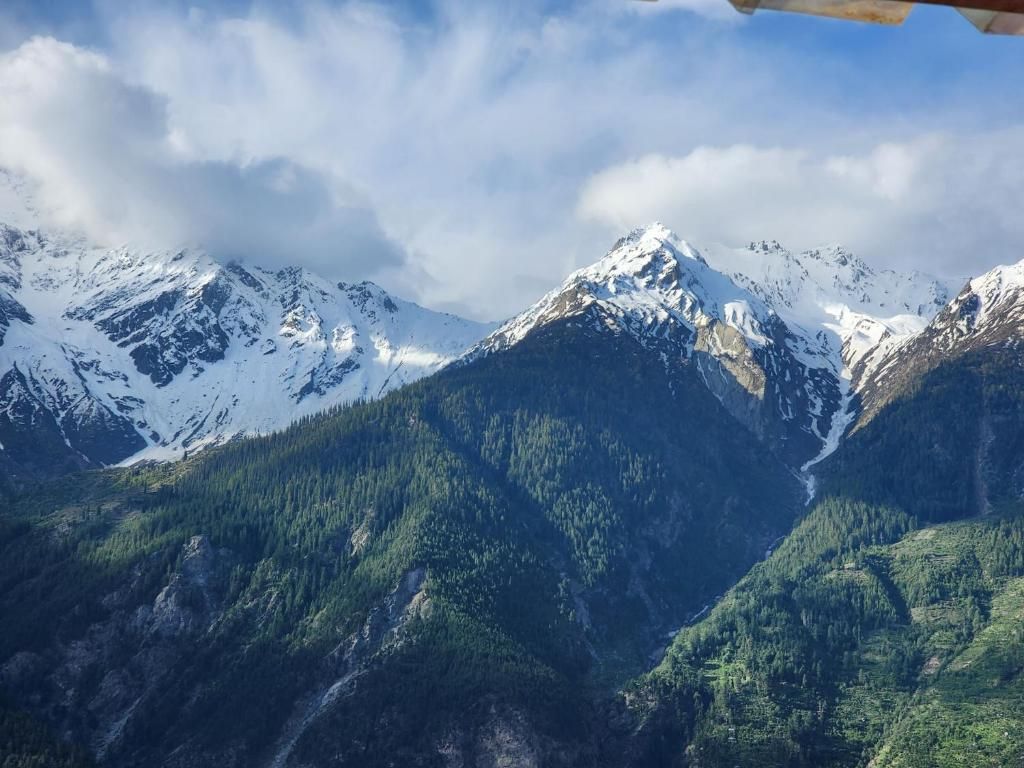
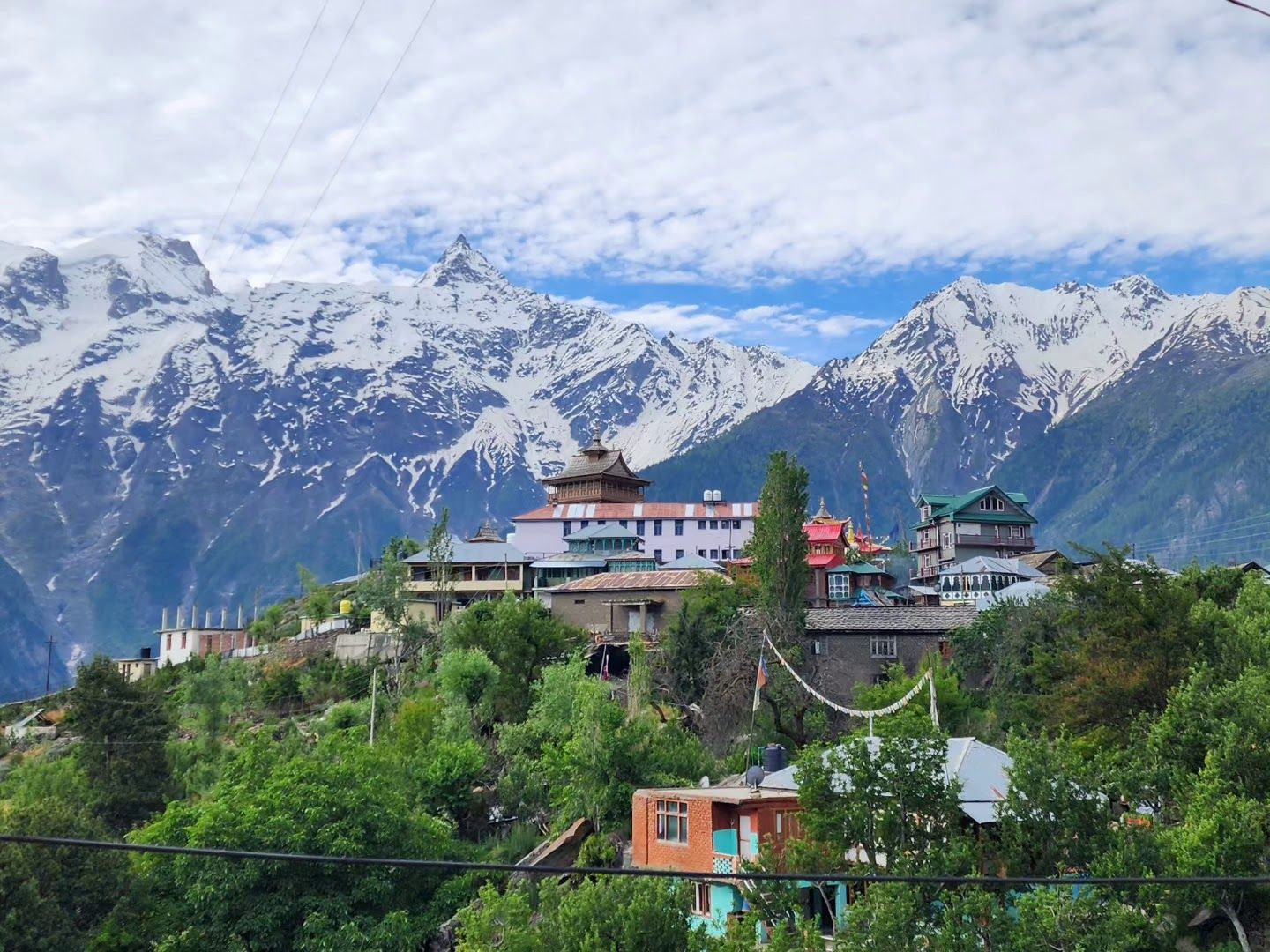
More places near Mathi Temple
Within 20 km


Built from 0 Instagram posts by 0 creators. Every tip links back to the post it came from, and where creators disagree we show both sides.






