
Swargarohini
Peak near Yamunotri, Uttarakhand
14 km from Yamunotri
The nearest town, for stays, food and fuel.
Swargarohini is a prominent snow-capped massif in the Saraswati Range of the Garhwal Himalayas in Uttarakhand, India. Composed of several dramatic peaks, the mountain holds deep mythological importance as the legendary stairway to heaven taken by the Pandavas in the epic Mahabharata. Hikers, pilgrims, and mountaineers travel through its surrounding valleys to witness its sheer granite walls, hanging glaciers, and pristine alpine meadows.
Getting there
By road
- From Dehradun3 hr 40 min · 164 km
- From Chandigarh6 hr 5 min · 290 km
- From New Delhi7 hr 15 min · 418 km
- From Ludhiana8 hr 30 min · 403 km
Typical drive times without traffic. Stations and airports from OLA Maps; distances and typical drive times from OpenStreetMap (© OpenStreetMap contributors); notes from creators' Reels.
About Swargarohini
Written with AI from map data and general knowledge. Check prices and timings locally before you go.
Understanding Swargarohini
Swargarohini is a dramatic massif situated in the Uttarkashi district of Uttarakhand, dominating the skyline above the Har Ki Dun valley and the Tons river basin. The name translates directly to the 'Path to Heaven' or 'Stairway to Heaven'. In Hindu mythology, this ridge is believed to be the exact ascent that the five Pandava brothers, Draupadi, and a faithful dog embarked upon to attain heaven in bodily form. Legend holds that only Yudhishthira, accompanied by the dog who was the god Dharma in disguise, succeeded in reaching the celestial realm.
The mountain features multiple crests, with Swargarohini I being the highest and most formidable. Its jagged ridges, steep icefalls, and sheer vertical faces make it a prized visual highlight for trekkers exploring western Garhwal and a severe technical challenge for seasoned mountaineers. Glaciers draping its flanks feed alpine streams that eventually merge into major tributaries of the Yamuna and Ganga river systems, giving the region tremendous ecological value.
The landscape around Swargarohini
The terrain surrounding Swargarohini transitions from dense coniferous woods to wild high-altitude tundra. At lower elevations along the approaches, trails wind through ancient forests of deodar, blue pine, silver fir, and fragrant birch. In spring and early summer, rhododendron groves flush in shades of scarlet and pink across the slopes before opening up into vast grassy bugyals carpeted with wildflowers.
As you gain altitude, the green valleys yield to moraines, scree slopes, and sprawling glacial basins. The massif stands in striking proximity to other legendary peaks like Bandarpunch, creating a panoramic wall of snow and ice. This harsh high-altitude zone forms part of the Govind Pashu Vihar National Park and Sanctuary, a protected reserve where wildlife like the Himalayan snowcock, musk deer, bharal or blue sheep, and the elusive snow leopard inhabit the secluded ridges.
Read more
Trekking routes and vantage points
While ascending the summit of Swargarohini is restricted to technical mountaineering expeditions with specialized gear, several classic trekking trails offer magnificent views of the massif. The most famous vantage point is from the Har Ki Dun valley, where Swargarohini stands as the dramatic backdrop to the amphitheatre-like valley floor. Trekkers often extend their route from Har Ki Dun towards the secluded glacial lake of Maninda Tal or continue towards Jaundhar Glacier to view the peak at close quarters.
Another spectacular route leads towards Ruinsara Tal, a pristine high-altitude lake nestled just a few kilometres from the base of the massif. From Ruinsara Tal, trails climb further to Kyarkoti, a high alpine pasture where the eastern and southern faces of Swargarohini can be admired in all their rugged grandeur. These routes involve multiple days of wilderness camping and walking along rugged river gorges, demanding steady endurance.
Best time to visit Swargarohini
The trekking season around Swargarohini is divided into two distinct windows: late spring to early summer, and the post-monsoon autumn months. From May to June, daytime temperatures are comfortable, trails are clear of deep snow, and the alpine valleys bloom with vibrant flora. Streams are active with meltwater, and the contrast between lush green bugyals and snowy summits is striking.
Autumn, from September to November, brings crisp mountain air and the most stable, crystal-clear skies of the year. This period is favoured by photographers and high-altitude trekkers seeking sharp visibility of Swargarohini and neighboring summits. Winter brings heavy snowfall, causing trails to close and temperatures to drop well below freezing, making high-altitude passes completely impassable without winter mountaineering expertise. The monsoon months of July and August should be avoided due to landslides, heavy rain, and slippery rocky tracks.
How to reach Swargarohini
Reaching the base approaches of Swargarohini requires a combination of road travel and multi-day trekking. The nearest major railhead is in Dehradun, and the closest airport is Jolly Grant Airport near Dehradun. From Dehradun, travellers can hire local cabs or take state buses through Mussoorie, Nainbagh, Purola, and Mori to reach Sankri, a remote village that serves as the primary base camp for treks entering Har Ki Dun and Govind Pashu Vihar.
The drive from Dehradun to Sankri takes around eight to ten hours over mountain roads following the Yamuna and Tons rivers. From Sankri, vehicle access ends at small trailheads such as Taluka or Osla. From the roadhead, visitors must hike on foot for several days, crossing traditional wooden villages like Osla, Seema, and Gangaad before reaching the high valley floors from which Swargarohini rises.
Places to explore nearby
The region around Swargarohini is rich in natural and cultural attractions. Ruinsara Tal is a serene glacial lake located merely five kilometres from the massif, surrounded by rhododendron bushes and steep rock towers. Nearby lies the sacred Yamunotri Temple and the ancient Kharsali Shani Temple, which draw pilgrims to the source of the holy Yamuna river.
Adventurous hikers can explore Borasu Pass, an alpine mountain route that connects the Har Ki Dun valley with the Baspa Valley in Kinnaur, Himachal Pradesh. The vast protected wilderness of Govind Pashu Vihar National Park and Sanctuary covers the surrounding valleys, safeguarding endangered Himalayan flora and fauna. Further afield across adjacent ridges lie the sparkling waters of Dodital and the expansive high-altitude meadows of Dayara Bugyal.
Tips for your visit
Exploring the approaches to Swargarohini involves sustained high-altitude trekking, so physical fitness and proper acclimatization are paramount. Plan your itinerary to include gradual ascent days and rest stops to prevent Acute Mountain Sickness. Because weather in the Himalayas changes rapidly, carry robust multi-layer clothing including thermal base layers, a fleece jacket, a windproof outer shell, and waterproof gear.
Sturdy, broken-in trekking boots with good ankle support are essential for crossing boulder fields and loose scree. Pack water purification tablets or a portable filter, a comprehensive first aid kit, high-energy trail snacks, and sun protection including high-SPF sunscreen and UV-protective sunglasses. Always hire an experienced local guide who understands the regional topography, weather patterns, and safety protocols, and check locally for the latest trail conditions and forest department permissions before departing.
Where to stay
Accommodation directly under Swargarohini is wilderness-based, consisting of designated backcountry campsites along the trekking paths at places like Har Ki Dun, Kalkattiyadhar, and near Ruinsara Tal. Trekkers carry their own camping tents and equipment or travel with guided groups that set up camps along the route.
In base villages such as Sankri, Osla, and Mori, traditional wooden homestays and modest guesthouses provide warm meals, local hospitality, and basic rooms for travellers before and after their mountain journeys. You can explore a variety of scenic campsites, homestays, and outdoor stays throughout Uttarakhand on HireACamp to plan your mountain adventure.
Frequently asked questions
Where is Swargarohini located?
Swargarohini is located in the Saraswati Range of the Garhwal Himalayas in Uttarkashi district, Uttarakhand, overlooking the Har Ki Dun and Tons river valleys.
What is the mythological importance of Swargarohini?
According to Hindu mythology, Swargarohini is the celestial stairway that the Pandava brothers and Draupadi climbed to reach heaven, with Yudhishthira being the only mortal to complete the ascent.
Can beginners climb Swargarohini?
Reaching the actual summit of Swargarohini is an extremely challenging technical climb meant solely for experienced mountaineers. However, beginner and intermediate trekkers can hike through the Har Ki Dun or Ruinsara Tal valleys to enjoy clear views of the massif.
What is the best season to trek near Swargarohini?
The ideal periods to trek near Swargarohini are late spring to early summer from May to June, and post-monsoon autumn from September to November, when skies are clear and trails are stable.
How do you reach the base of Swargarohini?
You can travel by road from Dehradun to the mountain village of Sankri, followed by a multi-day trek through villages like Taluka and Osla into the Har Ki Dun or Ruinsara valleys.
Where you'll be
1 stay nearby shown with prices
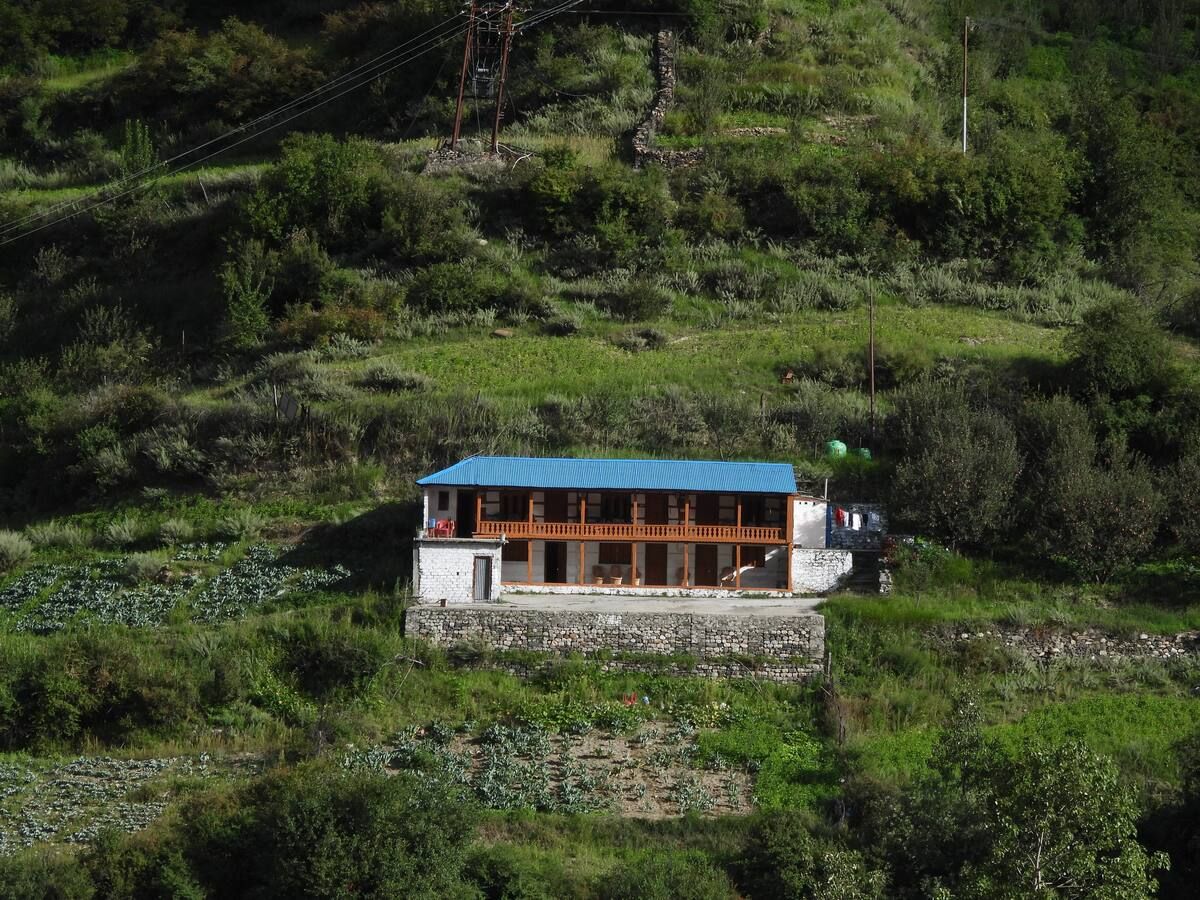
Stays near Swargarohini
Book a place to stay close by
More places near Swargarohini
Within 20 km


Built from 0 Instagram posts by 0 creators. Every tip links back to the post it came from, and where creators disagree we show both sides.






