
Chandanwari
Destination in Ladakh
Chandanwari is a high-altitude alpine valley situated in the rugged mountain ranges of northern India, best known as the historic starting point of the revered Amarnath Yatra pilgrimage. Framed by steep snow-dusted ridges, glacial streams, and sweeping coniferous forests, it offers a serene mountain escape away from urban bustle. Travellers visit Chandanwari to experience its dramatic river landscapes, explore surrounding alpine trails, and marvel at natural snow formations.
Getting there
About Chandanwari
Written with AI from map data and general knowledge. Check prices and timings locally before you go.
An Introduction to Chandanwari
Chandanwari sits at an elevation of roughly 2,895 metres above sea level, nestled within deep mountain valleys where cold glacial streams carve through boulder-strewn meadows. The area functions as a natural gateway between lower forested valleys and the barren, windswept high-altitude passes that ascend toward the greater Himalayan ranges. For centuries, this rugged valley has been recognized primarily as the base camp and commencement point for the annual pilgrimage to the sacred Shri Amarnath Cave Temple.
Beyond its religious prominence, Chandanwari attracts nature lovers, road trippers, and mountain enthusiasts drawn to its dramatic natural beauty. Meltwater channels roar through the gorge, fed by high-altitude snowfields and surrounding glaciers. During early summer, remnants of winter snow bridges span across the streams, offering a rare glimpse of raw mountain geography. The crisp air, dramatic changes in light over jagged rock peaks, and vast open skies create an authentic Himalayan sanctuary.
Things to Do in and Around Chandanwari
The primary activity around Chandanwari is exploring its pristine alpine trails. Walking along the riverbanks gives you an intimate view of the roaring glacial water and the surrounding pine-clad slopes. Travellers frequently take leisure walks along the valley floor to photograph snow bridges, explore quiet riverbeds, and watch mountain ponies grazing on alpine grasses. Picnicking by the banks of the cold streams is a common pastime during the sunny summer months.
For more adventurous explorers, Chandanwari serves as a springboard for demanding treks into the higher wilderness. Seasoned trekkers often branch off into routes leading toward high-altitude alpine lakes such as Tulian Lake and Sorus Nag. These trails cut through steep moraines, birch thickets, and remote meadows that remain untouched by motorized transport. Even short rambles uphill from the main valley road reward hikers with expansive panoramic vistas of towering, snow-capped ridges and sheer granite cliffs.
Read more
Places to Visit Nearby
A short drive down the valley brings you to Betaab Valley, known for its verdant pastures, crystal-clear streams, and surrounding fir forests. It provides a gentler, park-like landscape that contrasts with the rugged scree and glaciers of Chandanwari. Travellers looking to experience local water bodies can also plan excursions toward Tulian Lake and Sorus Nag, both resting high above the tree line amidst dramatic mountain amphitheaters.
Those interested in the region's cultural and architectural history can venture toward Martand Surya Temple and Ziyarat Shareef Sakhi Zain Ud Din Wali. The ruins of the Martand Sun Temple offer a haunting and magnificent look into early stone temple architecture, set against a wide plateau. Quiet retreats like Chatpal, Kutihar Valley, and Aripal Springs offer alternative escapes where clear spring waters and secluded village trails allow for unhurried exploration away from crowded routes.
Best Time to Visit Chandanwari
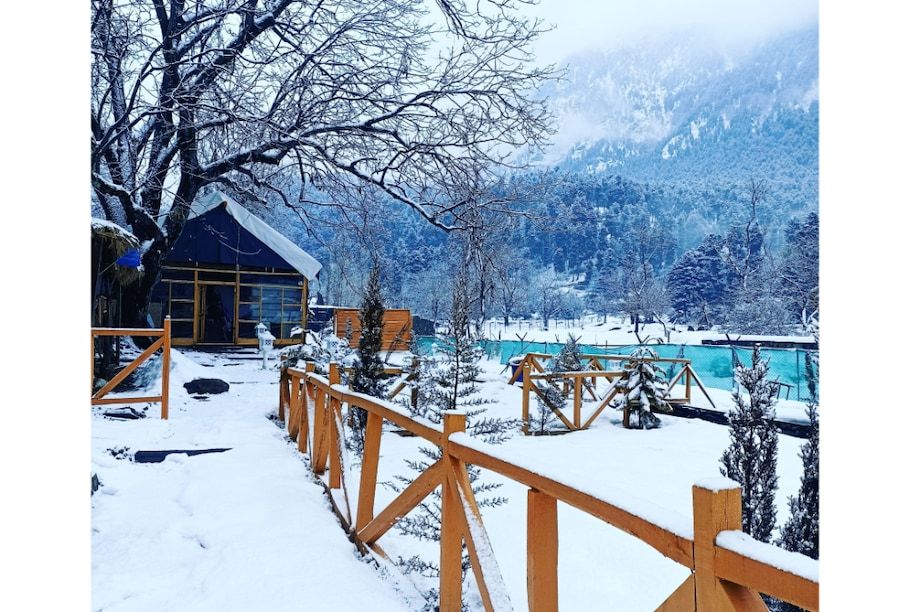
The best time to visit Chandanwari is between April and September, when the high mountain passes are clear of heavy snow and the weather is pleasant. During April and May, substantial snow covers large sections of the valley, making it a favourite period for travellers wanting to witness snow bridges and winter remnants under warm, clear sunshine. Daytime temperatures during these months are refreshing, though evenings become remarkably cold.
From late June through August, the valley transitions into vibrant green, and the Amarnath Yatra pilgrimage takes place, bringing organized transit, temporary settlements, and a bustling energy to the valley. September brings quiet autumn tones, crisp mornings, and exceptionally clear views of the distant peaks. By late October and November, winter sets in rapidly, bringing sub-zero temperatures, frost, and eventually heavy snowfall that restricts vehicular movement and closes regular visitor access until spring.
How to Reach Chandanwari
Reaching Chandanwari involves travelling through the central hubs of the region by road. The nearest major airport and railway hubs connect travellers to the surrounding valleys, after which you must proceed by private taxi, shared cab, or regional bus services. The road leading to Chandanwari winds through scenic mountain corridors alongside alpine rivers, gradually gaining elevation as it leaves lower settlements behind.
The final stretch of road ascending into Chandanwari is narrow, carved into cliff sides, and subject to mountain traffic, particularly during peak pilgrimage periods. Weather conditions can change rapidly in these high valleys, occasionally causing loose gravel or road repairs. It is advisable to travel during daylight hours and verify local road status before setting out, especially during the early spring snowmelt or the mid-summer monsoon.
Tips for Your Visit
Because Chandanwari lies at nearly 3,000 metres above sea level, acclimatization is important. Take your time walking, stay properly hydrated, and avoid overexertion during your first few hours in the valley. The high altitude brings strong solar radiation, so carry broad-spectrum sunscreen, sunglasses, and a wide-brimmed hat to protect against sunburn during clear weather.
Weather in the mountains can shift in a matter of minutes. Always dress in layers, carrying a warm fleece or windproof jacket even when visiting on warm summer afternoons. Sturdy trekking boots or shoes with good tread are essential, as riverside boulders and dirt trails can be slippery. Lastly, high alpine ecosystems are fragile. Carry all plastic waste and personal trash back with you to keep the streams and meadows clean.
Where to Stay in Chandanwari
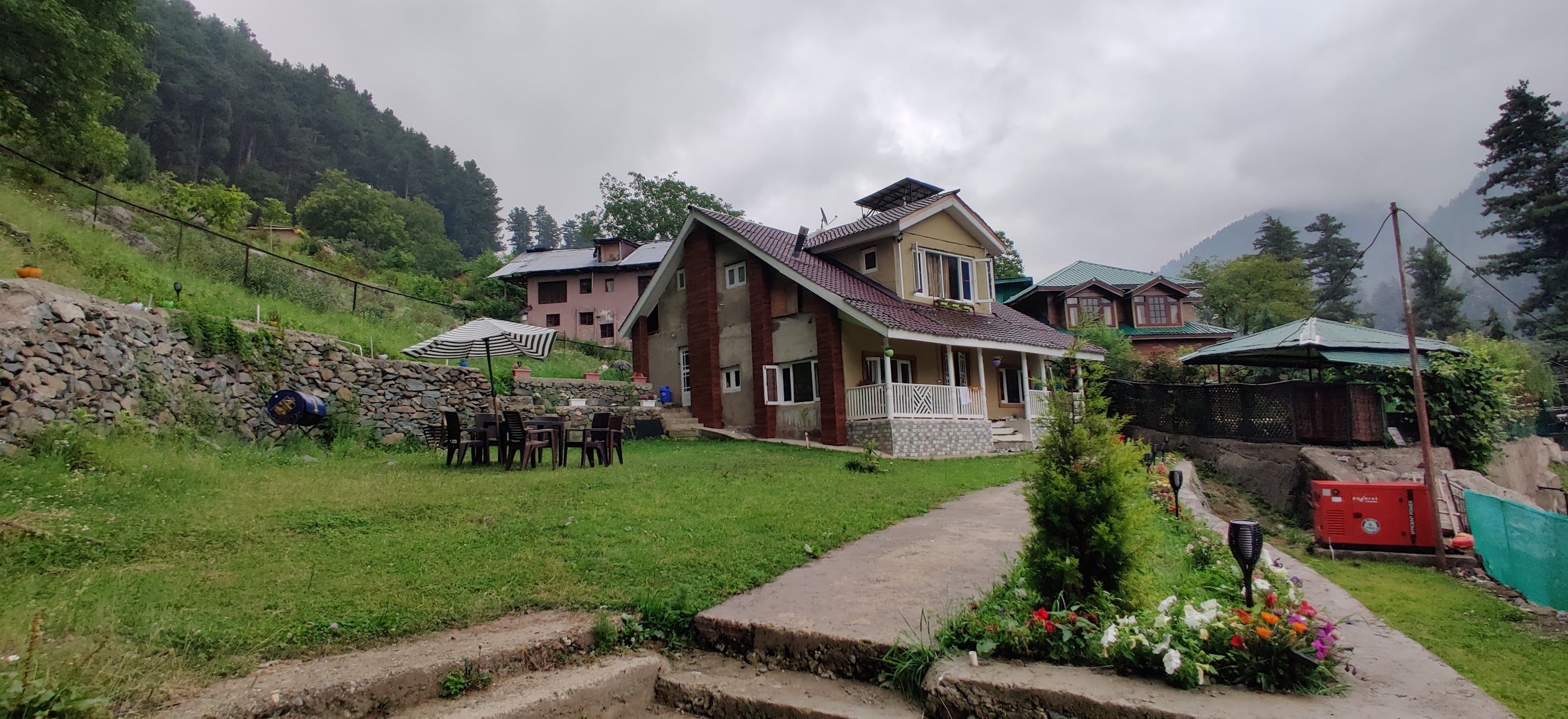
Accommodations directly in Chandanwari are typically basic and seasonal, catering primarily to trekkers, pilgrims, and day visitors. During peak months, temporary tented colonies and simple shelters appear along the base camp zone. For travellers looking for more permanent comforts, the lower adjoining valleys and nearby towns offer a wider array of lodgings, ranging from traditional wooden riverside cottages to family-run homestays.
If you prefer falling asleep to the sound of flowing glacial water and waking up under towering alpine peaks, you can explore scenic camps, comfortable homestays, and outdoor getaways in and around the region on HireACamp. Booking in advance is highly recommended during the summer pilgrimage window when demand across the valley peaks.
Frequently asked questions
What is Chandanwari famous for?
Chandanwari is most famous as the official starting point of the holy Amarnath Yatra pilgrimage. It is also celebrated for its spectacular glacial river scenery, snow bridges, and hiking routes into high-altitude mountain valleys.
Can I see snow in Chandanwari?
Yes, snow is typically visible in Chandanwari from early spring through June, with snow bridges and frozen patches lingering along the stream beds even into the summer.
How far is the Shri Amarnath Cave Temple from Chandanwari?
The Shri Amarnath Cave Temple lies approximately 13 kilometres in a straight line from Chandanwari, though the actual walking and trekking pilgrimage route across the rugged mountain terrain is longer and typically takes multiple days.
Is Chandanwari accessible throughout the year?
No, Chandanwari is generally inaccessible during deep winter due to heavy snowfall and icy roads. The valley opens up to regular road traffic in the spring, typically around April or May, and remains accessible through autumn.
What should I wear while visiting Chandanwari?
It is best to dress in layers including thermal undergarments, a warm fleece or down jacket, and a windbreaker. Sturdy shoes with reliable grip are recommended for walking on rocky riverbeds and uneven terrain.
Where you'll be
2 stays nearby shown with prices
Stays near Chandanwari
Book a place to stay close by
Things to do in Chandanwari
45 places creators recommend within 30 km
Built from 0 Instagram posts by 0 creators. Every tip links back to the post it came from, and where creators disagree we show both sides.






