
Har Nag
Lake near Chandanwari, Jammu and Kashmir
7.4 km from Chandanwari
The nearest town, for stays, food and fuel.
Har Nag is a remote high-altitude alpine lake nestled amidst the craggy ridges of Jammu and Kashmir, accessible from the mountain hub of Pahalgam. Fed by glacial runoffs and seasonal snowmelt, the lake sits enclosed by towering cliffs and sweeping scree slopes. Adventure seekers and trekkers venture to Har Nag to experience the raw wilderness, silent alpine valleys, and pristine Himalayan waters.
Getting there
About Har Nag
Written with AI from map data and general knowledge. Check prices and timings locally before you go.
About Har Nag Lake
Har Nag is an alpine body of water tucked into the higher reaches of the mountain ranges branching across Jammu and Kashmir. Sitting well above the tree line, the lake is fed primarily by glacial melts, snow beds, and perennial mountain springs. Its waters shift in tone from steely gray under overcast skies to deep cerulean and turquoise when illuminated by high-altitude sunlight.
Unlike lower-altitude tourist destinations, Har Nag remains secluded from heavy foot traffic due to its demanding approach. The lake bed is framed by precipitous rocky buttresses, steep talus slopes, and patches of resilient alpine grasses. For long-distance hikers and those fascinated by off-the-beaten-path water bodies, Har Nag provides an unembellished glimpse into the untamed landscape of the Western Himalayas.
The Trekking Route and Mountain Terrain
Reaching Har Nag requires crossing undulating trails that wind through boulder-strewn terrain, high mountain meadows, and narrow ridgelines. Trekkers typically set off from trailheads in the greater Pahalgam region, gradually ascending away from pine and fir forests toward open, wind-scoured pastures. Along the way, the path navigates glacial moraines, crystalline alpine streams, and loose scree.
Because the trail involves sustained uphill walking and significant elevation changes, a solid level of physical fitness is necessary. The lack of commercial infrastructure along the route means that hikers must be self-reliant, carrying their own survival gear, food, and navigational tools. Trails can occasionally fade into rocky slopes or be obscured by snow patches, making local trekking guides invaluable for route-finding.
Read more
Flora and Wildlife of the High Valleys
The route to Har Nag passes through distinctly layered ecological zones. The lower valleys are cloaked in dense stands of deodar, spruce, and silver fir, interspersed with clear mountain streams. As elevation increases, the arboreal cover yields to alpine birch and juniper scrub, which eventually thins out completely to expose fragile alpine tundra characterized by saxifrages, gentians, and wild mountain blooms during the short flowering season.
Wildlife in this high-altitude realm has adapted to severe weather and isolated habitats. Trekkers with a keen eye may spot Himalayan marmots basking on granite boulders, as well as agile mountain ungulates such as the musk deer or ibex grazing on steep cliffs. Birdlife includes raptors like the bearded vulture and golden eagle soaring on thermal drafts, alongside alpine choughs and snow partridges foraging along rocky ledges.
Best Time to Visit Har Nag
The window for visiting Har Nag is relatively narrow and tightly governed by seasonal weather. Midsummer, spanning July through early September, offers the most favorable trekking conditions. During this brief spell, winter snow clears from the mountain passes, daytime temperatures in the valleys are comfortable, and the alpine pastures erupt into green hues.
By late September, temperatures drop sharply, and frost coats the ground overnight. Trekking becomes increasingly perilous as early winter blizzards can sweep in without warning. From late autumn through to late spring, Har Nag is locked in ice and blanketed by heavy snow, making high-altitude trails impassable for general trekking. Always check prevailing weather conditions locally before embarking on the ascent.
Essential Tips and Packing Guide
Undertaking a high-altitude expedition to Har Nag demands thorough preparation. Hikers should pack a dependable three-layer clothing system, including moisture-wicking base layers, an insulating fleece or down jacket, and a windproof, waterproof outer shell. Sturdy trekking boots with deep lugged soles and ankle support are critical for traversing uneven scree, moraines, and wet rocks.
Acclimatization must never be rushed. Spending an extra night at intermediate elevations helps prevent acute mountain sickness. Hikers must carry portable water purification tablets or filters to treat stream water along the way. Additionally, pack a fully equipped first-aid kit, a lightweight alpine tent, a sleeping bag rated for sub-zero temperatures, reliable navigation gear, and enough high-calorie rations to cover unexpected weather delays.
Exploring Nearby Attractions around Pahalgam
The broader area surrounding Har Nag is rich in cultural landmarks, alpine tarns, and scenic mountain settlements. Pahalgam serves as the primary gateway, offering scenic walks, traditional Kashmiri bazaars, and access to heritage sites such as the ancient Mamleshwar Temple and Gauri Shankar Mandir. Further along the valley, Chandanwari serves as a well-known base camp and starting point for trails venturing deep into the mountains.
Trekkers looking for further mountain lake excursions can plan ascents to neighboring high-altitude water bodies like Tulian Lake, Doda Sar, and Muhwar Sar. These lakes, each settled in distinct cirques and hanging valleys, present their own set of trekking challenges and offer panoramic vistas across the Great Himalayan ranges.
Where to Stay near Har Nag
At Har Nag itself, there are no permanent settlements, guesthouses, or established lodges. Anyone planning an overnight stay at the lake must engage in self-sufficient wilderness camping, bringing along all necessary gear and packing out all personal waste to preserve the fragile high-altitude environment.
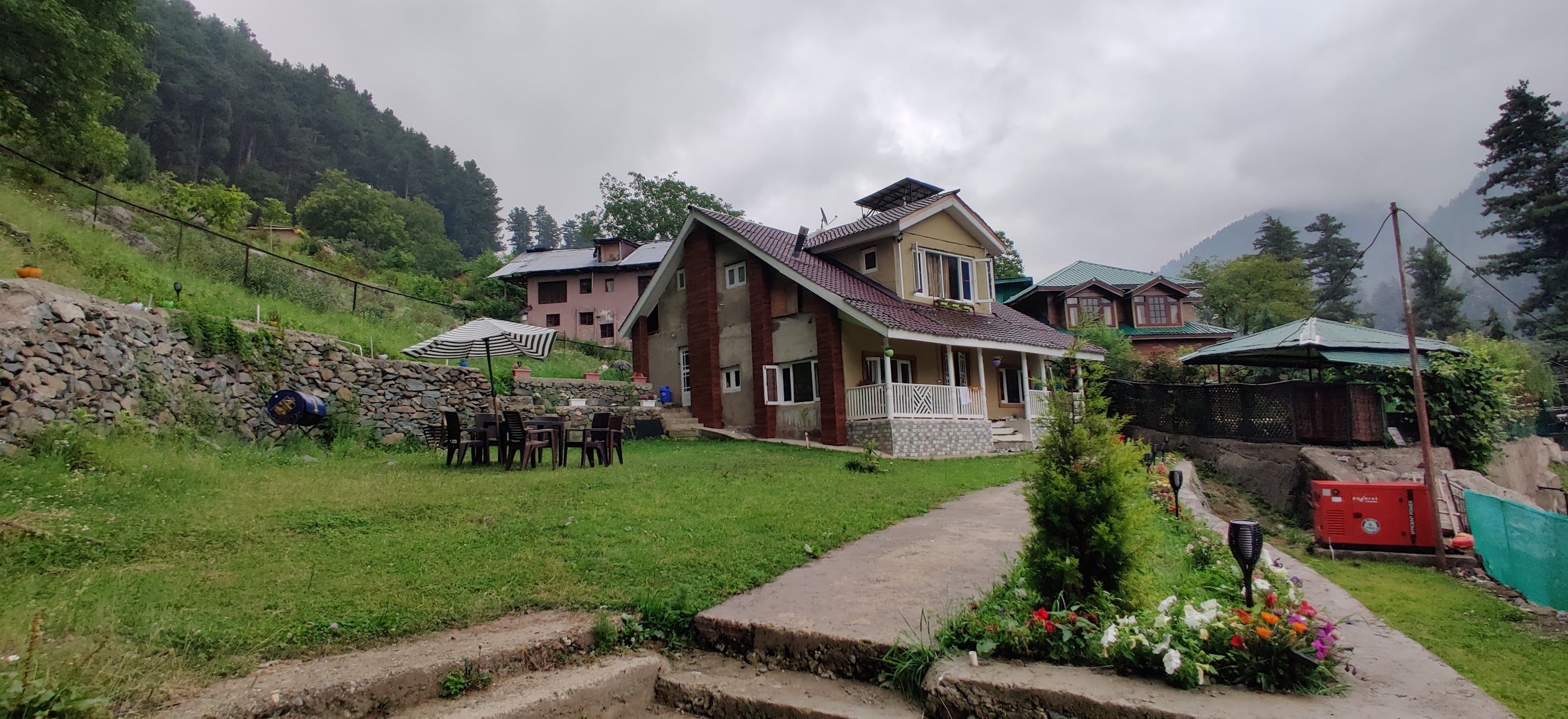
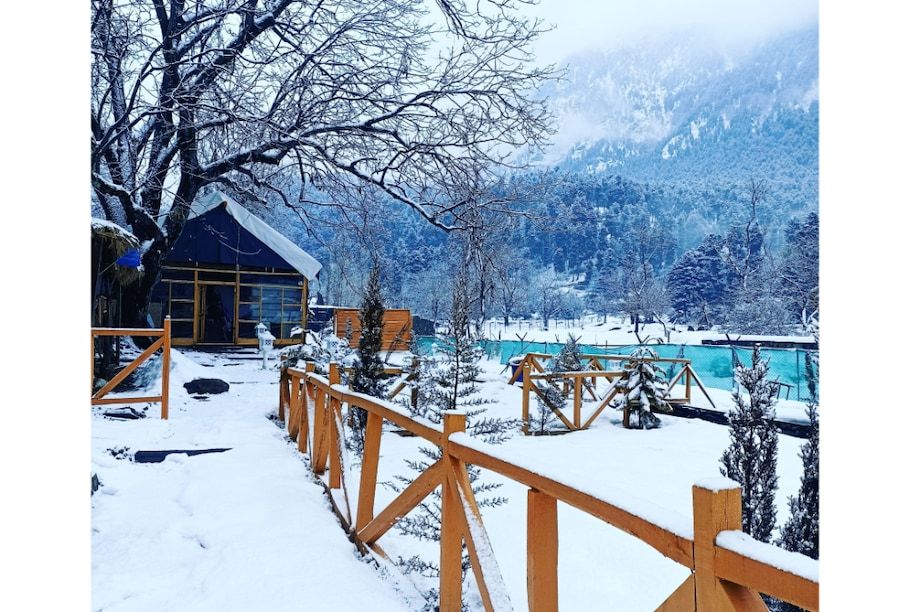
For settled accommodations before and after the trek, the surrounding valley hubs like Pahalgam provide comfortable lodging options. Travelers can discover riverside camps, homestays, and rustic mountain cabins on HireACamp. Staying in a local homestay or riverside site provides a welcoming base to rest, prepare supplies, and consult local guides before heading into the high wilderness.
Frequently asked questions
Where is Har Nag located?
Har Nag is a high-altitude alpine lake located in the rugged mountains accessible from the Pahalgam region of Jammu and Kashmir, India.
Can beginners trek to Har Nag?
The trek to Har Nag involves high elevations, rocky moraines, and remote paths, making it best suited for trekkers with moderate to high fitness and previous hiking experience.
Are there hotels or shelters at Har Nag?
No, there are no built lodges, hotels, or shops at Har Nag. Visitors must carry their own camping gear or stay at homestays and camps in Pahalgam.
Which months are ideal for visiting Har Nag?
The best time to visit is during midsummer, specifically between July and early September, when snow has melted from the trail and temperatures are manageable.
Do I need a local guide to reach Har Nag?
Hiring a local mountain guide is strongly recommended because the high-altitude trails can be unmarked, rugged, and difficult to navigate across moraines.
Where you'll be
Ladakh · 2 stays nearby shown with prices
Stays near Har Nag
Book a place to stay close by
More places near Har Nag
Within 20 km
Built from 0 Instagram posts by 0 creators. Every tip links back to the post it came from, and where creators disagree we show both sides.






