
Sheshnag Lake
Lake near Chandanwari, Jammu and Kashmir
7.3 km from Chandanwari
The nearest town, for stays, food and fuel.
Sheshnag Lake is a high-altitude alpine lake situated near Pahalgam in Jammu and Kashmir. Famous for its clear greenish-blue glacial waters and surrounding snow-capped peaks, it serves as an iconic halt on the traditional Amarnath Yatra pilgrimage route. Trekkers and nature lovers visit the lake to experience its serene mountain wilderness and dramatic Himalayan scenery.
Getting there
By road
- From ChandanwariNearest town1 min · 300 m
Typical drive times without traffic. Stations and airports from OLA Maps; distances and typical drive times from OpenStreetMap (© OpenStreetMap contributors); notes from creators' Reels.
About Sheshnag Lake
Written with AI from map data and general knowledge. Check prices and timings locally before you go.
About Sheshnag Lake
Sheshnag Lake rests at an elevation of roughly 3,590 meters above sea level in the western Himalayas of Jammu and Kashmir. The lake derives its name from Sheshnag, the mythological king of serpents in Hindu tradition, and local folklore associates the body of water with ancient spiritual lore. Fed largely by glacial streams and winter snowmelt, its water displays striking shades of emerald and turquoise against steep scree slopes and barren alpine ridges.
The lake is surrounded by rugged peaks that remain partially draped in snow well into the summer months. Because of its location along the traditional trekking path from Chandanwari toward the holy Amarnath Cave, Sheshnag Lake has welcomed pilgrims and wanderers for generations. In recent decades, it has also grown into a revered destination for independent alpine hikers drawn by raw mountain terrain and stark Kashmiri landscapes.
The Trek to Sheshnag Lake
Reaching Sheshnag Lake requires an alpine trek starting from Chandanwari, which serves as the roadhead past Pahalgam. The trail winds along mountain contours, climbing gradually alongside deep valleys and gushing mountain streams. The trek covers roughly 11 kilometers from Chandanwari and takes hikers through rocky paths, open meadows, and scree zones before revealing the expanse of the lake.
While the path is well-defined due to seasonal pilgrimage movements, the sustained altitude gain demands reasonable physical fitness. Hikers typically encounter steep ascents, particularly around sections leading to Pissu Top, where the valley drops steeply below. The trail opens up to broader alpine flats as you near Sheshnag, where the lake unfolds calmly between mountain walls. Ponies and porters are often arranged at the base for those needing logistical assistance.
Read more
Best Time to Visit
The optimal window for visiting Sheshnag Lake is during the summer and early autumn months, usually running from late June to September. During this period, the winter snowpack has thawed sufficiently to permit foot travel, and the lake reflects deep blue hues under clear skies. Daytime temperatures are generally pleasant for trekking, though night temperatures consistently dip near freezing.
From late autumn onward, deep winter conditions set in quickly across the higher reaches of the Kashmir valley. Heavy snowfall closes the trail, and the lake remains frozen beneath thick ice sheets for several months. Monsoon showers can occasionally affect the region in July and August, making trail conditions slippery, so checking local weather forecasts before setting out is always essential.
How to Reach Sheshnag Lake
Travelers typically begin their journey by arriving in Srinagar, which connects to major Indian cities by air and road. From Srinagar, taxis and shared vehicles operate toward Pahalgam, the primary hub for outdoor exploration in the Lidder Valley. The drive from Pahalgam continues along the river up to Chandanwari, where the motorable road ends.
Beyond Chandanwari, the remainder of the journey to Sheshnag Lake must be completed on foot or on horseback. Travelers should plan their ascent with sufficient daylight to avoid navigating steep mountain ledges after dusk. Because local weather and pilgrimage regulations can alter access, it is recommended to confirm trail permissions and conditions locally in Pahalgam before departing.
Tips for Trekking to Sheshnag Lake
High-altitude conditions around Sheshnag Lake demand careful preparation. Even during the peak of summer, sudden changes in weather can bring chilly winds, rain, or unexpected drops in temperature. Layered clothing, thermal innerwear, a windproof and waterproof outer jacket, and sturdy, broken-in trekking boots are indispensable.
Acclimatization is critical when gaining altitude past Chandanwari. Spending a day or two in Pahalgam prior to the trek helps your body adjust to the thinner air. Carry adequate water, energy bars, sun protection, and personal medication, as there are no permanent settlements or medical clinics along the immediate lake perimeter outside seasonal pilgrimage operations. Remember to carry all your non-biodegradable waste back down to maintain the fragile alpine ecology.
Places to Visit Nearby
The broader Pahalgam region features numerous alpine lakes and high-altitude valleys. Further ahead on the trail lies the revered Shri Amarnath Cave Temple, tucked deep within the mountains. Hikers can also plan separate treks to Tulian Lake, a high alpine tarn surrounded by jagged peaks, or explore Sorus Nag and Muhwar Sar in the surrounding wilderness.
Down in the valley, Chandanwari offers a pleasant gateway with scenic views of the roaring river and sprawling pine-clad slopes. Closer to Pahalgam town, travelers can explore historic sites such as the ancient Mamleshwar Temple and Gauri Shankar Mandir, or spend an afternoon wandering through the meadows of Baisaran, often referred to as Mini Switzerland.
Where to Stay
Accommodation options right at Sheshnag Lake are limited to seasonal tented camps and designated camping sites, which primarily operate during active pilgrimage periods and trekking months. Campers must carry cold-rated sleeping bags and wind-resistant tents if undertaking an independent camping expedition.
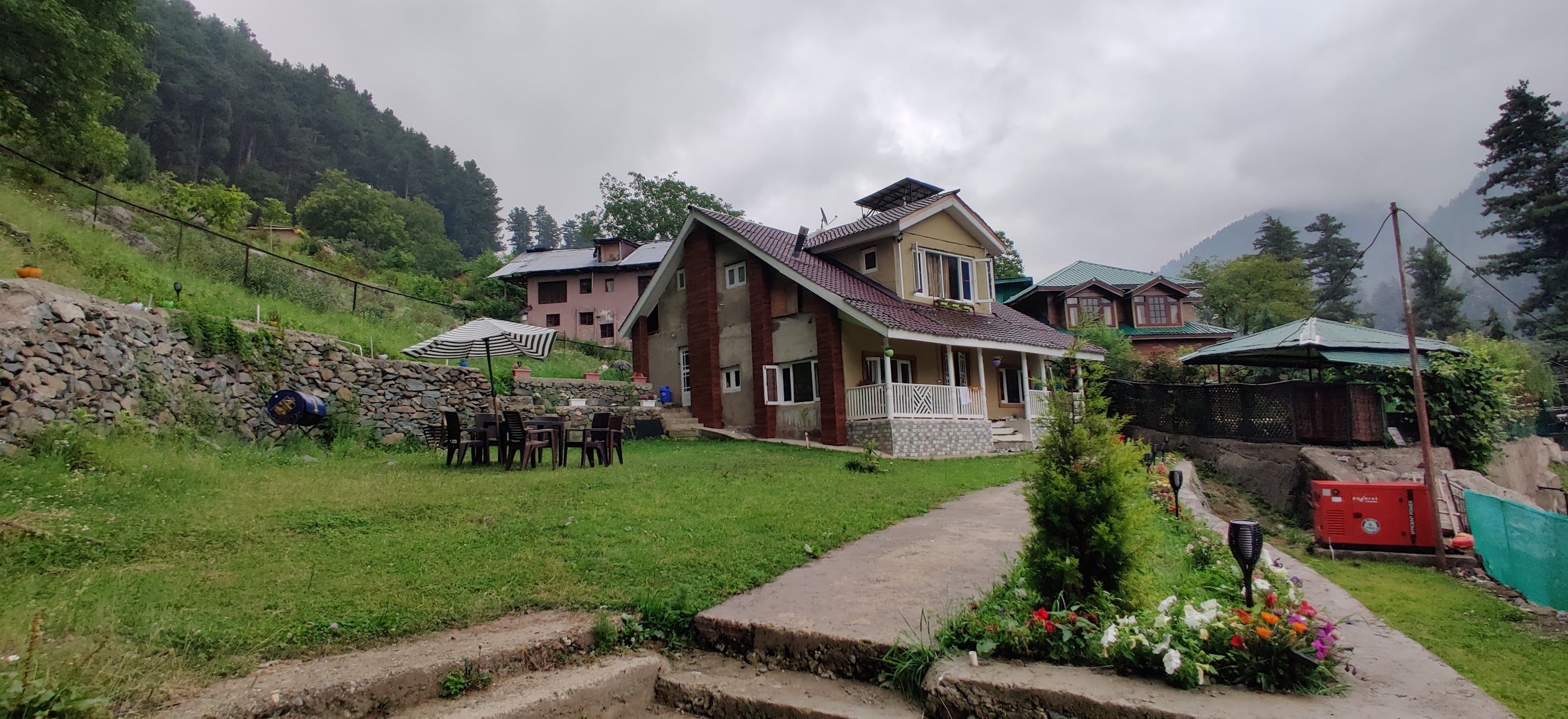
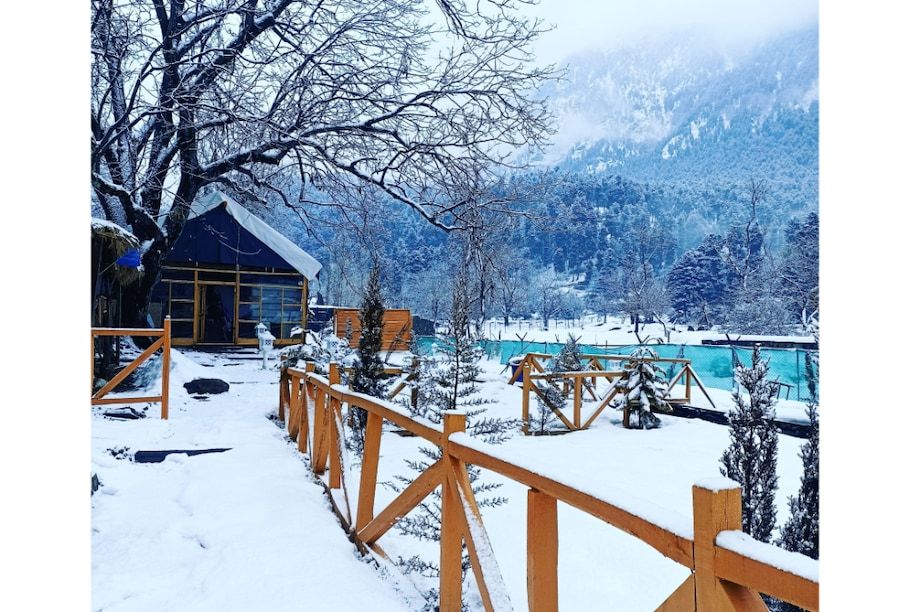
For comfortable base stays before and after the trek, Pahalgam offers a wide variety of lodging options. Travelers can discover riverside camps, traditional Kashmiri homestays, and cozy cottages nearby on HireACamp. Booking your stay in or around Pahalgam gives you an ideal base to rest, acclimatize, and organize transport before heading into the mountains.
Frequently asked questions
Can Sheshnag Lake be visited in a single day?
While an early start from Chandanwari allows strong and experienced trekkers to complete the round trip in a single day, it is physically demanding. Many trekkers prefer camping overnight near the lake to acclimatize and enjoy the scenery at a relaxed pace.
Is Sheshnag Lake frozen throughout the year?
Sheshnag Lake remains frozen for much of the winter and early spring. The ice typically begins to melt by late June, allowing the emerald water to remain visible until early autumn.
Are permits required to trek to Sheshnag Lake?
Permit requirements can vary depending on the season, especially during the annual Amarnath Yatra when security checkpoints and registrations are strictly enforced. It is advisable to verify current travel guidelines and local permissions in Pahalgam before starting the trek.
Are horses or ponies available for the trek to Sheshnag Lake?
Yes, local horsemen and porters are generally available for hire at Chandanwari to help travelers carry luggage or assist those who find the steep ascent difficult on foot.
Where you'll be
11 Km From Chandanwari, Pahalgam · 2 stays nearby shown with prices
Stays near Sheshnag Lake
Book a place to stay close by
More places near Sheshnag Lake
Within 20 km
Built from 0 Instagram posts by 0 creators. Every tip links back to the post it came from, and where creators disagree we show both sides.






