
Zamtir Nag
Lake near Chandanwari, Ladakh
8.5 km from Chandanwari
The nearest town, for stays, food and fuel.
Zamtir Nag is an alpine glacial lake nestled high along the rugged mountain ridgelines that divide eastern Kashmir from the Ladakh region. Situated just beyond the basin of Sheshnag Lake, it rests in a dramatic landscape of rock, moraine, and permanent snowfields. Trekkers and wilderness enthusiasts venture to this remote water body to experience raw, untouched Himalayan terrain away from busy tourist routes.
Getting there
By road
- From ChandanwariNearest town1 min · 300 m
Typical drive times without traffic. Stations and airports from OLA Maps; distances and typical drive times from OpenStreetMap (© OpenStreetMap contributors); notes from creators' Reels.
About Zamtir Nag
Written with AI from map data and general knowledge. Check prices and timings locally before you go.
About Zamtir Nag and the Alpine Landscape
Zamtir Nag sits in an elevated glacial cirque surrounded by jagged ridgelines and barren mountain slopes. Fed by seasonal snowmelt and ancient glacial runoffs, the lake features clear, icy-blue waters that mirror the towering rock faces above. Its geographic position places it right along the border zone where the lush valleys of eastern Kashmir transition toward the cold, arid terrain characteristic of Ladakh.
Unlike the more famous pilgrimage routes and frequently travelled mountain circuits in the region, Zamtir Nag receives relatively few visitors. The environment here is raw and quiet, dominated by the rush of glacial winds and the tumbling of scree. Its close proximity to Sheshnag Lake places it within an iconic mountain range, yet its secluded bowl offers solitude that is hard to find on primary routes.
Best Time to Visit Zamtir Nag
Due to its extreme altitude and heavy winter snowfall, Zamtir Nag is accessible only during a short window in the peak summer and early autumn. From November until late May or early June, the lake remains frozen beneath deep blankets of snow, and the surrounding mountain passes are choked with ice and avalanche risk.
The optimal time to plan a trek to Zamtir Nag is between July and September. During July and August, the snow retreats from the lower approaches, alpine wildflowers bloom along the valleys, and the lake unfreezes into brilliant turquoise water. By September, the weather often turns crisp and dry, bringing clear skies and excellent visibility, though nighttime temperatures dip sharply toward freezing. Trekkers should always check local weather forecasts and trail conditions before starting, as sudden storms and snowfall can occur even in midsummer.
Read more
The Trek and Routes to Zamtir Nag
Reaching Zamtir Nag requires sustained trekking over challenging alpine terrain. The route typically begins from trailheads on the Kashmir side such as Chandanwari near Pahalgam, winding up past Sheshnag Lake before crossing high-altitude ridgelines. Because there are no motorable roads or paved pathways leading directly to the lake, travellers must rely on foot trails, navigation skills, and pack animals if carrying heavy expedition supplies.
The trail features steep ascents, loose moraine, rocky boulders, and occasional stream crossings where glacial melt runs fast. Proper acclimatisation is vital before attempting to ascend past three thousand metres. Trekkers need to budget enough days to adjust to the thinner air, resting at intermediate camps rather than rushing up the trail. Carrying a map, compass, or GPS device is strongly advised, as tracks at these heights can easily blur into stony slopes or be obscured by passing fog.
Ecology and Wildlife of the High Passes
The ecosystem around Zamtir Nag is fragile and shaped by extreme climatic conditions. The vegetation here is classified as alpine tundra, where trees cannot survive. Instead, the rocky ground is dotted with dwarf junipers, resilient lichens, mosses, and low-growing alpine herbs that burst into bloom during the brief summer thaw.
Despite the harsh conditions, these slopes support hardy wildlife adapted to high altitudes. Trekkers may spot Himalayan marmots basking on sun-warmed rocks, mountain voles darting between scree gaps, and herds of blue sheep grazing along the higher cliffs. The skies overhead are frequently patrolled by majestic raptors, including golden eagles, bearded vultures, and Himalayan griffons. Because of the delicate nature of high-altitude flora, travellers should take care to stay on established routes and pack out all waste.
Places to Explore Nearby
The mountain domain around Zamtir Nag is home to several other noteworthy natural landmarks. Barely a short traverse away lies Sheshnag Lake, a venerated and visually stunning water body renowned for its green waters and legendary role in local pilgrimage lore. Further along the high mountain routes lie remote tarns like Har Nag, Tulian Lake, and Sorus Nag, each occupying distinct glacial hollows beneath soaring precipices.
Dominating the horizon in this sector are prominent summits such as Kolahoi Peak and Buttress Peak, along with the towering mass of Amarnath Peak. On the southern descents, the meadows of Mini Switzerland and the transit settlement of Chandanwari provide green contrasts to the high-altitude stone fields. Exploring these surrounding valleys and ridges allows trekkers to craft extended multi-day routes across one of the most spectacular crossroads of the Western Himalayas.
Preparation and Safety Tips
Visiting a remote alpine lake requires thorough physical and logistical preparation. Temperatures at Zamtir Nag can plummet below freezing without warning, even when days are sunny. A sturdy multi-layer clothing system, windproof and waterproof outer jackets, thermal undergarments, and insulated gloves are non-negotiable items in every backpack.
Sturdy, waterproof trekking boots with good ankle support are essential for traversing uneven boulder fields and moraines. Hikers should carry water purification tablets or portable filters, high-energy provisions, a well-stocked first aid kit, and appropriate sun protection including polarized sunglasses and high-SPF sunscreen. Mobile connectivity is non-existent in these high basins, so self-sufficiency is paramount. It is wise to hire experienced local guides and check local safety guidelines or entry requirements before venturing into the high pass areas.
Where to Stay near Zamtir Nag
There are no hotels, permanent rest houses, or commercial lodges at Zamtir Nag itself. Accommodation in the immediate vicinity is strictly limited to wilderness camping. Trekkers must carry their own four-season tents, sleeping bags rated for sub-zero conditions, and cooking gear. It is crucial to choose sheltered, flat camping spots away from rockfall zones and natural water runoffs, following strict leave-no-trace outdoor ethics.
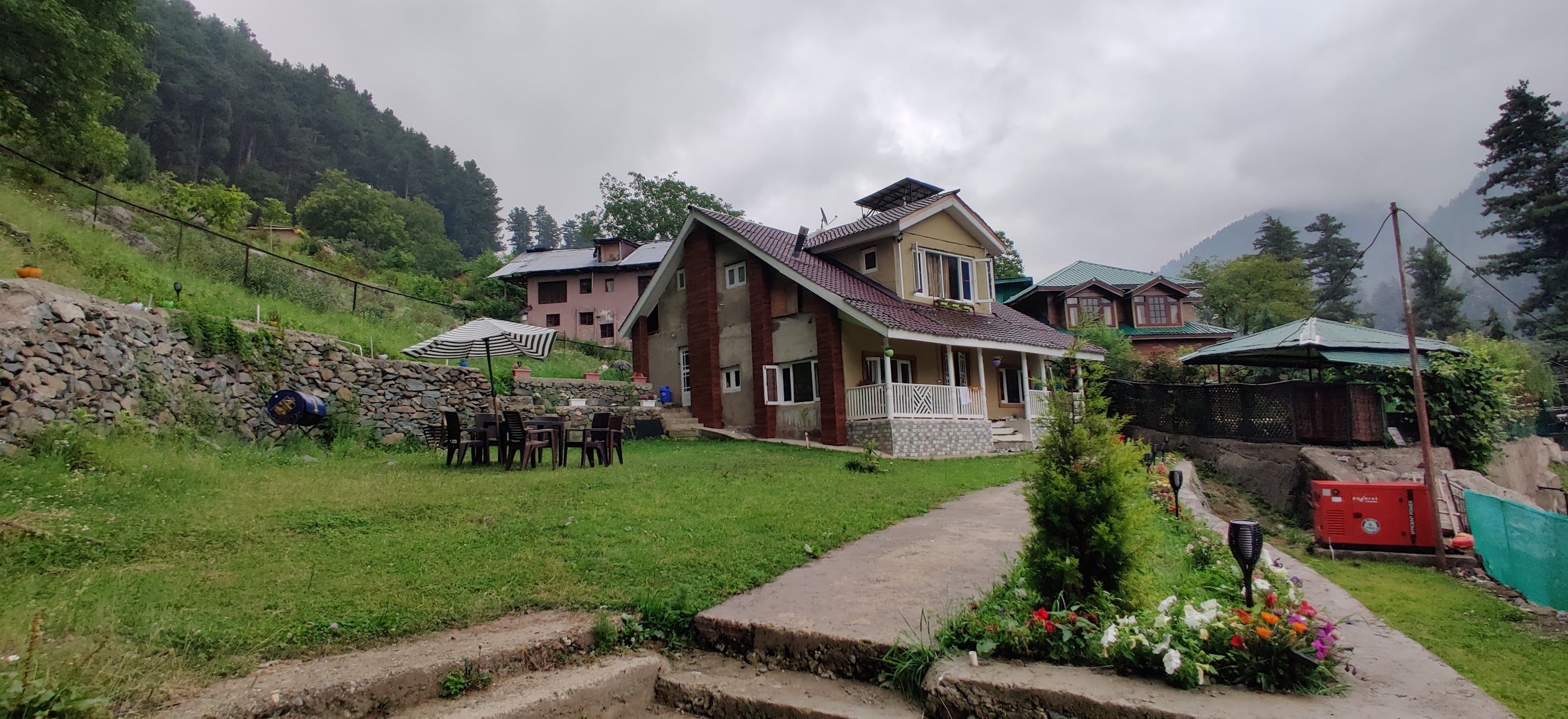
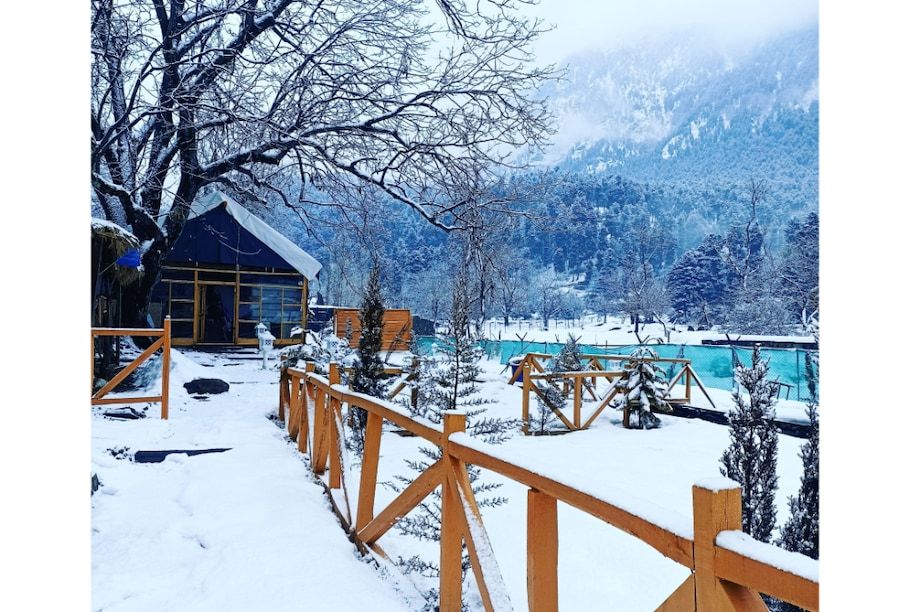
For more comfortable lodgings before or after an expedition, the nearby base towns and valleys in the wider region offer a broad spectrum of homestays, guesthouses, and established wilderness camps. You can explore and book suitable base camps, charming homestays, and rustic outdoor accommodations in the surrounding districts on HireACamp to rest up before your high-altitude trek.
Frequently asked questions
Where is Zamtir Nag located?
Zamtir Nag is a remote high-altitude lake situated along the high mountain passes between Kashmir and Ladakh, located just across the ridge from Sheshnag Lake.
How do I reach Zamtir Nag?
Zamtir Nag can only be reached on foot. Trekkers generally start from base points such as Chandanwari and navigate trails past Sheshnag Lake across rocky alpine passes.
When is the best time of year to visit Zamtir Nag?
The best time to visit is during the summer window from July to September, when winter snow has sufficiently melted and the high trails are clear.
Are there places to stay directly at Zamtir Nag?
There are no permanent accommodations at the lake. Travellers must camp in self-contained tents or arrange base stays in surrounding valleys through HireACamp.
Do I need prior trekking experience to hike to Zamtir Nag?
Yes, prior high-altitude trekking experience is strongly recommended due to the steep climbs, scree fields, thin air, and rapidly changing mountain weather.
Where you'll be
Ladakh · 2 stays nearby shown with prices
Stays near Zamtir Nag
Book a place to stay close by
More places near Zamtir Nag
Within 20 km
Built from 0 Instagram posts by 0 creators. Every tip links back to the post it came from, and where creators disagree we show both sides.






