
Marayur
Heritage & Culture near Marayur, Kerala
100 m from Marayur
The nearest town, for stays, food and fuel.
Marayur is a tranquil heritage destination located on the eastern slopes of the Western Ghats in Kerala, near Devikolam and Munnar. The region is widely celebrated for its prehistoric stone dolmens, ancient rock art, and fragrant natural sandalwood forests. Travellers visit Marayur to walk among centuries-old archaeological relics, observe traditional sugarcane farming, and experience a distinct rain-shadow climate in the high ranges.
Getting there
By road
- From Coimbatore2 hr 50 min · 114 km
- From Kochi3 hr 35 min · 168 km
- From Madurai4 hr 35 min · 188 km
- From Mysuru6 hr 55 min · 300 km
Typical drive times without traffic. Stations and airports from OLA Maps; distances and typical drive times from OpenStreetMap (© OpenStreetMap contributors); notes from creators' Reels.
About Marayur
Written with AI from map data and general knowledge. Check prices and timings locally before you go.
The ancient heritage of Marayur
Marayur occupies a distinctive place in South Indian archaeology, bearing witness to continuous human settlement dating back to the Neolithic and Megalithic eras. Scattered across the rocky mounds and hillocks of the valley are ancient stone burial structures known locally as Muniyaras, or dolmens. These megalithic chambers were constructed thousands of years ago using heavy upright granite slabs capped by a massive horizontal stone. Walking among these prehistoric monuments provides visitors with a tangible connection to ancient civilisations, set against an open backdrop of rolling mountain ridges.
In addition to the dolmens, the surrounding landscape conceals ancient rock paintings in secluded shelters and caves across the hills. Sites such as Attala and Ezhuthu Guha contain red and white ochre illustrations depicting human figures, animals, hunting scenes, and geometric symbols. These fragile rock art panels offer deep insight into the spiritual and daily rituals of early inhabitants, making Marayur an essential destination for history lovers and cultural travellers exploring the high ranges.
Sandalwood forests and rural landscapes
Beyond its stone monuments, Marayur is known across India for its natural sandalwood forests, which form one of the only naturally occurring sandalwood reserves in Kerala. Maintained under the protective stewardship of the state forest department, these groves cover extensive tracts of the valley foothills. On warm afternoons and breezy evenings, the faint, woody fragrance of wild sandalwood drifts across the countryside, lending a serene atmosphere to the surrounding mountain roads.
The lower agricultural basin of Marayur is equally defined by vast green fields of sugarcane fed by highland streams. Local farming families have tended these crops for generations, harvesting cane to produce authentic unrefined jaggery using age-old cottage methods. Boiling the extracted juice in giant open-air iron cauldrons fills the valley air with rich, sweet aromas, offering visitors an authentic look at traditional rural craft that continues to thrive in harmony with the natural environment.
Read more
Best time to visit Marayur
Because Marayur lies in the rain-shadow zone on the eastern side of the Western Ghats, its climate is considerably drier and milder than the rain-soaked hill stations found further west. The winter months from October to March represent the ideal time for a visit. During this period, the days are bright and comfortable with moderate temperatures, while evenings and early mornings bring refreshing, crisp air that makes walking through open archaeological fields and farm paths very pleasant.
The summer months from April to June are warmer and dry, yet temperatures remain far more agreeable than in the neighbouring lowlands. This season is convenient for touring rural settlements and witnessing sugarcane processing. The monsoon arrives between July and September, revitalising the valley's seasonal waterways and turning the countryside brilliant shades of green, although occasional heavy rains can make rocky walking trails around the dolmens slick.
How to reach Marayur
Marayur is located along the highland corridor that connects Munnar in Kerala to Udumalpet in Tamil Nadu, easily accessible from the nearby hill town of Devikolam. For travellers journeying from across the country, Cochin International Airport and Coimbatore Junction serve as the most convenient air and rail gateways. From Kochi, the scenic mountain road climbs through tea-carpeted slopes around Devikolam and Munnar before gently descending into the broader, sunlit valley of Marayur.
Travellers approaching from Tamil Nadu can drive up from Udumalpet, passing through wildlife corridors and dry deciduous forests on their ascent into the hills. Regular regional buses link Marayur with nearby towns, while private vehicles and taxis offer the greatest flexibility for pausing at mountain viewpoints, roadside rivers, and scenic countryside hamlets along the way.
Places to explore around Marayur
The broader area around Marayur is filled with varied landscapes, dense forests, and scenic water bodies. Close to the valley lies Chinnar Wildlife Sanctuary, home to unique scrub-forest wildlife such as the grizzled giant squirrel, star tortoises, and diverse bird species. Higher up along the bordering ridges, the protected grasslands of Grass Hills National Park preserve unique montane shola ecosystems characteristic of the Western Ghats.
Water bodies and viewpoints also abound within driving distance across the regional border. Leisurely stops include the peaceful banks of the Koolangal River, scenic cascades like Attukad Waterfalls, and the sprawling catchment areas around Nirar Dam, Kadamparai Dam, and Aliyar Dam. Travellers can also explore heritage landmarks in neighbouring settlements, including the historic CSI Holy Trinity Church and local hillside shrines, making the region rewarding for multi-day exploration.
Tips for your visit to Marayur
Travellers visiting the megalithic dolmens and rock shelters should practice conscientious heritage etiquette. The prehistoric stone structures are irreplaceable archaeological treasures; visitors must avoid climbing on the dolmen roofs, defacing the rock surfaces, or disturbing the soil surrounding the burial sites. Taking care around these ancient relics ensures they remain intact for scientific study and future generations.
Since Marayur borders protected forest reserves, it is essential to follow local forestry regulations carefully. Do not attempt to enter closed sandalwood zones without permission or collect plant materials, and ensure no plastic waste is left behind. Wearing sturdy walking shoes is recommended for walking along uneven rocky terrain, and packing a light layer of warm clothing is useful for cooler morning and night temperatures.
Where to stay around Marayur
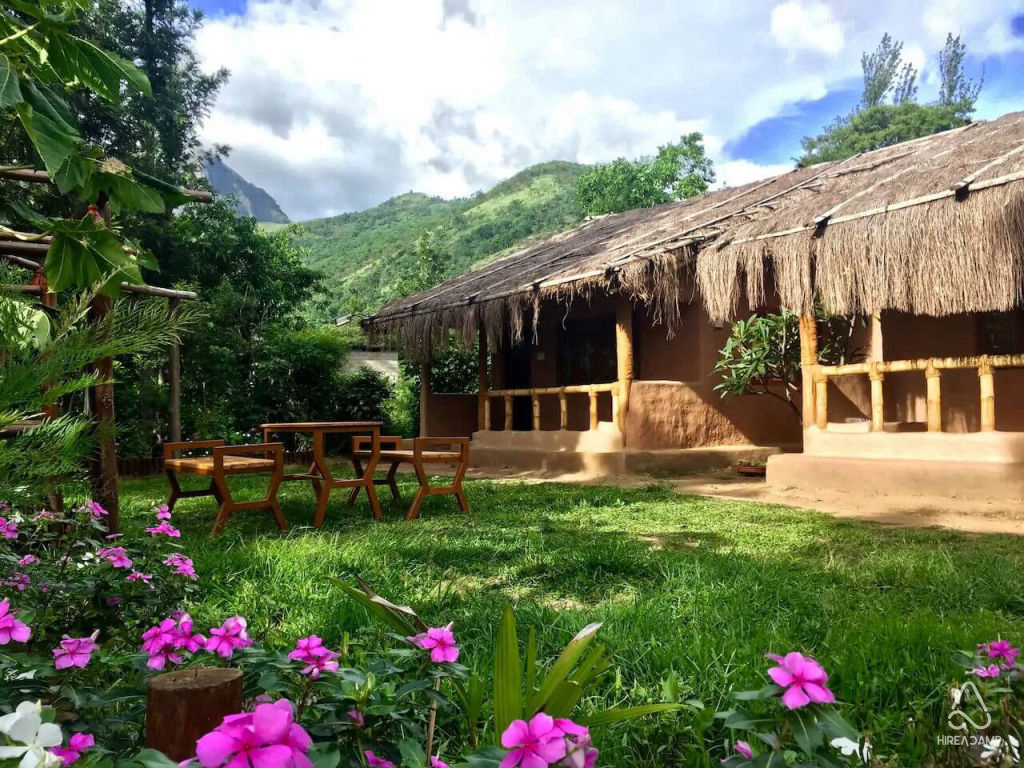
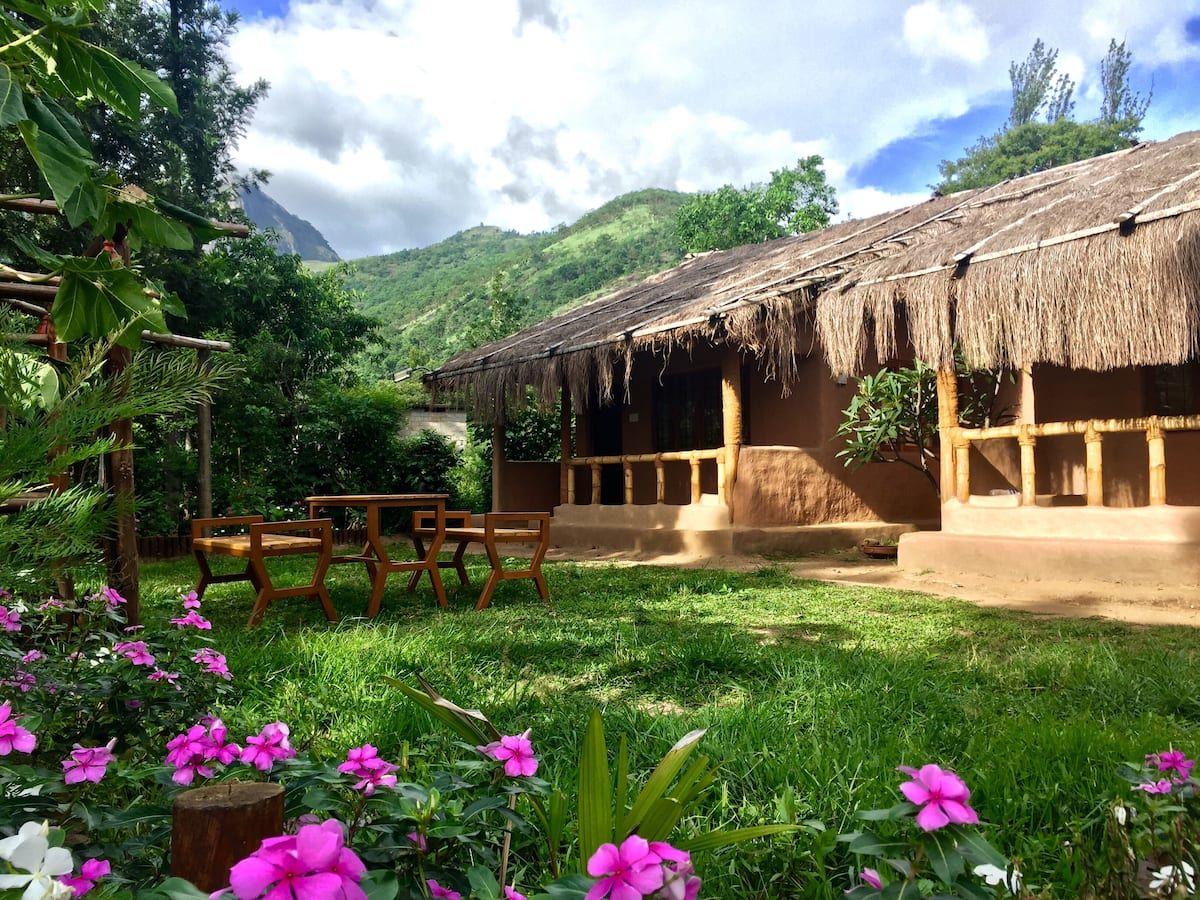
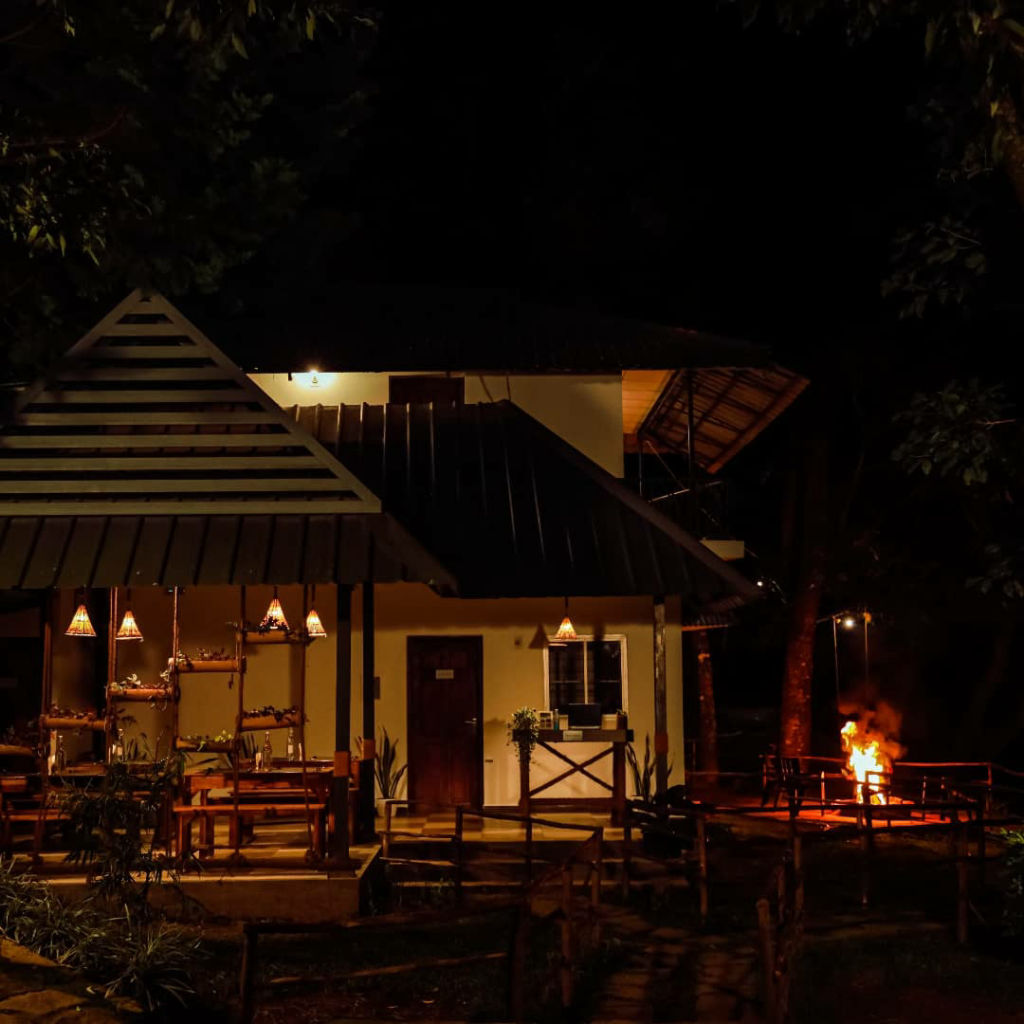
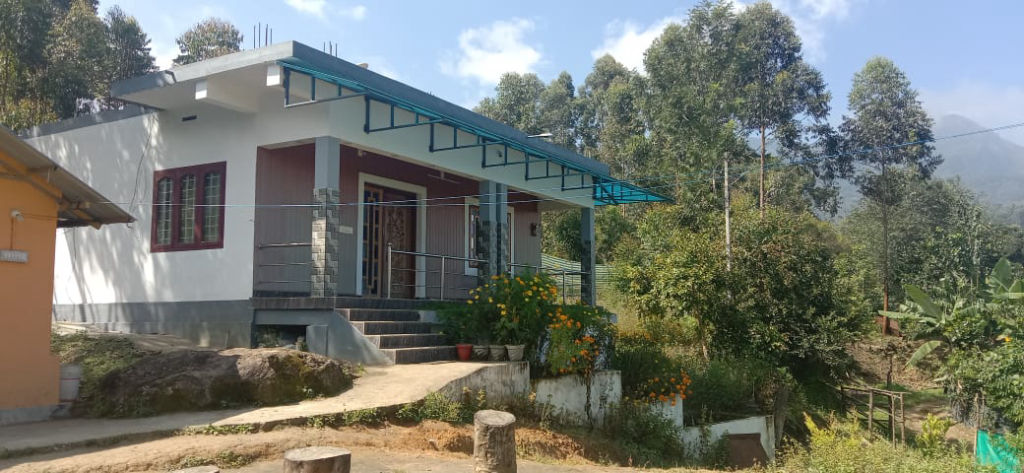
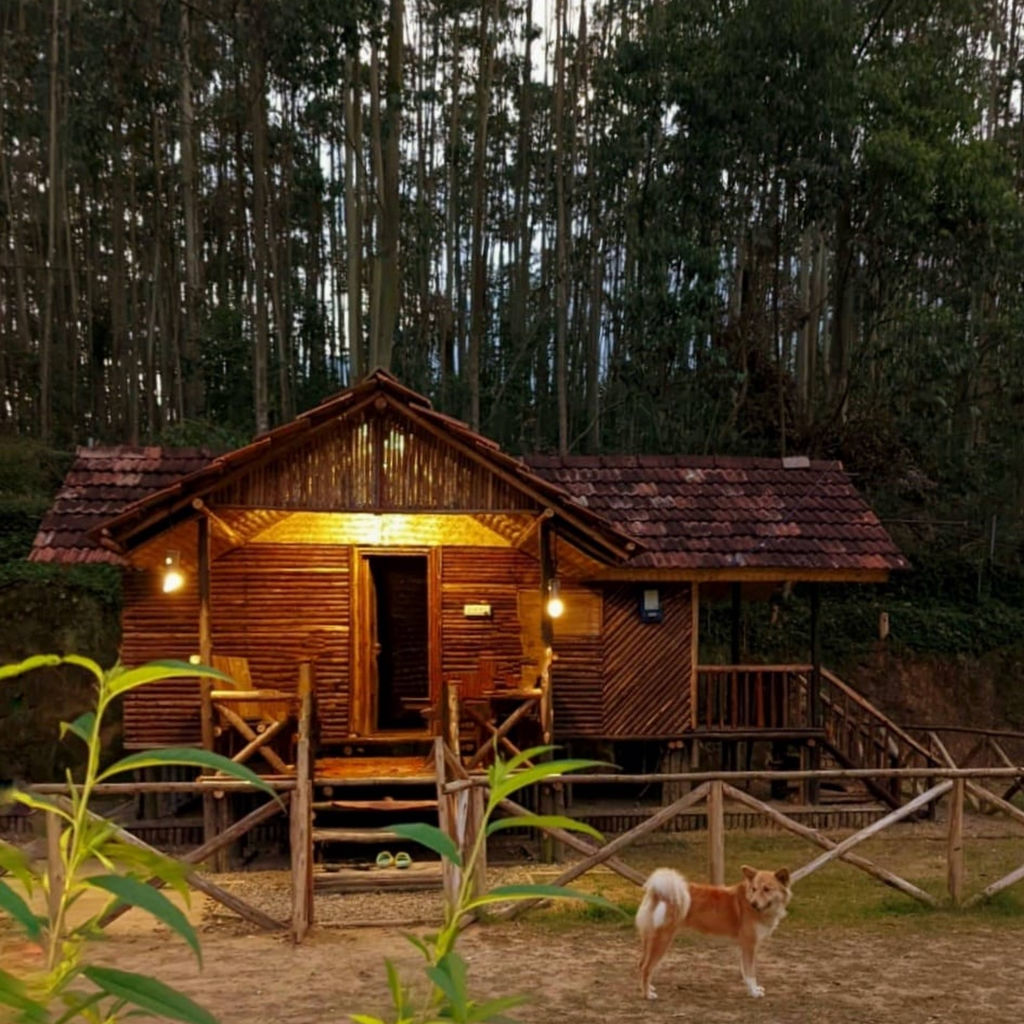
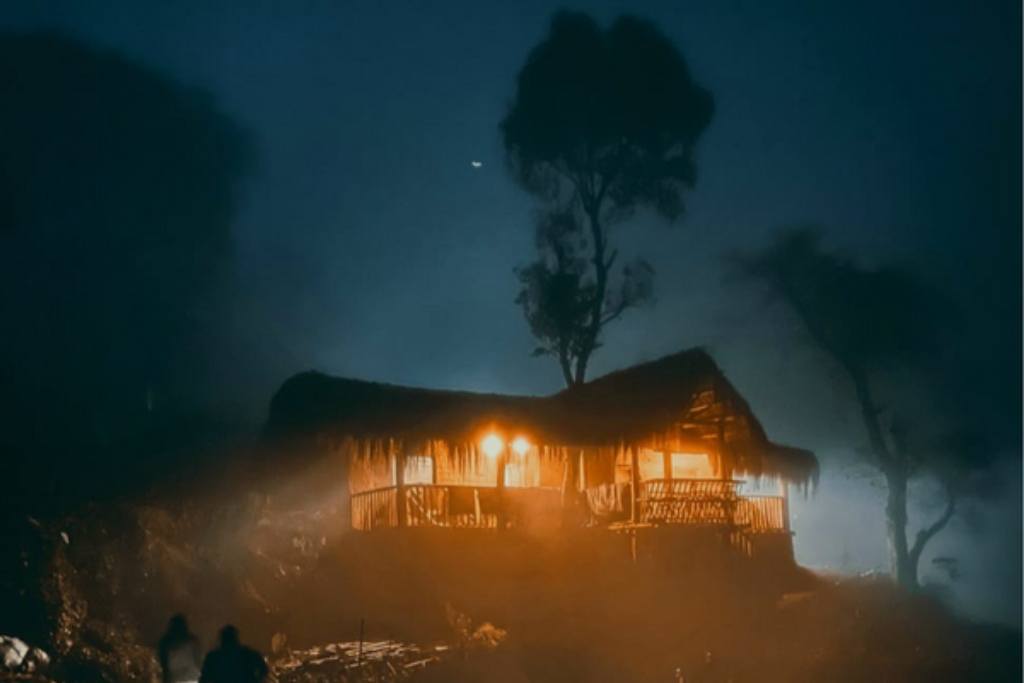
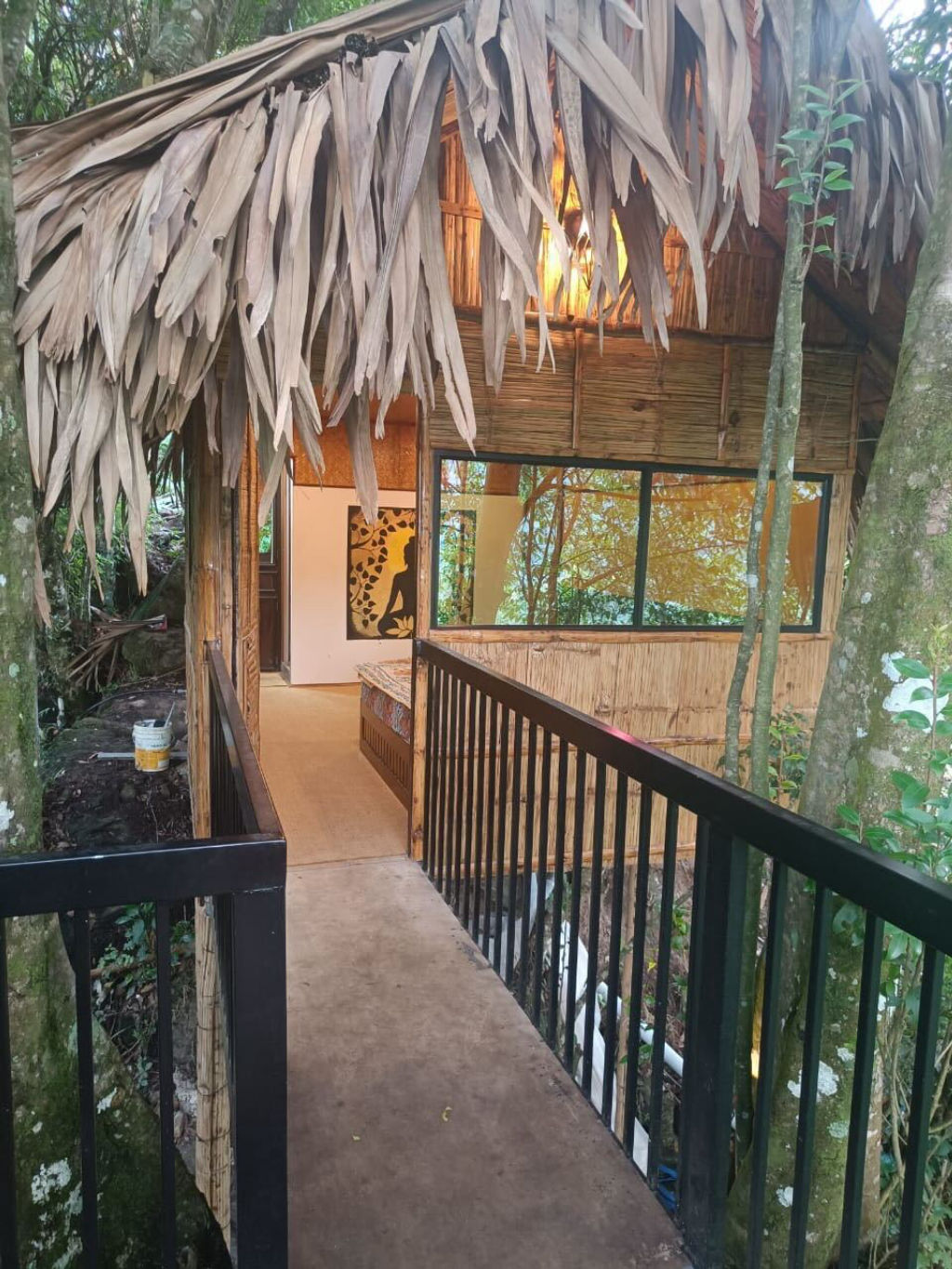
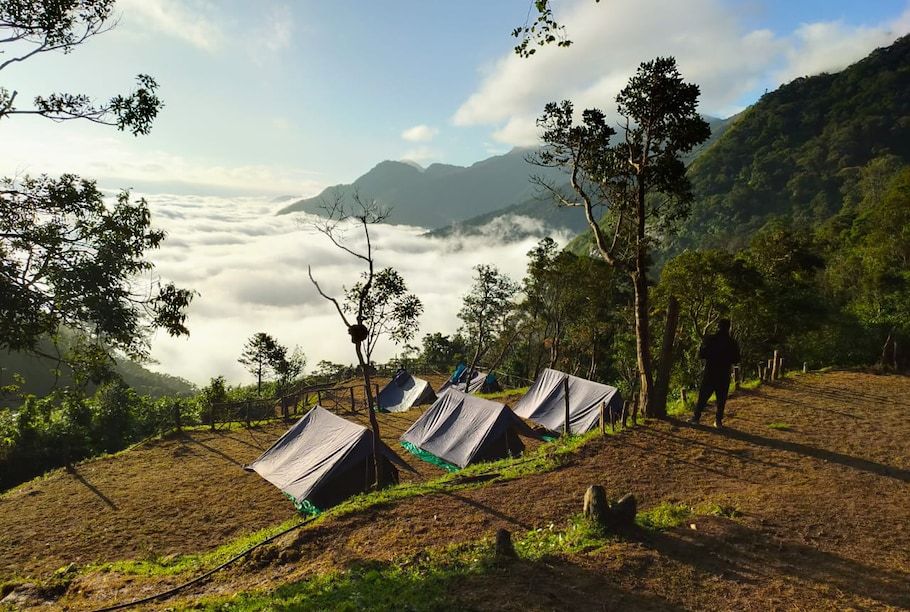
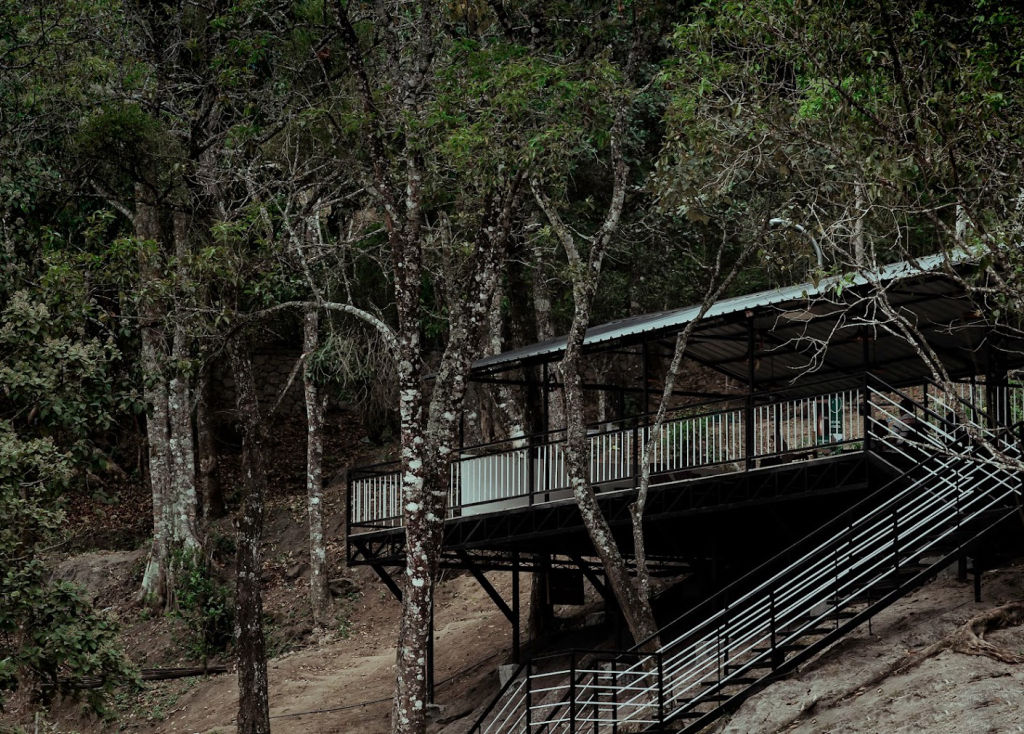
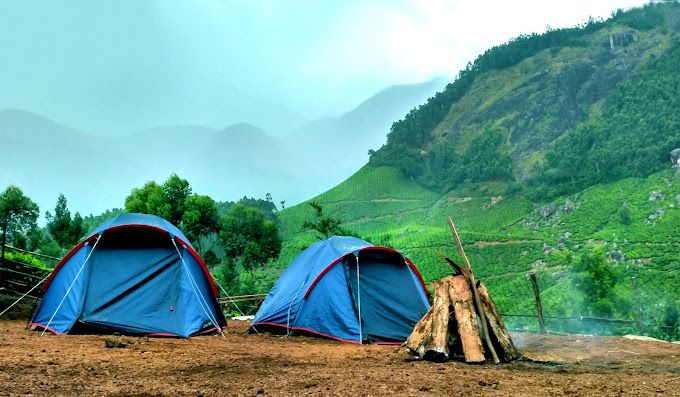
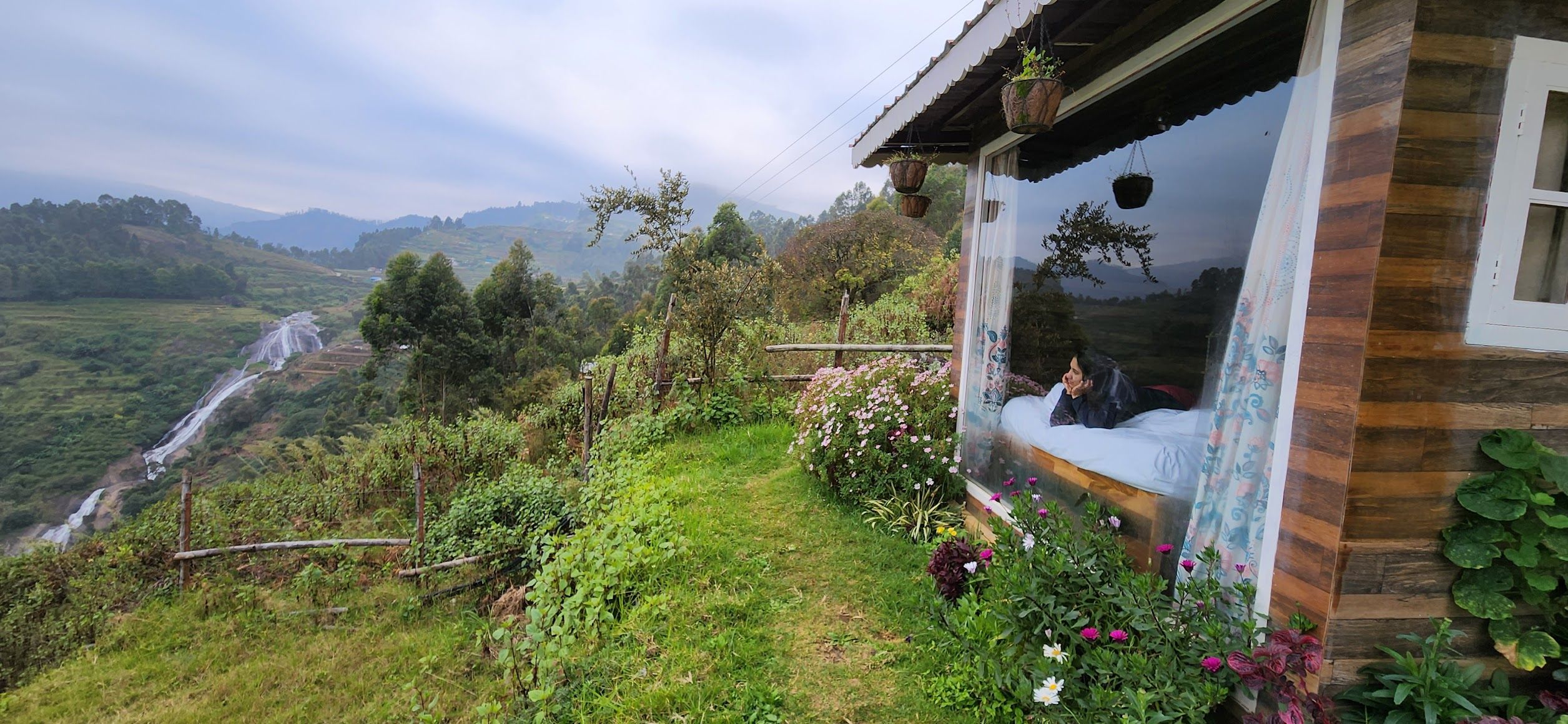
Staying near Marayur gives travellers the chance to experience the slow, quiet rhythm of rural mountain life away from busy commercial centers. Accommodation options in the valley and the nearby slopes around Devikolam range from tranquil countryside homestays and heritage farm estates to nature-focused campsites overlooking wooded hills.
You can find and book vetted camps, homestays, and outdoor stays near Marayur on HireACamp. Choosing an authentic local stay allows you to enjoy warm regional meals, wake up surrounded by sugarcane fields and birdsong, and easily access the region's ancient monuments at your own pace.
Frequently asked questions
What is Marayur best known for?
Marayur is best known for its prehistoric stone dolmens (Muniyaras), ancient rock paintings, natural sandalwood forests, and traditional sugarcane jaggery production.
Where is Marayur situated?
Marayur is situated in the Idukki district of Kerala along the eastern slopes of the Western Ghats, close to Devikolam and along the scenic route between Munnar and Udumalpet.
When is the best time of year to visit Marayur?
The most comfortable time to visit is from October to March, when the weather is dry, clear, and cool enough for unhurried outdoor exploration.
Can travellers visit the sandalwood forests in Marayur?
The natural sandalwood reserve is heavily protected by the forest department, but visitors can view the groves from designated roads and regulated viewpoints; check locally for current access guidelines.
What should visitors bring along for a day in Marayur?
Visitors should bring supportive walking footwear for rocky hills, sun protection for open valley paths, and a light jacket for early mornings and evenings.
Where you'll be
ROSEMOOR HOUSE, Indira Nagar, Pattom Colony, Devikulam · 12 stays nearby shown with prices
Stays near Marayur
Book a place to stay close by

More places near Marayur
Within 20 km


Lists for this area
Ranked by how many creators recommend each place


Built from 0 Instagram posts by 0 creators. Every tip links back to the post it came from, and where creators disagree we show both sides.






