
Marayoor Natural Sandal Reserve
Forest near Marayur, Kerala
3.2 km from Marayur
The nearest town, for stays, food and fuel.
Marayoor Natural Sandal Reserve is an expansive forest of indigenous sandalwood trees situated in the Devikulam taluk of Kerala. As the only naturally growing sandalwood forest in the state, it offers travellers a rare encounter with fragrant woodland landscapes framed by the rolling contours of the Western Ghats. Visitors are drawn here to experience its unique microclimate, ancient history, and serene forest trails.
Getting there
By road
- From MarayurNearest town6 min · 4.4 km
- From Coimbatore2 hr 55 min · 119 km
- From Kochi3 hr 30 min · 164 km
- From Madurai4 hr 40 min · 192 km
Typical drive times without traffic. Stations and airports from OLA Maps; distances and typical drive times from OpenStreetMap (© OpenStreetMap contributors); notes from creators' Reels.
About Marayoor Natural Sandal Reserve
Written with AI from map data and general knowledge. Check prices and timings locally before you go.
About Marayoor Natural Sandal Reserve
Marayoor Natural Sandal Reserve is home to thousands of fragrant sandalwood trees that thrive naturally in this rain-shadow belt of the Western Ghats. Located in the Idukki district near Devikulam, this forest is carefully preserved by the state forest department to protect one of India's most precious natural timber stands. The dense groves of Santalum album give the surrounding valleys a distinctly subtle, earthy aroma.
Beyond the botanical rarity of the reserve, Marayoor holds deep prehistoric and cultural importance. Scattered across the adjacent scrublands and hillocks are ancient dolmens and burial chambers dating back to the megalithic age, alongside rock paintings sheltered in nearby caves. Walking along the designated trails in and around the reserve allows visitors to witness an environment where prehistoric human history and fragile indigenous flora meet.
The Landscape and Wildlife of Marayoor
The reserve occupies a unique geographic pocket that receives far less rainfall than the mist-shrouded tea gardens of nearby Munnar. This drier climate fosters scrub forests, open grasslands, and hardy deciduous canopies, creating an ideal setting for sandalwood trees to flourish naturally.
The diverse terrain supports a broad spectrum of native wildlife. Sambar deer, spotted deer, and wild boars are commonly spotted grazing on the periphery of the reserve, while the canopy hosts an impressive array of bird species, including flycatchers, hornbills, and woodpeckers. During the quiet hours of early morning and late afternoon, the woods echo with bird calls and the rustle of foraging animals.
Read more
Best Time to Visit
The most pleasant time to explore Marayoor Natural Sandal Reserve is from October to March, when the post-monsoon freshness clears the air and temperatures remain cool and comfortable throughout the day. Winter mornings often feature mild breezes and bright, sunny skies, making it an ideal window for leisurely outdoor walks.
While the summer months from March to May can become warmer and drier compared to the high-elevation zones of Munnar, mornings and late evenings remain pleasant. The monsoon season from June to September brings life to the surrounding streams and turns the hills a vivid green, though forest trails can occasionally become slick and muddy.
How to Reach Marayoor
Marayoor is well connected by road from major transit hubs across Kerala and Tamil Nadu. The route through Devikulam and Munnar winds through scenic tea estates and high-altitude mountain passes before descending into the drier Marayoor valley. Regular state buses and private taxis ply these hill roads from Munnar, making day trips convenient.
For those travelling from Tamil Nadu, Marayoor is easily accessible via Udumalpet through the Chinnar wildlife corridor. The nearest major railway stations are located at Aluva, Ernakulam, and Coimbatore, while Cochin International Airport and Coimbatore International Airport serve as the most practical air entry points. Private vehicles or chartered cabs from these points provide an effortless way to navigate the scenic mountain roads.
Tips for Visiting the Reserve
Because the sandalwood trees are strictly safeguarded by forest protection authorities, visitors should remain on designated paths and respect all perimeter fencing. Stripping bark, collecting fallen branches, or removing natural material is strictly prohibited under forest conservation laws.
Wear sturdy, closed-toe walking shoes to stay comfortable on uneven forest paths. Carrying your own drinking water in reusable bottles helps keep the area free of single-use plastic waste. Since local facilities inside the forest area are minimal, ensure you check locally regarding visiting protocols, entry permissions, and any conservation guidelines before setting out.
Places to Visit Nearby
A trip to Marayoor can easily be paired with other scenic landmarks in the region. The neighbouring Chinnar Wildlife Sanctuary and Grass Hills National Park offer dramatic vistas of untamed Western Ghats wilderness, where endemic flora and fauna thrive under strict protection.
Travellers interested in water bodies and mountain viewpoints can head toward the Koolangal River, Attukad Waterfalls, or the scenic catchment areas of Nirar Dam and Kadamparai Dam. Heritage architecture and local cultural spots, such as the CSI Holy Trinity Church and Subramaniya Swamy Temple, offer a calm break while journeying back towards Munnar.
Where to Stay
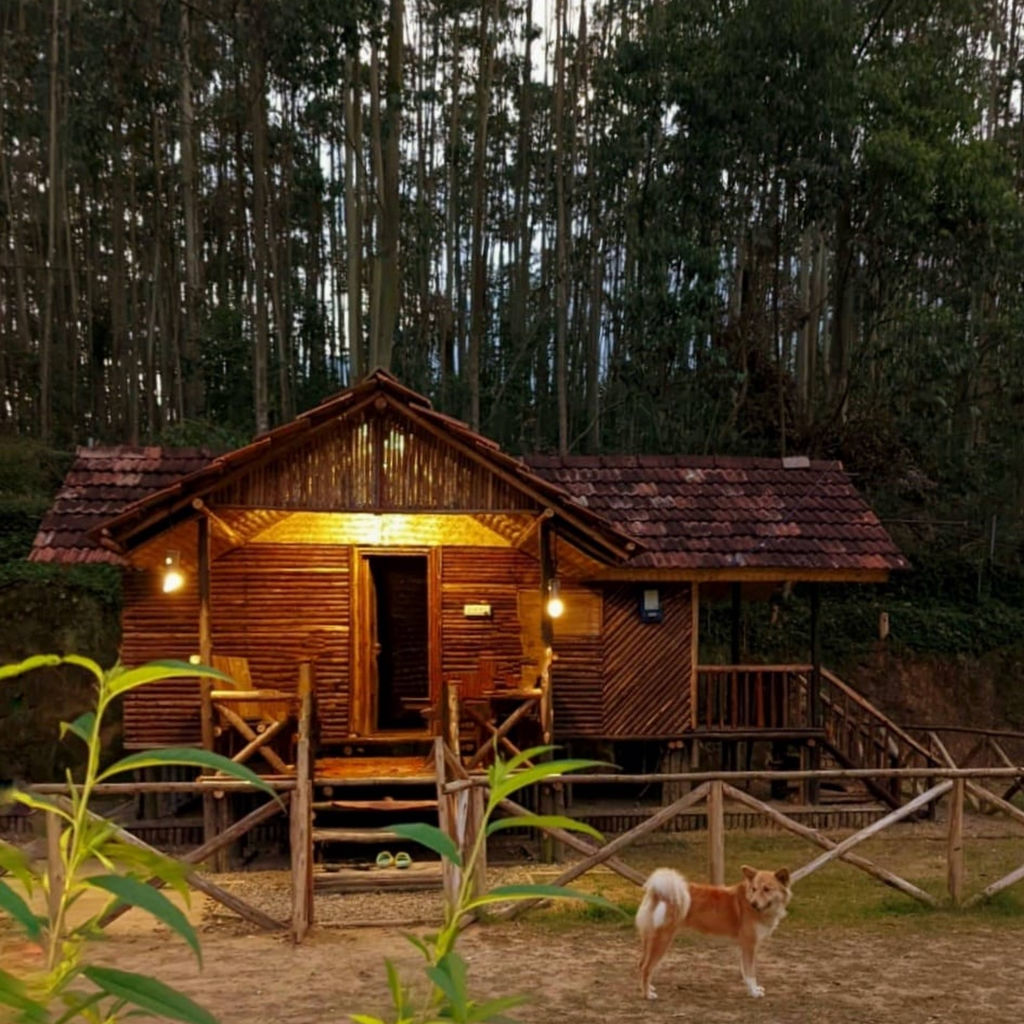
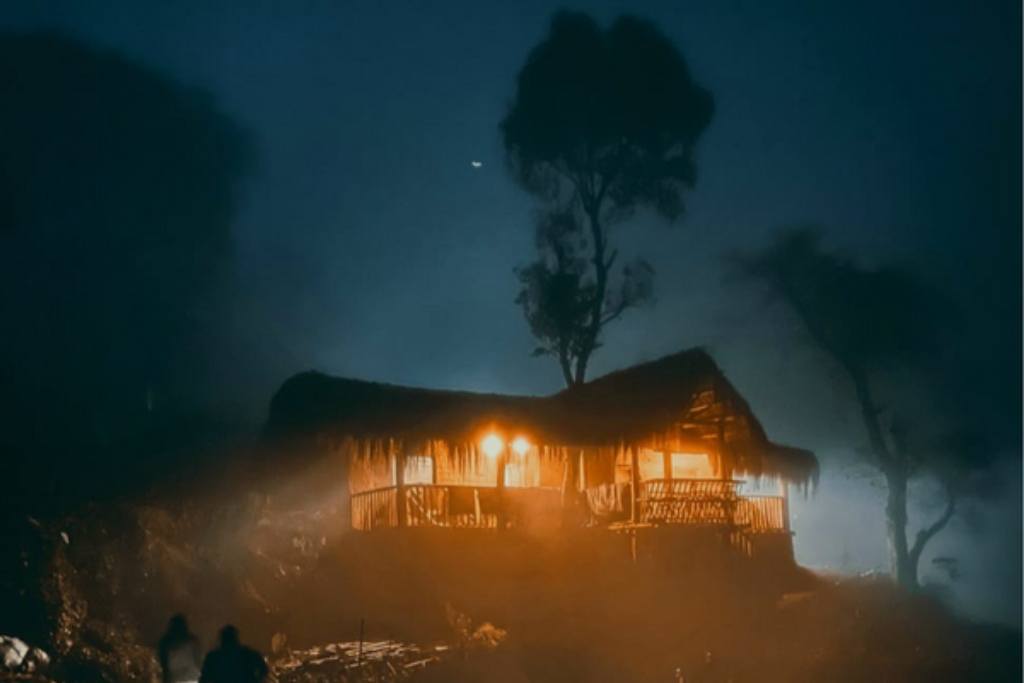
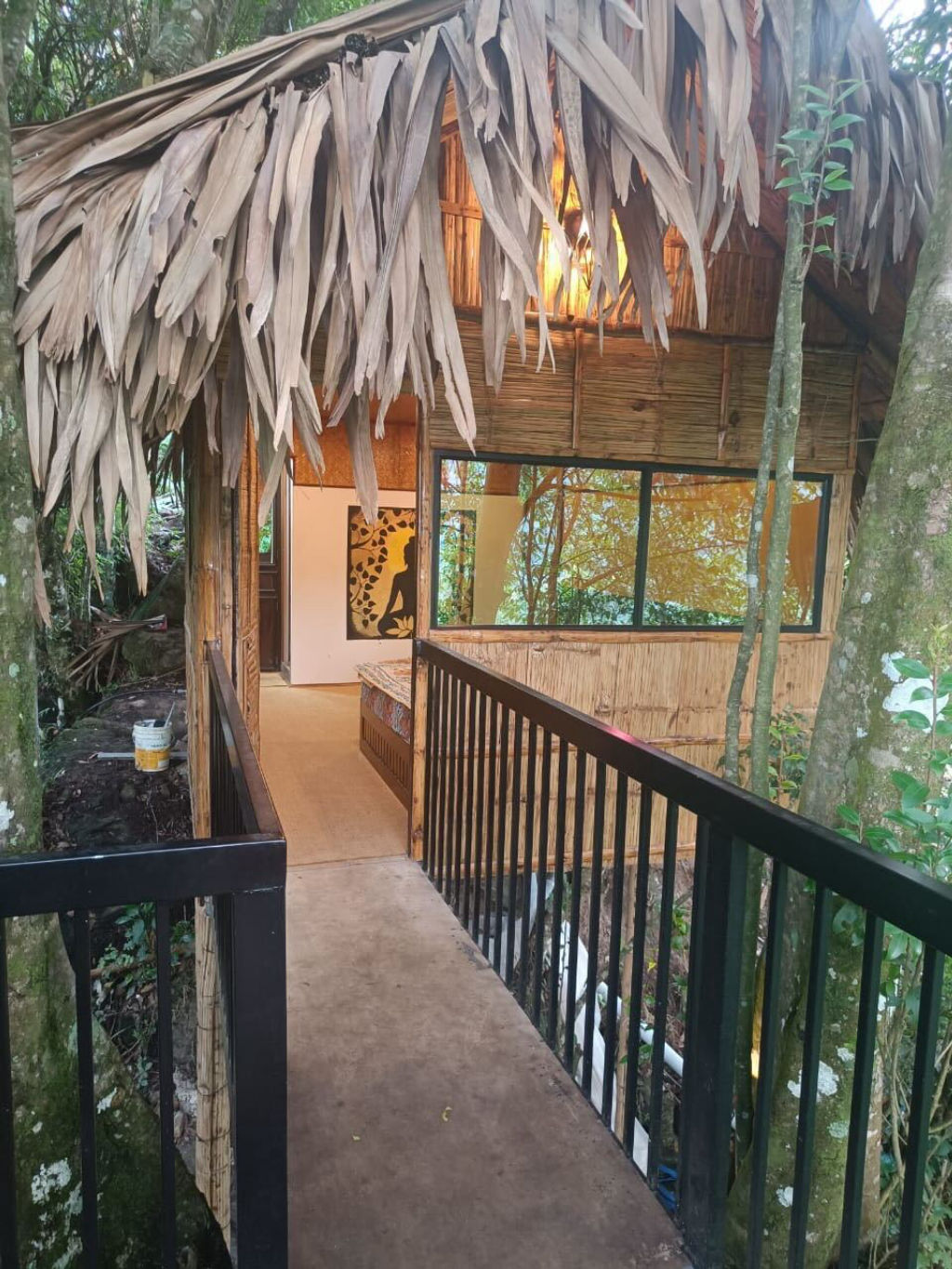
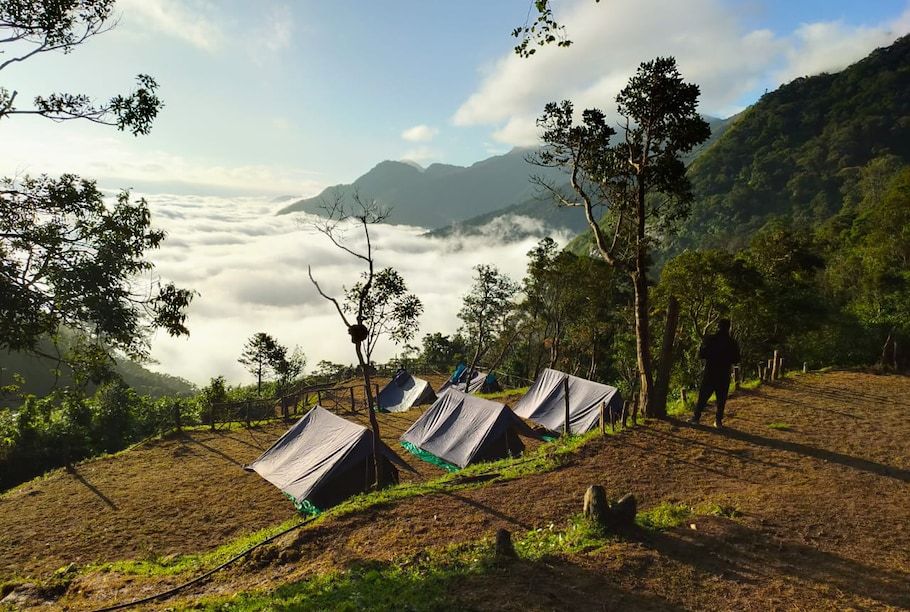
Staying near Marayoor allows you to experience the tranquil pace of rural plantation life away from crowded tourist towns. The surrounding area features peaceful countryside settings, traditional farmsteads, and open green patches ideal for quiet retreats.
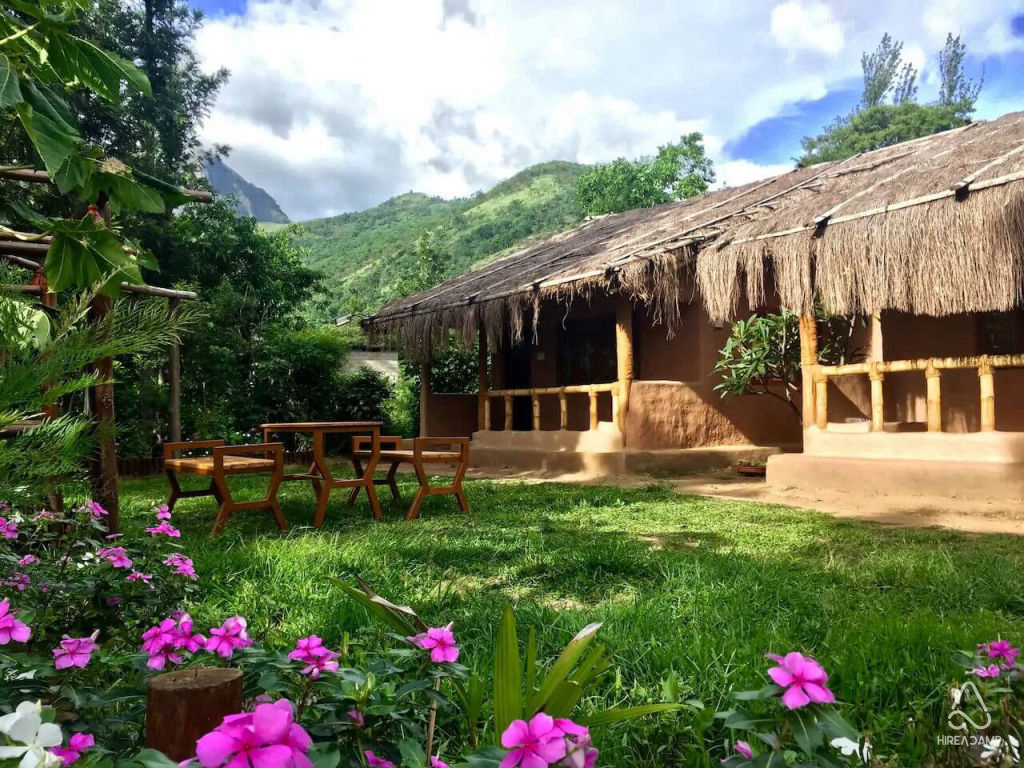
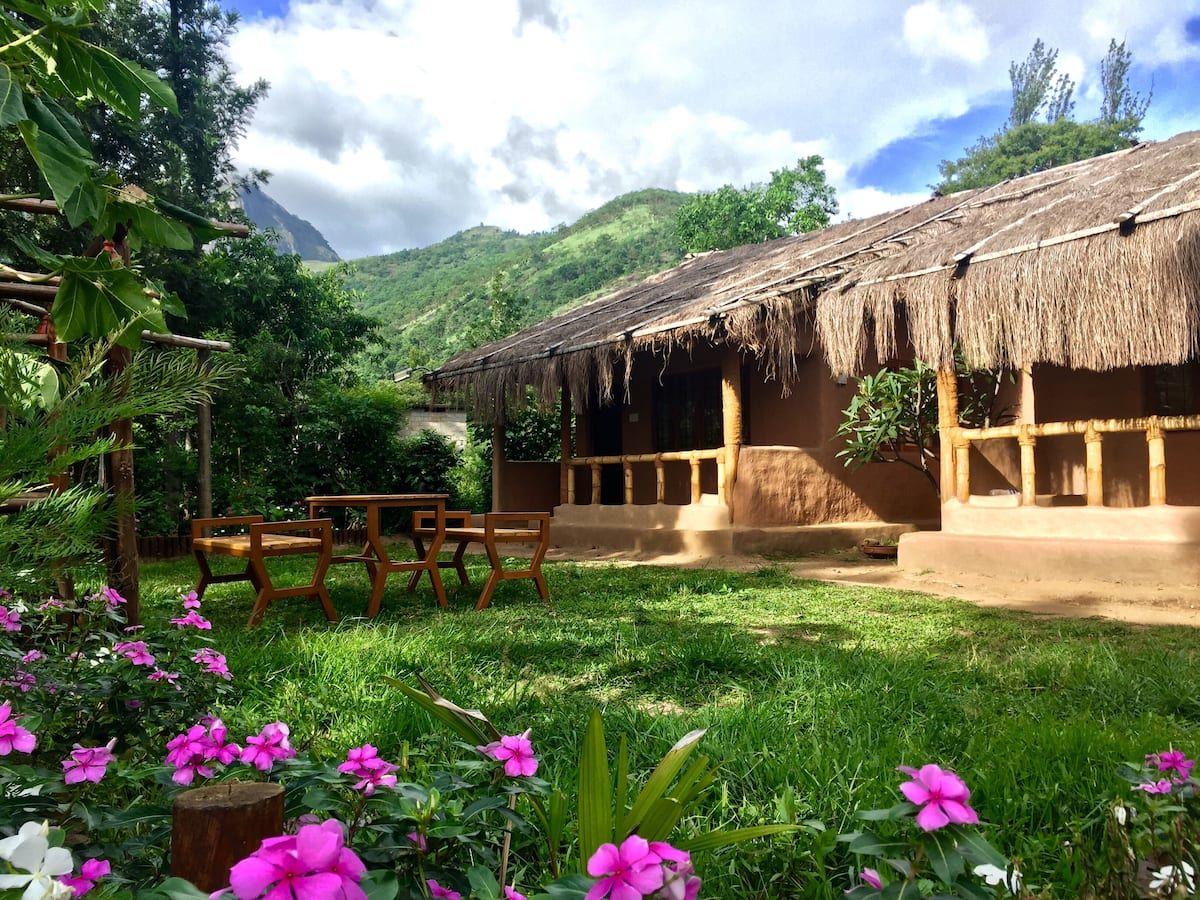
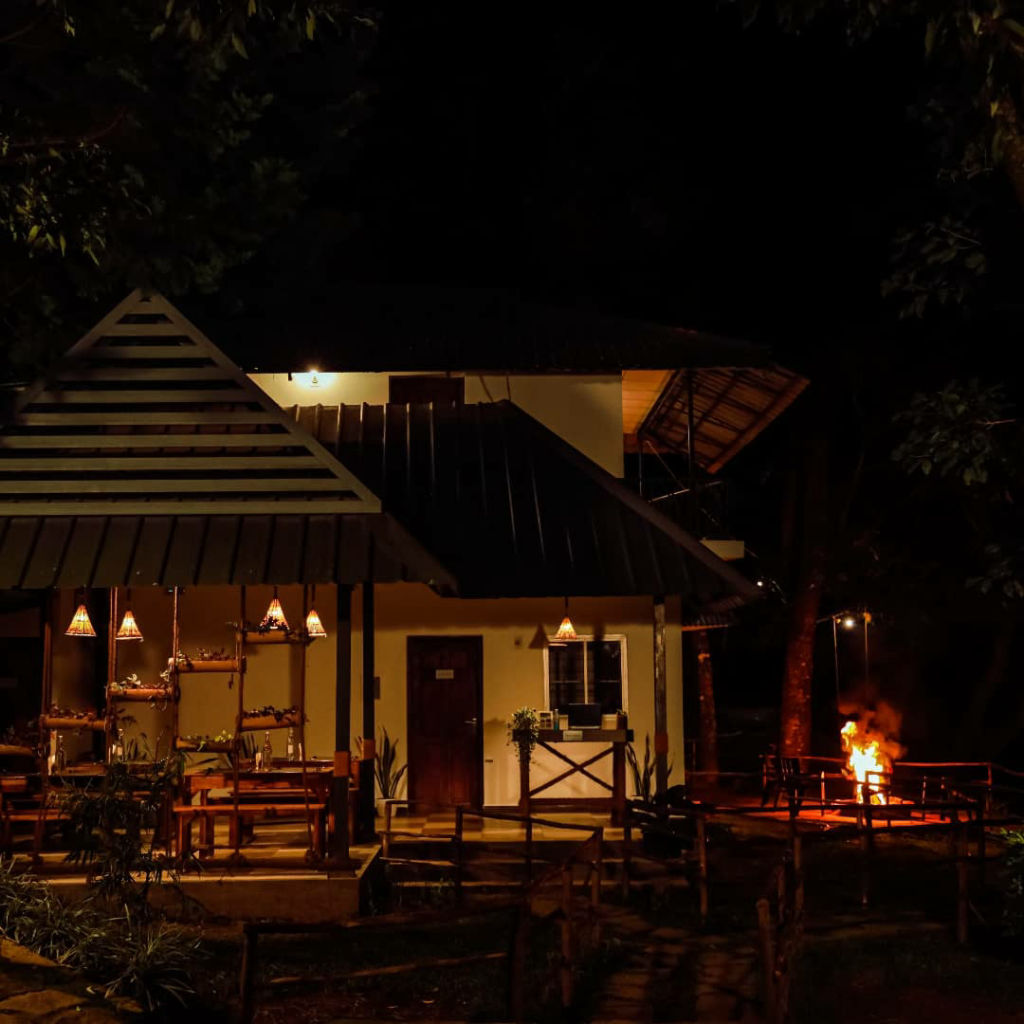
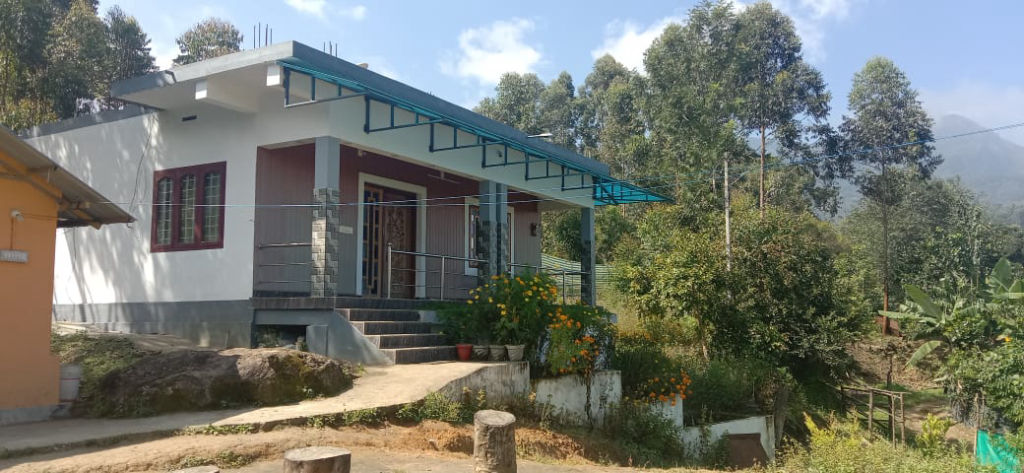
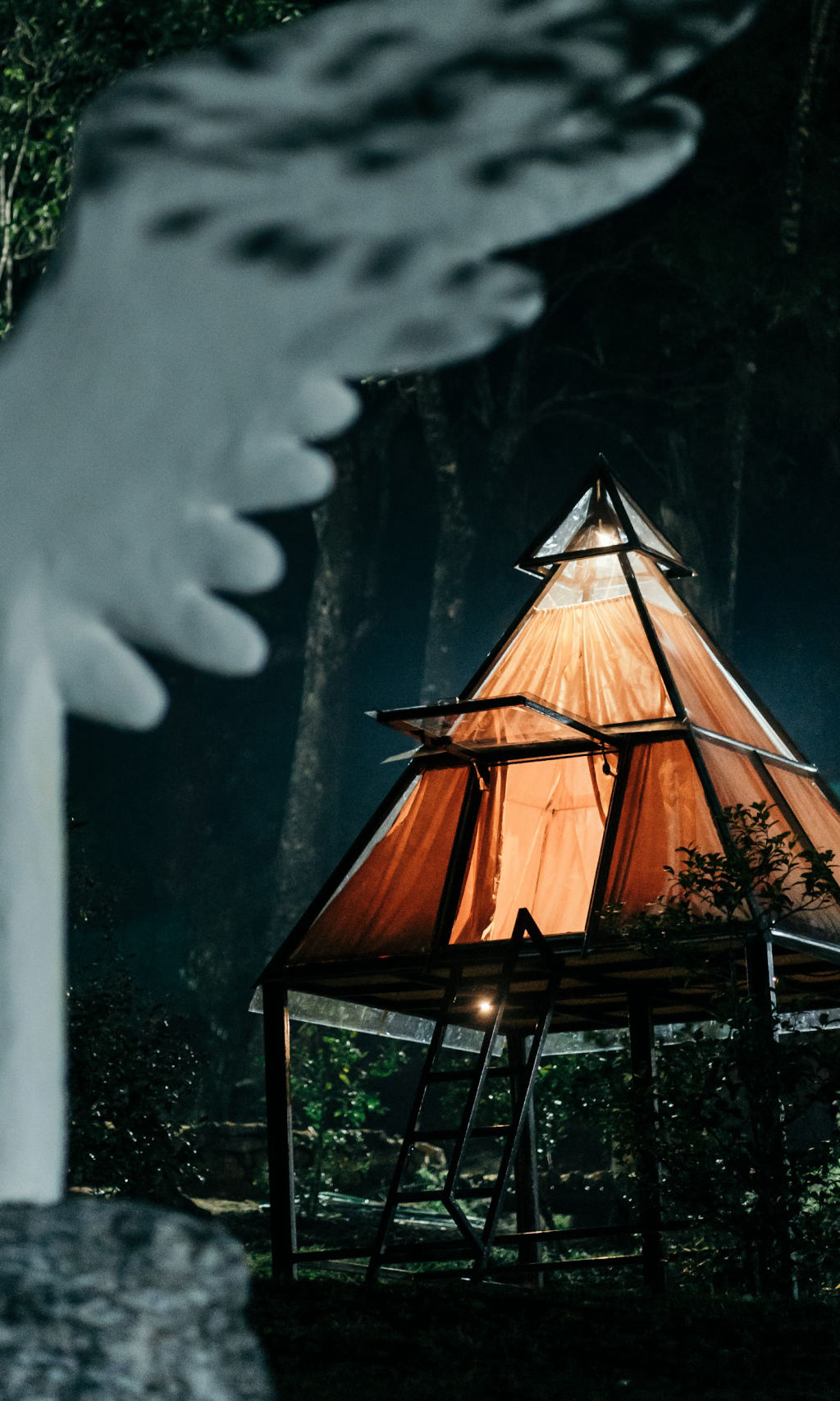
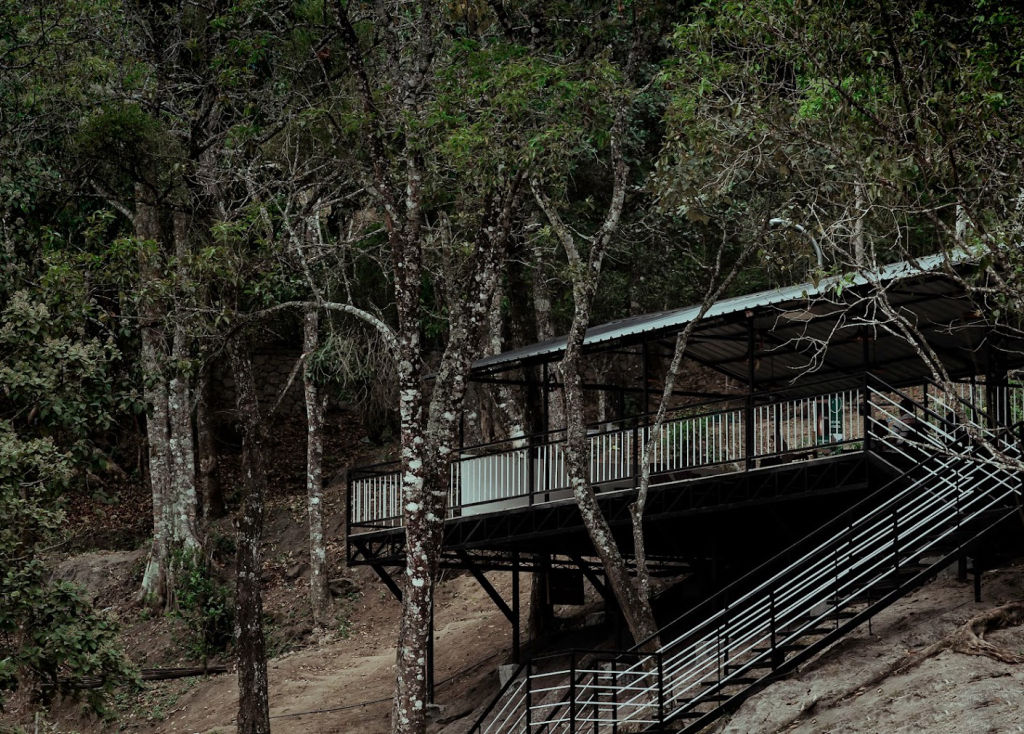
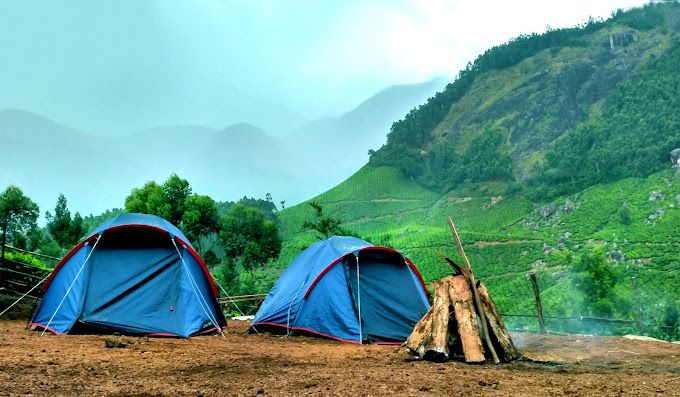
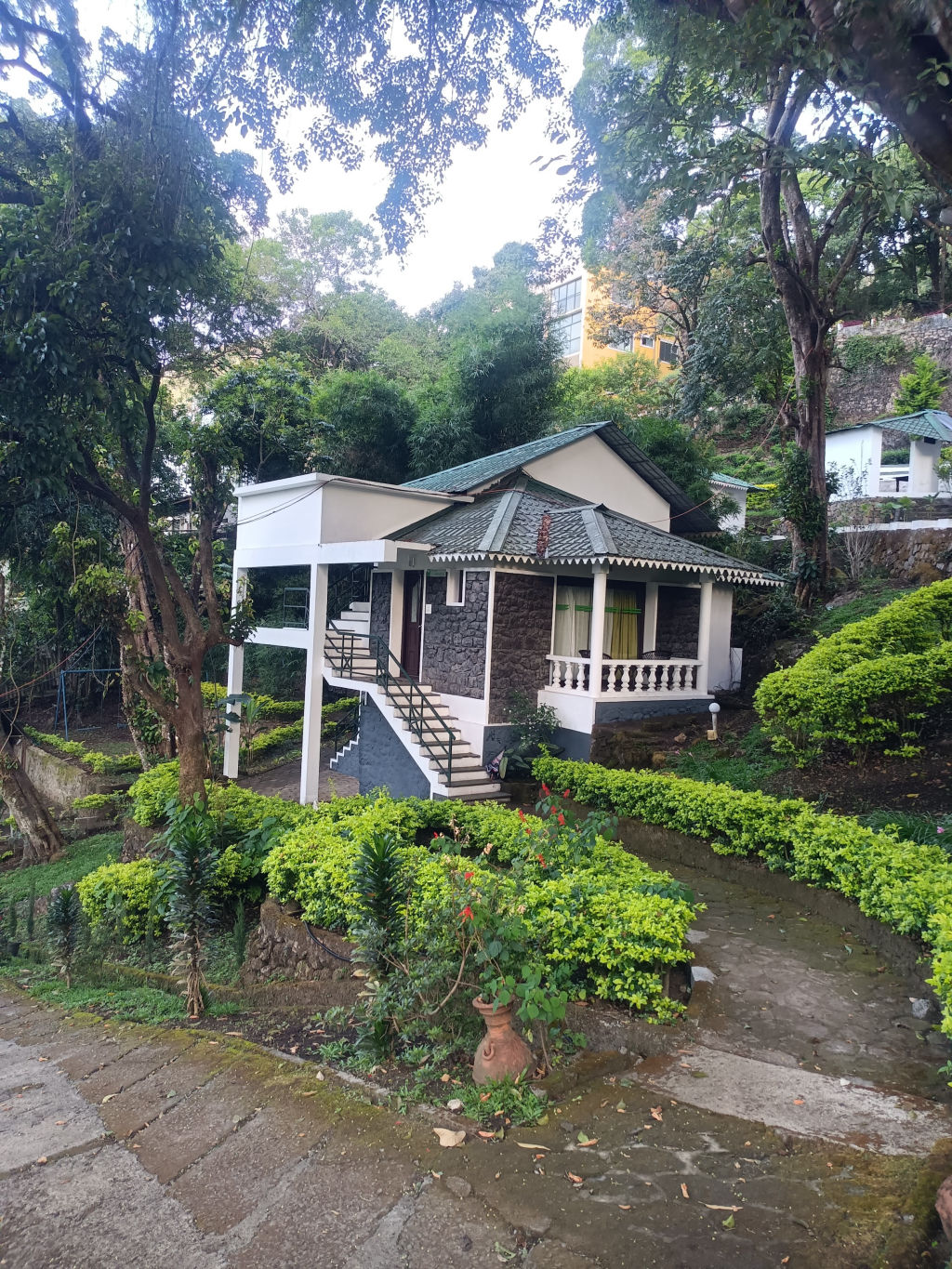
You can find outdoor campsites, authentic homestays, and rustic nature cottages in and around the Devikulam and Marayoor region on HireACamp. Booking your stay nearby allows you to explore the reserve in the fresh morning hours before the day warms up.
Frequently asked questions
What is unique about the Marayoor Natural Sandal Reserve?
It is the only place in Kerala where sandalwood trees grow wild and naturally in a vast natural forest stand, protected by state conservation laws.
Where is the reserve located?
The reserve is located in the Devikulam administrative area of Idukki district in Kerala, roughly 40 kilometres from the hill station of Munnar.
Can visitors collect sandalwood from the forest floor?
No, collecting or removing any sandalwood, including fallen twigs or bark, is strictly illegal and subject to severe penalties under wildlife and forest protection laws.
What else can I see around Marayoor?
Visitors can explore ancient megalithic dolmens, prehistoric rock art caves, nearby waterfalls, and surrounding sanctuaries such as Grass Hills National Park.
Where you'll be
Devikulam · 12 stays nearby shown with prices
Stays near Marayoor Natural Sandal Reserve
Book a place to stay close by
More places near Marayoor Natural Sandal Reserve
Within 20 km


Lists for this area
Ranked by how many creators recommend each place


Built from 0 Instagram posts by 0 creators. Every tip links back to the post it came from, and where creators disagree we show both sides.






