
Dharamsala
Destination in Himachal Pradesh
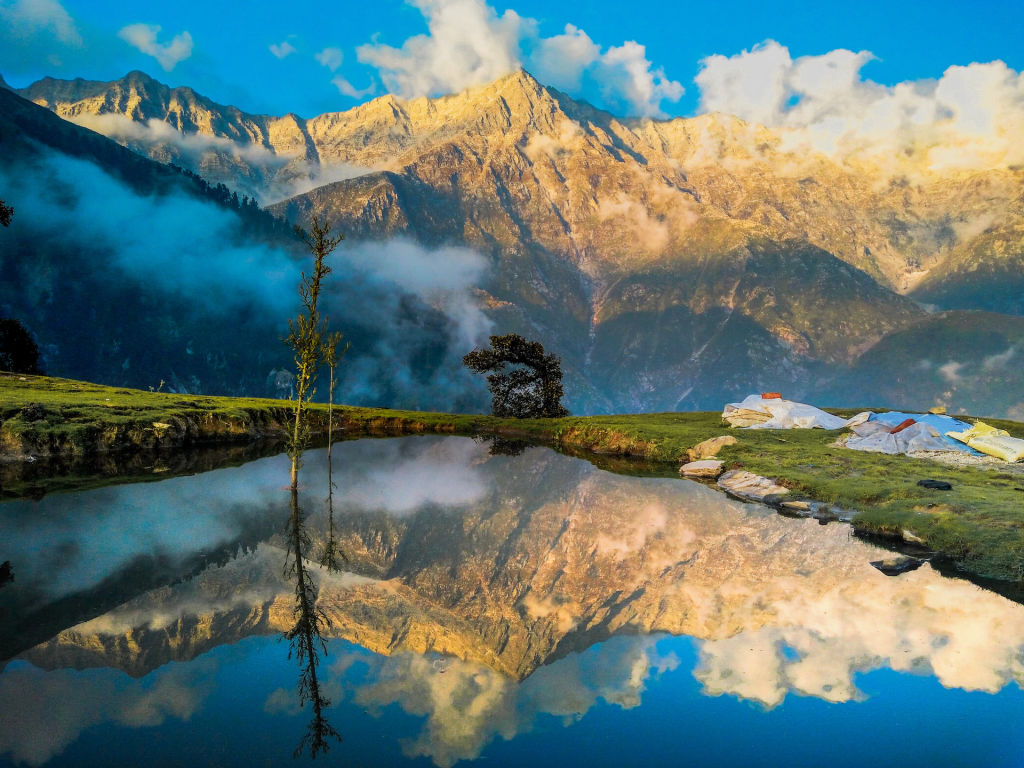
Dharamsala is a scenic hill town in the Kangra district of Himachal Pradesh, set against the backdrop of the rugged Dhauladhar mountain range. Known worldwide as the residence of the Dalai Lama and the administrative centre of the Tibetan exile community, it attracts travellers seeking spiritual quiet, mountain walks, and rich regional culture. Visitors come to explore pine-covered slopes, peaceful monastic complexes, and the historical riches of the surrounding Kangra Valley.
Getting there
By road
- From Amritsar4 hr 15 min · 203 km
- From Ludhiana4 hr 20 min · 205 km
- From Chandigarh5 hr 15 min · 248 km
Typical drive times without traffic. Stations and airports from OLA Maps; distances and typical drive times from OpenStreetMap (© OpenStreetMap contributors); notes from creators' Reels.
About Dharamsala
Written with AI from map data and general knowledge. Check prices and timings locally before you go.
What Dharamsala is known for
Dharamsala is celebrated across the world as a primary cultural and spiritual hub in northern India. Resting in the shadow of the dramatic Dhauladhar range, the town is divided into two distinct zones: Lower Dharamsala, the commercial and administrative heart filled with bustling local markets, and Upper Dharamsala, which encompasses McLeod Ganj and surrounding hillside hamlets. The town gained international prominence in 1959 when His Holiness the Dalai Lama established his exile residence here, infusing the region with rich Tibetan Buddhist traditions, art, and philosophical learning.
Beyond its spiritual importance, Dharamsala is famous for its mountain scenery. Dense forests of oak, pine, and Himalayan cedar climb the ridges, framing wide views across the Kangra Valley below. The town is also an established centre for traditional handicrafts, woollen garments, and Kangra miniature paintings, giving travellers a glimpse into the confluence of indigenous Himachali heritage and preserved Tibetan art.
Things to do in Dharamsala
Wandering through Dharamsala offers a relaxed rhythm shaped by crisp mountain air and pine-scented paths. In the lower town, travellers can explore the vibrant local bazaars, where artisans craft brass singing bowls, prayer wheels, and hand-woven woollen shawls. A visit to the local art and cultural centres provides insight into Kangra heritage, with displays of traditional costumes, ancient manuscripts, and intricate miniature paintings that depict Pahari folklore.
For outdoor lovers, the surrounding hills are full of winding paths. Walking through the deodar woods between lower and upper neighbourhoods allows you to slow down and observe mountain birdlife, bubbling seasonal streams, and tranquil forest pockets. The area is also well known for wellness retreats, yoga centres, and classes in meditation and traditional healing arts, inviting visitors to unwind and focus on personal wellbeing.
Read more
Exploring McLeod Ganj and the upper ridges
Just uphill from Dharamsala lies the lively neighbourhood of McLeod Ganj, often referred to as Little Lhasa. This upper enclave is the spiritual core of the Tibetan exile community, featuring peaceful monastery complexes, colourful prayer flags fluttering across hilltops, and streets filled with traditional handicraft stalls. Walking the temple kora, the sacred circuit encircling the monastic grounds, is an essential experience where visitors walk alongside monks and local elders spinning prayer wheels in contemplative rhythm.
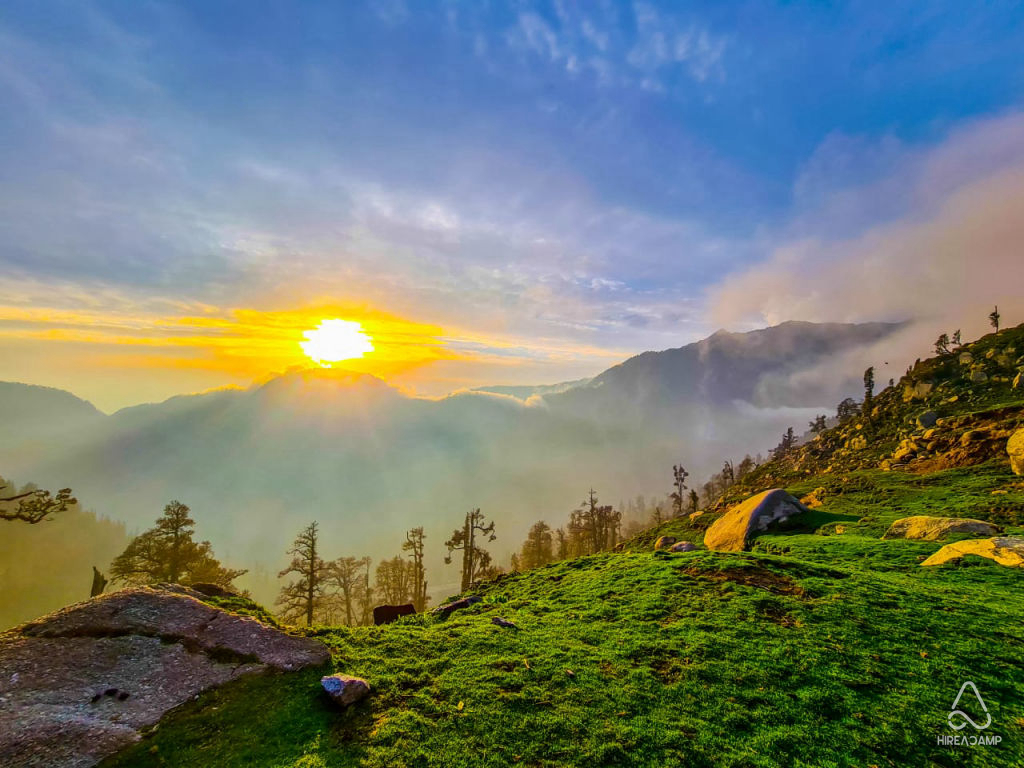
Beyond the monastery settlements, the upper ridges lead directly to popular trailheads that head into the higher reaches of the Dhauladhar range. Trails rise toward alpine pastures, offering sweeping panoramas of snow-dusted summits and the sprawling valley below. The cool mountain air, vibrant prayer halls, and peaceful footpaths through high cedar forests make spending time around McLeod Ganj a memorable part of any Dharamsala journey.
Day trips and places to visit nearby
Dharamsala serves as a practical base for exploring the rich historical and natural attractions of the broader Kangra Valley. Roughly sixteen kilometres south of the town stands Kangra Fort, one of the oldest recorded hill forts in India. Perched high above the confluence of two rivers, the fortress walls, carved stone gateways, and ancient temples tell stories spanning thousands of years of regional history, with expansive views across the verdant river basin.
Another notable destination is the historic Nagni Mata Temple, located roughly twenty-five kilometres away in the foothill countryside. Local folklore surrounds the shrine, making it a peaceful stop for cultural travellers interested in regional Himachali faith and architecture. Additionally, the rolling tea gardens across the valley and the ancient rock-cut shrines scattered throughout the district make excellent excursions, easily connected by roads winding through pastoral villages and terraced farms.
Best time to visit Dharamsala
Dharamsala experiences four distinct seasons, each offering a different atmosphere. Spring and early summer, spanning from March through June, bring pleasant daytime temperatures and clear skies, making it the most popular time for sightseeing, hiking, and outdoor excursions. The mountain slopes are vibrant with fresh greenery, and views of the surrounding peaks are crisp and reliable.
The monsoon arrives in July and lingers until mid-September, turning the Kangra Valley deeply green and cloaking the hills in rolling mist. While rainfall can be heavy and mountain roads require cautious driving, the lush scenery and peaceful atmosphere appeal to travellers seeking quiet retreat. Autumn, from late September through November, offers golden sunlight, crisp mountain breezes, and exceptional visibility across the ranges. Winters, running from December through February, bring sharp chills and occasional snowfall to the higher reaches, perfect for those wanting to experience crisp alpine air.
How to reach Dharamsala
Dharamsala is well connected to the rest of northern India through road, air, and rail networks. For air travel, the nearest domestic terminal is Kangra Airport at Gaggal, located a short drive down in the valley. The airport handles regular commercial flights from Delhi and select northern cities, though schedules can be subject to seasonal mountain weather, so confirming flight status locally before travelling is always advisable.
Travellers arriving by train typically use Pathankot Railway Station, located approximately eighty-five kilometres away, which connects reliably to major Indian rail hubs. From the station, frequent regional buses and private taxis ply the scenic uphill route to Dharamsala. Overnight long-distance buses also run daily from Delhi, Chandigarh, and other major northern cities, dropping travellers directly at the central bus stands in lower Dharamsala or McLeod Ganj.
Where to stay in Dharamsala
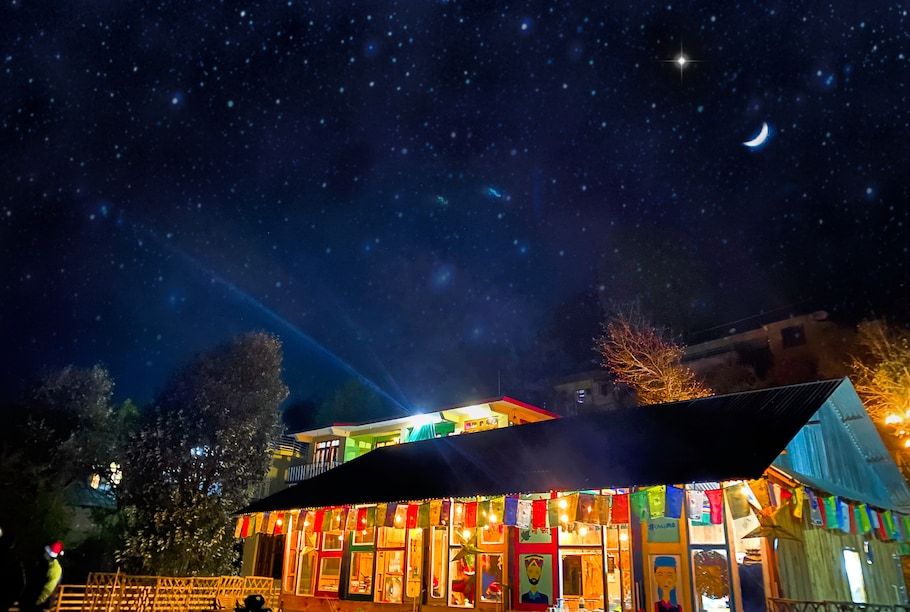
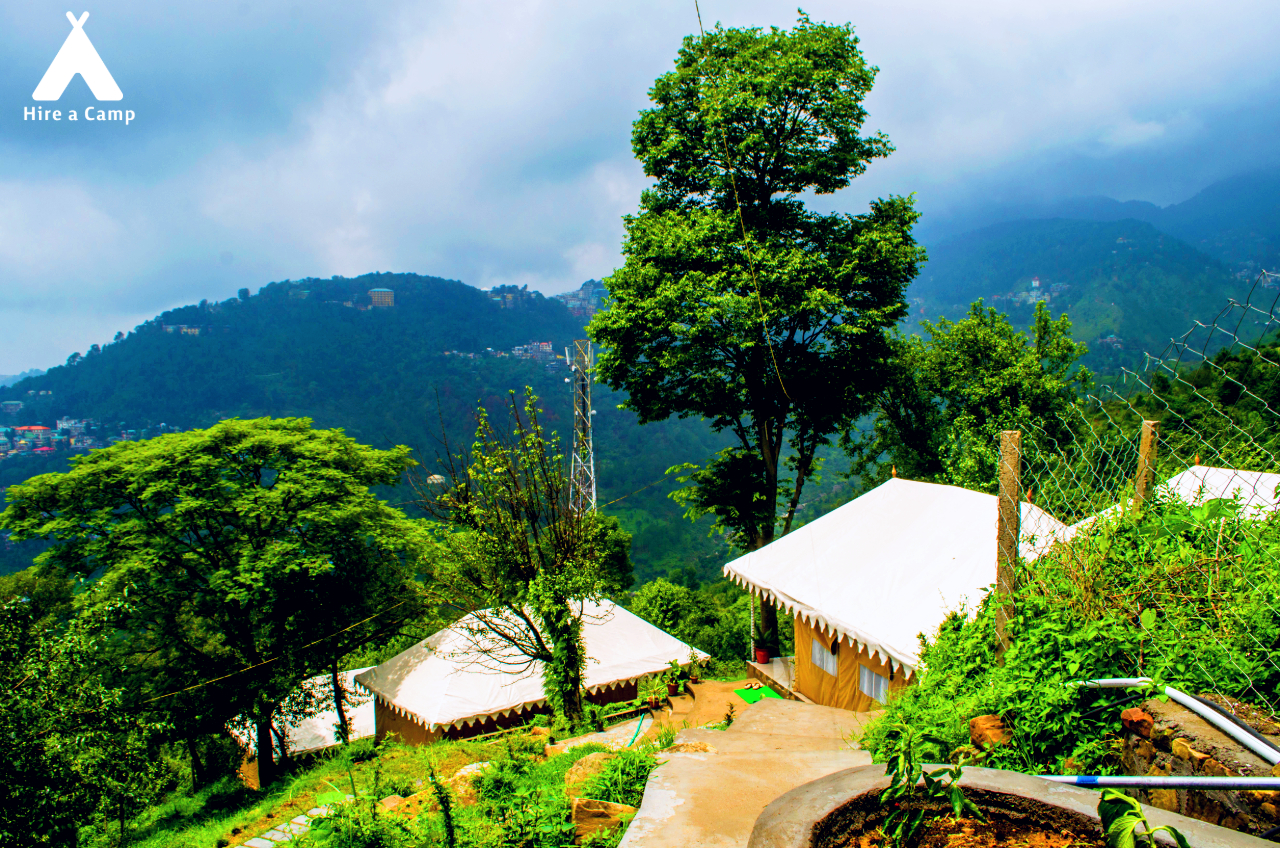
Accommodations around Dharamsala cater to diverse travel styles, ranging from peaceful riverside camps and village homestays to quiet mountain cottages nestled inside cedar groves. If you prefer lively lanes, proximity to monasteries, and walkable access to markets, staying closer to McLeod Ganj or the central town areas is very convenient.
Those seeking quiet settings, uninterrupted mountain panoramas, and fresh pine air often choose stays in outlying hamlets or down in the tranquil tea estates of the Kangra Valley. A wide variety of verified homestays, nature retreats, and outdoor campsites across Dharamsala and nearby villages can be found and booked on HireACamp.
Tips for your visit to Dharamsala
When planning your journey to Dharamsala, pack clothing appropriate for shifting mountain weather. Even during the warmer summer months, evenings can turn cool, requiring a light jacket or fleece. If you plan to visit monasteries or temples, dress modestly with shoulders and knees covered, and remember to walk clockwise around shrines, stupas, and prayer walls in keeping with local custom.
Be prepared for steep climbs and stone-paved stairs across both upper and lower neighbourhoods. A good pair of sturdy walking shoes is indispensable whether you are exploring bustling market alleys or venturing onto dirt nature trails. Mountain roads can become narrow and congested during peak travel periods, so allow extra travel time when journeying between lower Dharamsala and the higher settlements.
Frequently asked questions
What is the difference between Dharamsala and McLeod Ganj?
Dharamsala is the larger administrative town situated lower on the hillside, while McLeod Ganj is an upper settlement located about twelve kilometres uphill that serves as the centre for the Tibetan exile community and the residence of the Dalai Lama.
How many days are ideal for a trip to Dharamsala?
A trip of three to four days is ideal to visit the monasteries, explore local markets, take gentle mountain walks, and take a day excursion to Kangra Fort.
Does Dharamsala get snow in winter?
Lower Dharamsala rarely sees snow, but the upper ridges and neighbouring areas such as McLeod Ganj and Dharamkot occasionally receive snowfall during the coldest winter weeks in January and February.
What should I pack for a trip to Dharamsala?
Bring comfortable, sturdy shoes for walking on steep paved slopes and trails, breathable layers for daytime sightseeing, and warm fleece or woollens for cool mornings and evenings. Rainwear is essential if you travel between July and September.
What are good day trips to take from Dharamsala?
Popular day trips include visiting the ancient ramparts of Kangra Fort, paying respects at Nagni Mata Temple, and walking through the terraced tea gardens of the surrounding Kangra Valley.
Where you'll be
4 stays nearby shown with prices
Stays near Dharamsala
Book a place to stay close by
Things to do in Dharamsala
48 places creators recommend within 30 km


Built from 0 Instagram posts by 0 creators. Every tip links back to the post it came from, and where creators disagree we show both sides.






