
Triund
Peak near Dharamshala, Himachal Pradesh
4.5 km from Dharamshala
The nearest town, for stays, food and fuel.
Triund is a scenic ridge located at the base of the Dhauladhar Range in the Dharamsala sub-district of Himachal Pradesh. Positioned high above the Kangra Valley, it is one of the most accessible and celebrated trekking destinations in the region. Walkers and nature lovers make the journey to witness sweeping views of towering alpine peaks and the vast, open plains stretching out below.
Getting there
By road
- From DharamshalaNearest town17 min · 9.5 km
- From Ludhiana4 hr 20 min · 199 km
- From Amritsar4 hr 20 min · 204 km
- From Chandigarh5 hr 10 min · 241 km
Typical drive times without traffic. Stations and airports from OLA Maps; distances and typical drive times from OpenStreetMap (© OpenStreetMap contributors); notes from creators' Reels.
About Triund
Written with AI from map data and general knowledge. Check prices and timings locally before you go.
About Triund
Triund is a high-altitude ridge crest situated in the foothills of the western Himalayas, overlooking the town of Dharamsala and the settlement of McLeod Ganj. The ridge serves as a natural lookout point, resting under the shadow of the imposing Dhauladhar mountains. It marks a transition between the dense sub-alpine forests of the lower hills and the stark, windswept rock faces of the higher ranges. Travellers from across the country visit the ridge to experience mountain walking without needing technical mountaineering skills.
Historically, the ridge formed part of the migratory paths traversed by local Gaddi shepherds moving their sheep and goats toward upper summer meadows. Over the decades, as Dharamsala and McLeod Ganj grew into major centres for culture and mountain tourism, Triund developed into a favoured path for day hikers and backpackers. Despite its regular footfall, the wide ridge top still offers an untamed atmosphere, characterized by wide meadows, open skies, and untamed mountain winds.
The trek to Triund
The trail up to Triund is celebrated as a classic Himalayan day hike that offers a balanced challenge for walkers of varying experience levels. Most trekkers begin their foot journey from trailheads near McLeod Ganj, Dharamkot, or Gallu Devi. The route starts under a canopy of oak, pine, and deodar trees, where the path is relatively wide and shaded. As you gain elevation, the trees gradually give way to shrubby growth, and the footpath becomes rockier and more uneven.
Toward the upper portion of the route, the trail steepens considerably into a well-known sequence of continuous switchbacks. These curves test endurance as you approach the top, but the trail remains well marked and clearly defined throughout. Small rest points operated by local mountain residents are situated along the path, providing shaded seating and basic refreshments. Pacing yourself carefully and maintaining a steady stride makes the climb rewarding and approachable for beginners and seasoned hikers alike.
Read more
Landscape and wildlife of the ridge
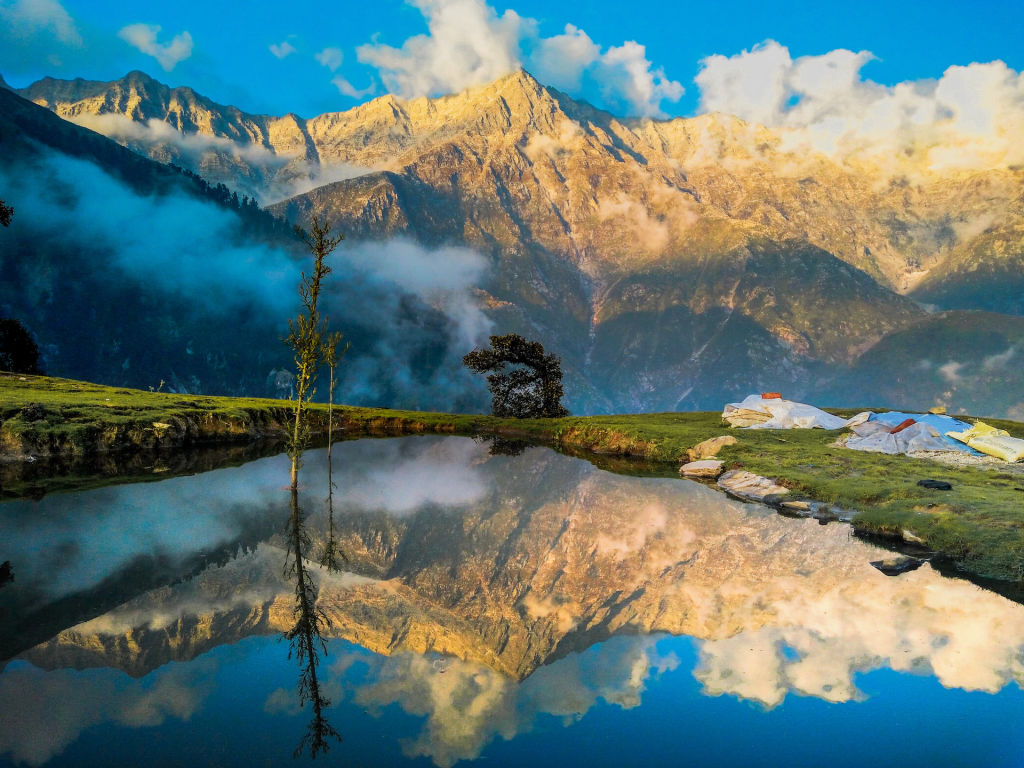
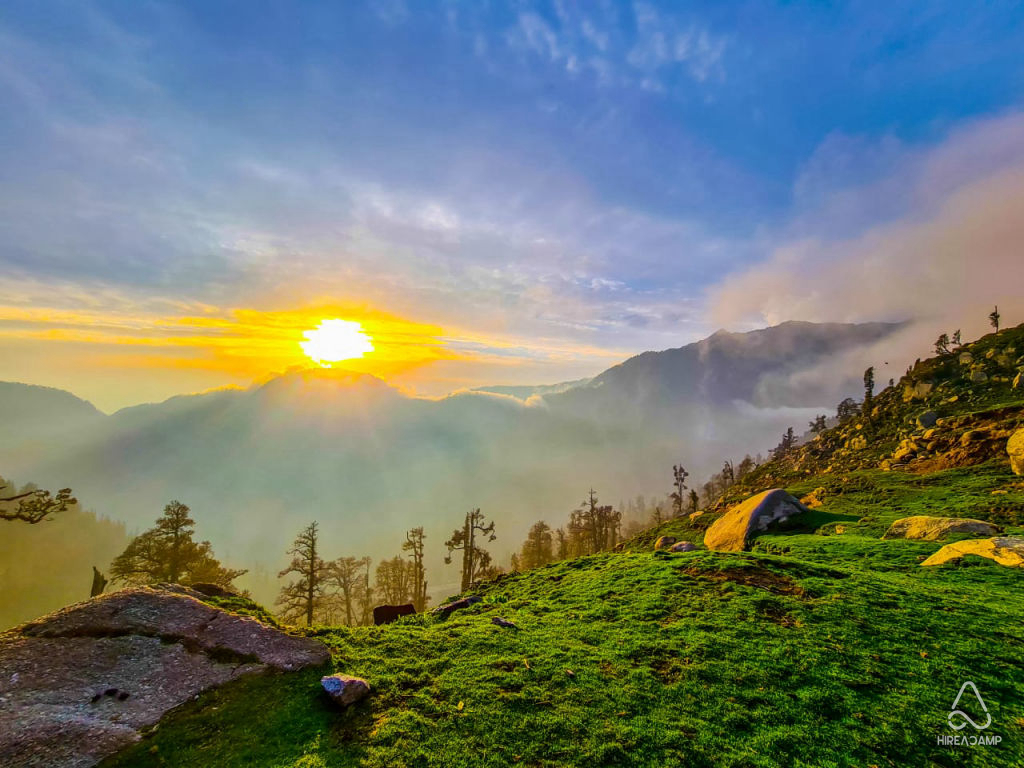
The natural setting around Triund is defined by extreme geological contrast. Directly behind the grassy ridge, the Dhauladhar Range rises abruptly as a near-vertical wall of dark granite, cleft with ravines and frequently topped with snow. Looking in the opposite direction, the southern panorama opens up to reveal the entire Kangra Valley, with its terrace farms, winding streams, and distant low hills receding into the horizon. The shifts in light throughout the day create striking views as shadows move across the valley floor.
Wildlife and mountain plants thrive in the forests and rocky pastures surrounding the ridge. In the spring months, the lower slopes are brightened by the red and pink blossoms of native rhododendron trees. High-altitude bird species are regularly observed overhead, including the Himalayan griffon vulture, black kites, and red-billed choughs gliding along the updrafts. In the quieter forested stretches, observant hikers may spot pheasants, mountain hares, and various migratory woodland birds nesting among the oak groves.
Best time to visit Triund
Weather at Triund changes dramatically with the mountain calendar, making timing an essential factor when planning a trip. The pre-monsoon window from April to June is one of the most reliable periods to hike. During these months, the daytime temperatures are moderate, forest trails are dry, and the skies are generally clear, allowing for expansive views across the valleys, though nights on the ridge can still be chilly.
Autumn, from late September through November, offers another excellent window. After the monsoon rains retreat, the atmosphere is washed clean, providing the sharpest visibility of the year and crisp, invigorating air. Winter sets in between December and February, bringing substantial snowfall that carpets the ridge and transforms the route into a winter walking experience. Snow treks require warmer layers and careful footing, as exposed switchbacks can freeze over. The mid-summer monsoon season during July and August brings heavy downpours, making the rocky trail slick and prone to muddy conditions, so trekking is generally approached with caution during peak rainfall.
How to reach Triund
The journey to Triund begins by travelling to Dharamsala or McLeod Ganj, which act as the primary gateways to the upper trails. Both towns are linked to regional transport networks across northern India. Overnight state-run and private buses connect Dharamsala with hubs such as Delhi, Chandigarh, and Pathankot. Travellers arriving by train generally alight at Pathankot, from where local buses and shared taxis make the climb into the hills. The regional airport at Gaggal, located near Kangra, offers domestic flights that connect directly with major cities.
Once in Dharamsala or McLeod Ganj, hikers can take local taxis, auto-rickshaws, or short walks up to Dharamkot or the trailhead at Gallu Devi. From these trailheads, road access ends, and the ascent to Triund must be completed entirely on foot. Taking an early morning start from your base in the valley ensures ample daylight to complete the hike and return comfortably.
Tips for trekking to Triund
A successful excursion to Triund relies on sensible preparation and respect for mountain conditions. Wear supportive footwear with deep tread to provide traction on loose gravel and uneven rocky steps. Dressing in layers is the best way to handle changing temperatures, as the heat generated while climbing uphill can quickly dissipate in the cool winds at the top. Carry a windproof jacket, a warm fleece, and a basic waterproof layer in case clouds gather unexpectedly.
Staying hydrated is vital during the ascent, so carry an adequate supply of drinking water along with energy-dense trail snacks. Trekking poles can prove helpful in reducing joint impact, particularly on the downward journey over steep stone sections. Triund is an ecologically fragile alpine habitat, so visitors are expected to observe strict environmental manners. Bring down all wrappers, bottles, and personal litter to town disposal points, and always check current local rules and weather forecasts locally before setting out.
Where to stay around Triund
Most travellers choose to establish their base in the comfortable towns and hamlets situated beneath the ridge. The settlements of McLeod Ganj, Dharamkot, and upper Bhagsu provide peaceful environments surrounded by cedar forests, with pleasant cafes, local markets, and easy access to the trailheads. Staying in these lower altitudes helps walkers rest, prepare their gear, and make an early departure on the morning of their trek.
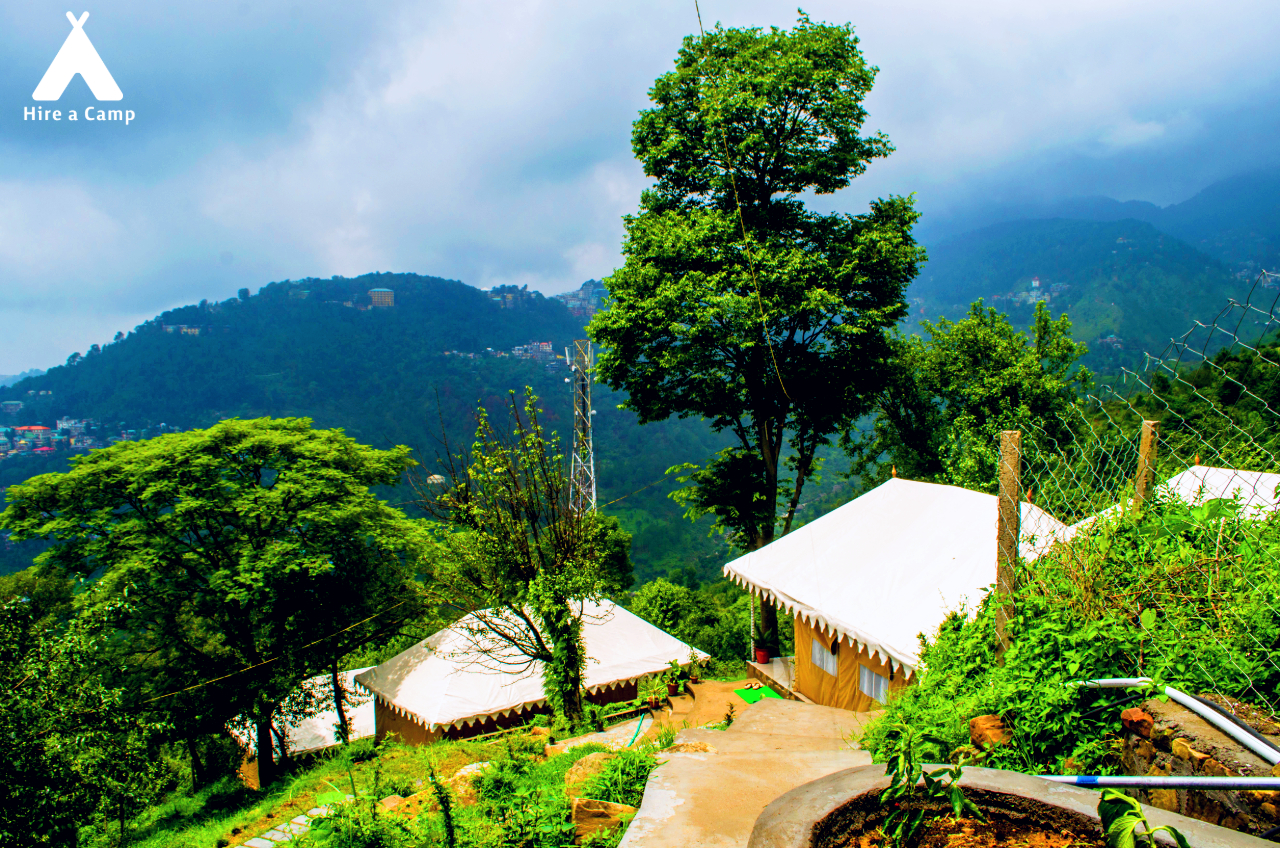
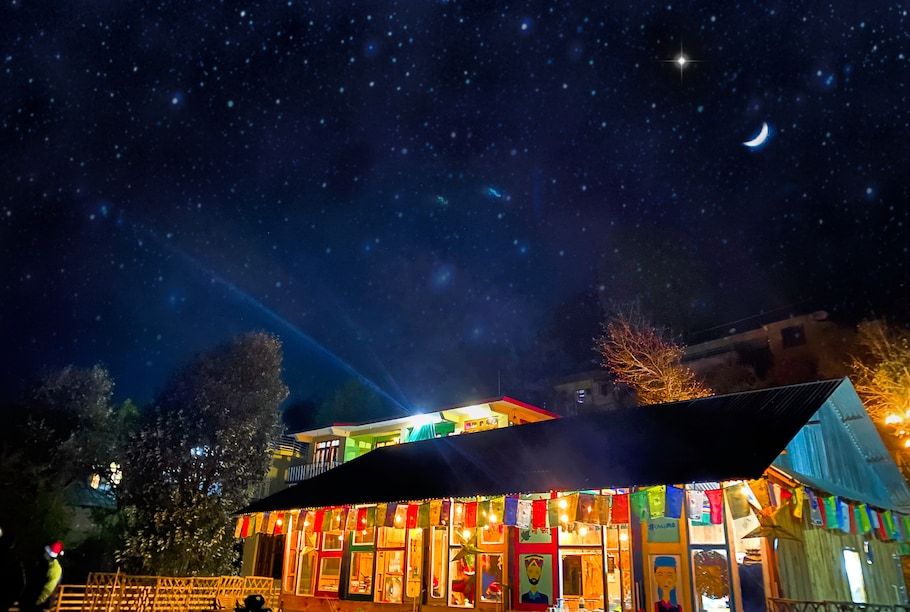
For travellers interested in nature-focused accommodation, including homestays, rustic cottages, and riverside or forest campsites, options across Dharamsala and the wider Kangra district can be discovered on HireACamp. Staying at an established local property ensures a relaxing space to recharge before and after your hike up to the high ridge.
Frequently asked questions
How difficult is the trek to Triund?
The trek is rated as easy to moderate, making it suitable for beginner hikers with an average level of physical fitness. The trail is well-trodden and steady, though the final section features steep switchbacks that require patience and steady footwork.
Can Triund be visited as a day trip?
Yes, many travellers complete the hike to Triund and return on the same day. Starting early in the morning allows sufficient time to spend an hour or two at the ridge before hiking back down in daylight.
Is there snow at Triund?
Snow typically blankets the ridge during the winter months from late December through February. During early spring, lingering snow patches can often be seen along the shaded hollows and on the towering rock faces behind the ridge.
What should I carry for the Triund trek?
Hikers should carry plenty of drinking water, energy snacks, a rain jacket, a warm outer layer for the windy summit, sun protection, and a simple first-aid kit. A sturdy pair of walking shoes and a trekking pole are also strongly recommended.
Are food and water available along the trail to Triund?
Small tea stalls operated by local residents are located along the path during regular trekking months, offering hot beverages, water, and light snacks. It is still wise to carry your own core water and sustenance in case stalls are closed.
Where you'll be
Dharmsala Sub-District · 4 stays nearby shown with prices
Stays near Triund
Book a place to stay close by
More places near Triund
Within 20 km


Built from 0 Instagram posts by 0 creators. Every tip links back to the post it came from, and where creators disagree we show both sides.






