
Dhungri Van Vihar
Wildlife sanctuary near Manali, Himachal Pradesh
1.8 km from Manali
The nearest town, for stays, food and fuel.
Dhungri Van Vihar is a tranquil nature reserve and forested sanctuary situated in Manali, Himachal Pradesh. Sheltered under dense stands of soaring deodar trees, the park offers visitors a peaceful retreat away from the town's busy thoroughfares. People visit to walk shaded woodland trails, observe resident Himalayan birds, and enjoy the refreshing alpine mountain air.
Getting there
By road
- From ManaliNearest town13 min · 3.8 km
- From Chandigarh5 hr 35 min · 266 km
- From Ludhiana6 hr · 296 km
- From Amritsar8 hr 5 min · 407 km
Typical drive times without traffic. Stations and airports from OLA Maps; distances and typical drive times from OpenStreetMap (© OpenStreetMap contributors); notes from creators' Reels.
About Dhungri Van Vihar
Written with AI from map data and general knowledge. Check prices and timings locally before you go.
About Dhungri Van Vihar
Dhungri Van Vihar occupies a scenic pocket of woodland close to the heart of Manali in the Kullu district. Dominated by towering Himalayan cedar and deodar trees, this sanctuary acts as a green buffer that preserves native flora and woodland habitat. It is frequently visited by travellers and local residents seeking quiet walks beneath an expansive evergreen canopy that filters the mountain sunshine into gentle, dappled patterns.
The reserve plays an important ecological role in conserving native plant species and offering refuge to small wildlife and woodland birds. While located within convenient reach of central settlements, the interior of the sanctuary remains calm and unhurried. The aroma of pine resin, damp soil, and cool mountain breezes defines the setting, making it a gentle introduction to the rich Himalayan forest ecosystem without demanding an arduous mountain trek.
Flora and wildlife in the sanctuary
The primary botanical feature of Dhungri Van Vihar is its grove of mature deodar trees, alongside patches of pine, oak, and wild mountain shrubs. The forest floor is covered with native ferns, seasonal wildflowers, and a thick carpet of dried needles. The dense upper canopy provides continuous shade, creating cool temperatures and moist soil conditions that allow mosses and lichens to flourish on fallen logs and boulders.
While not designed for large game viewing, the reserve is a haven for mountain avifauna and small woodland creatures. Attentive birdwatchers often spot species such as the blue whistling thrush, Himalayan bulbul, Eurasian jay, and treecreepers moving through the high boughs. Small mammals, including Himalayan striped squirrels and bats, inhabit the hollows and tree branches. During the early morning hours, birdsong carries clearly throughout the grove, making it an enjoyable outing for naturalists and photographers.
Read more
Things to do at Dhungri Van Vihar
A visit to Dhungri Van Vihar is best experienced at a relaxed pace. Walking along the designated dirt trails allows you to absorb the peaceful ambience of the cedar woods. The paths are largely level and well-trodden, making the area suitable for families, senior travellers, and anyone looking for a low-intensity walk close to nature. Wooden benches and designated clearings provide comfortable spots to sit, read, or simply enjoy the rustle of the wind in the trees.
Photography is another popular pastime within the reserve. The interplay between morning light breaking through the tree crowns and the carpeted forest floor provides compelling compositions for landscape and nature enthusiasts. Birdwatching is particularly rewarding during the early daylight hours when foot traffic is minimal. Travellers can also bring along a notebook or sketchbook to spend an undisturbed hour surrounded by the tall conifers.
Best time to visit Dhungri Van Vihar
The sanctuary can be visited throughout the year, with each season presenting a different face of the Himalayan forest. Spring and summer, spanning from April through June, offer mild daytime temperatures and lush undergrowth, making this the most popular period to take shaded strolls and escape the warmth of the plains.
Autumn, from September to November, brings crisp air, clear blue skies, and golden lighting, creating ideal conditions for photography and birding. Winter brings sharply lower temperatures and occasional snowfall, dusting the evergreen boughs with white and giving the grove a stark, silent quality. The monsoon months of July and August make the vegetation remarkably vibrant, though trails can turn muddy and regional travel requires caution due to mountain rains.
How to reach Dhungri Van Vihar
Dhungri Van Vihar is located within Manali, making it accessible on foot or by local road transport from nearby neighbourhoods. Travellers staying in the central part of town can reach the reserve area via a short walk or a brief ride in a local autorickshaw or taxi.
For those travelling to the region from further away, Manali is connected by road to major transport junctions including Chandigarh, Delhi, and Pathankot. Regular bus services and private vehicles travel north along the highway flanking the Beas River through the Kullu Valley. The closest operational airport is situated at Bhuntar, from which travellers can take a taxi northward. Those arriving by train usually alight at Chandigarh or Pathankot before completing the remainder of their journey into the mountains by road.
Tips for visiting Dhungri Van Vihar
To make the most of your excursion, wear sturdy walking shoes with reliable traction, as paths can have exposed roots, small stones, and patches of damp soil. Because the thick tree canopy keeps the interior cooler than sunny roads nearby, dressing in light layers will help you stay comfortable throughout your walk.
Travellers are encouraged to follow leave-no-trace principles during their visit. Carry reusable water bottles and take all personal rubbish with you to keep the forest floor pristine. Maintain a quiet environment by avoiding loud music, which helps preserve the calm atmosphere for other visitors and prevents disturbing local wildlife. Check locally upon arrival in town for any seasonal notices, weather updates, and daylight access hours.
Places to visit around Manali
Beyond Dhungri Van Vihar, the broader Manali area offers diverse attractions for nature lovers and outdoor enthusiasts. Historic villages and traditional wooden architecture in the surrounding hills showcase local craftsmanship and quiet apple orchard landscapes. Further up the valley, the high alpine meadows and mountain passes offer dramatic panoramic views across the Pir Panjal range.
Travellers with extra time can plan day trips deeper into neighbouring regions, such as scenic hamlets in the Parvati Valley including Pulga, approximately 36 kilometres away, or mountain cascades such as Lapas Waterfalls, located around 39 kilometres away in the broader catchment. These nearby destinations provide a well-rounded glimpse of the varied rivers, forests, and peaks that define Himachal Pradesh.
Where to stay near Dhungri Van Vihar
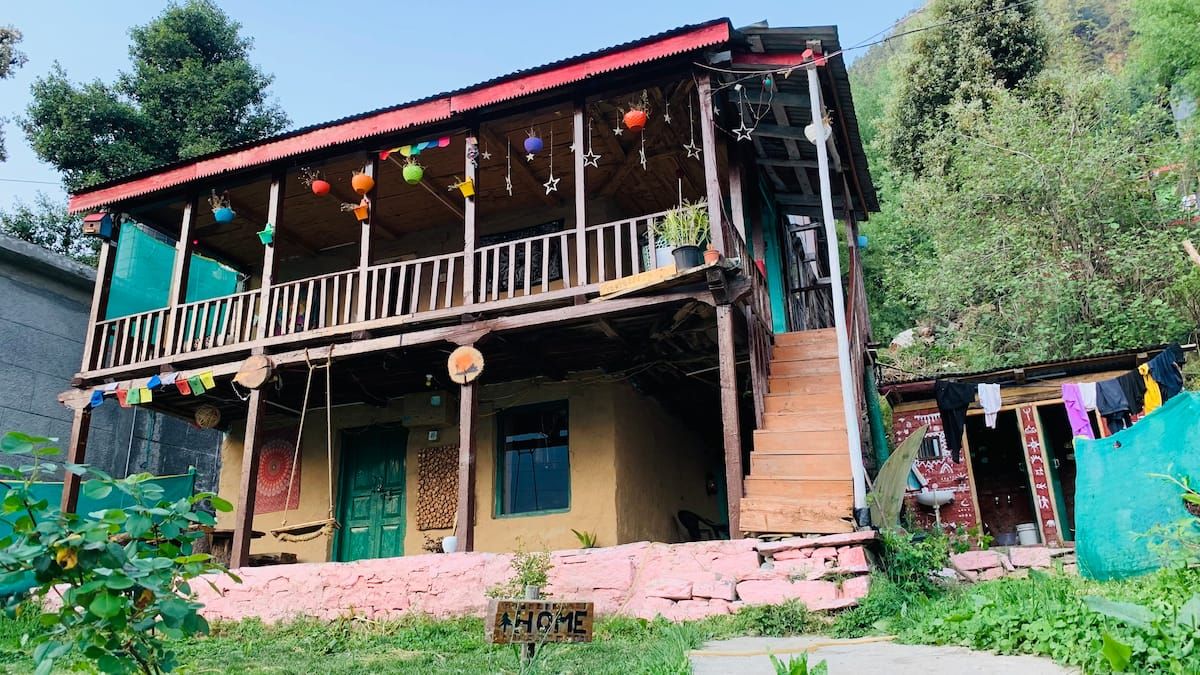
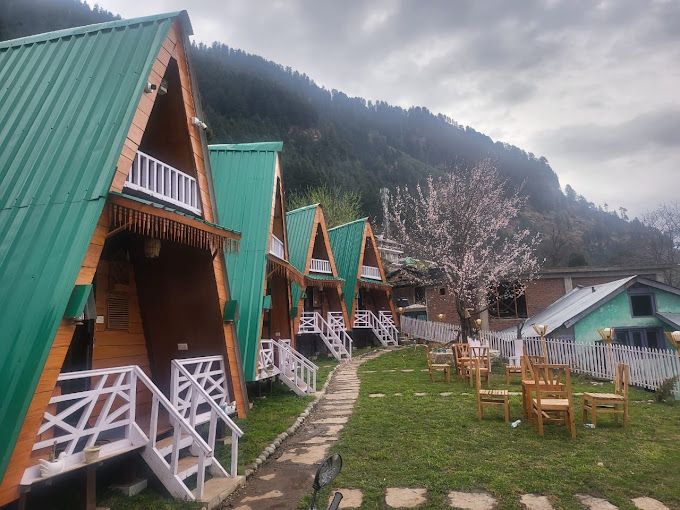
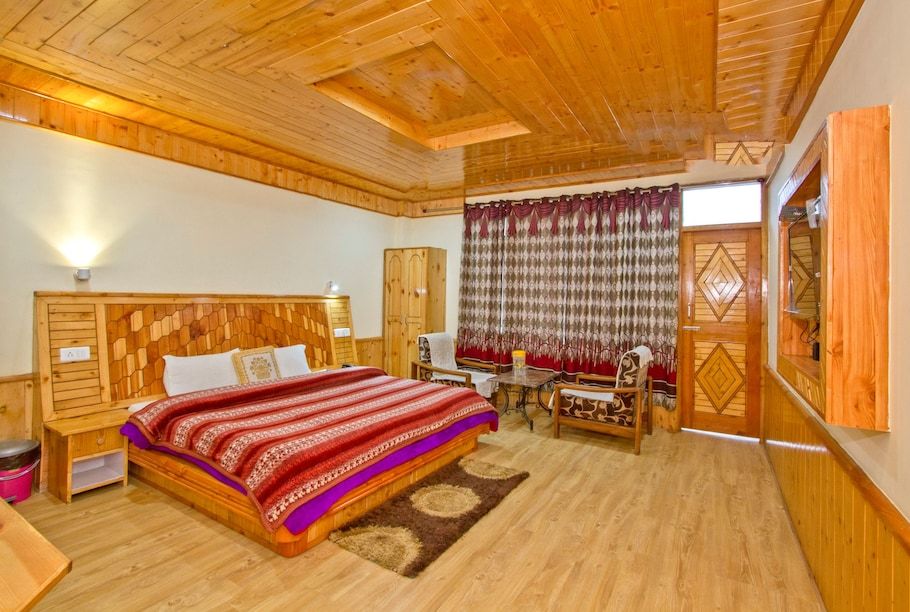
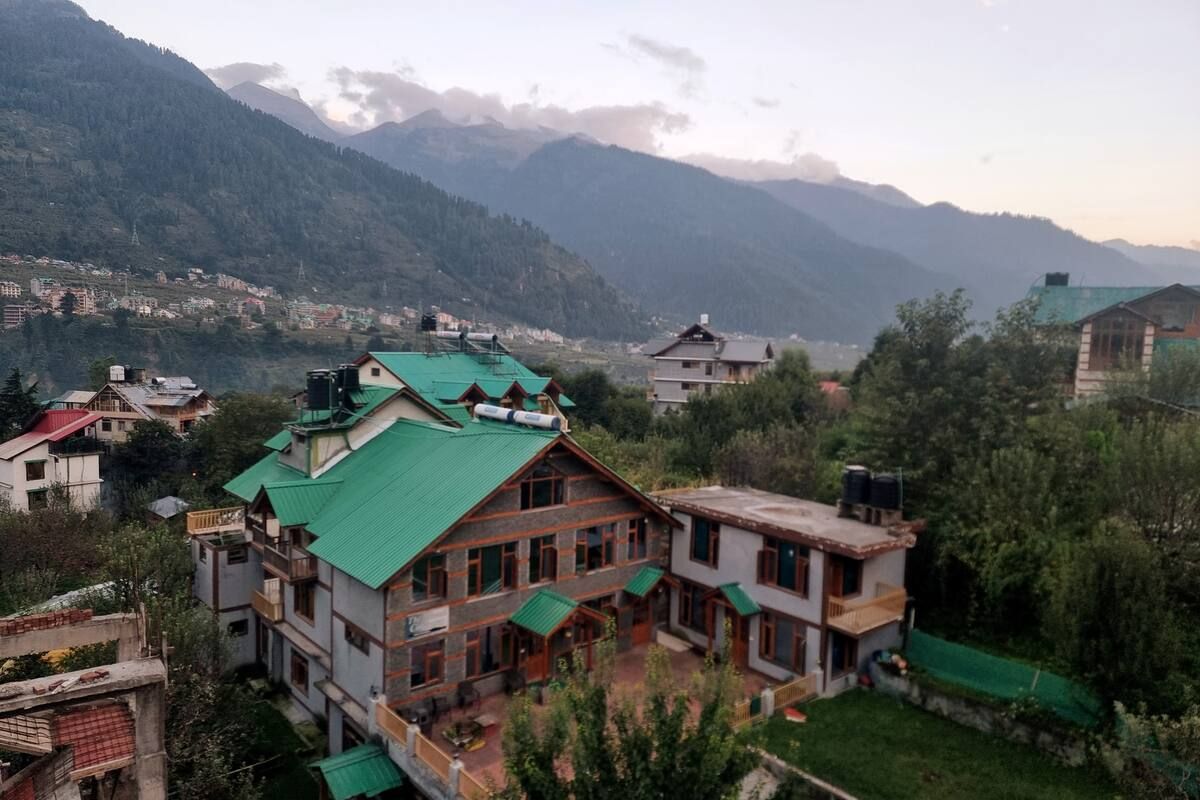
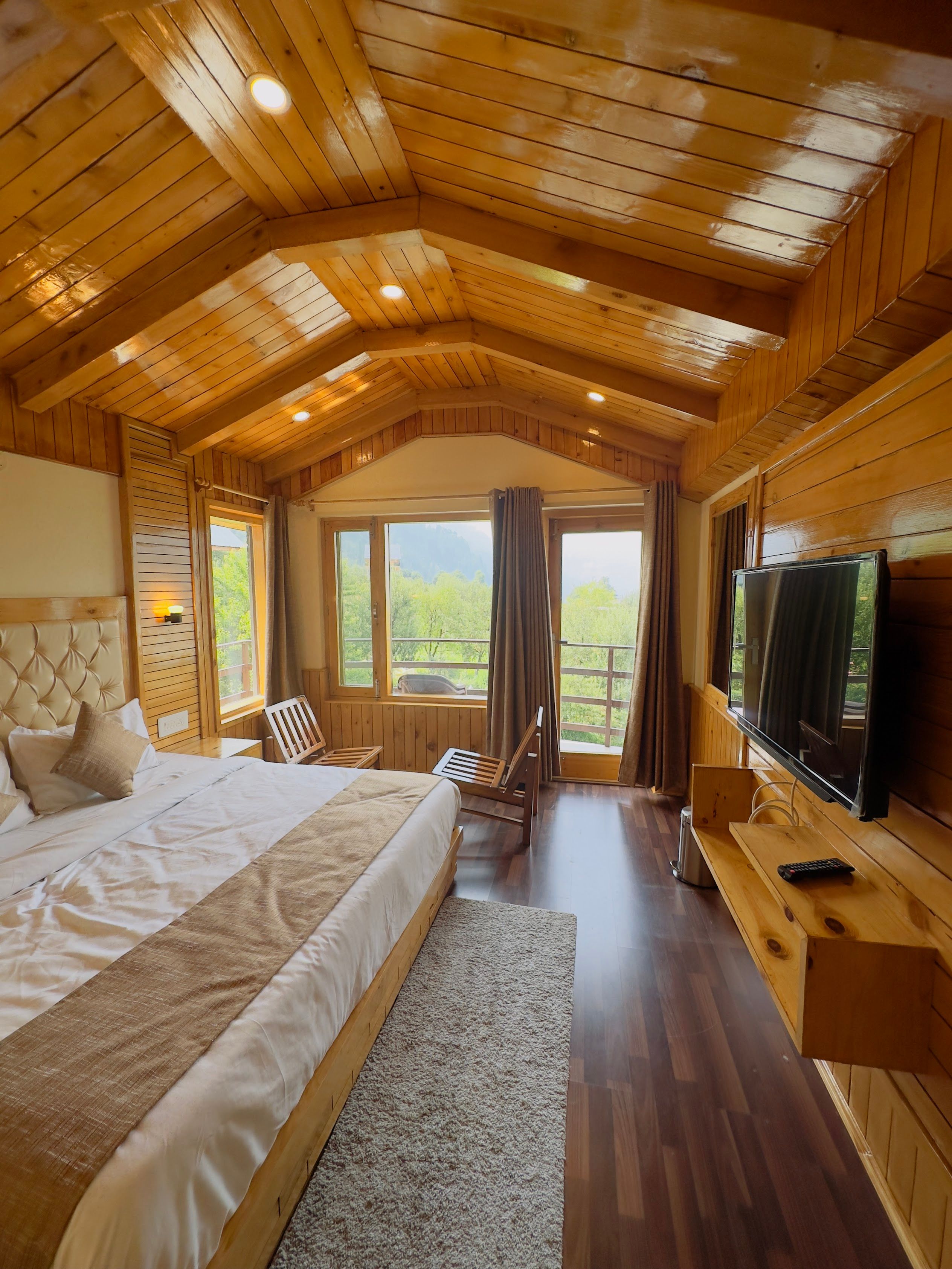
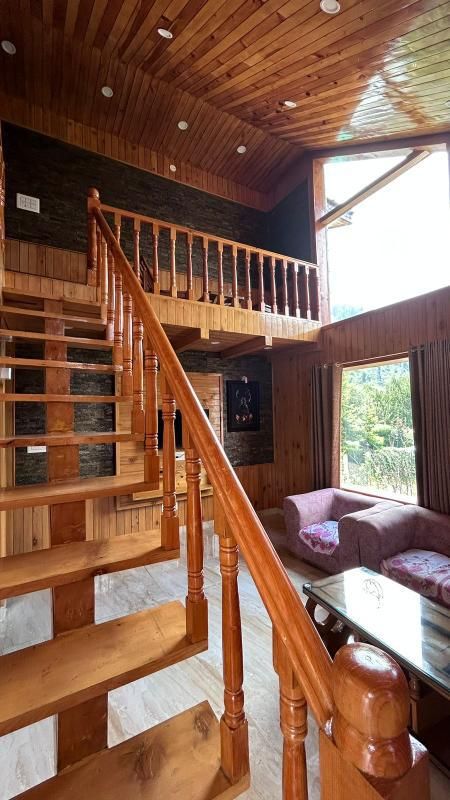
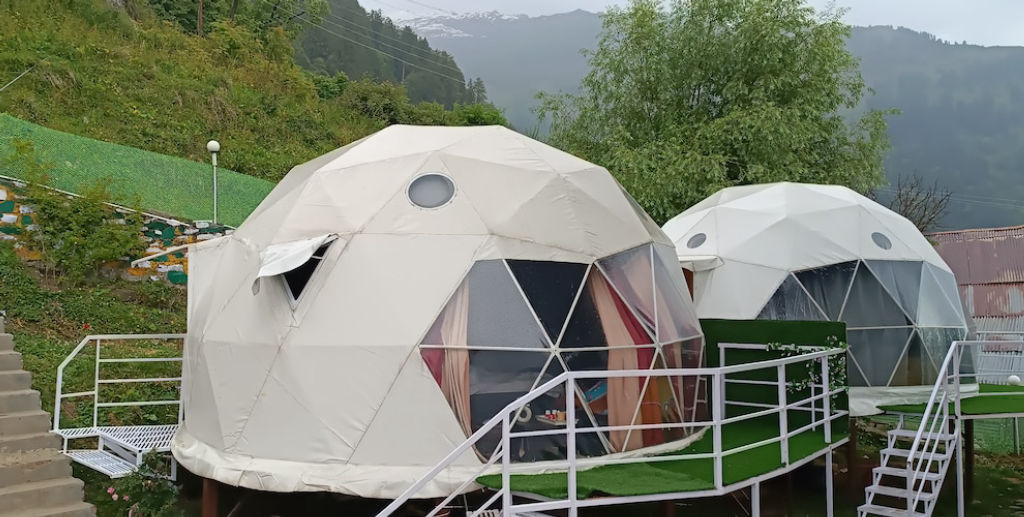
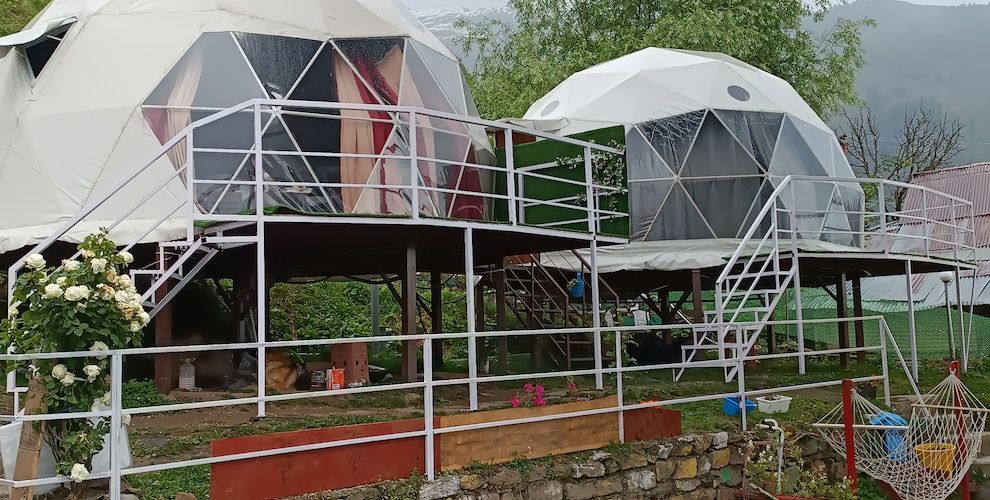
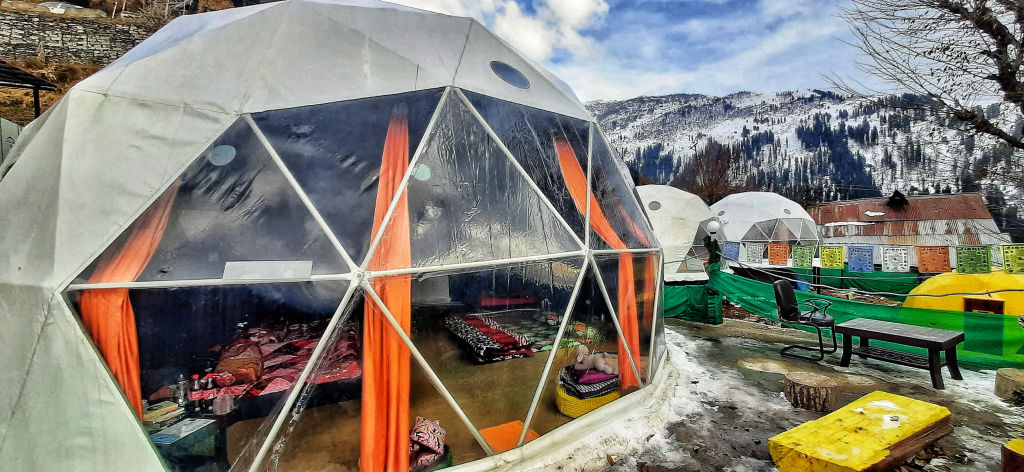
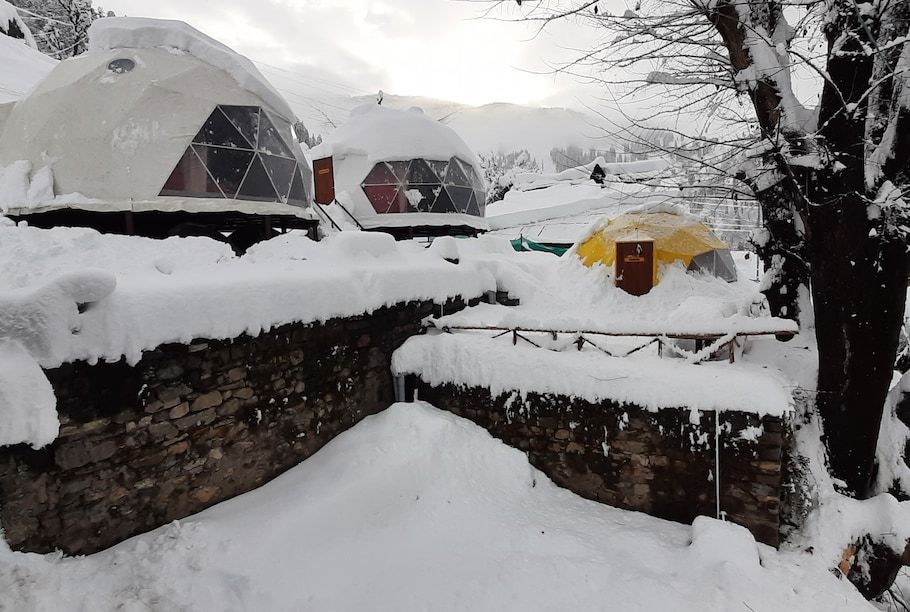
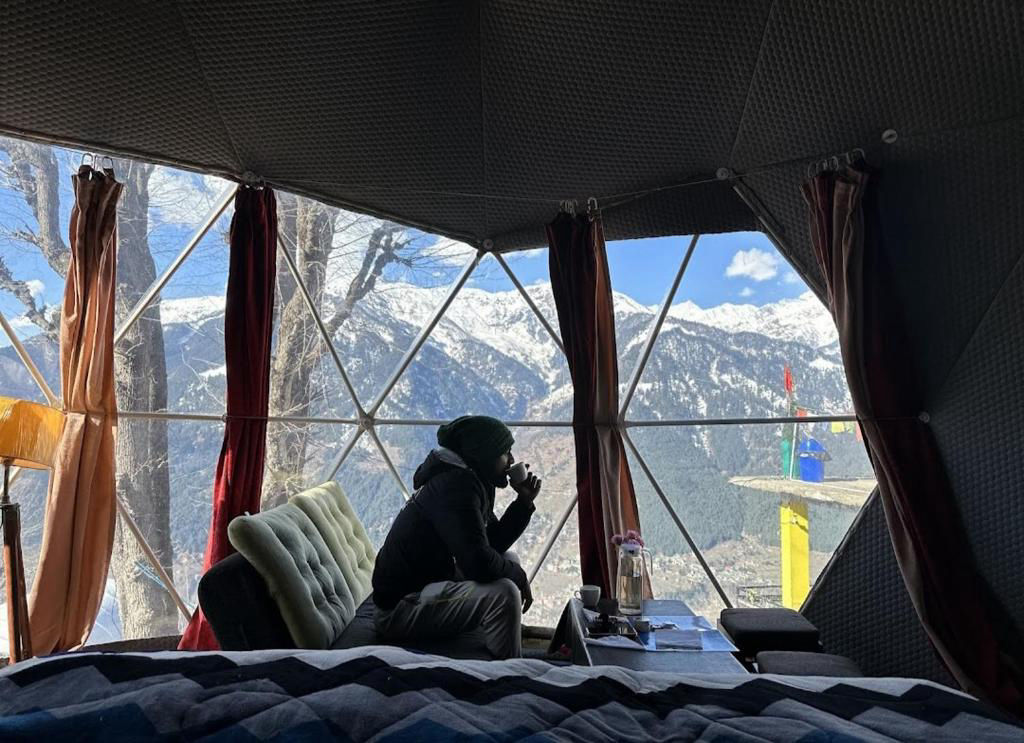
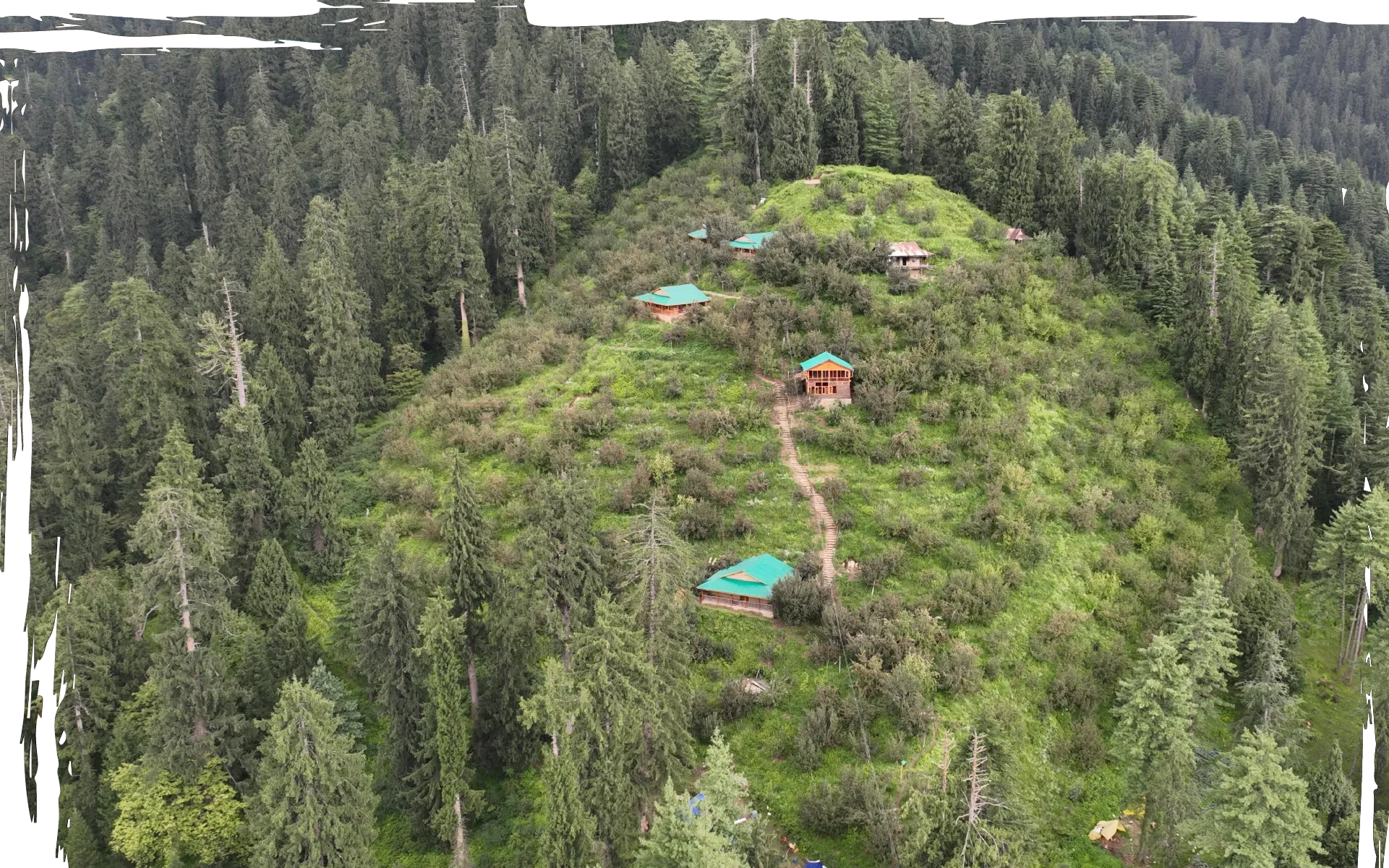
Visitors to Dhungri Van Vihar will find plenty of accommodation choices throughout Manali and the upper Kullu Valley. Options range from traditional Himachali homestays nestled among orchards to quiet riverside cottages and scenic camping sites set on surrounding slopes.
Staying near the forested parts of town allows for easy morning outings into the woods before daytime crowds gather. To find verified mountain stays, rural homestays, and scenic campsites across Manali and the surrounding valleys, travellers can explore options on HireACamp.
Frequently asked questions
Where is Dhungri Van Vihar located?
Dhungri Van Vihar is located in Manali in the Kullu district of Himachal Pradesh, easily accessible from the town centre.
Can children and elderly travellers walk easily through Dhungri Van Vihar?
Yes, the paths within the sanctuary are mostly level and straightforward, making it accessible and pleasant for visitors of all ages.
What is the best time of day to visit Dhungri Van Vihar?
Early mornings are ideal for quiet walks and birdwatching when human foot traffic is low and mountain light filters through the trees.
Does Dhungri Van Vihar receive snowfall during winter?
Yes, the sanctuary experiences freezing winter conditions and can receive seasonal snowfall, typically between late December and February.
Are vehicles allowed inside Dhungri Van Vihar?
No, the reserve is dedicated to pedestrian footpaths and nature trails, meaning visitors must park outside and explore the forest on foot.
Where you'll be
Manali · 12 stays nearby shown with prices
Stays near Dhungri Van Vihar
Book a place to stay close by
More places near Dhungri Van Vihar
Within 20 km

Built from 0 Instagram posts by 0 creators. Every tip links back to the post it came from, and where creators disagree we show both sides.






