
Hidimba Devi Temple
Temple near Manali, Himachal Pradesh
1.7 km from Manali
The nearest town, for stays, food and fuel.
Hidimba Devi Temple is an ancient wooden sanctuary nestled amidst the towering deodar forests of Manali in Himachal Pradesh. Dedicated to Goddess Hidimba from the epic Mahabharata, the shrine draws travellers for its multi-tiered pagoda architecture, rich regional folklore, and serene woodland atmosphere. It remains an active centre of local worship and one of the most culturally significant landmarks in the Kullu Valley.
Getting there
By road
- From ManaliNearest town13 min · 3.8 km
- From Chandigarh5 hr 35 min · 266 km
- From Ludhiana6 hr · 296 km
- From Amritsar8 hr 5 min · 407 km
Typical drive times without traffic. Stations and airports from OLA Maps; distances and typical drive times from OpenStreetMap (© OpenStreetMap contributors); notes from creators' Reels.
About Hidimba Devi Temple
Written with AI from map data and general knowledge. Check prices and timings locally before you go.
The Legend and Heritage of Hidimba Devi Temple
Hidimba Devi Temple, also known locally as the Dhungari Temple, holds a central place in the cultural and religious fabric of the Kullu Valley. The temple is dedicated to Hidimba Devi, a character from the Indian epic Mahabharata. According to local lore, Hidimba lived in these cedar groves with her brother Hidimb. When the Pandava brothers were in exile in this region, the mighty Bhima defeated Hidimb and married Hidimba. She later gave birth to their son, Ghatotkacha, who became a renowned warrior in the Kurukshetra war.
Over time, Hidimba renounced worldly affairs and performed intense spiritual penance in the forest, earning the reverence of the regional population as a protective woodland goddess. The current wooden structure was commissioned in the sixteenth century by Raja Bahadur Singh of the Kullu Kingdom. Built directly over an enormous natural rock cave where the goddess is believed to have meditated, the temple continues to serve as an anchoring spiritual focal point where traditional rituals and seasonal festivals are observed by surrounding villages.
Architectural Charm of the Pagoda Shrine
The architecture of Hidimba Devi Temple stands out sharply against typical north Indian temple forms, displaying a distinctive multi-tiered pagoda design that reflects indigenous Himalayan woodwork and craftsmanship. The structure rises in four stepped tiers, with three square wooden roofs and a conical brass-covered top roof that gleams against the green forest canopy.
The base of the temple is constructed from alternating courses of finely fitted stone and timber, a construction technique well-suited to withstand the seismic activity and heavy snow loads of the Himalayas. Intricate wooden carvings frame the sanctum entrance, depicting Hindu deities, floral motifs, mythological beasts, and everyday folk imagery. Inside, the temple does not feature a traditional sculpted idol; instead, the sanctum centres around a sacred footprint etched into a massive natural rock outcropping, preserving the organic cave setting where worship first began centuries ago.
Read more
The Dhungiri Cedar Forest
One of the most defining aspects of visiting the temple is its pristine natural setting. The shrine sits in the heart of the Dhungiri forest, an ancient grove dominated by colossal deodar trees that soar tens of metres into the mountain sky. The dense forest canopy filters the sunlight into gentle beams, casting long shadows across the mossy forest floor and infusing the air with the resinous scent of cedar pine.
Walking paths cut through the woods around the clearing, offering quiet strolls away from the busier vehicular corridors of the valley. Birdwatchers often spot Himalayan species darting between the boughs, while the soft bed of needles makes the perimeter a welcoming place to pause and take in the cool mountain breeze. A small timber shrine dedicated to Ghatotkacha stands just a short walk away beneath the trees, reinforcing the epic family history rooted in this quiet woodland.
Best Time to Visit Hidimba Devi Temple
The temple grounds offer a completely different visual experience depending on the time of year you plan your journey. Spring and summer, stretching from April through June, bring pleasantly warm afternoons, cool evenings, and clear access along all approach routes. During these months, the surrounding forest is vibrant and green, making it ideal for walking and attending local community gatherings.
Monsoon season in July and August brings heavy rainfall to the Kullu Valley, which saturates the forest and heightens the scent of the cedar trees. While the lushness is striking, mountain roads across Himachal Pradesh can become slick or prone to landslips, so travel requires extra flexibility during these weeks.
Autumn, from September to November, offers crisp mountain air, dependable blue skies, and comfortable walking temperatures. By late December, winter arrives in earnest, frequently blanketing the pagoda roofs and cedar branches in thick layers of white snow. Winter transforms the woodland into a dramatic alpine scene, though visitors should be prepared with warm gear and footwear suitable for icy pathways.
How to Reach the Temple
Hidimba Devi Temple is located uphill from the central commercial hub of Manali. Travellers staying near the town centre can easily reach the temple on foot via a steady uphill walk through the deodar woods or by using local auto-rickshaws and taxis along the paved hill roads.
To reach the wider Manali area, travellers typically arrive by road from major northern cities such as Chandigarh and Delhi. Overnight buses, private taxis, and self-drive vehicles traverse National Highway 3 through Mandi and Kullu. The nearest regional airport is at Bhuntar, located south of Manali along the Beas River, from where local cabs and buses complete the final leg of the ascent. Train travellers usually disembark at broad-gauge railheads like Chandigarh or Una before continuing upward into the mountains by road.
Exploring the Surrounding Valley
A visit to Hidimba Devi Temple can easily be paired with other natural sights and outdoor activities in the upper Kullu Valley. The surrounding hills offer access to scenic walking paths that wind through apple orchards, historic village quarters, and forest trails leading toward high-altitude destinations such as the Bhrigu Lake route.
Across the Beas River, nature trails lead uphill through pine woods toward Jogini Waterfall, where glacial streams tumble over steep cliff faces near Vashisht. Travellers interested in extended day trips can also venture further along the river towards tranquil mountain settlements and cascading mountain streams, such as the trails around Pulga in the adjacent Parvati Valley or hidden watercourses tucked into the side valleys of Himachal Pradesh.
Practical Tips for Your Visit
Because the temple is an active place of worship with deep significance to the local population, visitors should maintain a respectful attitude throughout their time on the premises. Modest attire covering shoulders and knees is recommended. Footwear must be removed before entering the inner sanctum, and visitors are expected to observe quiet decorum near the rock altar.
Photography regulations should be observed around the inner sanctum, where photography is generally restricted to protect the sanctity of the shrine, though pictures of the exterior woodwork and surrounding forest are widely welcomed. Paths can be slippery during winter freeze-thaw cycles or during summer showers, so shoes with firm rubber grip are advisable. If you visit on festival days, expect larger crowds and local music, which provide a rich glimpse into Kullu's community traditions.
Where to Stay near Hidimba Devi Temple
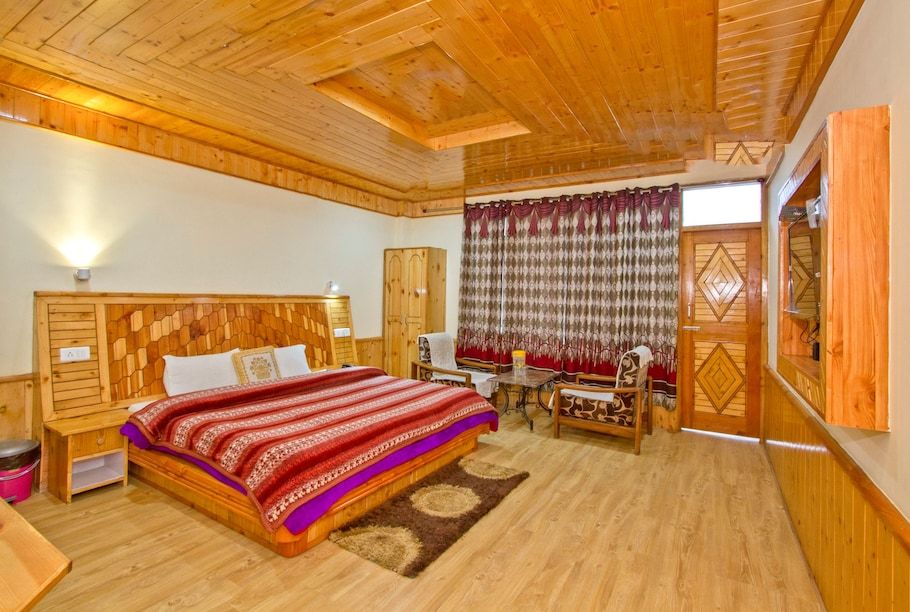
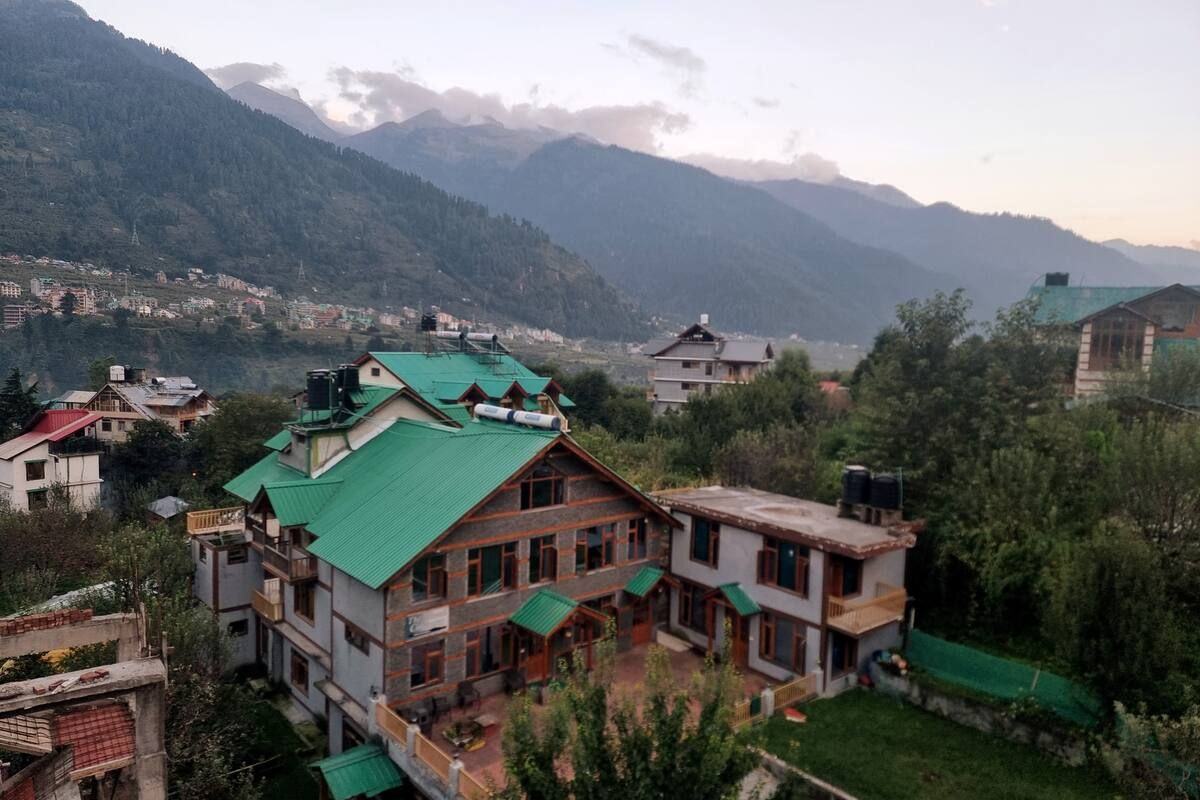
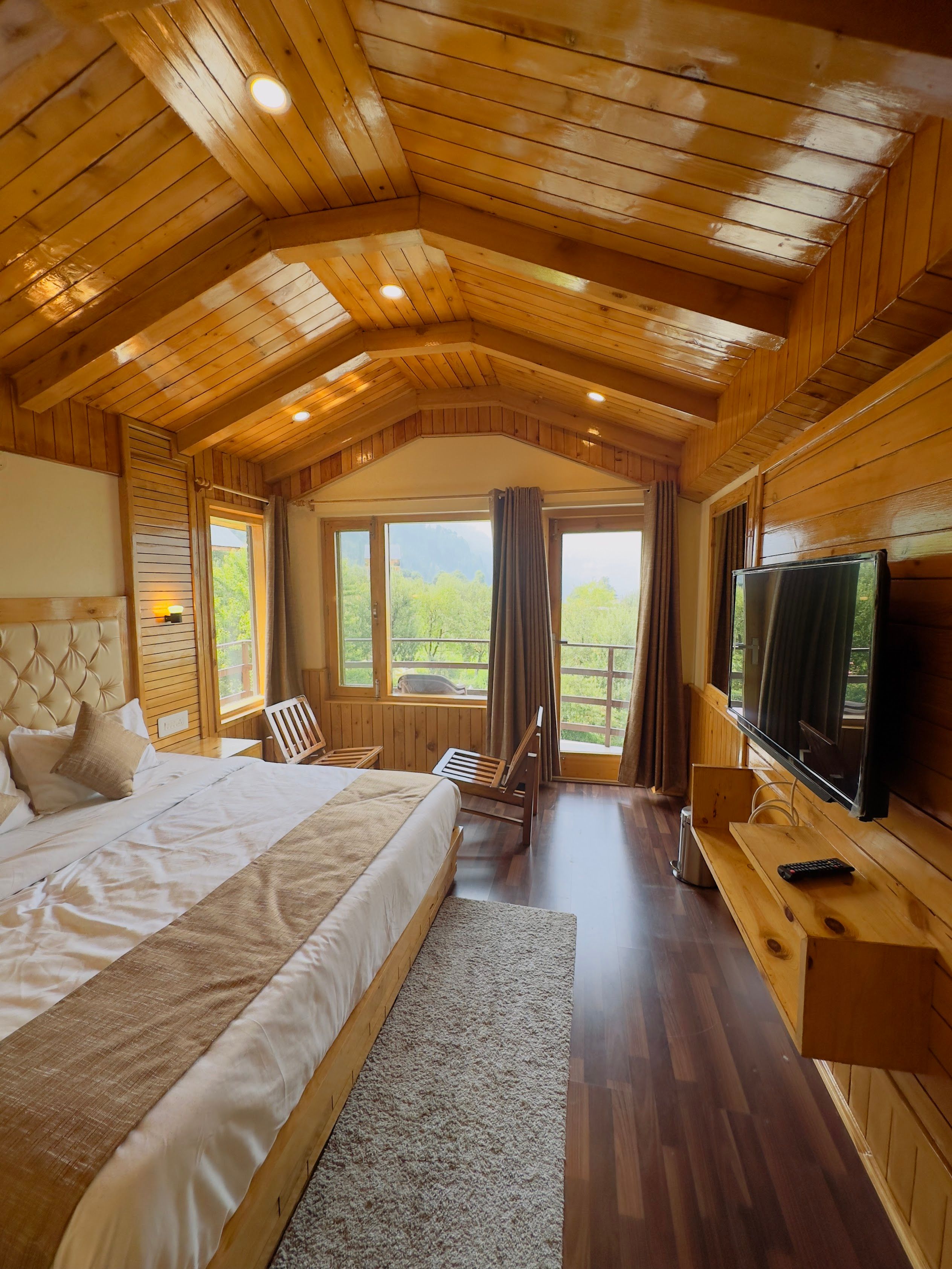
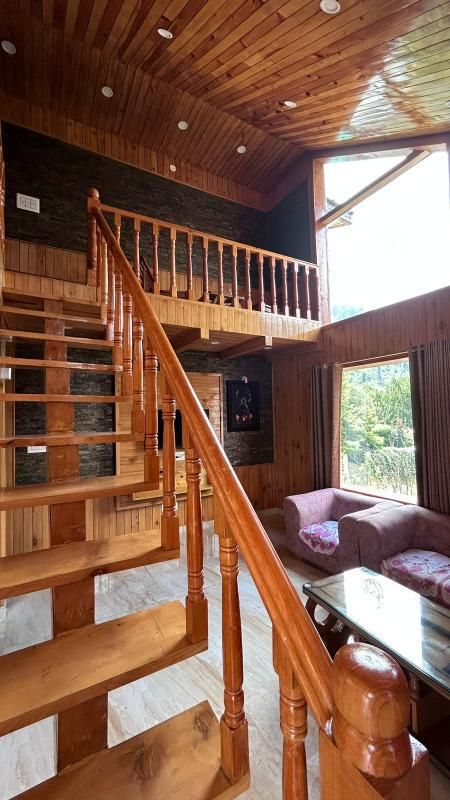
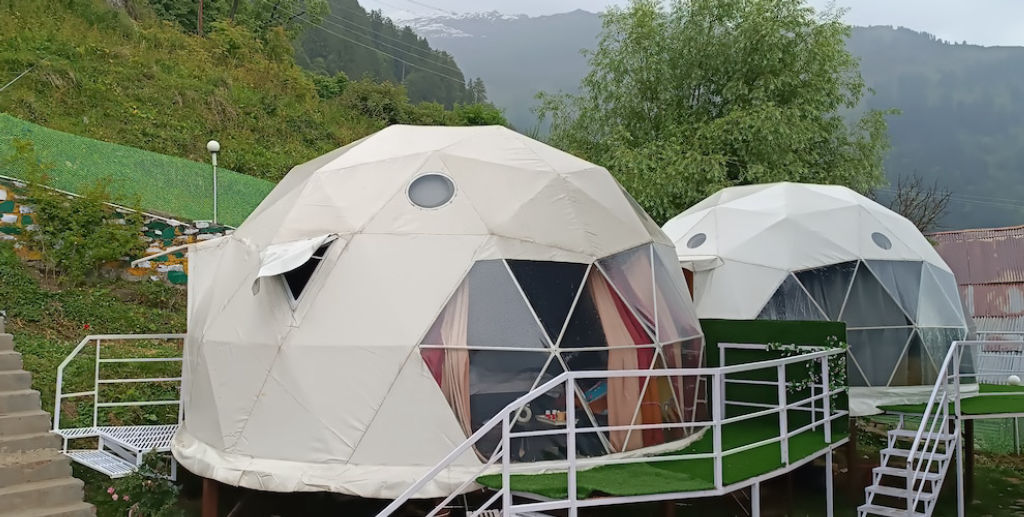
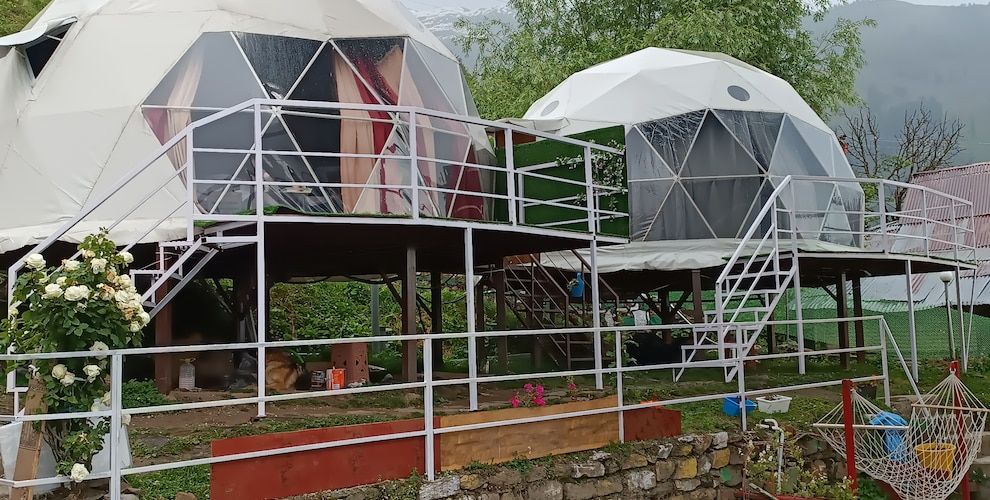
The area surrounding the Dhungiri forest and the wider Manali valley offers a broad spectrum of accommodations suited for different travel styles. Staying within walking distance of the temple allows you to enjoy the tranquility of the cedar woods early in the morning before daytime visitors arrive.
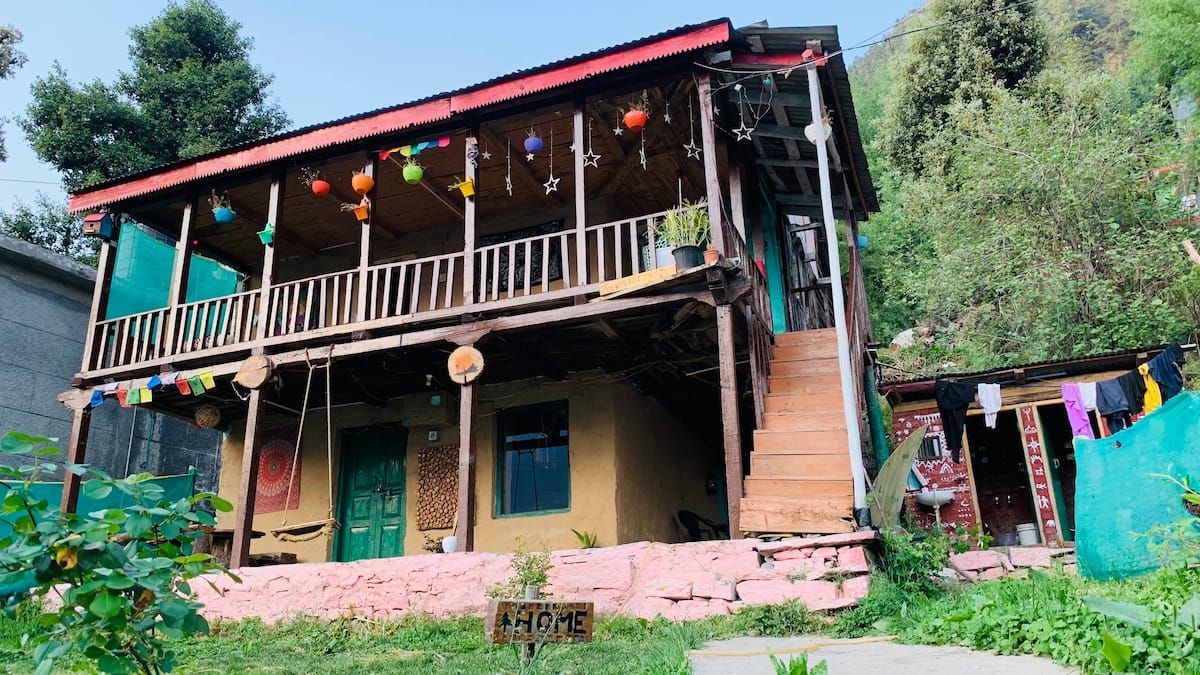
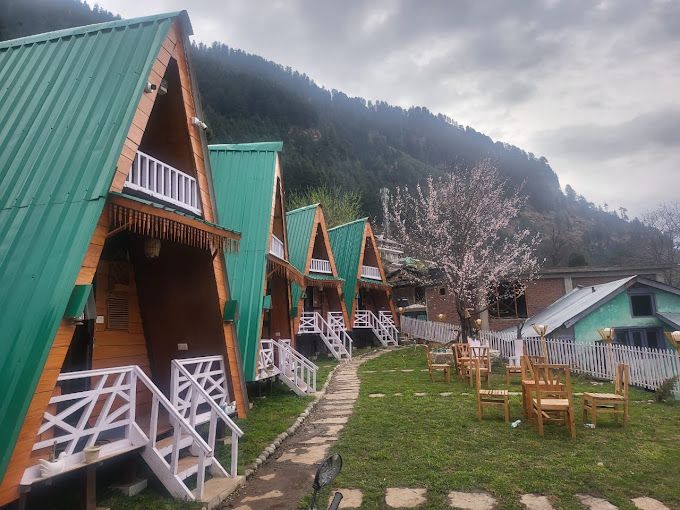
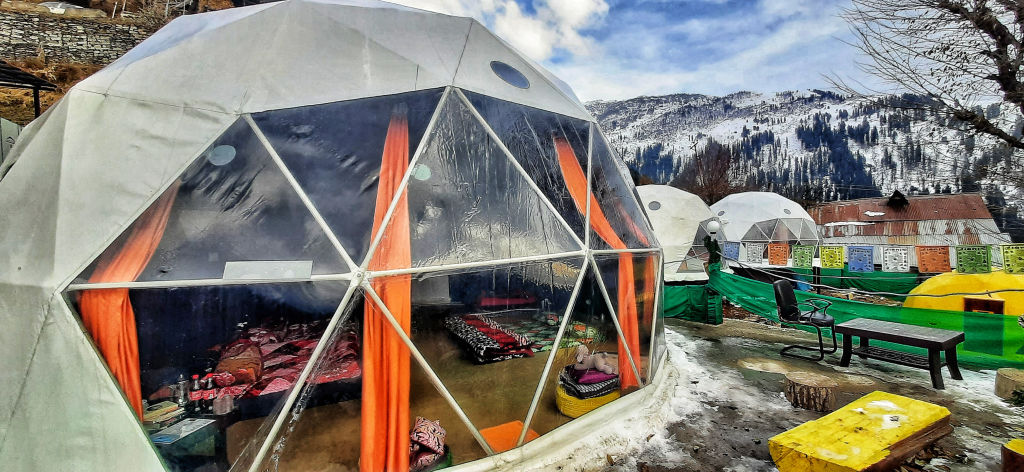
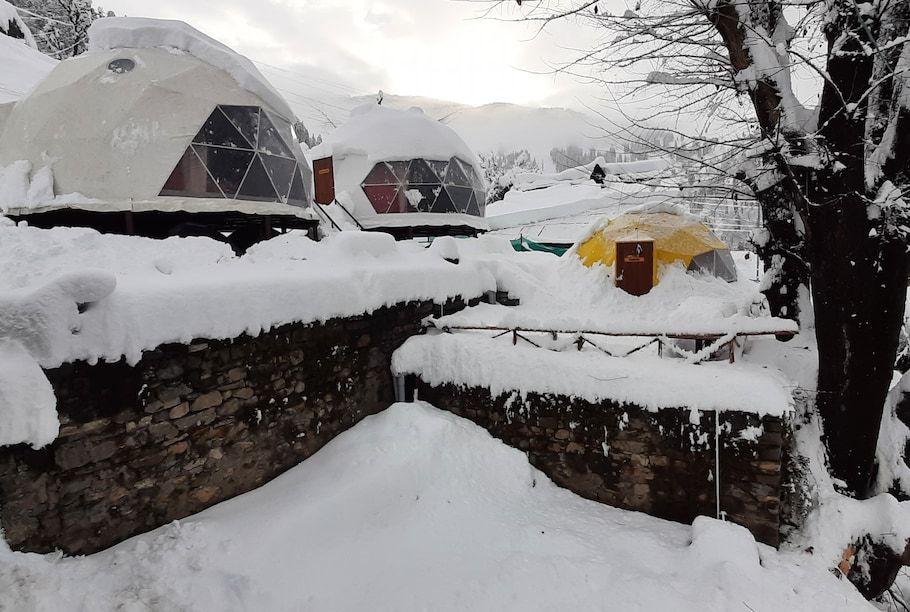
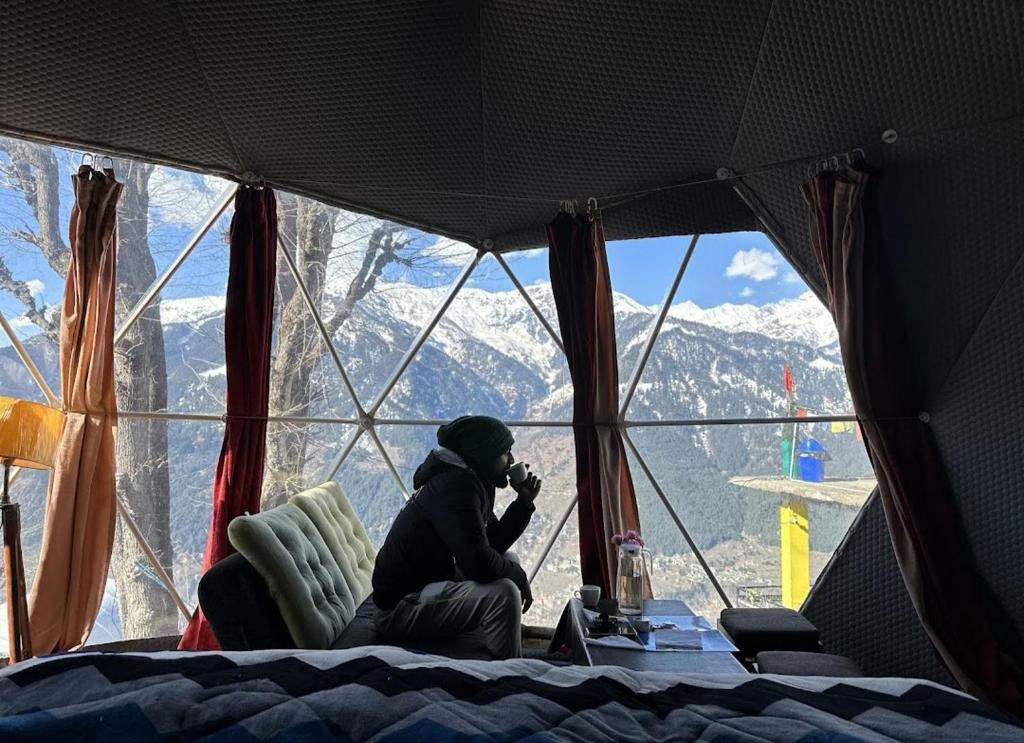
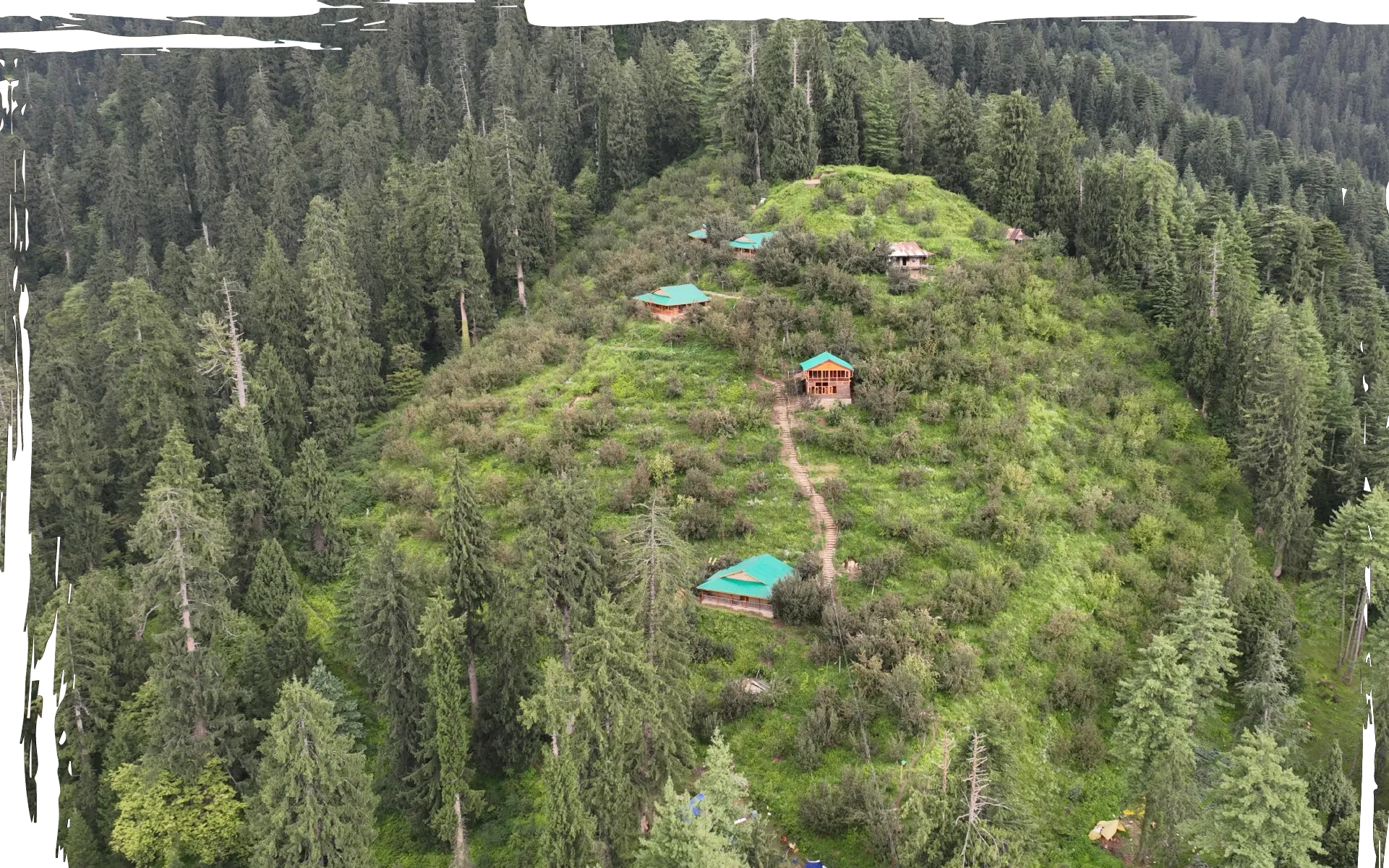
Options in the area range from rustic wooden homestays in traditional villages to secluded wilderness camps tucked into nearby meadows along the riverbanks. If you prefer peaceful outdoor stays, riverside campsites and authentic local homes across Manali and the Kullu Valley can be discovered and reserved through HireACamp.
Frequently asked questions
Who is worshipped at Hidimba Devi Temple?
The temple is dedicated to Hidimba Devi, a prominent figure from the Indian epic Mahabharata who was the wife of the Pandava warrior Bhima and the mother of Ghatotkacha. She is worshipped as a protective deity across the Kullu Valley.
What is unique about the architecture of Hidimba Devi Temple?
The temple is constructed in an indigenous four-tiered pagoda style using carved timber and stone, topped with a conical brass roof. Inside, rather than a conventional sculpted statue, worship is directed toward a sacred rock cave and footprint.
Does it snow at Hidimba Devi Temple in the winter?
Yes, Manali and the Dhungiri forest frequently receive snowfall between late December and February, coating the multi-tiered wooden roofs and surrounding cedar grove in a thick layer of snow.
How far is the temple from central Manali?
The temple is located roughly one to two kilometres uphill from central Manali and is reachable via a short walk through the cedar forest or a brief ride in a local auto-rickshaw or taxi.
Are visitors allowed to take photographs inside the temple?
Photography is generally permitted of the temple exterior and the surrounding deodar woods, but is restricted within the inner sanctum around the sacred rock to preserve worship traditions.
Where you'll be
Manali, Manali · 12 stays nearby shown with prices
Stays near Hidimba Devi Temple
Book a place to stay close by
More places near Hidimba Devi Temple
Within 20 km

Built from 0 Instagram posts by 0 creators. Every tip links back to the post it came from, and where creators disagree we show both sides.






