
Rani Sui Lake
Lake near Manali, Himachal Pradesh
1.7 km from Manali
The nearest town, for stays, food and fuel.
Rani Sui Lake is an alpine tarn situated in the high ridges above Manali in Himachal Pradesh. Set against the dramatic backdrop of the Pir Panjal and Dhauladhar ranges, the lake attracts trekkers and nature lovers seeking peaceful alpine meadows and sweeping Himalayan panoramas. It is a rewarding wilderness day hike or multi-day camping trek starting directly from the valley floor.
Getting there
By road
- From ManaliNearest town13 min · 3.8 km
- From Chandigarh5 hr 35 min · 266 km
- From Ludhiana6 hr · 296 km
- From Amritsar8 hr 5 min · 407 km
Typical drive times without traffic. Stations and airports from OLA Maps; distances and typical drive times from OpenStreetMap (© OpenStreetMap contributors); notes from creators' Reels.
About Rani Sui Lake
Written with AI from map data and general knowledge. Check prices and timings locally before you go.
About Rani Sui Lake
Perched on the upper mountain ridges above the Beas river basin, Rani Sui Lake is a small, pristine mountain lake that lies cradled among undulating alpine grasslands. Known locally as a high-altitude natural gem, the lake offers a classic Himalayan trekking experience without requiring long journeys deep into remote mountain districts. The setting is dominated by expansive sky, jagged ridgelines, and distant views of perennial snow peaks such as Hanuman Tibba, Deo Tibba, and the Seven Sisters.
The trail begins among towering deodar, horse chestnut, and oak groves before ascending through rhododendron patches and out into wide alpine pastures known locally as thachs. As the elevation climbs above the tree line, the terrain opens into a pristine meadow world where wild herbs and alpine flowers carpet the earth during the warmer months. Reaching the lake rewards walkers with a mirror-like water body that reflects the surrounding crags and shifting cloud cover.
The Trek to Rani Sui Lake
The trekking route to Rani Sui Lake typically begins around Old Manali or the Dungri forest area. The initial stretch ascends steeply through the pine and deodar belt toward the well-known meadow plateau of Lama Dugh. This ridge provides an immediate vantage point looking down upon Manali town and across to the mountains flanking the Solang and Rohtang corridors.
From the higher pastures of Lama Dugh, the path continues upward across exposed ridges, skirting prominent vantage points such as Khanpari Tibba before dropping toward the depression that holds Rani Sui Lake. The trail is predominantly a steady uphill climb on mountain tracks that can be rocky and slippery in wet weather. Depending on the route and pace, visitors undertake the journey as an ambitious full-day trek or an overnight expedition, allowing time to camp in the high pastures beneath the stars.
Read more
Best Time to Visit Rani Sui Lake
The most favourable months to trek to Rani Sui Lake are from May to June and from September to November. During late spring and early summer, the snow melts away to reveal vibrant green meadows speckled with mountain blooms. Day temperatures during this period are generally comfortable for hiking, though evenings at higher elevations can still be chilly.
Monsoon season in July and August brings heavy rain to the Kullu valley, which makes the trails slick and increases the risk of rockfall and landslides. After the rains recede in September, the skies clear to offer the sharpest views of the Pir Panjal peaks. Autumn colours paint the slopes in amber and rust, and dry weather persists into late October. By late November, freezing temperatures and early winter snowfall close access to the lake until the following spring.
How to Reach Rani Sui Lake
To reach Rani Sui Lake, travellers first travel to the hill town of Manali in Himachal Pradesh. The nearest airport is at Bhuntar in the Kullu valley, which connects via regional flights to major hubs like Chandigarh and Delhi. From the airport or from major cities in northern India, Manali is accessible by road through scenic highways that follow the Beas river.
Once in Manali, local transport or a short walk brings you to the starting points of the trail, commonly situated near Hadimba Temple, Dungri village, or Old Manali. Because trail conditions and route junctions can change with local seasonal conditions, hiring an experienced local guide from Manali is recommended for navigation across the high meadows.
Tips for Your Visit
Trekking above the tree line requires sensible preparation. Sturdy hiking boots with ankle support and reliable grip are essential for the uneven and rocky paths. Layering is critical because weather in the Himalayas shifts rapidly; carry a thermal layer, a windproof and waterproof outer jacket, and sun protection including sunglasses and sunscreen to combat intense high-altitude sunlight.
There are no commercial shops or shelters on the trail beyond the lower settlements, so carry enough drinking water, water purification tablets, and energy-dense snacks for the entire trip. Acclimatise properly in Manali for a day before ascending steeply. Practise Leave No Trace principles by carrying all non-biodegradable waste back down to the valley and avoiding disturbing grazing livestock or alpine vegetation.
Places to Visit Nearby
Manali and the surrounding Kullu valley offer numerous sights that combine naturally with a trip to Rani Sui Lake. In Old Manali, the Manu Temple sits amidst historic stone-and-wood Himachali homes, while nearby Dhungri Van Vihar surrounds the centuries-old Hidimba Devi Temple with ancient deodar trees. Further up the valley, the walking path to Jogini Waterfall winds past traditional orchards and hillside shrines.
Travellers interested in exploring further afield can venture toward the Parvati valley to visit serene traditional villages like Pulga, or plan day excursions into Solang valley. The town of Manali also offers lively local bazaars where regional handicrafts, woollens, and local produce can be discovered after returning from the trail.
Where to Stay
Base accommodation for the Rani Sui Lake trek is readily found throughout Manali, Old Manali, and the surrounding hamlets of the upper Kullu valley. Staying close to the trailheads in Old Manali or Dungri makes an early morning start much simpler.
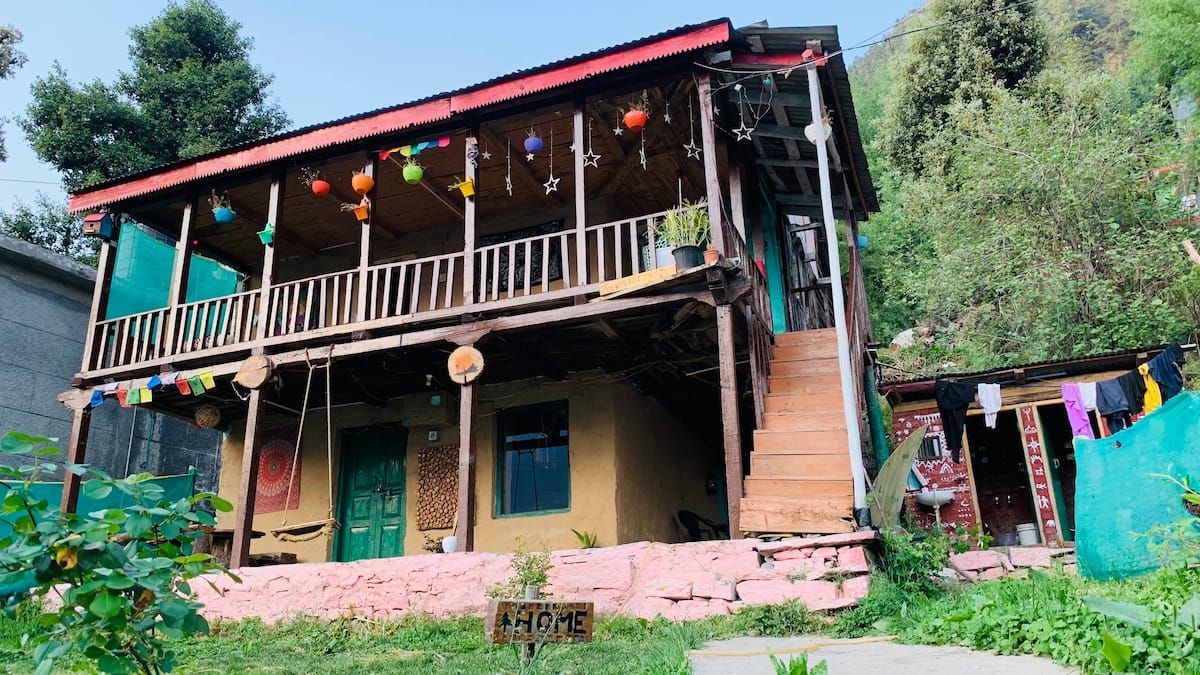
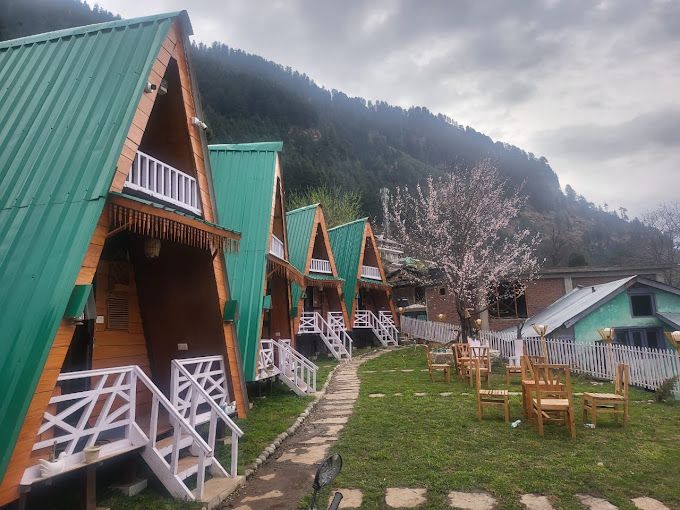
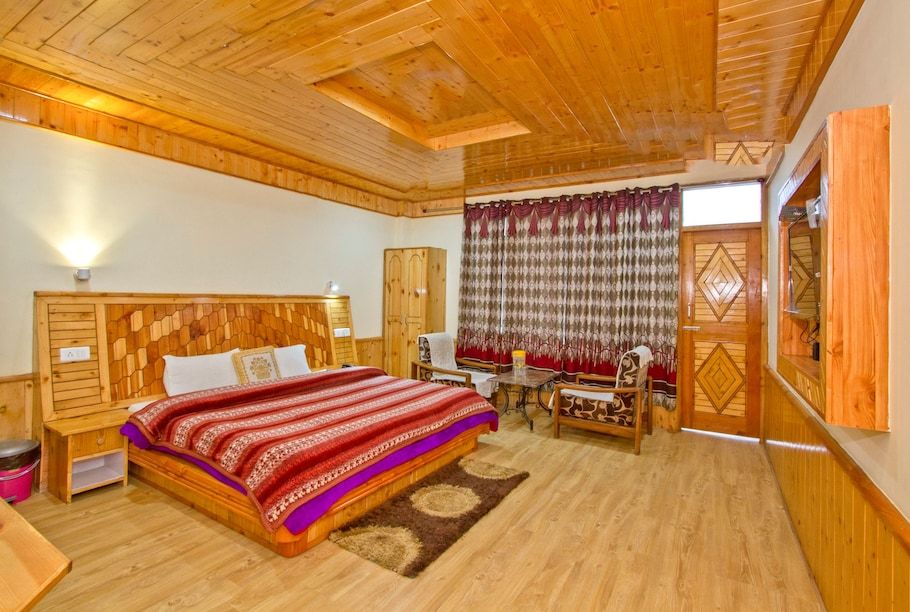
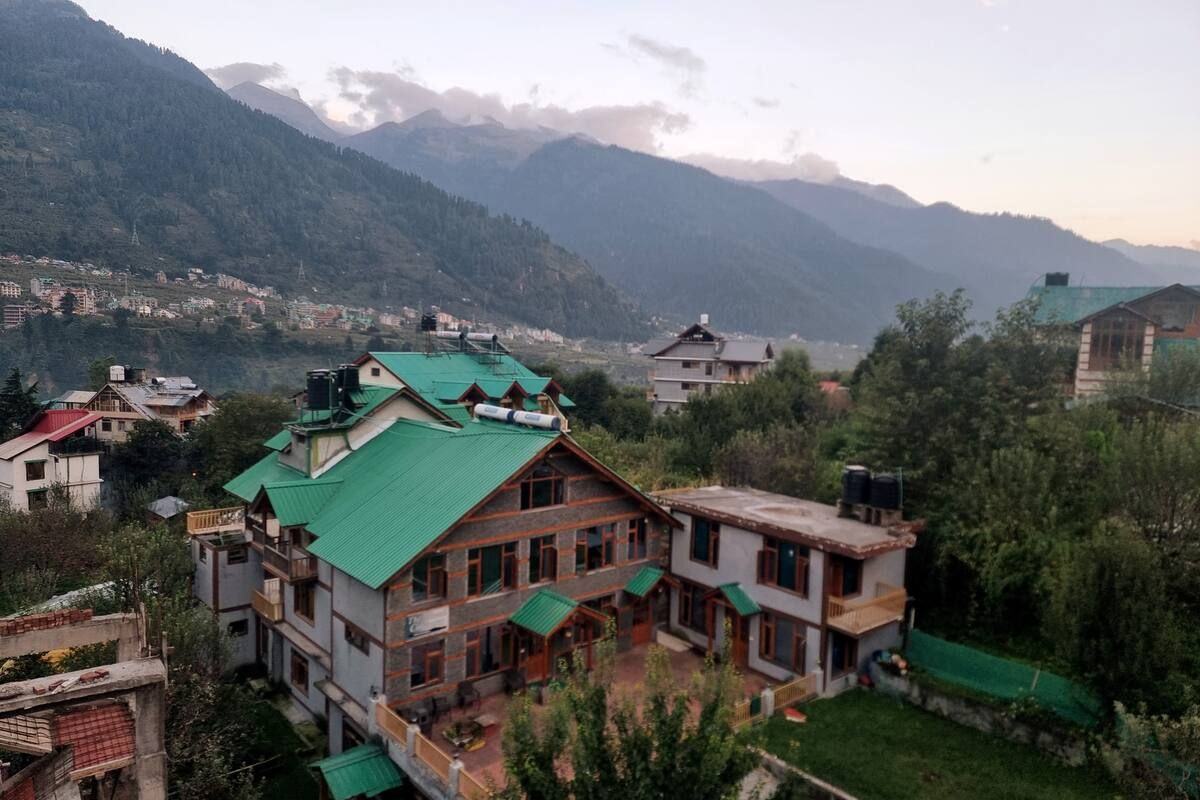
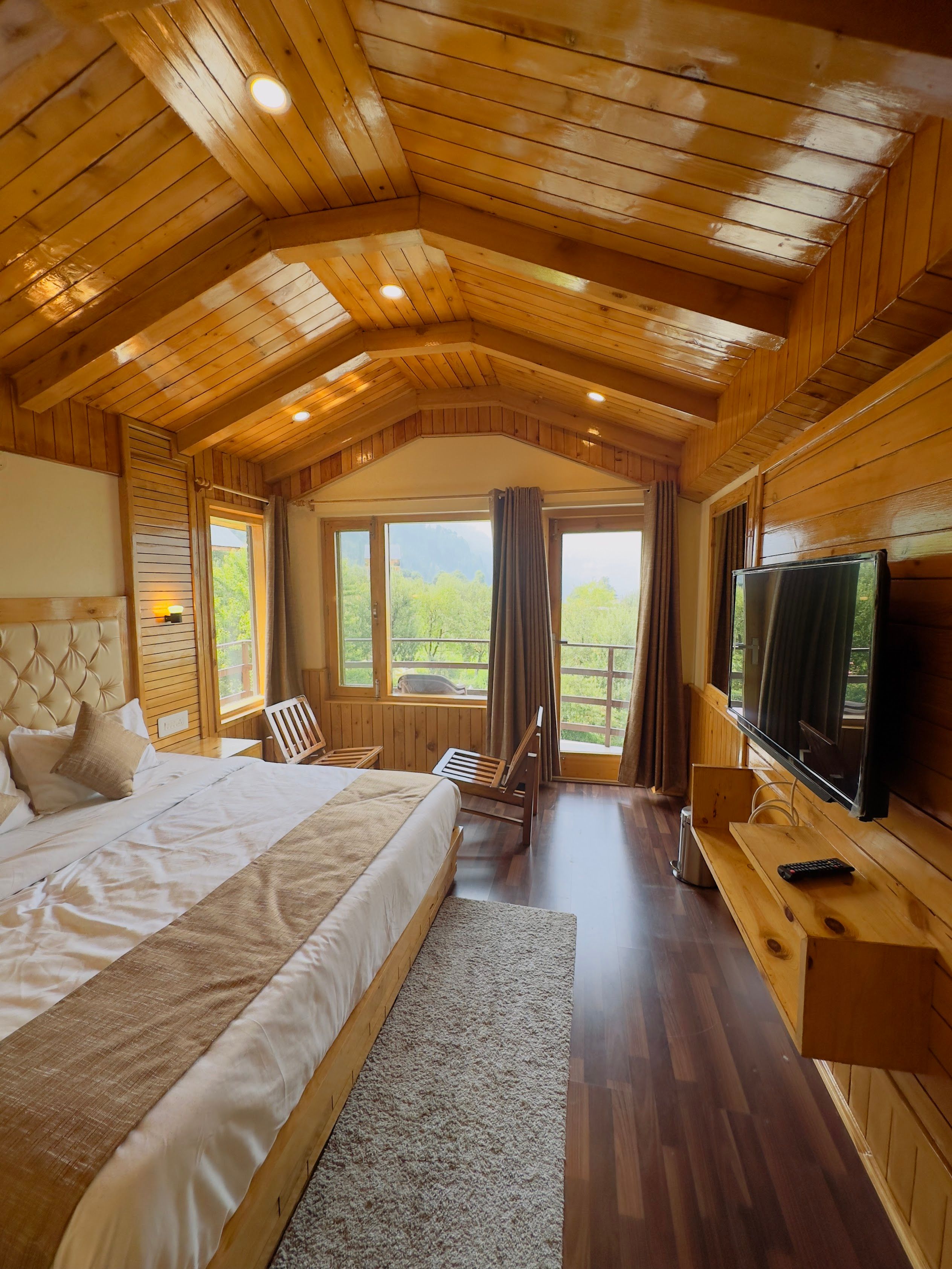
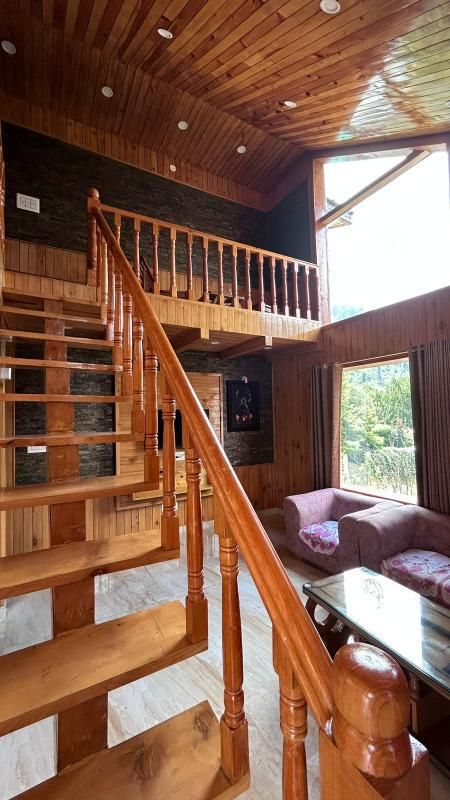
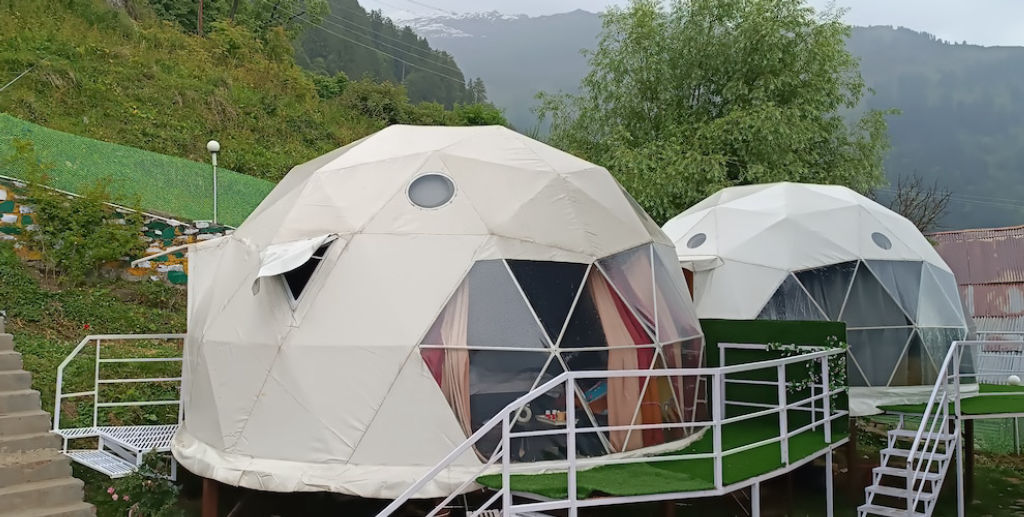
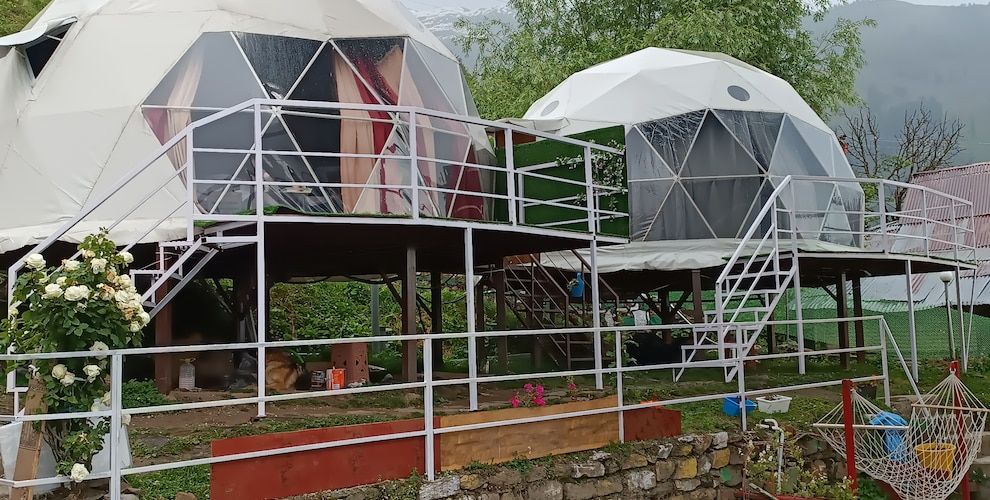
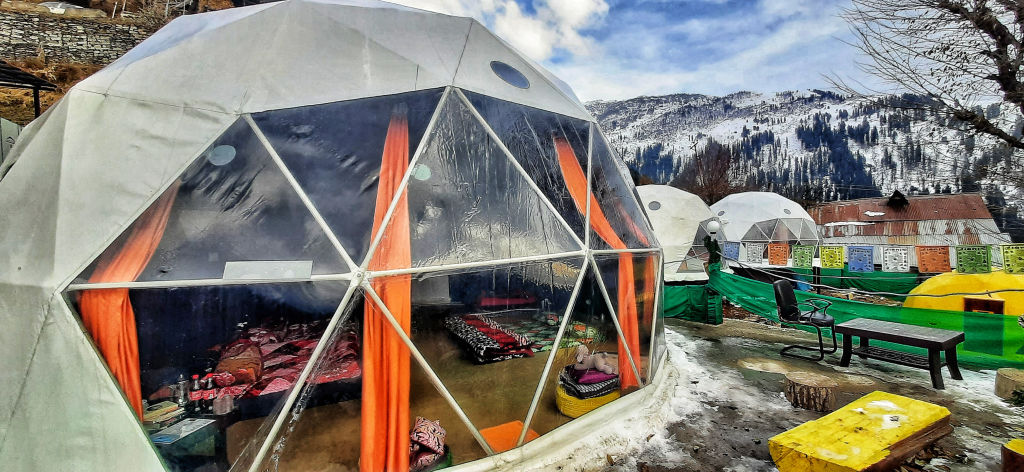
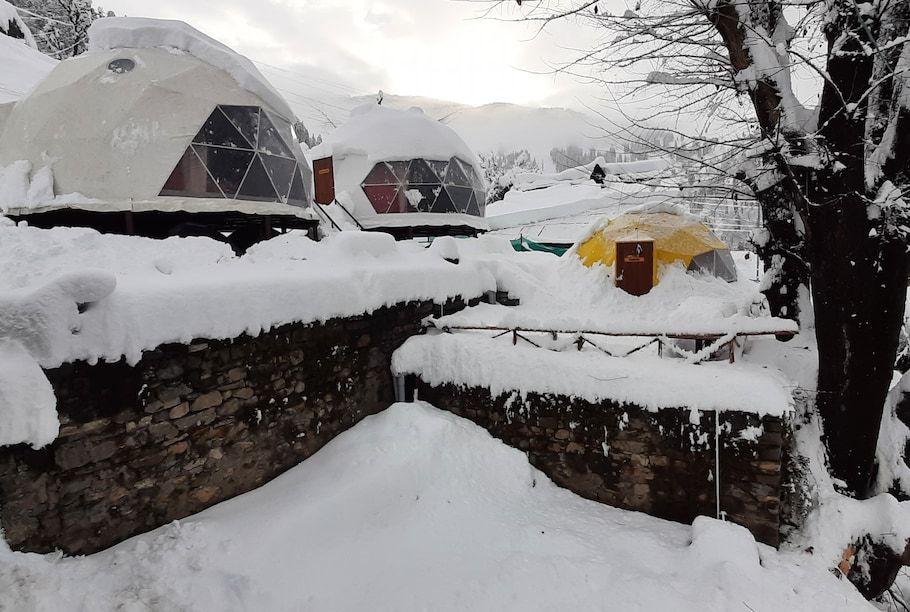
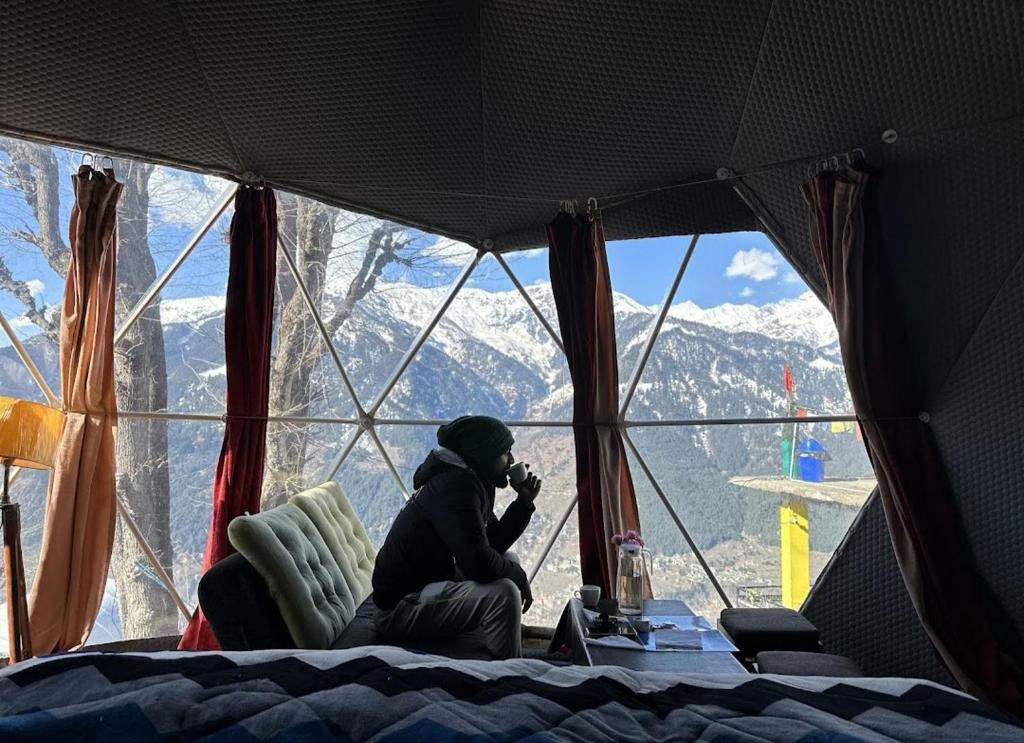
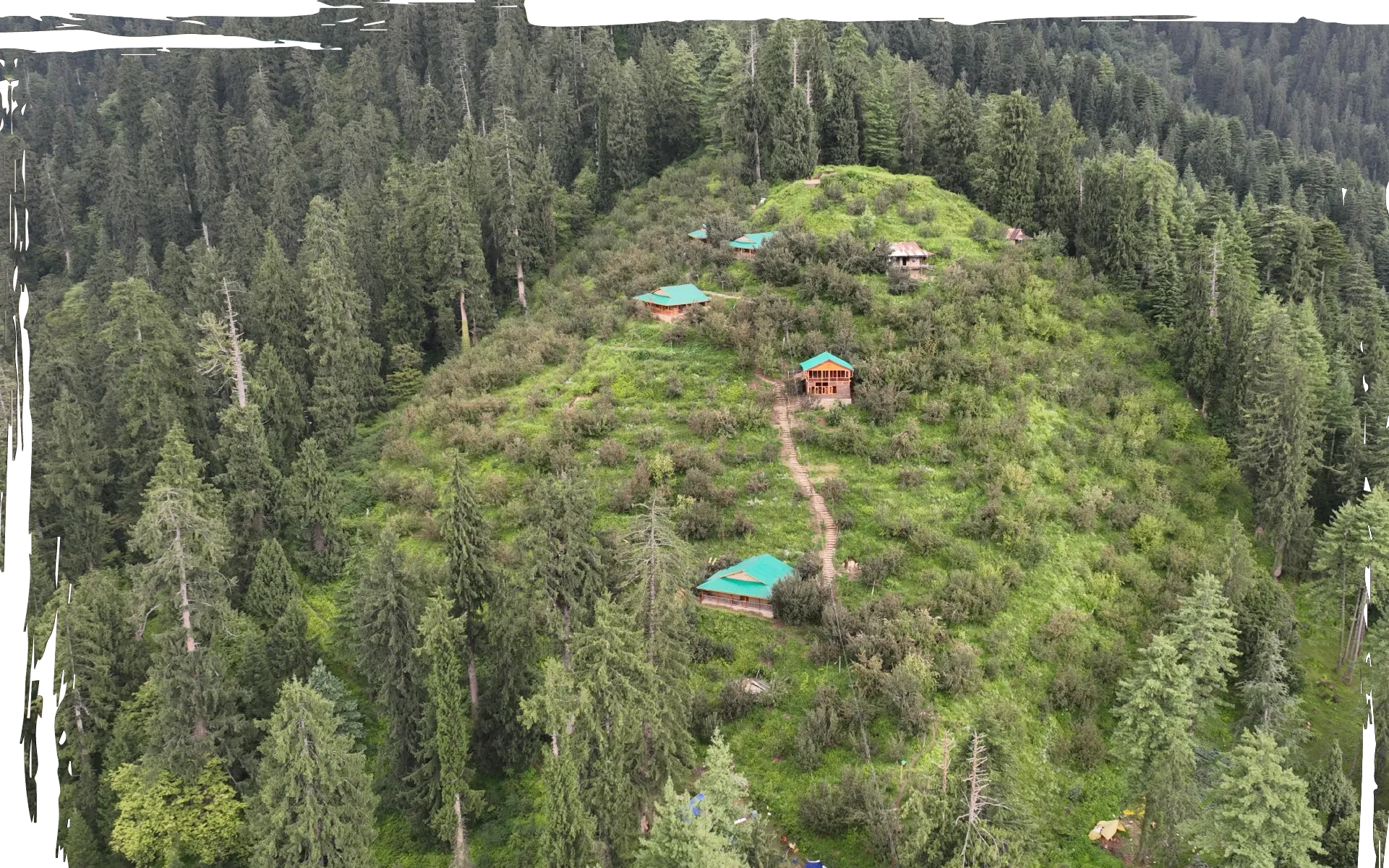
A wide selection of riverside camps, traditional village homestays, and tranquil nature stays can be booked through HireACamp. For those planning an overnight expedition on the mountain itself, wild camping is possible in designated clearings such as Lama Dugh, provided all camping gear and provisions are carried in and the campsite is left spotless upon departure.
Frequently asked questions
How difficult is the trek to Rani Sui Lake?
The trek is considered moderately challenging. It involves a continuous uphill ascent over rugged paths and ridge lines, making a reasonable level of physical fitness and prior hiking experience helpful.
Can Rani Sui Lake be visited in a single day?
Yes, experienced hikers with an early start can complete the round trip from Manali in a single long day. Many travellers choose to spread the journey over two days with an overnight camp at Lama Dugh to enjoy the scenery at a gentler pace.
Do I need a guide for the Rani Sui Lake trek?
While the lower trails are fairly visible, the route through high ridges can become confusing in fog or poor weather. Taking a local guide from Manali is recommended for safety and easy route finding.
Is Rani Sui Lake accessible during winter?
Rani Sui Lake is generally inaccessible during winter because of heavy snowfall and freezing temperatures that cover the trail and lake basin in deep drifts.
Where you'll be
Ranisui lake, Manali · 12 stays nearby shown with prices
Stays near Rani Sui Lake
Book a place to stay close by
More places near Rani Sui Lake
Within 20 km

Built from 0 Instagram posts by 0 creators. Every tip links back to the post it came from, and where creators disagree we show both sides.






