
Gaibi Ghat
Viewpoint near Radhanagari, Maharashtra
3.5 km from Radhanagari
The nearest town, for stays, food and fuel.
Gaibi Ghat is a scenic mountain pass and viewpoint situated near Radhanagari in the southwestern region of Maharashtra. Perched along the forested folds of the Western Ghats, it overlooks deep river valleys and rolling hill contours that define this ecologically rich belt. Travellers and motorists stop here to take in sweeping valley vistas, watch passing clouds during the rains, and enjoy a quiet moment surrounded by dense woodland.
Getting there
By road
- From RadhanagariNearest town12 min · 6.2 km
- From Pune5 hr 55 min · 275 km
- From Mumbai 9 hr · 447 km
Typical drive times without traffic. Stations and airports from OLA Maps; distances and typical drive times from OpenStreetMap (© OpenStreetMap contributors); notes from creators' Reels.
About Gaibi Ghat
Written with AI from map data and general knowledge. Check prices and timings locally before you go.
About Gaibi Ghat
Gaibi Ghat serves as an elevated viewpoint and mountain corridor within the Sahyadri mountain range near the town of Radhanagari. Carved through rugged Deccan terrain, the pass links local communities while offering expansive vistas over the lower valleys and adjoining forest tracts. Unlike heavily developed commercial tourist hubs, this stretch retains a raw, undisturbed character shaped by dense foliage, rocky cliffs, and varying seasonal weather patterns.
The viewpoint provides travelers on the road with an immediate visual reward. Looking out across the slopes, you see layered ridges that gently fade into the horizon. Because it sits in proximity to significant biodiversity hubs and water catchments, the surrounding air feels noticeably cooler and cleaner than the surrounding lowlands, making it a natural stopping place for road trips passing through southern Maharashtra.
The Landscape and Natural Surroundings
The terrain around Gaibi Ghat is characterized by steep drop-offs, undulating plateaus, and thick moist-deciduous to semi-evergreen forest patches. The ghat sits on the periphery of the broader Radhanagari forest ecosystem, known for hosting rich flora and fauna native to the Western Ghats. In certain seasons, birds of prey can be seen riding the thermal currents rising from the valley, while the sounds of forest birdlife echo across the ridges.
Water plays a critical role in shaping the beauty of Gaibi Ghat. Moisture brought by the southwest monsoon feeds numerous seasonal rivulets that tumble down the rocky hillsides. The contrasting colors of dark basalt rock formations against vibrant green foliage create striking viewpoints, particularly during dawn and dusk when changing light accentuates the depth of the gorges below.
Read more
Best Time to Visit Gaibi Ghat
Visiting Gaibi Ghat during the monsoon months from late June through September offers an encounter with dramatic weather. During this period, the entire ghat is wrapped in shifting blankets of fog, intermittent heavy showers, and fresh waterfalls cascading off roadside cliffs. Temperatures remain cool, and the hills turn intensely green. However, driving conditions require extra caution due to reduced visibility and damp asphalt.
From October to February, the post-monsoon and winter season brings clearer skies and stable weather. This is arguably the best time for photography and panoramic valley views, as the atmospheric haze clears away to reveal distant ridges and backwater reservoirs. Daytime temperatures are mild and comfortable for outdoor sightseeing, while mornings and evenings can get delightfully brisk. Summers between March and May are warmer and dry, but early mornings and late afternoons still provide pleasant breezes and wide horizon views.
How to Reach Gaibi Ghat
Gaibi Ghat is situated along the rural highway routes connecting the Radhanagari region with neighboring districts. The nearest substantial town is Radhanagari, located just a short drive away. Kolhapur is the most prominent railhead and commercial center in the region, offering road connections that lead down into the Radhanagari taluka through scenic state highways.
Travelers typically reach Gaibi Ghat by private vehicle, motorcycle, or state transport buses operating across regional routes. Driving by car or bike is often the preferred choice, as it allows freedom to pull over safely at designated wide points along the road to soak in the views. If you are coming from the Konkan coast or travelling upwards from the Deccan plateau, the climb up through the ghat sections provides an engaging and scenic drive.
Places to Visit Near Gaibi Ghat
A trip to Gaibi Ghat is easily paired with a wider exploration of the Radhanagari landscape. Just a short journey away lies the Radhanagari Wildlife Sanctuary, renowned for sheltering Indian bison along with deer, leopards, and varied bird species across vast expanses of forest. Radhanagari Dam and its sprawling backwaters also sit nearby, offering historic stone architecture, wide open water views, and tranquil picnic zones away from urban noise.
For those interested in natural waterways, Rautwadi Waterfall becomes an energetic spectacle during and immediately following the rainy season. Further afield, travelers can explore Gaganbawda Ghat for another dramatic high-altitude pass, visit the historic Gagangad Fort, or wander through ancient riverside and temple spots like Palsambe Ramling and Tulsi River. Each of these stops highlights the distinct geography and cultural backdrop of southern Maharashtra.
Tips for Travellers Visiting Gaibi Ghat
Because Gaibi Ghat is primarily an outdoor mountain viewpoint without extensive roadside amenities, it is advisable to carry drinking water and light refreshments with you. Keep food securely packed, and avoid feeding any wild animals, particularly monkeys, that occasionally frequent roadside clearings. Proper disposal of litter is essential to protect the delicate hill ecosystem.
If you plan to drive or ride through the ghat, ensure your vehicle brakes, tires, and wipers are in good working order, especially if you are visiting during the heavy rains. Mountain roads feature tight bends and blind curves where slow, defensive driving is necessary. Always park your vehicle in safe pull-off bays well clear of moving traffic, keeping safety as your foremost priority while taking photographs.
Where to Stay near Gaibi Ghat
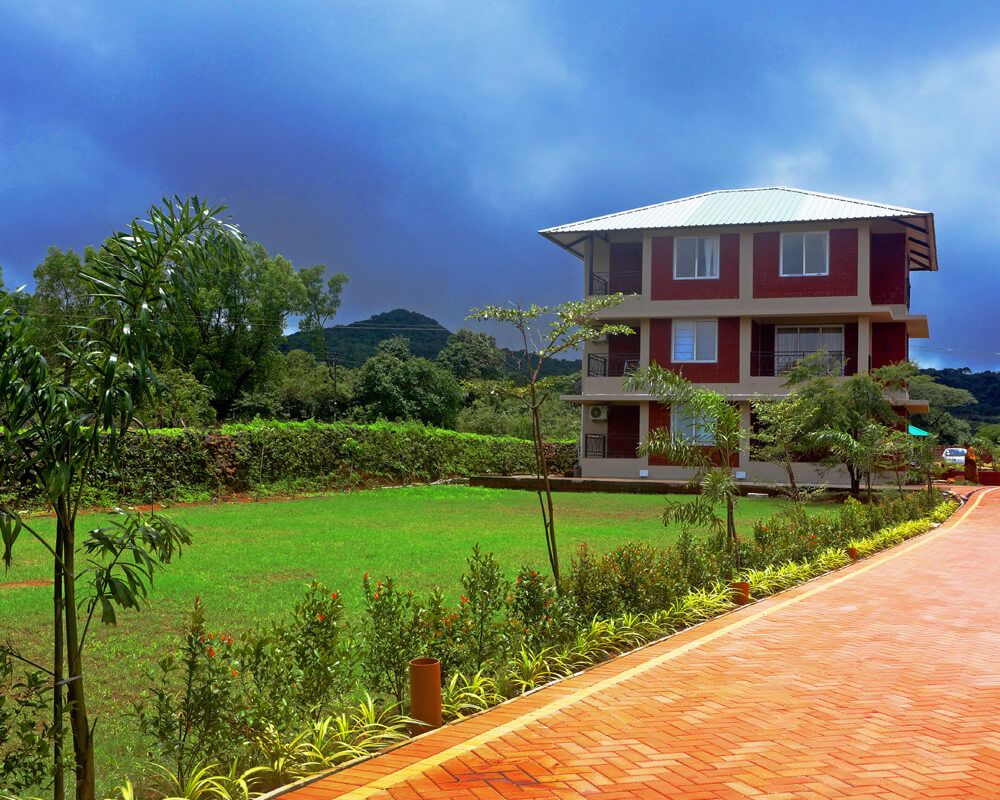
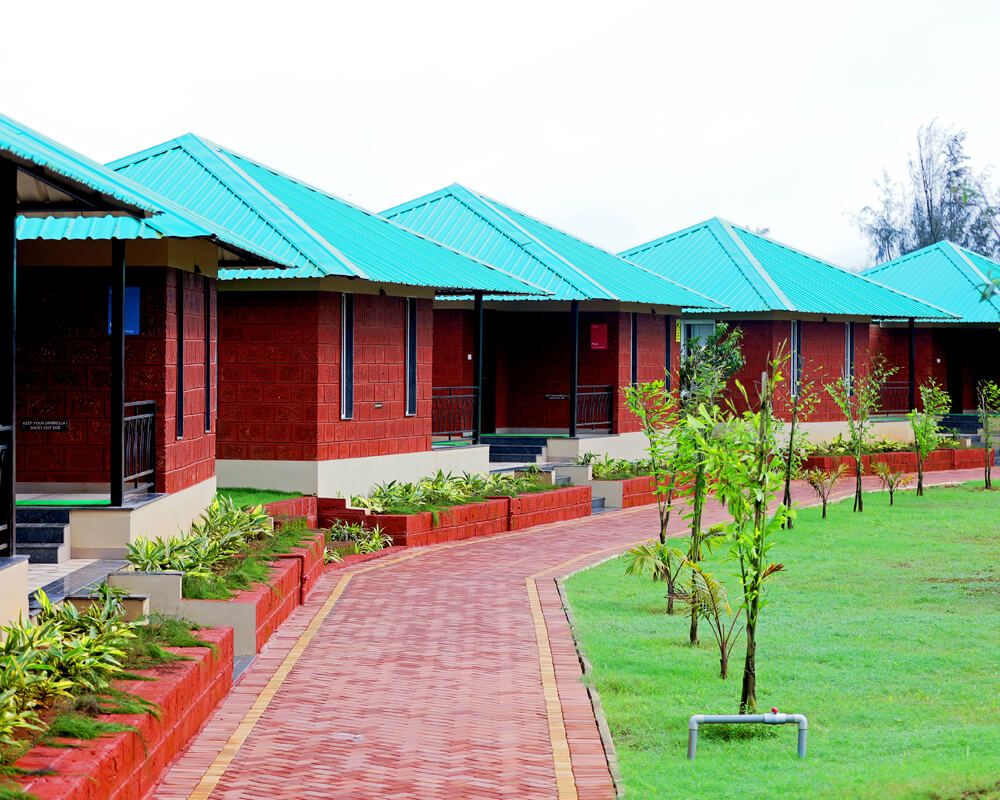
Accommodations directly at the viewpoint are non-existent, but the surrounding Radhanagari and Kolhapur regions offer an authentic selection of lodging options. Travelers looking to spend unhurried time near the forests and waters of the Western Ghats can discover peaceful nature camps, rustic farmstays, and welcoming family-run homestays listed on HireACamp. Booking a stay nearby allows you to enjoy misty mornings on the hills, quiet rural evenings, and seamless access to Gaibi Ghat and its neighboring nature preserves.
Frequently asked questions
Where is Gaibi Ghat located?
Gaibi Ghat is a mountain pass and viewpoint situated near the town of Radhanagari in the Kolhapur district of Maharashtra, India.
What is the best season to experience Gaibi Ghat?
The monsoon months from June to September offer lush green hills and misty weather, while October through February provides clear valley views and comfortable, cool temperatures.
Are there any facilities or shops at Gaibi Ghat?
Gaibi Ghat is largely an open mountain road viewpoint with minimal commercial development, so it is best to carry your own water and basic snacks from nearby towns like Radhanagari.
Can I visit Gaibi Ghat as a day trip from Kolhapur?
Yes, Gaibi Ghat can be visited as an easy day excursion from Kolhapur, combined with nearby attractions like Radhanagari Dam and the Radhanagari Wildlife Sanctuary.
Where you'll be
Radhanagari · 2 stays nearby shown with prices
Stays near Gaibi Ghat
Book a place to stay close by
More places near Gaibi Ghat
Within 20 km
Built from 0 Instagram posts by 0 creators. Every tip links back to the post it came from, and where creators disagree we show both sides.






